Fixing Poor Posture in Daily Home Life
You sit, you scroll, you work, and hours pass without much movement. Over time, your shoulders round forward, your neck shifts ahead of your body, and your lower back tightens. These small habits build into posture problems that affect how you feel each day.
Posture correction is not about standing stiff or forcing your body into an unnatural position. It is about restoring balance so your muscles and joints work with less strain. In the Bay Area, where many people work long hours at desks or from home, posture issues show up across all age groups.
https://tricitieschiropractor.com/2025/11/21/inside-ember-chiropractic-a-closer-look-at-dr-bennings-approach/
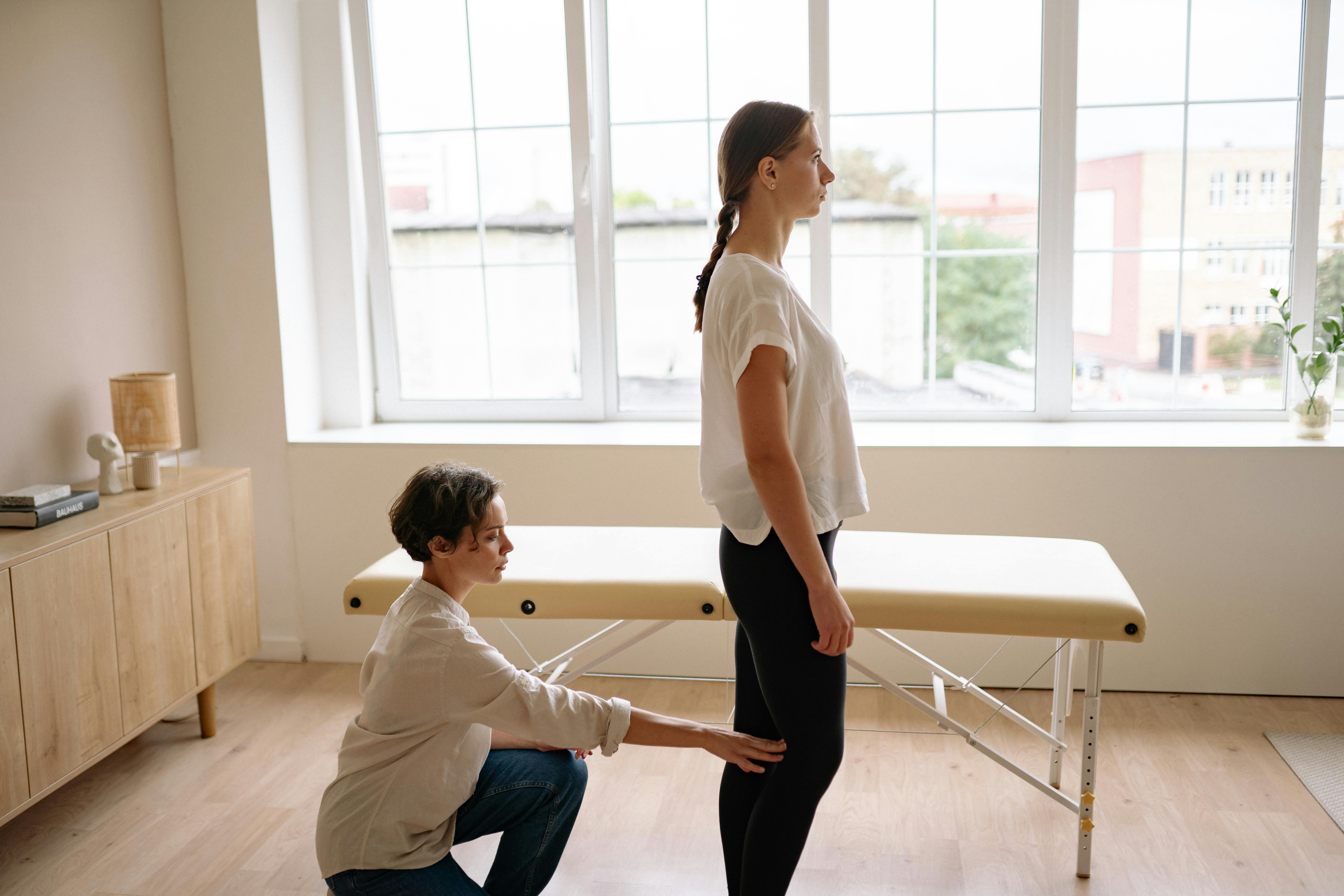
Understanding how posture affects your body
Your spine has natural curves that support your weight and allow movement. When posture shifts out of alignment, certain muscles work harder while others weaken.
Common posture-related issues include:
• Forward head position from screen use
• Rounded shoulders from sitting or driving
• Tight hip flexors from long periods of sitting
• Lower back strain from poor chair support
You might notice symptoms such as:
• Neck stiffness in the morning
• Shoulder tension by mid-day
• Headaches that start at the base of the skull
• Lower back discomfort after sitting
These signs point to imbalance, not just temporary discomfort.
Daily habits that shape posture at home
Your home setup plays a major role. In older Bay Area homes, room layouts and furniture heights vary. You might work at a dining table one day and a couch the next.
Check your daily environment:
• Screen height should match eye level
• Feet should rest flat on the floor when seated
• Lower back should have support
• Keyboard and mouse should stay within easy reach
Small adjustments reduce strain. You do not need expensive equipment. You need consistency.
Simple posture resets you can use
Instead of holding one perfect position all day, focus on frequent resets.
Try this routine every hour:
• Sit tall with shoulders relaxed
• Pull your chin slightly back, not down
• Place feet flat and evenly spaced
• Take five slow breaths
This reset helps your muscles return to a neutral state.
Strength and mobility work that supports posture
Posture correction depends on both strength and flexibility. Tight muscles pull your body out of alignment, while weak muscles fail to support it.
Focus on these areas:
• Upper back strength
• Core stability
• Hip flexibility
• Chest mobility
Examples of helpful movements:
• Wall slides for shoulder alignment
• Bird dogs for core control
• Hip flexor stretches
• Chest opening stretches
Consistency matters more than intensity.
How posture affects different groups at home
Office workers and remote workers
Long hours at a desk create the most common posture issues. Frequent breaks and proper setup reduce strain.
Parents and children
Kids using tablets or phones often develop early posture habits. Encourage movement and limit long periods of slouched sitting.
Seniors
Posture changes with age due to muscle loss and joint stiffness. Gentle exercises and supportive seating help maintain alignment.
Athletes
Training imbalances affect posture. Stretching tight muscle groups and strengthening stabilizers helps improve form and reduce injury risk.
What to look for when comparing providers
If you are considering professional posture correction support, it helps to review what different providers offer.
Look for:
• Assessment of spine and movement patterns
• Hands-on adjustments or manual techniques
• Exercise guidance tailored to your needs
• Education on daily posture habits
When comparing options, you might review a resource such as tricitieschiropractor.com to understand how posture correction services are structured and what questions patients often ask.
Avoid focusing only on quick fixes. Look for a balanced approach that includes education and self-care.
Home factors in the Bay Area that influence posture
Local conditions shape daily habits.
Consider these factors:
• Older homes often lack ergonomic setups
• Hills and stairs affect walking posture
• Microclimates influence indoor comfort, which affects how you sit or move
• Compact living spaces may limit movement during the day
Adapting your space helps reduce these impacts.
Signs your posture is improving
You will not notice change overnight. Improvements show up gradually.
Positive signs include:
• Less tension in your neck and shoulders
• Easier breathing when sitting upright
• Reduced fatigue at the end of the day
• Better awareness of body position
These changes indicate your body is adapting.
Common mistakes to avoid
Many people try to fix posture by forcing themselves into rigid positions. This leads to more tension.
Avoid:
• Holding your shoulders back all day
• Sitting without movement for long periods
• Ignoring lower body alignment
• Skipping strengthening exercises
Posture correction is active, not static.
Creating a simple daily plan
You do not need a complex routine. Start with a few steps:
Morning
• Gentle stretch for neck and shoulders
• Quick posture check while standing
Midday
• Hourly posture reset
• Short walk or movement break
Evening
• Stretch tight areas
• Light strengthening exercises
Keep the routine simple so you stick with it.

How long it takes to see change
Posture habits develop over years. Improvement takes time and repetition.
You might notice:
• Early relief within a few weeks
• Better endurance over one to two months
• Long-term changes with consistent effort
Stay patient and focus on daily habits.
Why posture matters beyond comfort
Good posture supports more than your back. It affects how you move, breathe, and function.
Benefits of improved posture include:
• Better balance
• Reduced strain on joints
• Improved focus during work
• More efficient movement
These changes help you stay active and reduce long-term stress on your body.