How to Use Heavy-Duty Tarps to Create Waterproof Outdoor Workspaces
Outdoor workspaces are essential for construction projects, landscaping operations, agricultural work, equipment maintenance, and home improvement tasks. However, changing weather conditions can quickly disrupt productivity. Rain, excessive sunlight, wind, and moisture exposure can damage tools, materials, and unfinished work while creating unsafe conditions for workers.
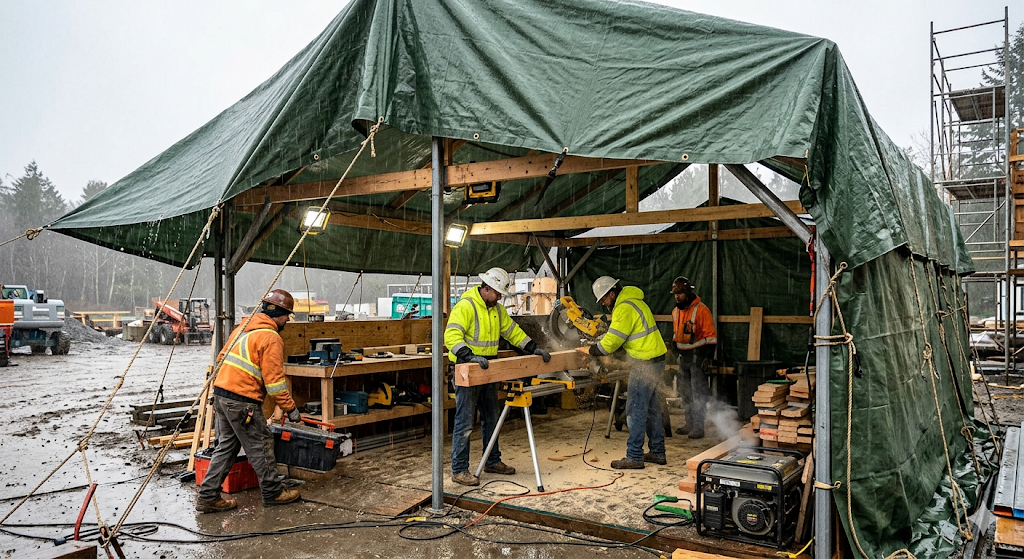
One of the most practical and affordable solutions for weather protection is the use of heavy-duty tarps. These durable covers can help create temporary waterproof workspaces that protect equipment, workers, and materials from the elements. When installed correctly, heavy-duty tarps can transform open outdoor areas into more controlled and functional environments.
Whether used for construction sites, backyard workshops, farming operations, or emergency repairs, understanding how to use heavy-duty tarps effectively can help improve efficiency and reduce weather-related disruptions.
Choose the Right Heavy-Duty Tarp Material
The first step in creating a waterproof outdoor workspace is selecting the proper tarp material. Not all tarps are designed for demanding outdoor conditions, so durability and water resistance are critical considerations.
Heavy-duty poly tarps are among the most common options because they are lightweight, waterproof, and resistant to mildew and UV exposure. Vinyl tarps are another popular choice for industrial applications because they offer excellent strength, abrasion resistance, and long-term durability.
Canvas tarps may also work for certain outdoor projects, although they are generally more water-resistant than fully waterproof unless specially treated.
Thickness matters as well. Thicker tarps usually provide better durability and improved resistance to tearing, punctures, and harsh weather conditions. Reinforced corners, double-stitched hems, and rust-resistant grommets can also improve overall performance.
Size selection is equally important. The tarp should fully cover the intended workspace while allowing enough material for secure anchoring and proper water runoff.
Many contractors, homeowners, and outdoor workers purchase heavy-duty tarps on Amazon because of the large variety of sizes, colors, and industrial-grade options available for different weather protection needs.
Build a Stable Support Structure
A strong support system is essential for creating a safe and effective waterproof workspace. Without proper structural support, tarps may sag, collect water, or collapse during heavy rain or strong winds.
Support structures can vary depending on the project size and location. Common options include:
- Metal frames
- PVC pipe structures
- Wooden posts
- Scaffolding systems
- Existing pergolas or sheds
- Portable canopy frames
The structure should be stable enough to support both the tarp weight and additional pressure from rain or wind.
Creating a peaked or sloped roof design is highly recommended. Flat tarp installations often collect standing water, which increases strain on the material and raises the risk of tearing or collapse. Angled setups allow rainwater to drain more effectively.
The height of the structure should also provide enough clearance for workers, tools, and equipment while maintaining manageable tarp tension.
Careful planning during the framing stage helps improve both safety and long-term durability.
Secure Tarps Properly to Prevent Leaks and Wind Damage
Even the best tarp material can fail if it is not installed securely. Proper fastening is critical for maintaining waterproof protection and structural stability.
Start by pulling the tarp tightly across the support structure to reduce wrinkles and sagging. Loose sections can collect water or flap excessively during windy conditions.
Bungee cords, ropes, ratchet straps, tarp clips, and zip ties are commonly used for securing heavy-duty tarps. Flexible tie-downs can help absorb movement and reduce stress on grommets.
Anchor points should be evenly spaced along the tarp edges to distribute tension properly. Reinforced grommets help improve durability in high-stress areas.
For larger outdoor workspaces, overlapping multiple tarps may be necessary. In these situations, overlaps should be positioned carefully to direct water away from seams rather than underneath them.
Ground anchoring is also important, especially in windy environments. Weights, stakes, or anchored support posts can help stabilize the structure and prevent shifting during storms.
Regular inspections are recommended to ensure fasteners remain secure throughout the project.
Protect Tools, Equipment, and Materials from Moisture
One of the biggest advantages of waterproof tarp workspaces is the ability to shield valuable equipment and materials from moisture damage.
Construction tools, power equipment, lumber, paint, cement products, and electrical components can all suffer damage when exposed to rain or high humidity. Water intrusion may also create safety hazards by increasing slip risks or affecting electrical systems.
Heavy-duty tarps help create dry work zones where materials can be stored and projects can continue despite changing weather conditions.
In agricultural settings, tarp-covered workspaces can protect feed, machinery, and repair equipment from moisture exposure. Landscapers may also use tarp shelters to store mulch, soil, and tools during rainy periods.
Ventilation should still be considered when designing enclosed tarp workspaces. Completely sealed structures may trap heat and condensation inside, especially during humid weather. Allowing controlled airflow can help reduce moisture buildup and improve comfort for workers.
Organizing tools and materials inside the covered space can also improve workflow efficiency and reduce clutter during outdoor operations.
Maintain the Tarp Workspace for Long-Term Use
Routine maintenance helps extend the lifespan of both the tarp and the support structure. Outdoor workspaces are exposed to constant stress from sunlight, wind, rain, and temperature changes, which can gradually weaken materials over time.
Inspect the tarp regularly for:
- Tears or punctures
- Loose seams
- Frayed edges
- Damaged grommets
- Water pooling areas
- Weak anchor points
Minor issues should be repaired quickly to prevent larger failures during severe weather.
Cleaning the tarp periodically can also improve durability. Dirt, leaves, standing water, and debris may contribute to mold, mildew, or material deterioration if left unattended.
After heavy storms, inspect the structure carefully for loosened supports or shifted anchor points. Strong winds and rain can place additional strain on the tarp system.
When the workspace is no longer needed, proper storage is important. Folding the tarp carefully and storing it in a dry area can help reduce UV damage, mildew growth, and unnecessary wear.
Well-maintained tarps often provide multiple seasons of reliable outdoor protection.
Conclusion
Heavy-duty tarps offer a versatile and cost-effective way to create waterproof outdoor workspaces for construction, agriculture, landscaping, repairs, and home improvement projects. Their durability and weather resistance make them valuable tools for protecting workers, equipment, and materials from rain and environmental exposure.
By choosing the right tarp material, building a stable support structure, securing the tarp properly, protecting tools from moisture, and maintaining the setup regularly, outdoor work areas can remain functional and productive in changing weather conditions. Whether purchased locally or through Amazon, high-quality heavy-duty tarps can help create reliable temporary shelters that improve efficiency and reduce project interruptions outdoors.