Heavy-Duty Tarps for Landscaping Projects: Protection and Cleanup Tips
Landscaping projects often involve large amounts of dirt, mulch, gravel, branches, tools, and outdoor equipment. Whether working on residential gardens, commercial properties, or large outdoor renovation projects, keeping materials organized and protected is essential for efficiency and safety. Weather exposure, debris buildup, and difficult cleanup can quickly slow down progress and increase labor costs.
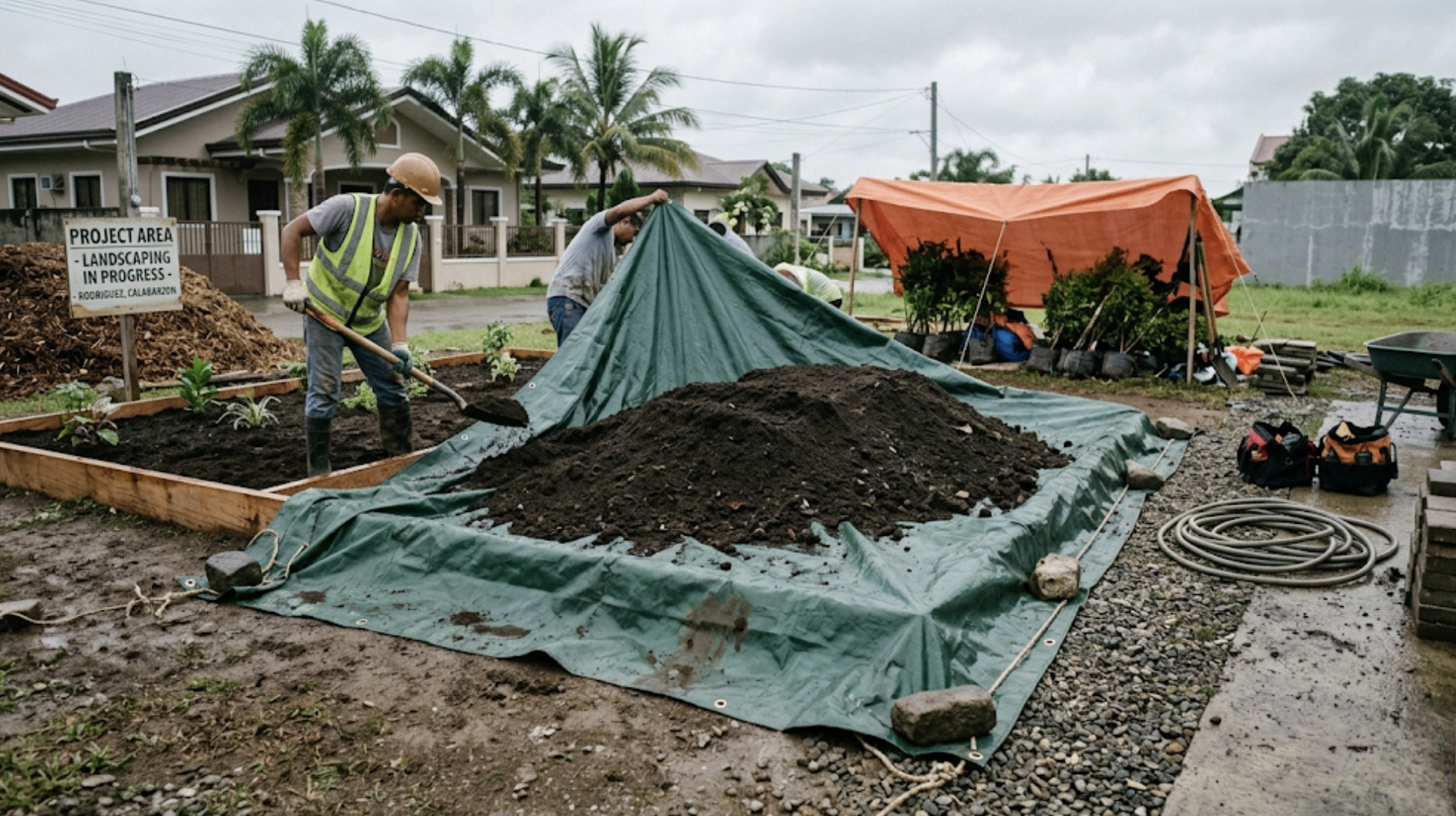
Heavy-duty tarps are one of the most practical tools for landscaping professionals and homeowners alike. They provide reliable protection for surfaces, simplify material handling, and make cleanup significantly easier. From covering landscaping supplies during rainstorms to collecting leaves and transporting debris, tarps offer versatile solutions for a wide range of outdoor tasks.
This guide explains how heavy-duty tarps can improve landscaping projects and provides useful protection and cleanup tips for getting the best results.
1. Choose the Right Heavy-Duty Tarp for Landscaping Work
Not all tarps are suitable for demanding landscaping environments. Choosing the correct tarp helps improve durability, efficiency, and long-term performance.
Consider Material Type
Poly tarps are commonly used for landscaping because they are lightweight, waterproof, and affordable. Vinyl tarps offer greater durability for heavier materials and rugged job site conditions. Mesh tarps may also be useful when airflow and drainage are important.
Select Proper Thickness
Heavy-duty tarps are better suited for landscaping projects involving rocks, branches, mulch, or equipment. Thin tarps may tear easily under heavy loads or rough surfaces.
Check Reinforced Features
Look for tarps with:
- Reinforced hems
- Rust-resistant grommets
- UV-resistant coatings
- Tear-resistant construction
These features help the tarp withstand repeated outdoor use and exposure to harsh weather conditions.
Match the Tarp Size to the Project
Using the correct tarp size improves efficiency and minimizes unnecessary handling. Large landscaping jobs may require oversized tarps for debris collection or material coverage.
Heavy-duty tarps can be purchased from hardware suppliers and online marketplaces such as Amazon, where various sizes and material options are available for landscaping applications.
2. Protect Grass, Patios, and Outdoor Surfaces
One of the most useful applications for heavy-duty tarps is surface protection during landscaping work.
Prevent Damage to Lawns
Placing tarps over grass helps protect lawns from heavy foot traffic, falling branches, and spilled materials. This is especially important during large landscaping renovations.
Shield Patios and Driveways
Mulch, soil, gravel, paint, and fertilizer can stain hard surfaces. Tarps help create a protective barrier that reduces cleanup time and surface damage.
Protect Plants and Garden Features
Tarps can temporarily cover flowers, shrubs, ponds, and decorative features during trimming, digging, or construction work.
Block Weed Growth
Some landscapers also use tarps for temporary weed suppression before planting or installing garden beds.
By protecting surrounding areas, heavy-duty tarps help maintain a cleaner and more organized work environment throughout the project.
3. Use Tarps for Material Storage and Weather Protection
Landscaping materials are often exposed to changing weather conditions during outdoor projects. Rain, sunlight, and wind can damage or scatter supplies if left uncovered.
Cover Mulch, Soil, and Gravel
Heavy-duty tarps help keep bulk materials dry and prevent erosion during rainstorms.
Protect Equipment and Tools
Outdoor equipment such as lawnmowers, trimmers, wheelbarrows, and power tools can benefit from temporary tarp coverage when not in use.
Shield Plants and Sod
New plants, sod rolls, and landscaping materials may dry out or become damaged if exposed to excessive sunlight or harsh weather.
Reduce Wind-Blown Debris
Tarps can also help contain loose materials during windy conditions, preventing unnecessary waste and cleanup.
Using tarps proactively protects valuable landscaping materials and helps avoid project delays caused by bad weather.
4. Simplify Debris Collection and Cleanup
Cleanup is often one of the most time-consuming parts of any landscaping project. Heavy-duty tarps can significantly improve efficiency when handling debris and waste materials.
Collect Leaves and Grass Clippings
Tarps create a central collection point for leaves, weeds, grass clippings, and hedge trimmings.
Transport Heavy Debris
Strong tarps can be used to drag branches, soil, rocks, or mulch across the yard more easily than carrying materials by hand.
Reduce Multiple Cleanup Trips
Large tarps allow workers to gather more debris at once, reducing the number of trips required to dispose of waste.
Minimize Mess
Placing debris directly onto a tarp helps prevent materials from scattering across lawns and sidewalks.
Create Portable Work Areas
Tarps can also serve as temporary staging areas for tools, potted plants, and landscaping supplies.
Efficient cleanup improves productivity while reducing physical strain during large outdoor projects.
5. Maintain Tarps Properly for Long-Term Use
Regular maintenance helps extend the lifespan of landscaping tarps and improves long-term performance.
Clean Tarps After Each Use
Remove dirt, mud, fertilizer, and plant residue after completing a project. Cleaning the tarp helps prevent material buildup and odors.
Inspect for Damage
Check for:
- Tears
- Loose seams
- Damaged grommets
- Frayed edges
- Punctures from sharp tools or branches
Small repairs should be handled early before they worsen.
Dry Tarps Before Storage
Storing wet tarps can lead to mold, mildew, and material deterioration. Allow the tarp to dry completely before folding it.
Store in a Protected Area
Keep tarps away from prolonged direct sunlight and excessive moisture when not in use.
Avoid Overloading
Even heavy-duty tarps have weight limits. Avoid dragging extremely sharp or oversized materials that could tear the fabric.
Proper care helps landscaping tarps remain effective through multiple projects and seasons.
Conclusion
Heavy-duty tarps are an essential tool for landscaping projects because they provide reliable protection, improve organization, and simplify cleanup tasks. Whether covering materials during bad weather, protecting outdoor surfaces, collecting debris, or transporting landscaping waste, tarps offer flexible solutions for both professionals and homeowners.
Choosing the right tarp material, using it correctly, and maintaining it properly can significantly improve efficiency while reducing damage to lawns, patios, and landscaping supplies. Heavy-duty tarps also help reduce cleanup time and create safer, cleaner workspaces during demanding outdoor projects.
From small backyard improvements to large commercial landscaping jobs, heavy-duty tarps provide practical value throughout every stage of the project. A wide selection of tarps can also be conveniently purchased on Amazon, making it easy to find suitable options for different landscaping needs and outdoor conditions.