The Ancient Herb Reborn: Discovering the Magic of Hyssop
When we think of garden herbs, we often gravitate toward the familiar basil, rosemary, or mint. Yet, tucked away in the annals of herbal history is a plant that has been revered for millennia: Hyssop (Hyssopus officinalis).
With its vibrant spikes of violet-blue flowers and a scent that sits somewhere between mint and camphor, hyssop is as beautiful as it is functional.
A Plant with a Storied Past
Hyssop is no newcomer to the world of wellness. Mentioned in ancient texts and historically used for its purifying properties, this perennial shrub has been a staple in Mediterranean gardens for centuries.
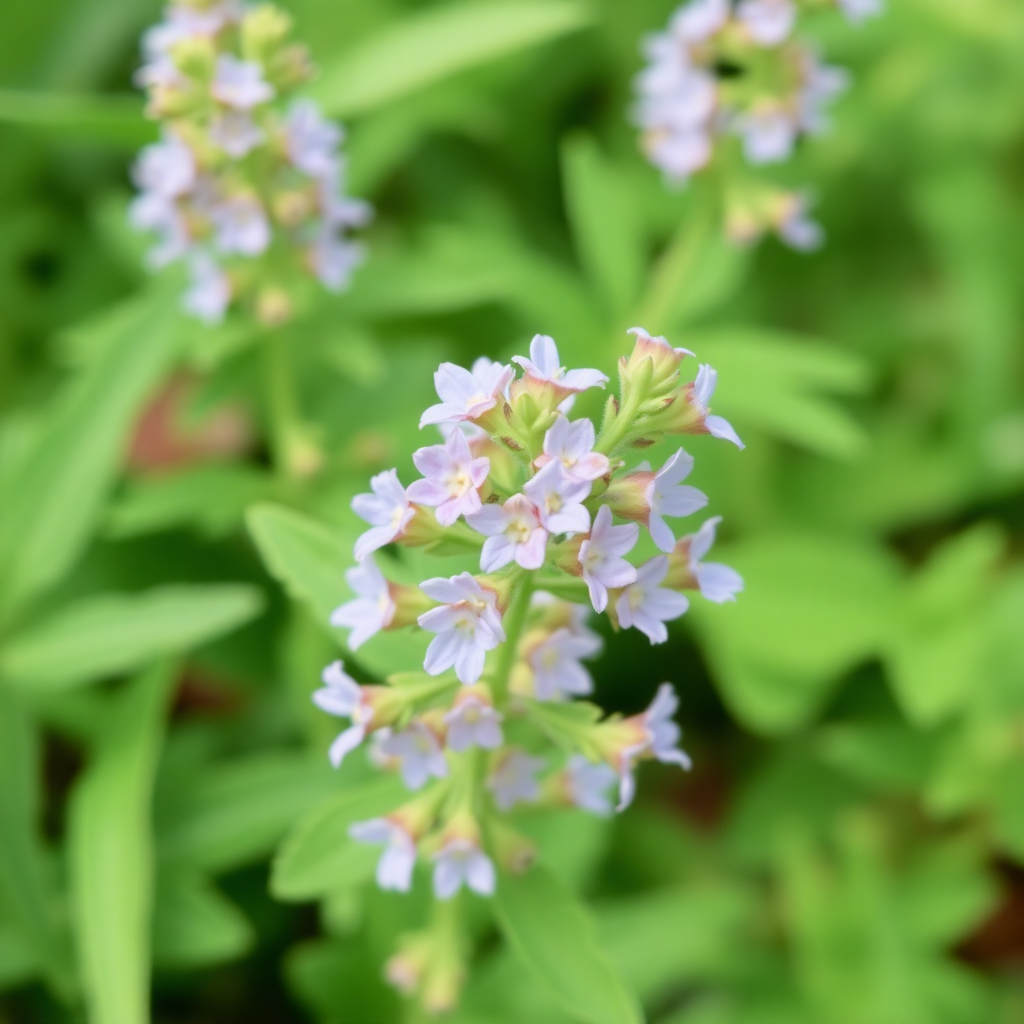
It thrives in sunny spots with well-draining soil, making it a resilient addition to any herb garden. Beyond its historical prestige, it serves as a magnet for pollinators; bees, butterflies, and hummingbirds absolutely adore its nectar-rich blossoms.
More Than Just a Pretty Face
While many gardeners grow hyssop for its striking aesthetic, its culinary and medicinal heritage is just as compelling. In the kitchen, hyssop should be used with a light touch. Its leaves have a slightly bitter, earthy flavor that pairs surprisingly well with fatty meats, hearty stews, and even fruit salads.
Medicinally, hyssop has long been cherished as a respiratory ally. Often prepared as a tea, it was traditionally used to soothe sore throats and clear congestion. Its aromatic essential oils provide a refreshing, clarifying experience that feels like a breath of fresh air.
Bringing Hyssop Home
Whether you’re a seasoned herbalist or a backyard gardener looking for something unique, hyssop is a rewarding choice. It is hardy, drought-tolerant once established, and provides a continuous splash of color from mid-summer through autumn.
By inviting hyssop into your garden, you aren’t just planting a flower; you’re growing a piece of history—a fragrant, versatile companion that honors the ancient traditions of the earth.
Wow, what a magnificent view! So beautiful, irresistible white flowers! Nature is breathtaking! Best of luck to everyone, my brother.
Upvoted! Thank you for supporting witness @jswit.