The Order of Nine Angles: The Cult That Wants You to Cross Every Line
The Order of Nine Angles
"Not every dangerous movement begins with weapons or violence. Some begin with ideas."
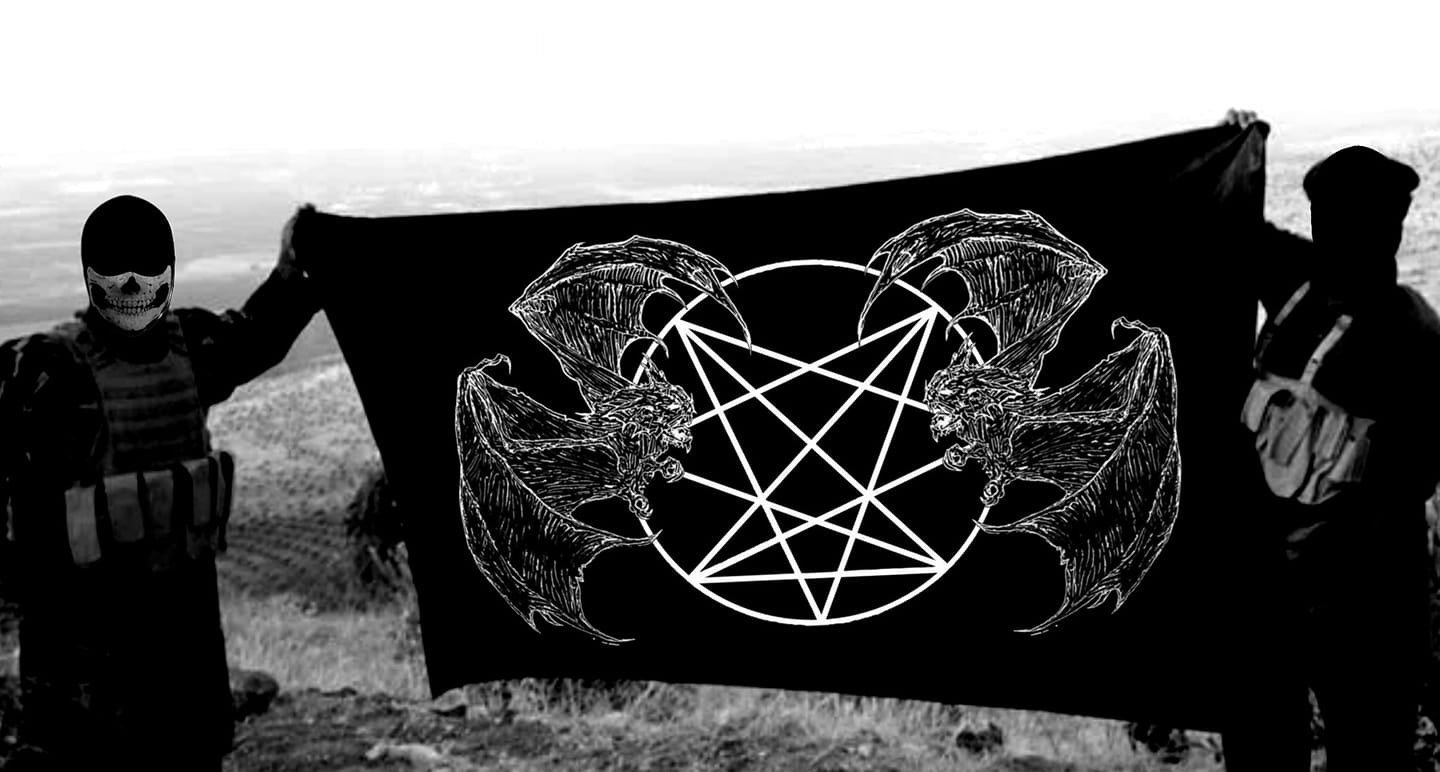
Source: Investigation: L'O9A – Une secte de tarés
Most people have never heard of the Order of Nine Angles, often shortened to O9A. It doesn't hold public rallies, advertise itself openly, or operate like a traditional organization. Yet over the last few decades, its name has surfaced repeatedly in investigations into violent extremism, online radicalization, and fringe ideological networks.
At first glance, O9A presents itself as an ancient occult tradition built around secret knowledge, hidden rituals, and personal transformation. That image is part of its identity. But behind the mythology is a movement that has attracted attention for something far more serious: writings that encourage followers to reject conventional morality, embrace transgression, and view violence as a legitimate path toward personal or societal change.
Unlike many occult groups that focus on symbolism or spirituality, O9A has become known for the way its ideas overlap with real-world extremist movements.
The Story It Tells
Source: Factual America – Order of the Nine Angles Documentaries
Like many secretive movements, O9A builds much of its identity around mystery.
Its literature describes hidden traditions, ancient lineages, and knowledge supposedly preserved outside mainstream history. These stories create the impression that followers are gaining access to truths unavailable to everyone else.
There is little historical evidence supporting those claims. Most available research places the movement's origins in Britain during the late 1970s and early 1980s, where its ideas spread through anonymous publications before finding a much larger audience online.
Whether the myths are believed literally or treated symbolically, they serve an important purpose: they make the movement appear older, deeper, and more significant than its documented history suggests.
Breaking Moral Boundaries
One of the defining features of O9A is its rejection of ordinary moral standards.
Rather than encouraging compassion, restraint, or personal responsibility, many of its writings argue that growth comes from deliberately crossing boundaries that society considers unacceptable.
The movement repeatedly promotes ideas such as:
- Rejecting conventional morality.
- Viewing conflict as a form of personal development.
- Seeking power through extreme experiences.
- Treating empathy as a limitation rather than a strength.
This philosophy is one of the main reasons O9A has been studied alongside extremist ideologies instead of simply being viewed as an obscure occult group.
"Insight Roles"
Among the movement's more unusual ideas is something it calls Insight Roles.
The basic concept involves temporarily adopting unfamiliar social or ideological roles in order to gain experience and challenge one's worldview.
Supporters describe this as a method of personal development.
Critics point out that the same concept can be interpreted as encouraging deception, infiltration, manipulation, or participation in extremist environments.
That ambiguity has made the idea one of the most controversial aspects of O9A's writings.
Where It Crosses Into Reality
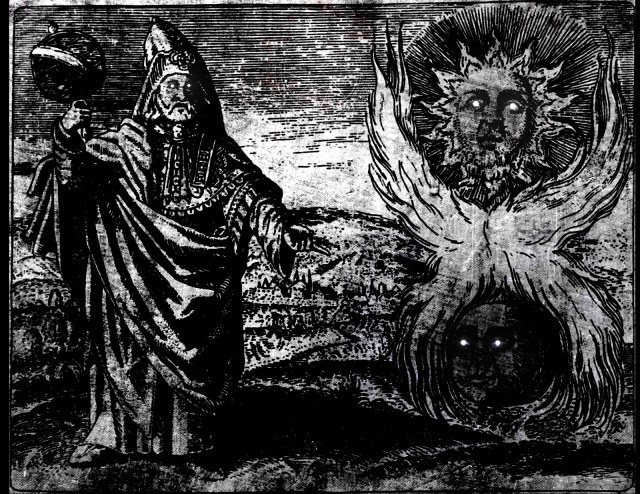
O9A might have remained a niche internet curiosity if its ideas had stayed confined to obscure writings.
Instead, investigators have repeatedly encountered references to the movement during investigations involving accelerationist and neo-Nazi networks.
Its texts have circulated within extremist communities, and some individuals connected to violent criminal cases have cited or possessed O9A material.
That does not mean everyone who reads O9A literature becomes violent. However, these repeated connections explain why security agencies continue to monitor the movement.
Why People Become Interested
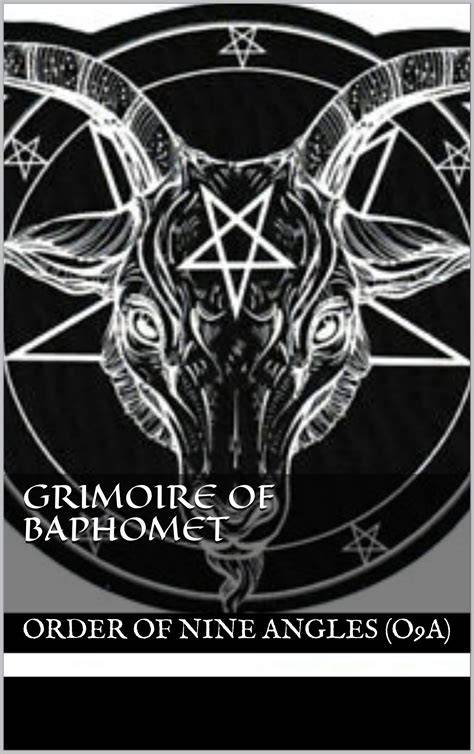
O9A rarely attracts people by presenting itself as dangerous.
Instead, it offers something many fringe movements have always offered: the feeling of belonging to a select few.
Its writings suggest that ordinary society is blind, that conventional morality is a limitation, and that only those willing to reject accepted ideas can reach a higher level of understanding.
For some people, that promise of hidden knowledge and exclusivity is more persuasive than any political slogan.
A Movement Without a Headquarters
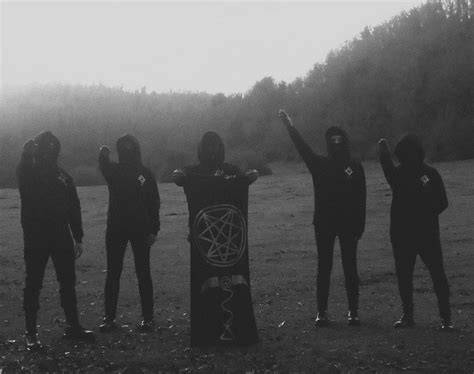
Unlike traditional organizations, O9A has no widely recognized leader, headquarters, or formal membership system.
Its writings circulate through websites, archived documents, discussion forums, encrypted messaging platforms, and independent groups spread across different countries.
That decentralized structure makes it difficult to measure the movement's actual size, but it also makes it remarkably resilient. Ideas can continue to spread even when individual groups disappear.
Why It Continues to Matter
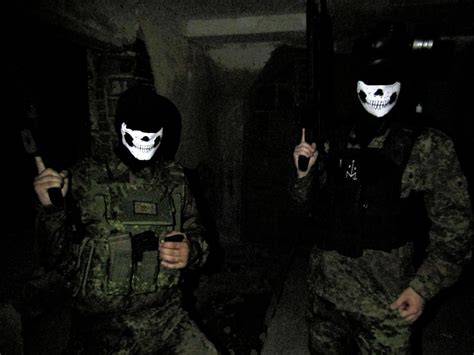
The significance of O9A is not found in its symbols or rituals alone.
What has kept the movement under scrutiny is the combination of extremist politics, occult mythology, and writings that, in some cases, encourage criminality and violence as tools for personal or ideological change.
For that reason, it continues to appear in investigative journalism, academic research, and counter-extremism reports. Despite remaining relatively small, its influence extends far beyond its numbers because its ideas continue to circulate online, often detached from the movement's original identity.
Final Thoughts

The Order of Nine Angles occupies a strange place in the modern extremist landscape. It is part occult movement, part ideological network, and part internet phenomenon. Its history is filled with unanswered questions, disputed claims, and competing interpretations.
Whether viewed as an extremist movement, an occult subculture, or a mixture of both, O9A has earned a level of attention that far exceeds its size. That attention comes not from its myths, but from the real-world cases, investigations, and extremist networks in which its ideas have repeatedly appeared.
If you found this article interesting, feel free to leave your thoughts in the comments. Discussions about lesser-known movements often reveal just how complex the intersection of ideology, psychology, and online communities has become.