History of the Berom People (Part 1):
Prehistoric Origins, Nok Connection, and the Cradle of Riyom
Welcome to Part 1 of a deep dive into the origin, culture, and evolution of the Berom (Birom),people of the Jos Plateau, Nigeria. In this first installment, we take a journey thousands of years back into antiquity to explore the prehistoric foundations of the Berom nation before European contact and modern record-keeping.
- The Archaeological Anchor: Nok Culture & The Iron Age (c. 1500 BC – 500 AD)
The deepest prehistoric roots of the Berom people are intrinsically linked with the Nok Culture, one of West Africa’s earliest and most advanced Iron Age civilizations.
Material Evidence:Systematic archaeological excavations around Ropp, Riyom,and Bukuru revealed extensive microlithic stone tools alongside ancient iron-smelting furnaces, tuyères (clay ventilation pipes), and iron slag. This confirms a continuous human presence on the high plateau that transitioned from the Late Stone Age into the Iron Age.
- Terracotta Heritage: Terracotta figurines and stylized pottery shards uncovered throughout ancestral Berom territories share strong stylistic and technological traits with Nok artifacts. This points to an unbroken tradition of ceramic craftsmanship and metallurgical mastery spanning over two millennia.
- The High Plateau as a Natural Fortress
Rising over 1,200 meters above sea level, the unique topography of the Jos Plateau played a decisive role in shaping early Berom life. The temperate climate, fertile valleys, and massive granite inselbergs provided both a sanctuary and a stronghold.
- Rock Shelters: Ancestral groups made strategic use of the plateau's granitic kopjes and natural rock overhangs for shelter, community gatherings, and lookouts against lowland raiders. Sites like the Ropp Rock Shelter show occupational layers reflecting continuous human habitation stretching back thousands of years.
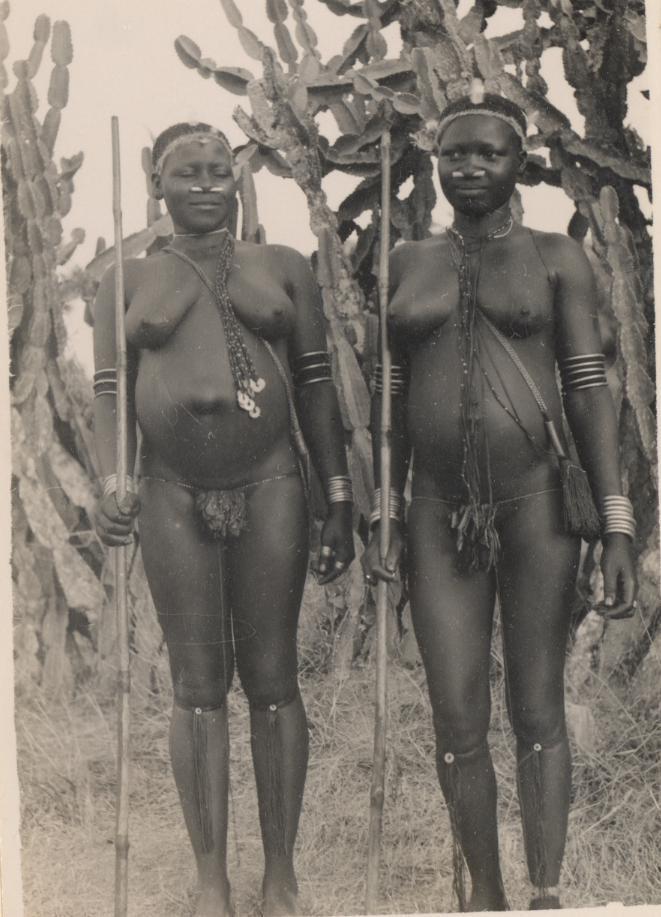
- Cacti Walls: Family compounds and ancestral settlements were encircled using dense hedges of native cacti (Euphorbia kamerunica). These thorny walls created impenetrable natural defenses against wild animals and external threats.
- Riyom: The Spiritual Cradle of the Berom Nation
Oral traditions and clan genealogies unanimously point to Riyom as the primordial dispersal point for the Berom people.
According to these ancient accounts, hunting and gathering bands gradually consolidated around the reliable water sources and arable lands of Riyom. As population density grew, lineage groups expanded outward from Riyom to form foundational settlements across the central high plains—including Jishe (present-day Jos), Chwel Nyap (Dogon Dutse), Du, Foron, Gwol (Barkin Ladi), and Bachit. - Prehistoric Agriculture: Domestication of Acha & Stone Terracing
The early Berom were master agriculturalists who adapted ingeniously to the thin, granitic soils of the high altitude plains.
- Cultivation of Acha (Fonio):** Ancestral Berom were among the earliest cultivators of Acha (Digitaria exilis) and finger millet. Acha thrived in shallow, rocky soil and required minimal rainfall, making it the perfect staple crop. Beyond nutrition, Acha held deep sacred value in ancient rituals.
- Stone-Walled Terracing: To cultivate the steep, hilly slopes without losing topsoil to erosion, early farmers built extensive dry-stone terraces across the landscape—a feat of early agricultural engineering that remains visible across Plateau State today.
- Primordial Worldview: Dagwi, the Kwit System, and Red Ochre (Tee)
In the prehistoric era, social authority was not centered around autocratic kings, but rather around spiritual harmony and natural order.
- Veneration of Dagwi: The ancient Berom believed in Dagwi, the supreme creator God associated with the sky, sun, and the breath of life. Dagwi was worshipped spiritually without physical idols.
- The Gwom Kwit (Chief Priest): Authority resided with the Chief Priest (Gwom Kwit), who presided over the Kwit religious system. The Kwit regulated moral law, land rights, and agricultural seasons. Secret seasonal rites like Mandyeng were conducted to sanctify the soil before planting and harvesting.
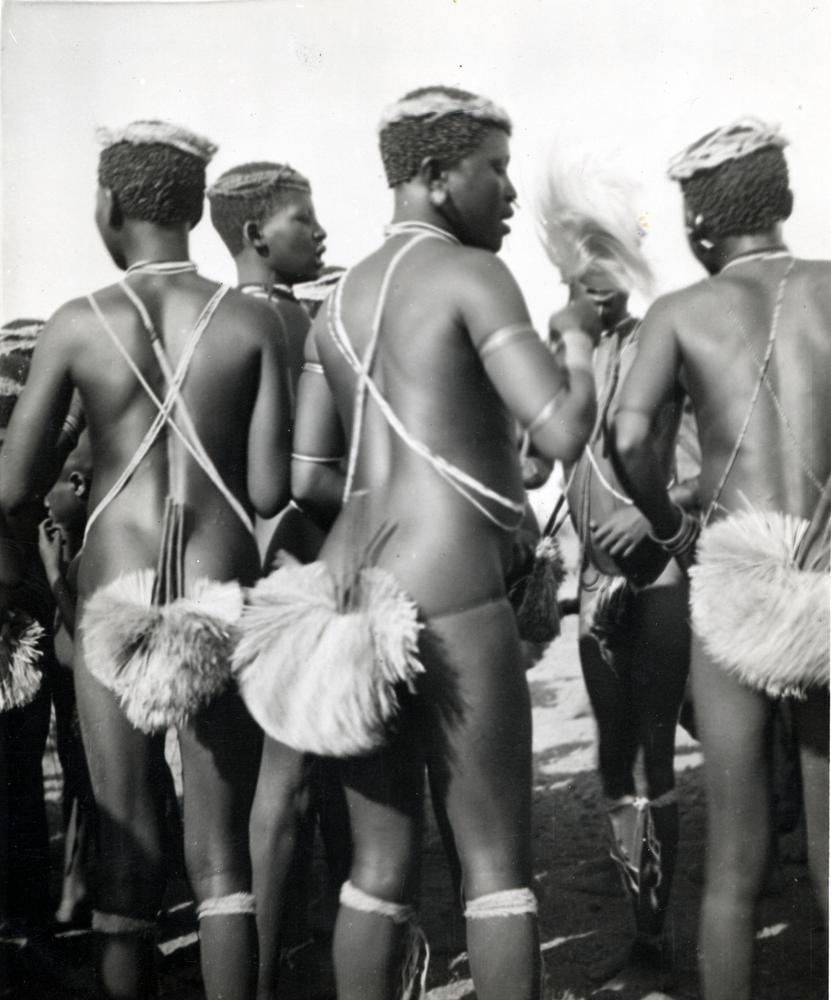
- Red Ochre (Tee):** Ancient Berom utilized Tee—a sacred reddish-brown earth pigment—for skin protection against the cold plateau winds, medicinal remedies, and ceremonial body decoration during rites of passage.
Thank you for reading Part 1! In Part 2, we will examine the pre-colonial era, traditional clan structures, warrior institutions, and how the Berom defended their highlands.
What part of Berom history interest you the most? Drop your comments, upvotes, and thoughts below!