Aceh Proposed as Pilot Project for National Sharia Commercial Court in Indonesia
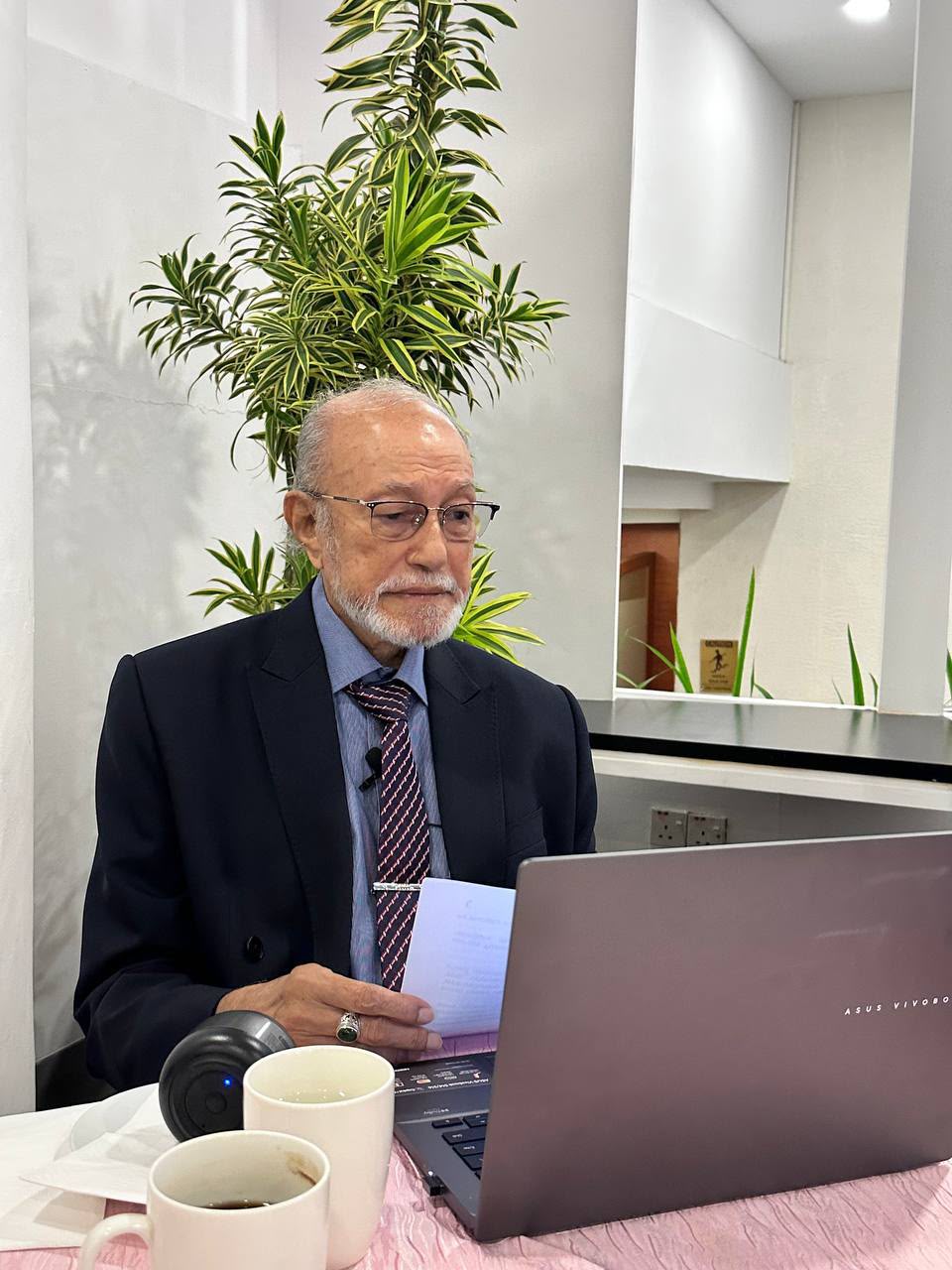
The Wali Nanggroe Aceh Darussalam, His Excellency Tgk. Malik Mahmud Al-Haythar, proposed that Aceh become a national pilot project for the establishment of a Sharia Commercial Court within the Religious Courts.
The Wali Nanggroe made this proposal while speaking at a Focus Group Discussion (FGD) on the drafting of the Academic Draft Law on the Establishment of a Special Sharia Commercial Court within the Religious Courts, Friday, July 17, 2026.
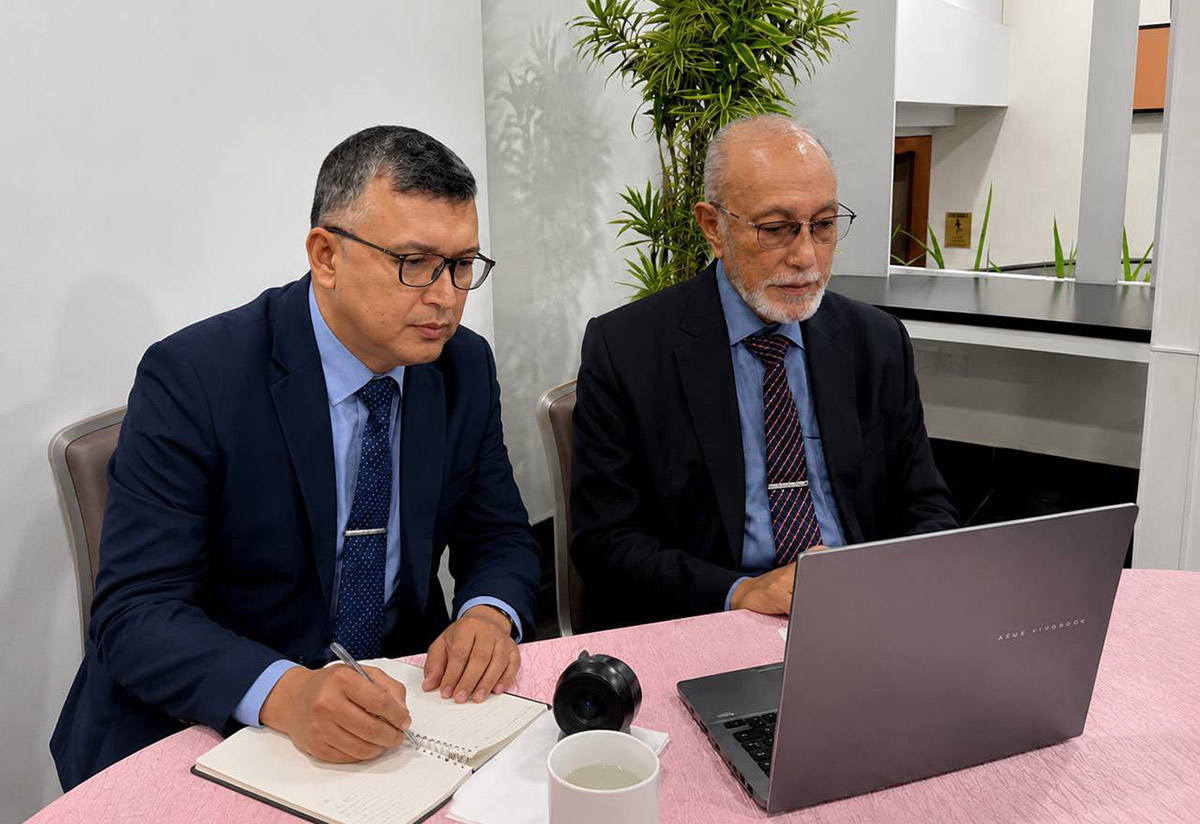
Despite undergoing orthopedic rehabilitation and physiotherapy in Penang, Malaysia, the Wali Nanggroe accepted the invitation of the Indonesian Supreme Court by bravely participating in the event via Zoom.
In his presentation, the Wali Nanggroe emphasized that the establishment of a Sharia Commercial Court is a strategic necessity to ensure legal certainty amidst the development of the national sharia economy.
"The growth of the halal industry, Islamic banking, investment, and various business transactions based on Sharia contracts requires a judicial institution with specialized competencies," explained Wali Nanggroe in a discussion moderated by Prof. Dr. Deni Kamaluddin Yusuf, M.Ag.
This institution is required not only to master positive law, but also to thoroughly understand the principles of Islamic Sharia to be able to produce fair, professional, and integrity-based decisions and provide legal certainty to all business actors.
Wali Nanggroe considers Aceh to be the region most prepared to be the first location for the implementation of a Sharia Commercial Court.
This readiness is supported by the existence of the Sharia Court, the implementation of Islamic Sharia based on Law Number 11 of 2006 concerning the Governance of Aceh, and various qanuns that have been enacted.
Furthermore, Aceh has more than two decades of experience in building and implementing an Islamic Sharia-based legal system as part of its regional uniqueness.
"With the institutional, regulatory, and social foundations it already has, Aceh is worthy of becoming a national model for developing the Islamic economy," said Wali Nanggroe, as reported by Wali Nanggroe's Head of Cooperation and Public Relations, Zulfikar Idris.
According to him, designating Aceh as a pilot project is an appropriate and efficient choice because it can leverage established and experienced institutions.
Through this scheme, the Sharia Commercial Court model can first be tested, evaluated, and refined in Aceh before being gradually implemented in other regions according to national needs.
Wali Nanggroe stated that the establishment of the Sharia Commercial Court in Aceh can also strengthen the implementation of Aceh's special status within the framework of the Unitary State of the Republic of Indonesia, as mandated by the Aceh Governance Law and the spirit of the Helsinki Memorandum of Understanding.
The activity, organized by the Agency for Policy Strategy and Legal and Judicial Education and Training of the Supreme Court of the Republic of Indonesia, is part of an effort to formulate policy directions for enforcing the Islamic economic justice system in Indonesia.
On this occasion, the Wali Nanggroe also expressed the readiness of the Wali Nanggroe Aceh Institution to collaborate with the Supreme Court of the Republic of Indonesia in formulating policies and implementing the Sharia Commercial Court.
This support can be provided through institutional strengthening, sharing experiences in the implementation of the Sharia Court, strengthening customary values and Islamic law, and facilitating communication with the community and Sharia business actors in Aceh.
This synergy is expected to create a modern, professional, and accountable Sharia economic justice system capable of responding to the dynamics of national Sharia economic development.
The Wali Nanggroe hopes that Aceh will not only be a beneficiary of this policy but also become a strategic partner of the Supreme Court of the Republic of Indonesia in developing a Sharia economic justice system with integrity and competitiveness.
He believes that Aceh can become the birthplace of a Sharia Commercial Court model capable of providing legal certainty, justice, and public welfare, while also serving as a reference for the development of the Sharia economic justice system at the national and international levels.
The FGD also featured the Head of the Religious Chamber of the Supreme Court, Dr. Yasardin; The Chairman of Commission III of the Indonesian House of Representatives, Habiburokhman; the Director General of the Religious Courts of the Supreme Court of the Republic of Indonesia, Drs. H. Muchlis, SH, MH; the Dean of the Faculty of Law, University of Indonesia, Dr. Parulian Paidi Aritonang; and Dr. Muhajirin Tohir, a member of the Fatwa Commission of the National Sharia Council of the Indonesian Ulema Council.
During the event from Penang, the Wali Nanggroe was accompanied by Mohammad Raviq, the Wali Nanggroe's Special Staff for Diplomacy, Foreign Cooperation, and Peace Promotion in Aceh.[]