The first humanoid robot functional for various areas.

The first humanoid robot functional for various areas.
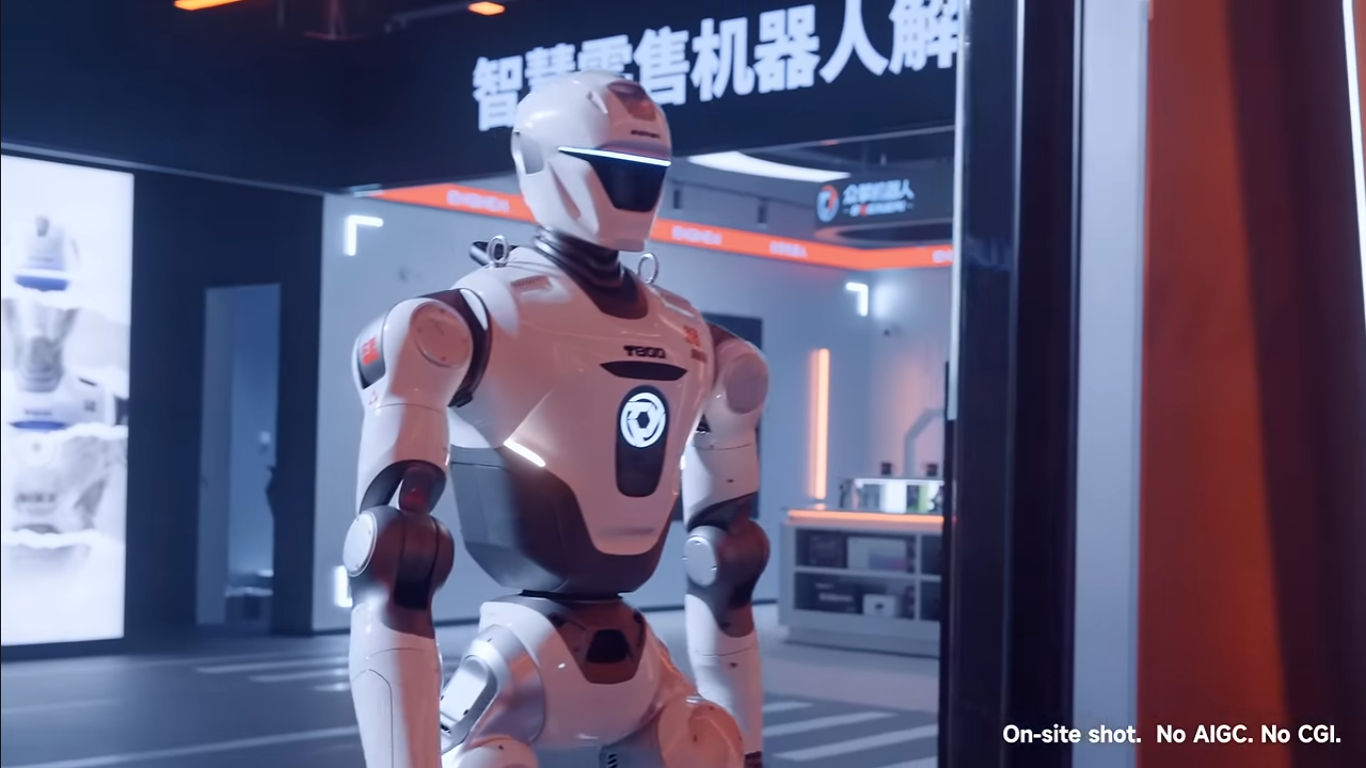


Manufacturer EngineAI announced the shipment of the first commercial batch of a general-purpose humanoid robot, marking a new phase in the global race for automation. The detail that drew particular attention was the name chosen for the TH800 model—an unmistakable reference to the *Terminator* franchise. Whether by coincidence or marketing strategy, the fact remains that the era of commercial humanoid robots appears to have finally begun.


The TH800 was developed with dimensions designed for natural operation in environments built for humans; standing approximately 1.70 meters tall, it can navigate hallways, pass through standard doorways, use tools found in homes and businesses, and even battle other robots—as seen in a recent, truly impressive real-world instance.


Another key aspect is the manufacturing process itself. EngineAI states that it simplified various elements of the mechanical architecture to facilitate continuous, large-scale production. Instead of manufacturing a limited number of highly specialized units, the goal is to cut costs and transform humanoid robots into products that are increasingly accessible to businesses and, eventually, to everyday consumers.


The company emphasizes that its goal is the exact opposite of the portrayal seen in movies. The project focuses on domestic assistance, operational support, and collaboration with humans; indeed, the reference to the TH800 illustrates how pop culture continues to shape our perception of these machines entering our daily lives, and this launch coincides with a period of rapid acceleration within the global industry.


Companies such as Tesla, Figure AI, Unitree, and various Chinese manufacturers are quickly expanding their investments in humanoid robots, while artificial intelligence platforms—like Nvidia’s project group—aim to create "brains" capable of operating across different robot models. The competition is no longer just about who builds the best hardware, but rather who will develop the complete ecosystem that powers millions of machines with intelligence.


Challenges regarding cost, autonomy, and safety remain, yet the direction seems quite clear: humanoid robots are beginning to carve out a genuine place in the economy.


Sorry for my Ingles, it's not my main language. The images were taken from the sources used or were created with artificial intelligence


Sort:  

An amazing "coincidence," but that makes it look more like a cheap knockoff than anything else—especially coming from the Chinese.

Cheers.
