Safeguarding Democracy Starts with the Youth: Genwaslu Lhokseumawe |
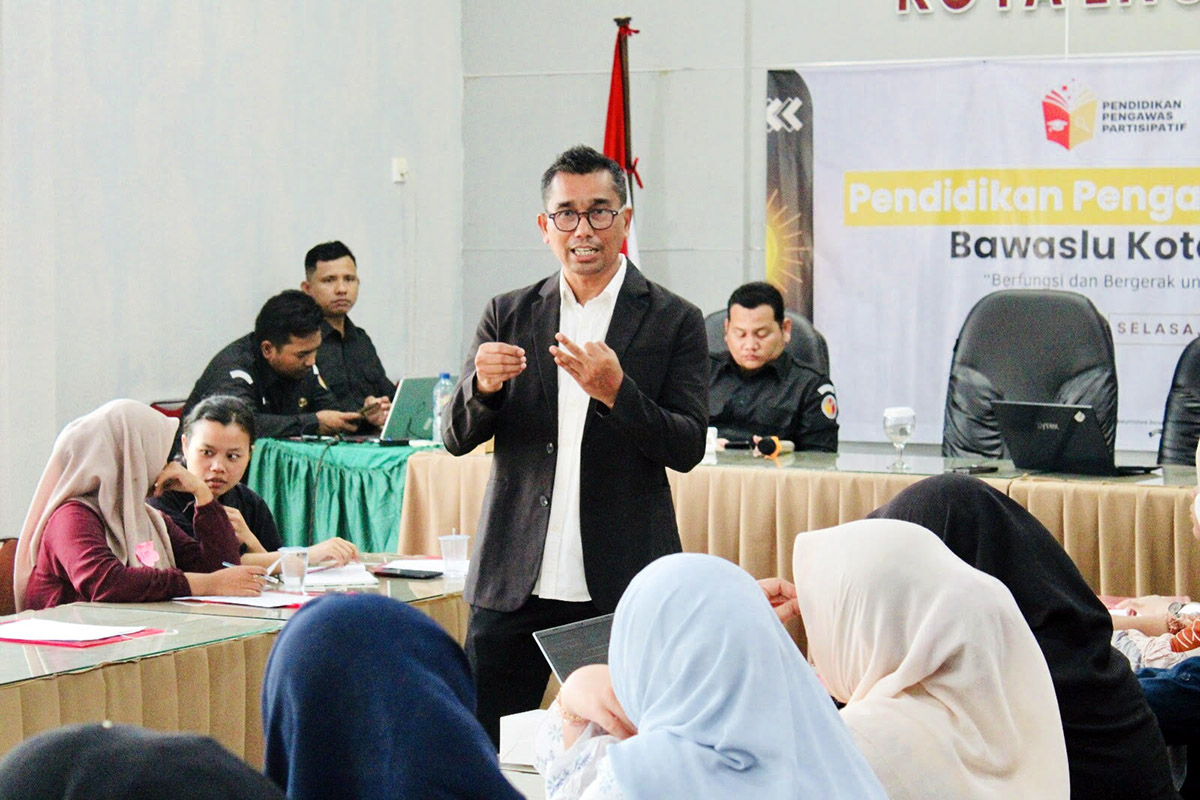
The boisterous sound of discussion filled the Lhokseumawe City Election Supervisory Committee (Panwaslih) Hall in Alue Awe, Aceh (Indonesia) on Tuesday, June 23, 2026. In the room, dozens of young people sat in a circle, occasionally raising their hands, exchanging ideas, and taking notes on every presentation presented by the speakers. They came not to campaign or discuss who would win the 2029 election. They came to learn something often overlooked: how to keep democracy on track.
Amidst the increasing challenges of election administration, from money politics and the spread of disinformation to potential violations at various stages, a movement offering hope has emerged. It's called Genwaslu Lhokseumawe—Lhokseumawe Election Supervisory Generation. This volunteer community is built on the belief that election supervision is not solely the responsibility of election organizers, but the responsibility of all citizens.
The 2029 election is expected to take place in an increasingly dynamic political climate. The younger generation will dominate the voter list. However, for the Lhokseumawe City Election Supervisory Committee (Panwaslih), young people's role is not limited to merely voting. They must also be guardians of the people's voice.
That spirit is the driving force behind the Participatory Oversight Education held by the Lhokseumawe City Panwaslih. During the online and offline training, participants not only learned about election regulations but also learned how the public can play an active role in preventing violations before they occur.
Ayi Jufridar, Coordinator of the Legal, Prevention, Public Participation, and Public Relations Division of the Lhokseumawe City Panwaslih, stated that the formation of Genwaslu is the first step in building a broader oversight network.
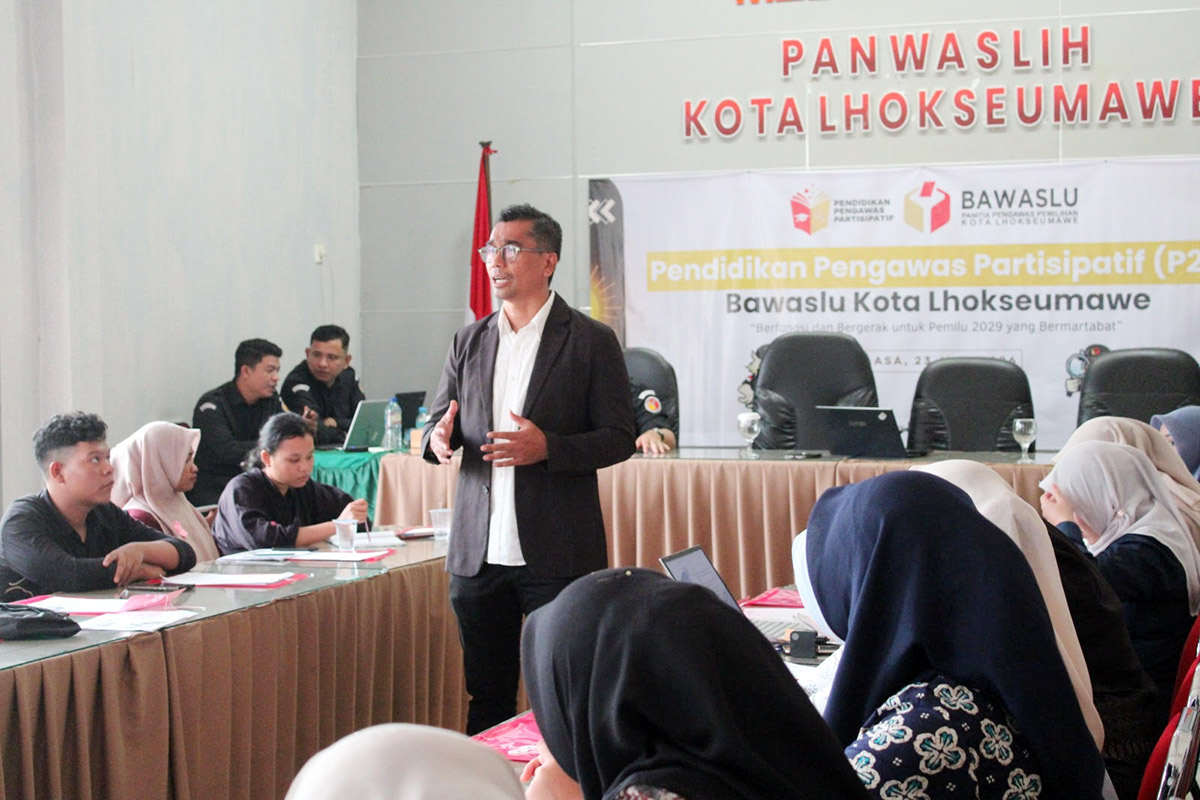
"We hope that the Lhokseumawe Genwaslu volunteers can invite their friends in other communities to participate in monitoring every stage for a more integrity-based election," he said.
He believes that the more citizens care about the election process, the less room there is for practices that undermine democracy. Participatory oversight is not simply about reporting violations, but also about building a culture of caring for every stage of the election so that the results truly gain public trust.
A similar message was conveyed by Safwani, Coordinator of the Violation Handling, Data, and Information Division of the Aceh Election Supervisory Agency (Panwaslih). Addressing approximately 40 participants, he reminded them that the limited number of supervisory personnel makes public support a non-negotiable necessity.
By presenting Bawaslu Regulation Number 2 of 2023 concerning Participatory Oversight, Safwani emphasized that this type of education is an investment in democracy.
"This activity is held to improve the character of election supervisors. This education is the basis for preventing violations and disputes in the election process," he said.
Field experience also complemented the participants' learning. Yuli Asbar, Coordinator of the Violation Handling and Dispute Resolution Division of the Lhokseumawe City Panwaslih, shared various experiences in handling violations during the 2024 Election. He explained how Panwaslih handled public reports, conducted investigations, and held adjudication hearings to resolve candidacy disputes.
According to him, the high level of participation from Lhokseumawe residents in reporting alleged violations is a sign that public awareness of the importance of oversight is growing.
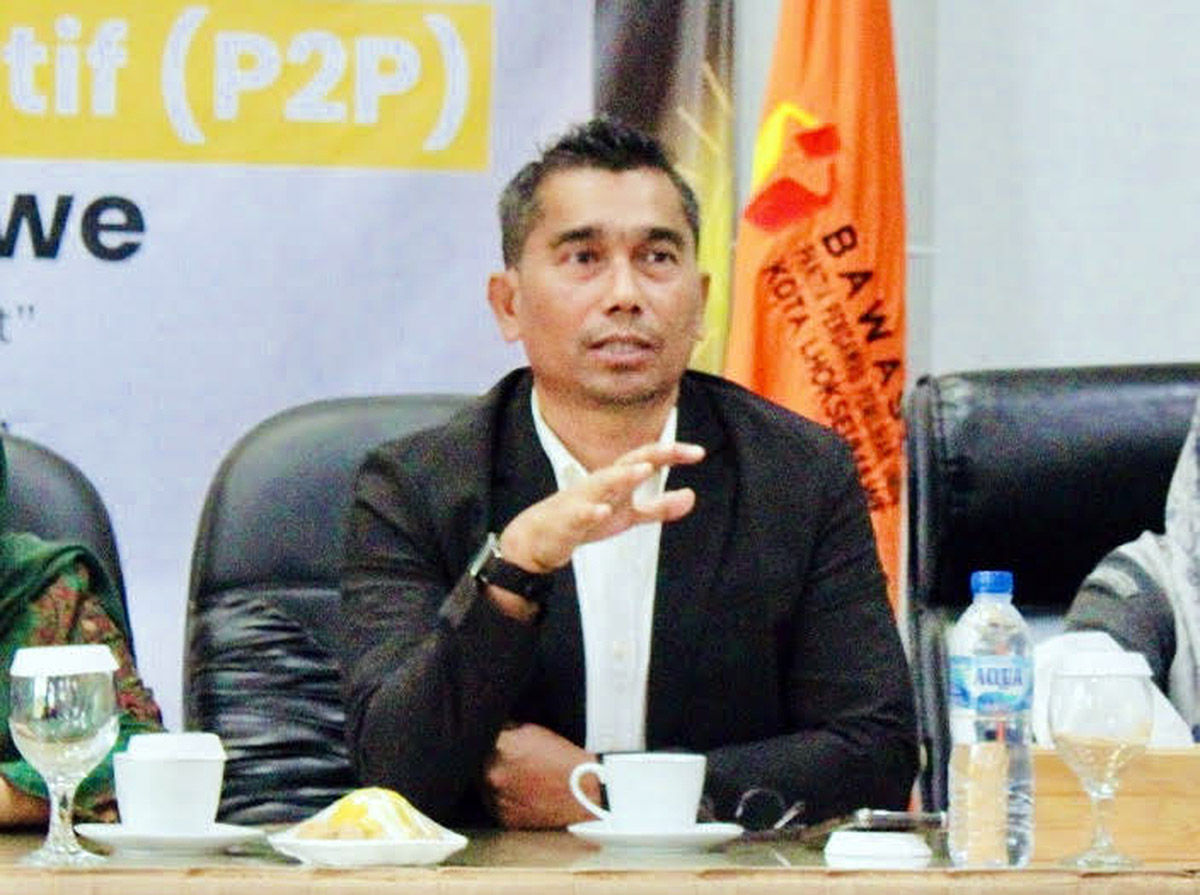
However, the Head of the Lhokseumawe City Election Supervisory Committee (Panwaslih), Dedy Syahputra, cautioned that this movement still needs to be expanded. He hopes that future participatory oversight training will involve more community members, including people with disabilities, so that every citizen has an equal opportunity to be part of the guardians of democracy.
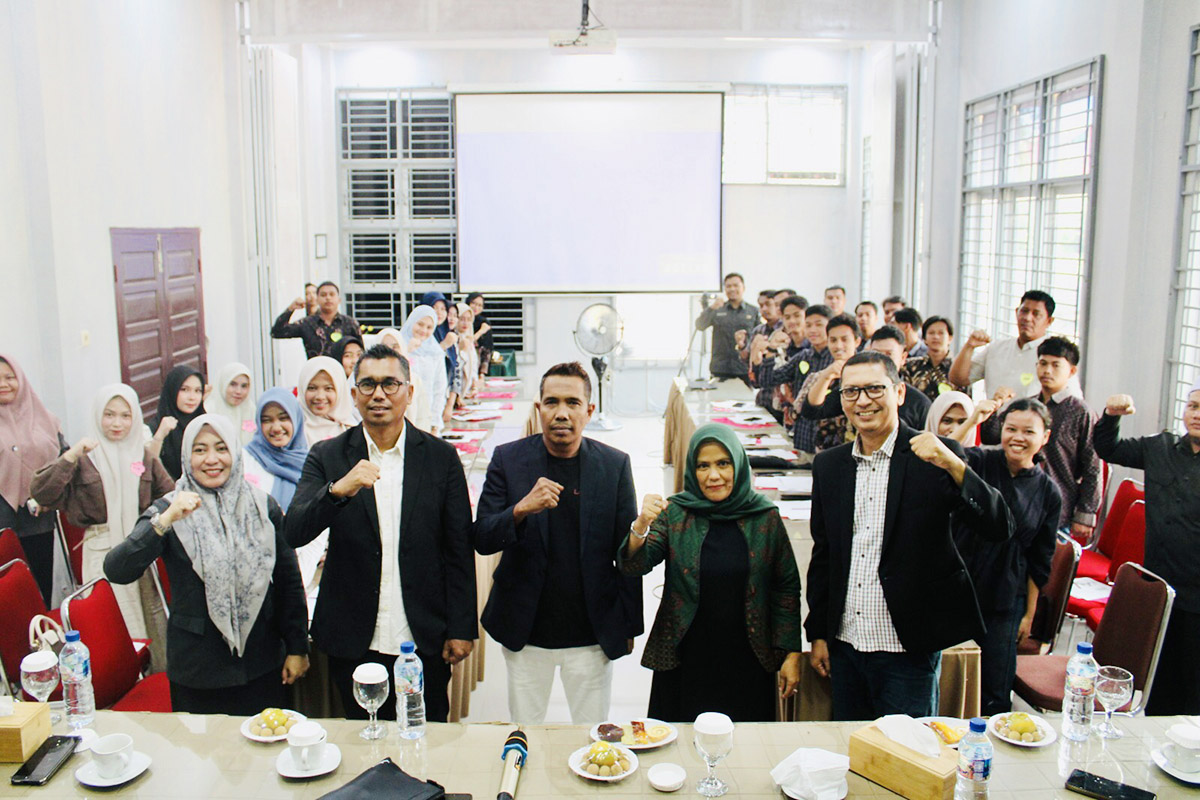
Not stopping in the training room, all participants were asked to develop follow-up plans that they would implement in their respective communities. Some planned to hold discussions on campus, conduct outreach in youth communities, and even create political education content on social media.
Completing the activity, the Head of the Aceh Higher Education Public Relations Forum, Muhammad Hatta, encouraged participants to view participatory oversight as a social movement that must be built through collaboration.
According to the lecturer at the Lhokseumawe State Polytechnic, the strength of a movement lies not only in the number of its members, but also in the networks it builds with various communities, universities, media outlets, youth organizations, and civil society.
"Consistent network building is a crucial strategy in expanding the participatory oversight ecosystem. This isn't just work during the stages; it must be built long before the stages begin," he said.
Approaching the 2029 elections, Indonesian democracy not only needs professional organizers, but also concerned citizens. From a hall in a corner of Lhokseumawe City, this step began. Through Genwaslu, dozens of young people have chosen to be the eyes that watch, the ears that hear, and the voices that remind. Because, a healthy democracy is not only born from the voting booth, but also from the courage of the people to guard it together.[]
Thank you for sharing on steem! I'm witness fuli, and I've given you a free upvote. If you'd like to support me, please consider voting at https://steemitwallet.com/~witnesses 🌟