Nigeria’s Role in the Fight Against Apartheid: African Solidarity and Historical Support
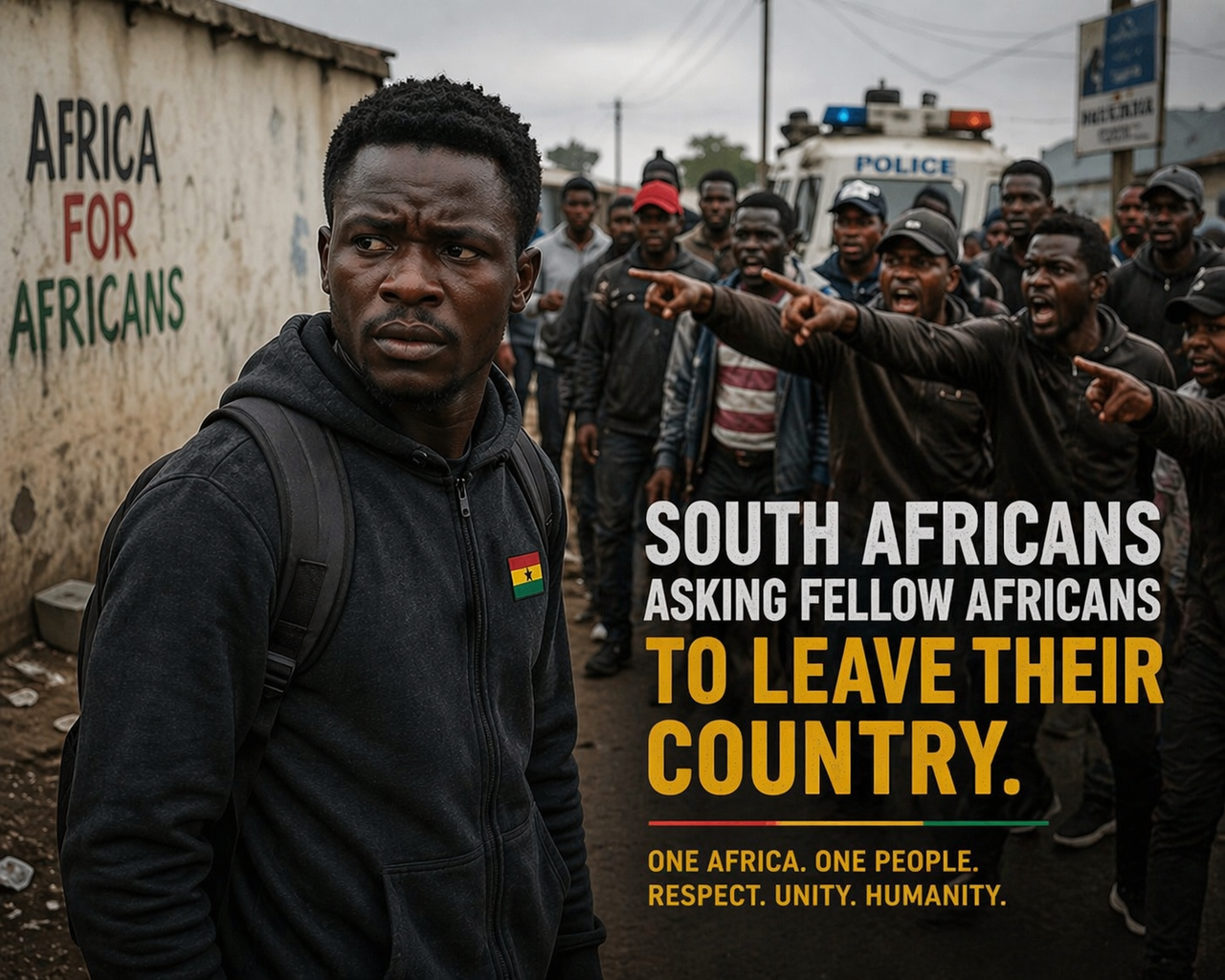
South Africans telling other African brothers and sisters to leave their country has sparked a lot of concerns online as history surfaces.
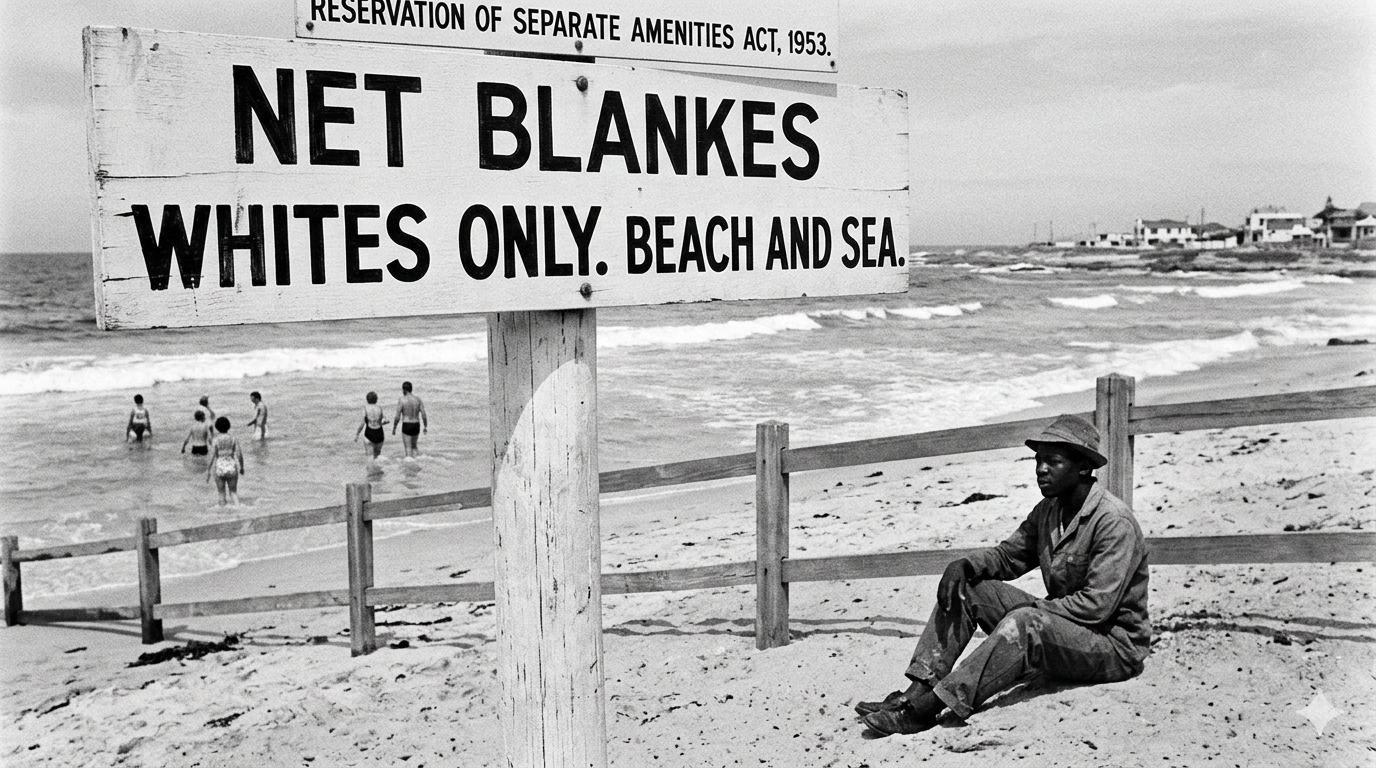
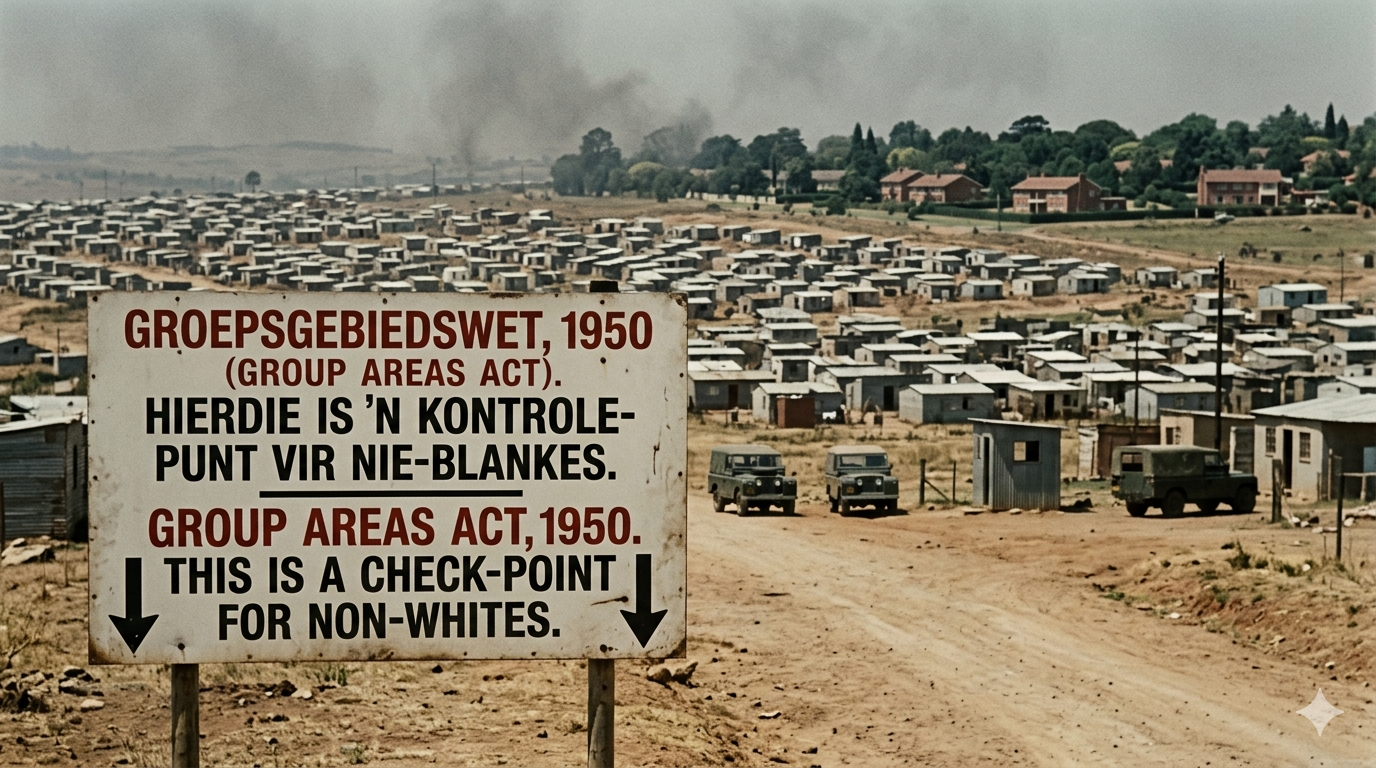
Apartheid (meaning seperate) was an official policy which lasted in South Africa from 1948 till 1990s. It was a law that kept the white minority in power and majority of blacks subjugated. They were forced to live in designated areas and also banned from certain places.
In those days, Nigeria was called a frontline state, a title usually reserved for countries that shared a border with South Africa.
In the 1970s, the Nigerian government set up what they called the South African relief fund. This was not just a case of the government taking money from the national budget. It was a national sacrifice, and in no time Nigeria raised over $10 million.
This money was used to pay for the education of South African students and to provide food and housing for the families of those who were killed or locked in jail by the apartheid police. Many South Africans who are top leaders and professionals today were raised and educated with Nigerian money.
In 1979, Nigeria made a bold and expensive move to prove they were serious. They decided to take over the assets of British Petroleum, which we all know today as BP. They did this because the company was supporting the apartheid government. Nigeria also took over a major international bank for the same reasons.
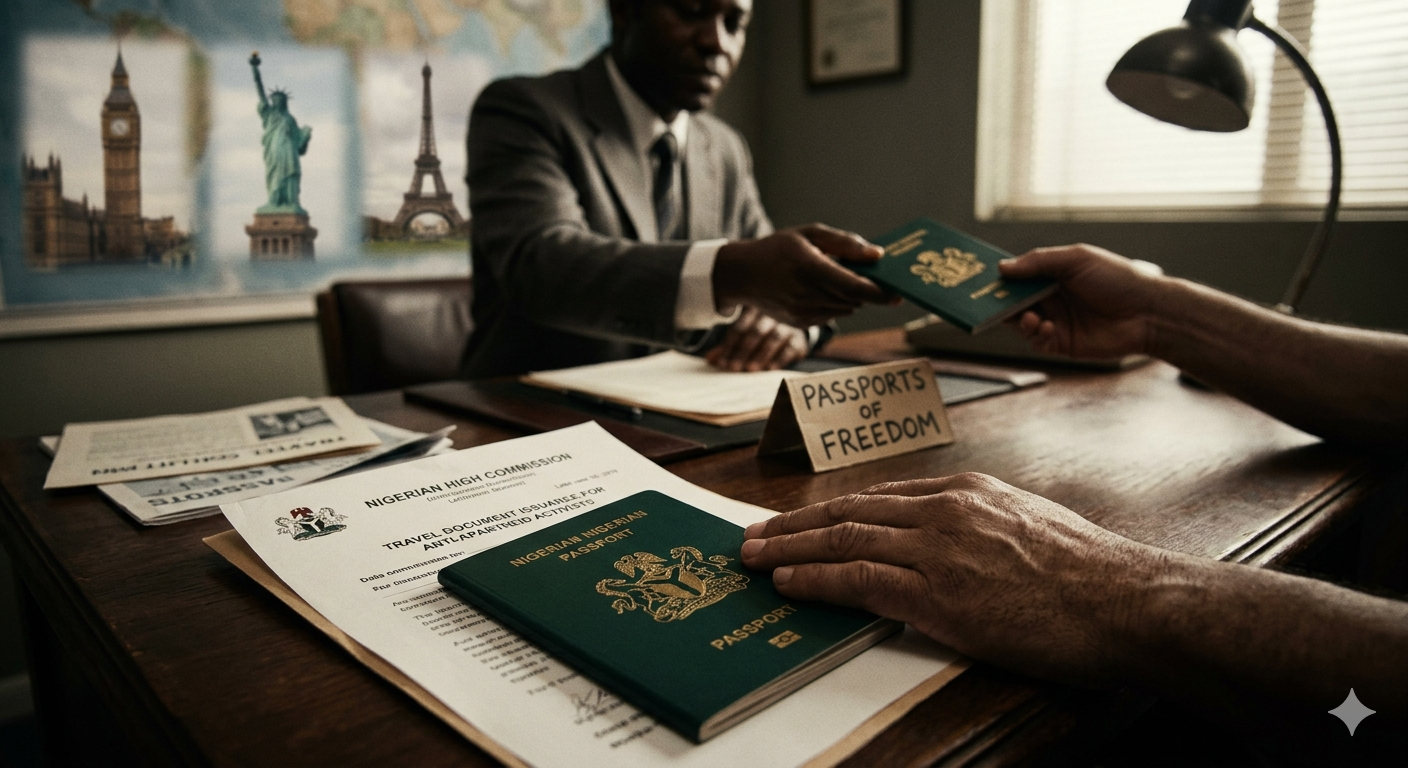
Since the apartheid government had taken away the passport and citizenship of some activists who were stuck and could not travel the world to fight the apartheid. Nigeria stepped in and issued Nigerian passport to many South African activist. These Nigerian documents were what these leaders used to travel to London, New York and Paris to meet with world leaders and gather support for their cause. Without this passport, many of the freedom fighters would have been trapped inside or outside their country with no way to speak up.
In 1978, Nigeria showed it leadership again by leading a boycott of the Commonweight games as some countries involved in South Africa apartheid era. As a result of this, 30 countries withdrew from the game.
Beyond the big politics, Nigeria was a home for many. They provided free university education for hundreds of South African refugees at a time when black people in South Africans were only allowed to receive banto education which was a limited form of education.
These students lived in Nigerian dormitories for years and the government paid for their flight ticket, their tuition, their books and even their monthly feeding allowance. Nigeria also supported the ANC and it allowed the ANC to reach people inside South Africa through radio freedom broadcast.
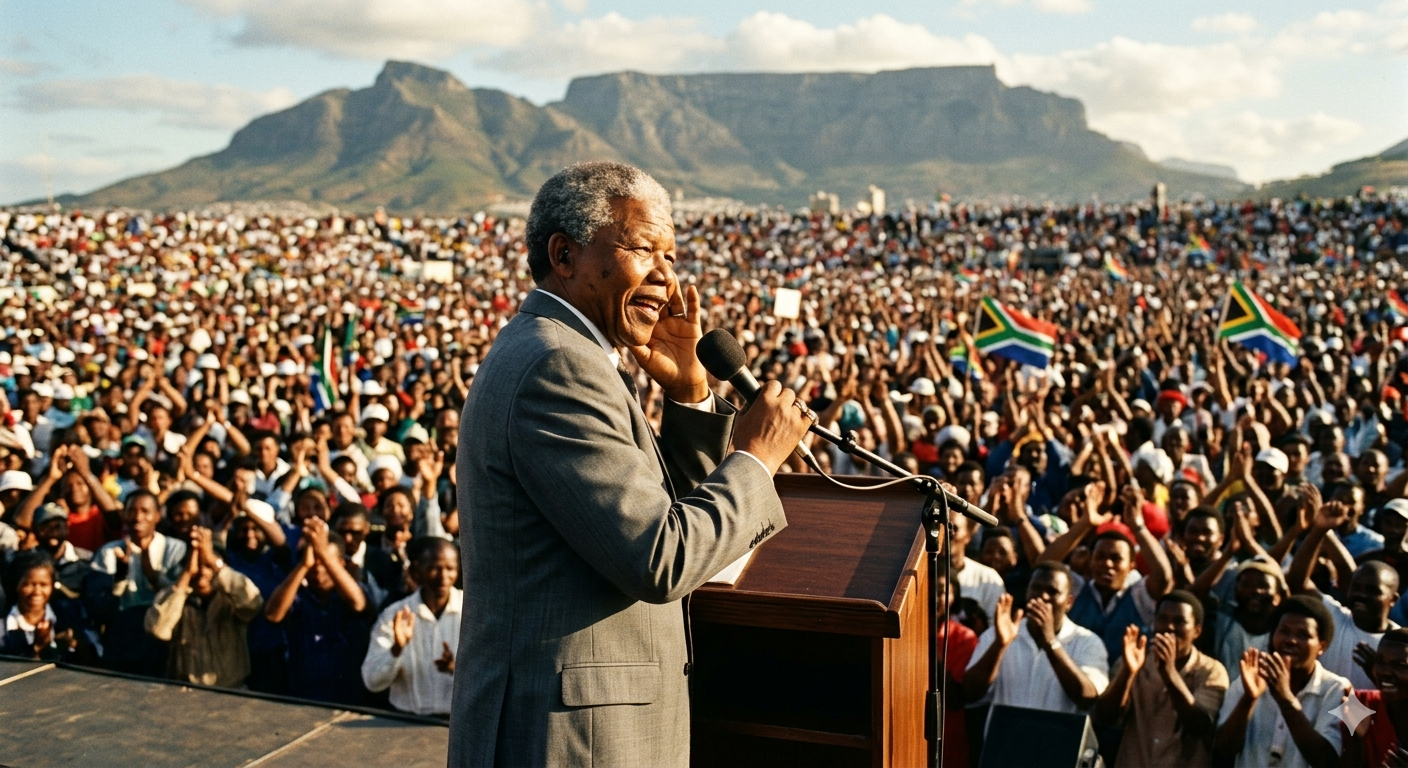
In 1990, Nelson Mandela was set free from prison. He visited Nigeria to show appreciation for the support South African received during the apartheid era.
The freedom South Africa enjoy today is a victory that was heavily supported and by Nigeria. See that time Nigeria was powerful and influential. Nigeria was like the big brother to other African countries.
Follow me for more updates on this............
You can also check out my post on:
| Written by @obikay | Post link |
|---|---|
 | Africans Against Africans: What Is Really Happening in South Africa? |



🎉 Congratulations!
Your post has been upvoted by the SteemX Team! 🚀
SteemX is a modern, user-friendly and powerful platform built for the Steem community.
🔗 Visit us: www.steemx.org
✅ Support our work — Vote for our witness: bountyking5
Promoted on X:
Thank you the upvote ❤️. I appreciate 😊