Entertainment Blog #410 | The Devil Wears Prada [2006] : More Than Fashion, It's About Ambition
When it comes to workplace comedies, most stories focus on learning the ropes, dealing with difficult bosses, and eventually finding success. But every once in a while, a film comes along that turns an ordinary job into a life-changing experience. The Devil Wears Prada may be set in the glamorous world of high fashion, but beneath the designer clothes and luxury brands lies a story about ambition, identity, and the sacrifices people make in pursuit of success.
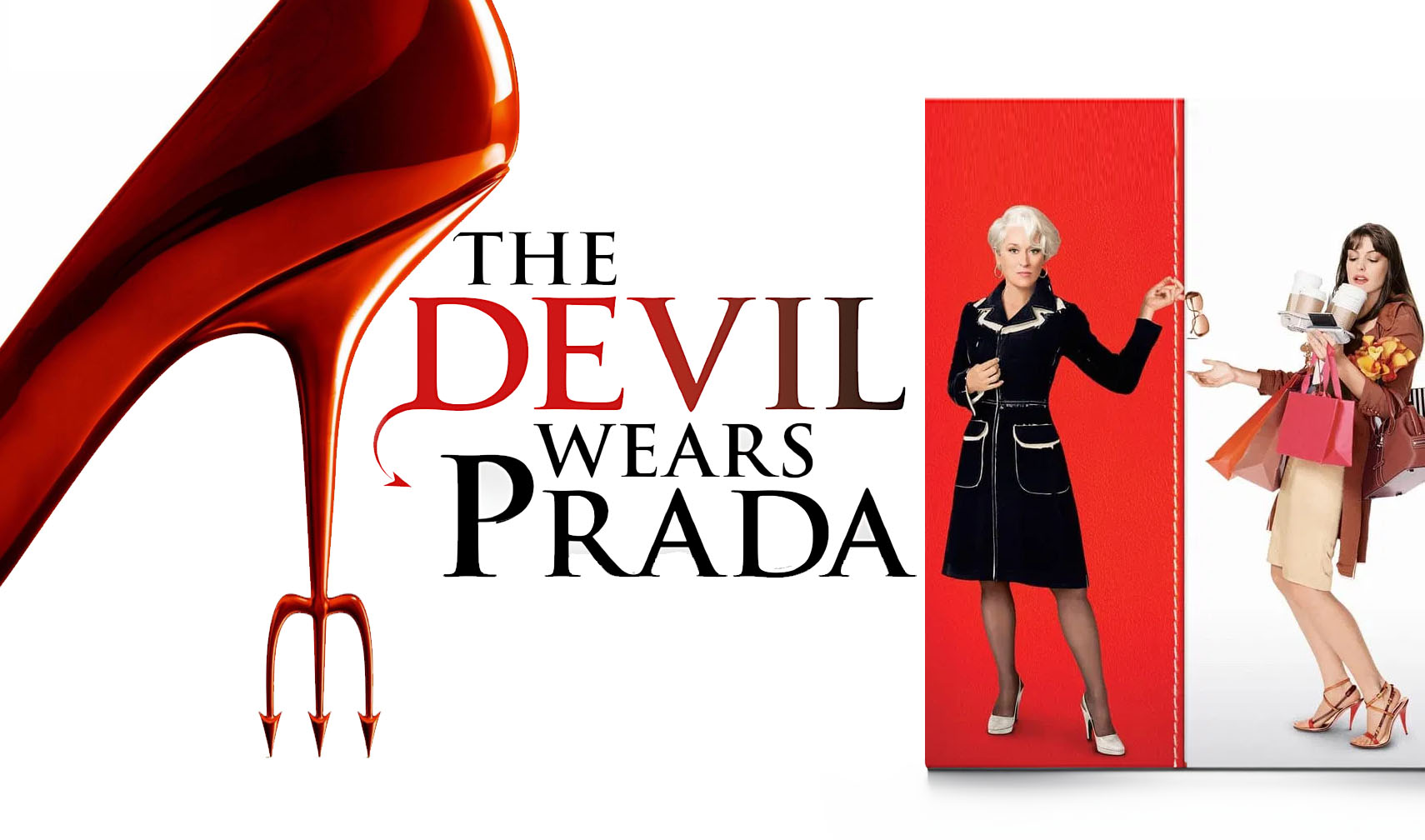
"The Devil Wears Prada" (2006) is a #comedy #drama #fashion #movie directed by David Frankel and based on Lauren Weisberger's bestselling novel of the same name. The film stars Anne Hathaway as Andy Sachs, Meryl Streep as the formidable Miranda Priestly, alongside Emily Blunt, Stanley Tucci, Simon Baker, Adrian Grenier, and Gisele Bündchen. Running for 109 minutes, the film was released by 20th Century Fox in June 2006 and quickly became one of the most iconic workplace dramas of its generation.
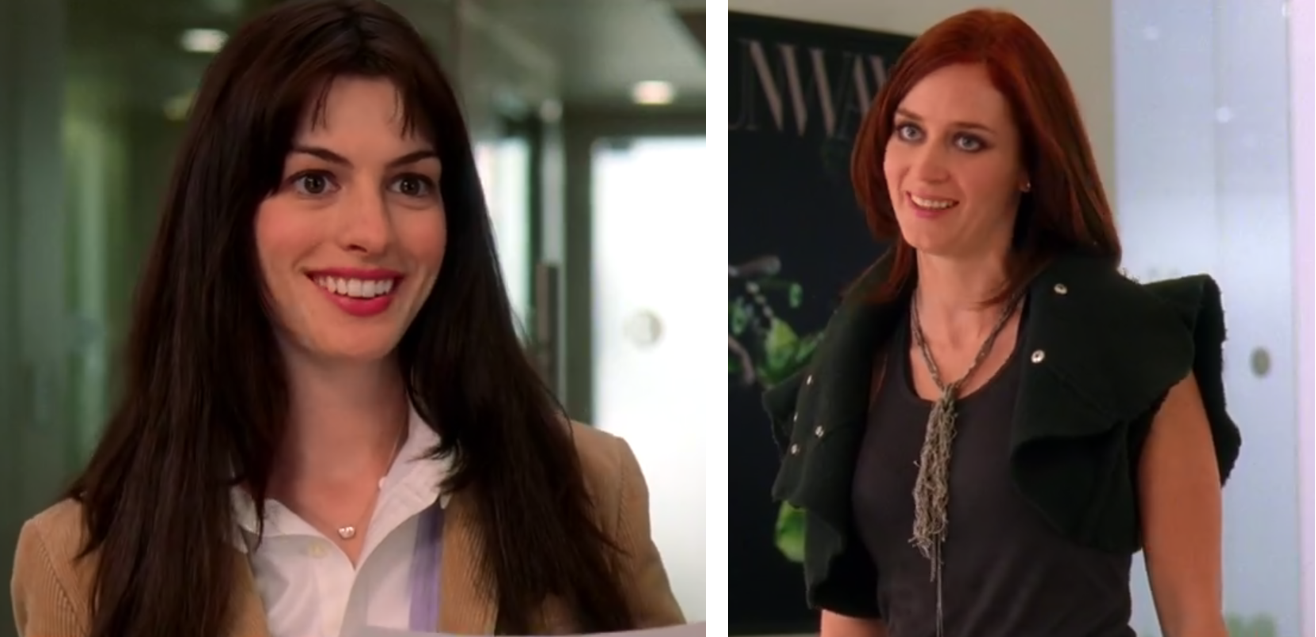
The story follows Andy Sachs, a recent journalism graduate who unexpectedly lands a job as the junior assistant to Miranda Priestly, the powerful editor-in-chief of the prestigious fashion magazine Runway. Although Andy has little interest in fashion and initially views the position as just another stepping stone toward her dream career, she soon discovers that working for Miranda is unlike anything she ever imagined. Every task becomes a test, every mistake carries consequences, and the pressure to meet impossible expectations begins to reshape both her professional and personal life.
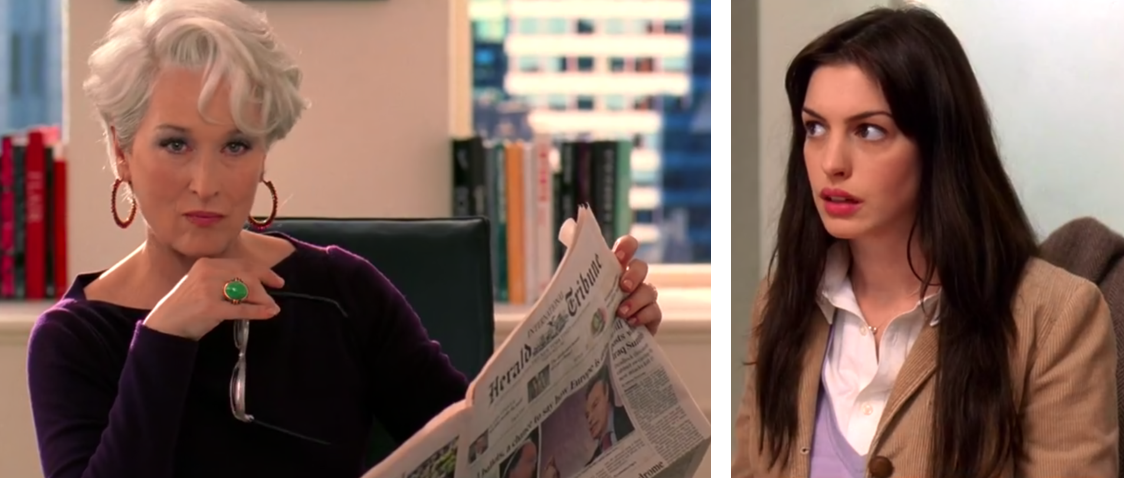
As Andy gradually adapts to the demanding world of high fashion, the film shifts from a simple fish-out-of-water comedy into a compelling character journey. She becomes more confident, capable, and respected within the industry, but those achievements come at a personal cost. Relationships begin to suffer, priorities change, and Andy is forced to question whether success is worth sacrificing the person she used to be. Rather than portraying Miranda as a one-dimensional villain, the film presents her as a complex leader whose relentless pursuit of excellence inspires both admiration and fear.
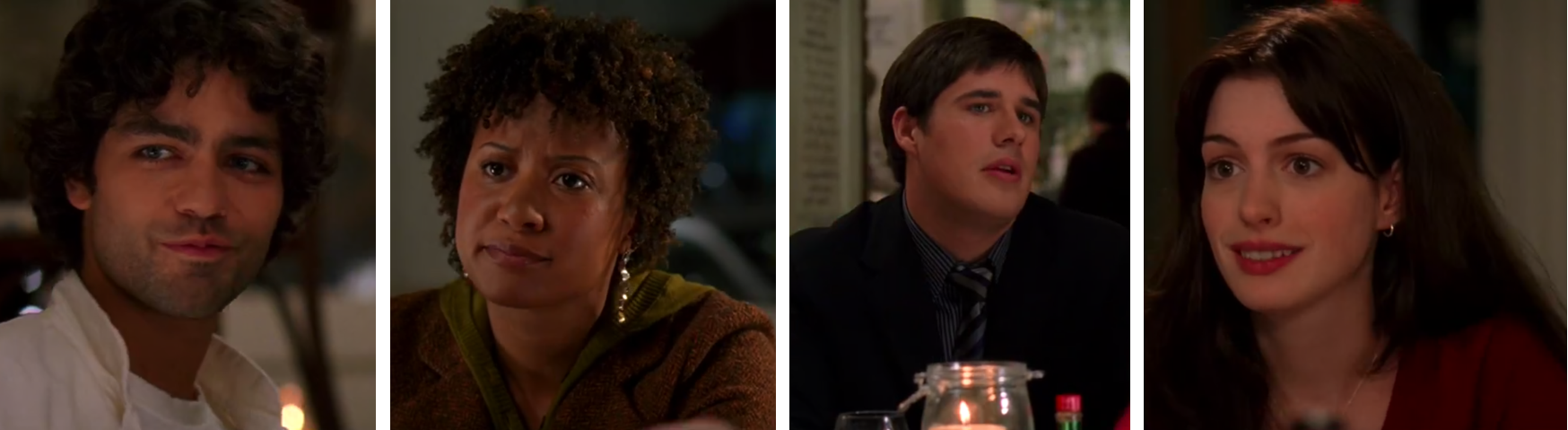
Beyond its stylish exterior, The Devil Wears Prada explores themes of ambition, work-life balance, identity, and the pressure to succeed. It examines how demanding careers can blur the line between professional achievement and personal fulfillment, while also highlighting the expectations placed on women in positions of power. The film doesn't offer easy answers. Instead, it encourages viewers to reflect on what success truly means and whether achieving it is worth the compromises that often come with it.
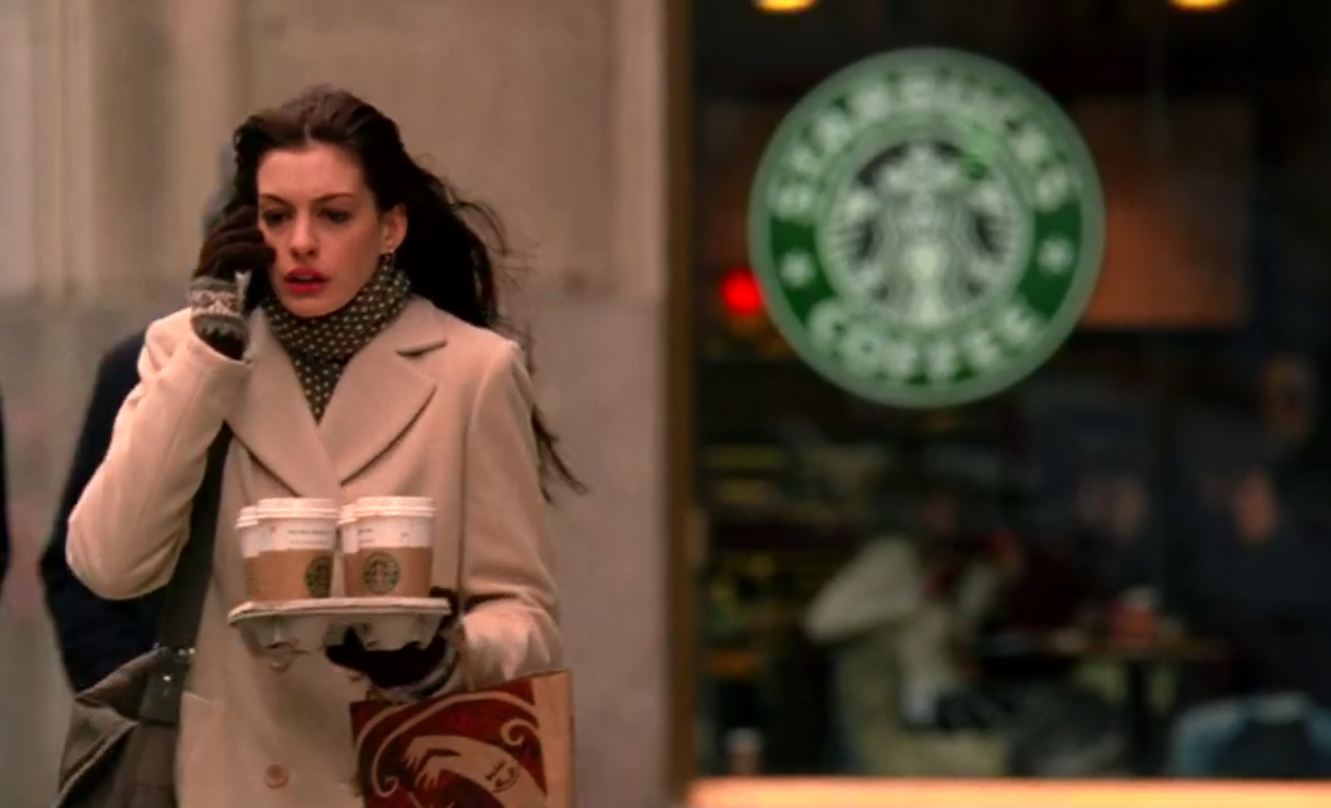
What stood out most after watching the film was how timeless its characters remain. Meryl Streep delivers one of the finest performances of her career, transforming Miranda Priestly into a character who is intimidating, intelligent, and surprisingly layered. It's easy to see why the role has become one of cinema's most memorable. Anne Hathaway perfectly captures Andy's transformation from an inexperienced newcomer to a confident professional, while Emily Blunt provides plenty of humor with her sharp wit and impeccable comedic timing. Stanley Tucci also shines as Nigel, offering some of the film's warmest and most heartfelt moments. Even after nearly two decades, the performances still feel fresh and engaging.
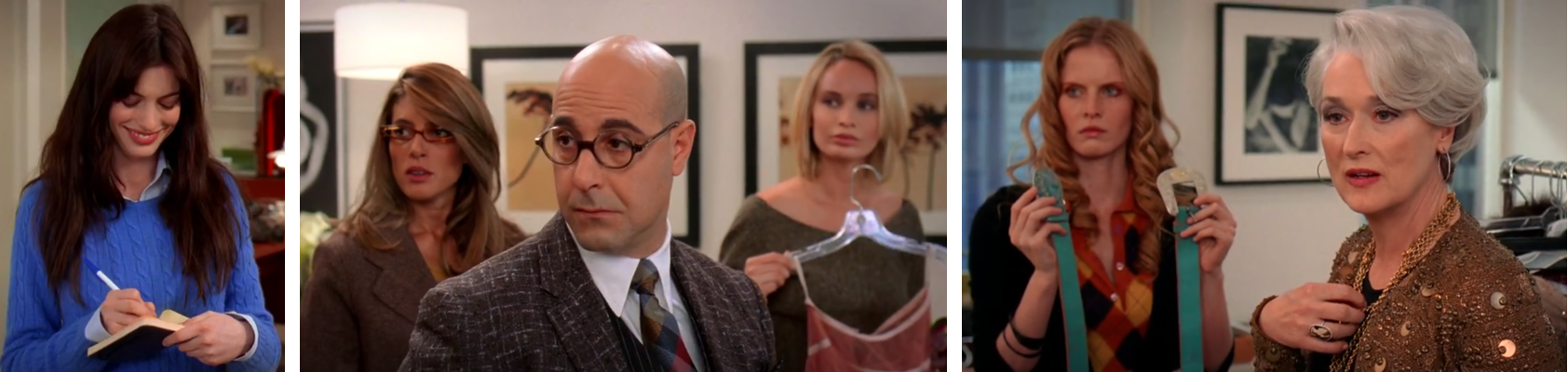
From a production standpoint, the film was made on a reported budget of around $35 million and became a massive commercial success, grossing over $326 million worldwide. Much of its authenticity came from its close ties to the fashion industry, featuring costumes from renowned designers and showcasing real luxury brands throughout the film. Meryl Streep's performance earned her an Academy Award nomination for Best Actress, while the film itself became a cultural phenomenon that continues to influence fashion, workplace culture, and popular media.
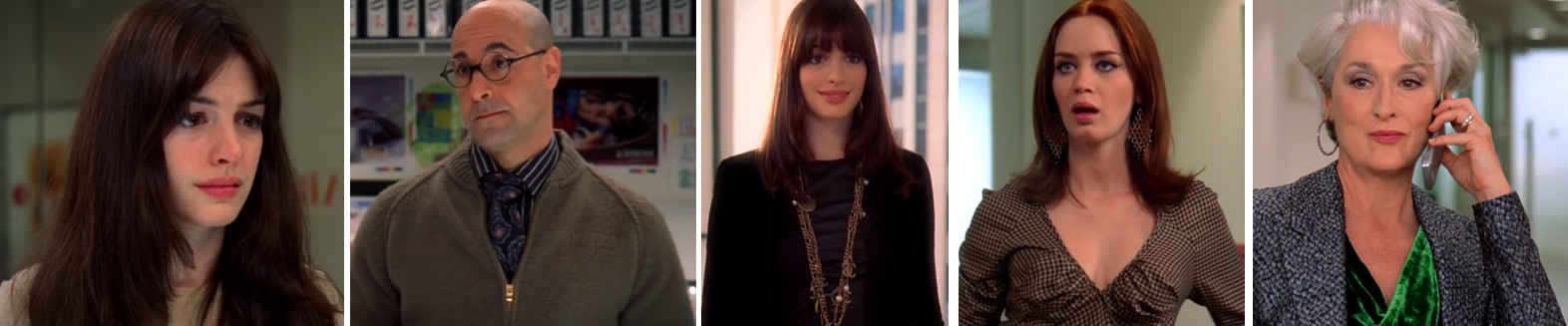
Critically, The Devil Wears Prada received widespread acclaim, particularly for Meryl Streep's performance, which many consider one of the greatest of her career. Critics praised the film's clever screenplay, sharp humor, and strong performances, while audiences connected with its relatable themes about career ambitions and personal growth. Although some reviewers felt the story followed familiar coming-of-age beats, the film's memorable characters and timeless message helped elevate it far beyond a typical workplace comedy. Today, it remains one of the defining films of the 2000s and a favorite among both fashion enthusiasts and general audiences alike.
So can Andy succeed in one of the most demanding jobs imaginable without losing herself in the process? Is Miranda Priestly truly the villain she's made out to be or simply the product of an unforgiving industry? And when ambition and personal happiness collide, which one is truly worth choosing? It's up to you to find out.