Entertainment Blog #428 | Kraken [2026] : When Nature Decides to Fight Back
When it comes to monster movies, the formula is usually straightforward. A mysterious creature appears, chaos follows, and a group of people must find a way to survive. But the best films in the genre aren't just about giant monsters—they're about the consequences of human actions. Kraken takes that familiar creature-feature formula and blends it with environmental themes, turning an ancient sea legend into a modern cautionary tale about how far humanity is willing to push nature before it pushes back.
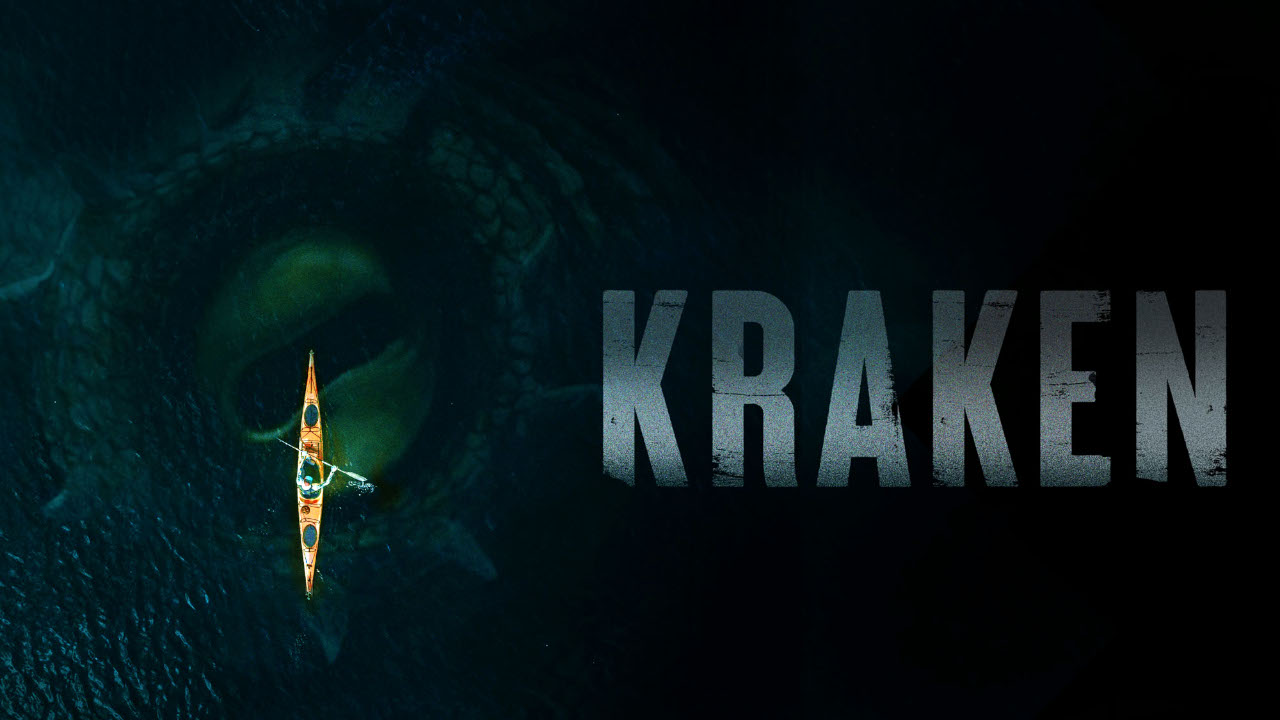
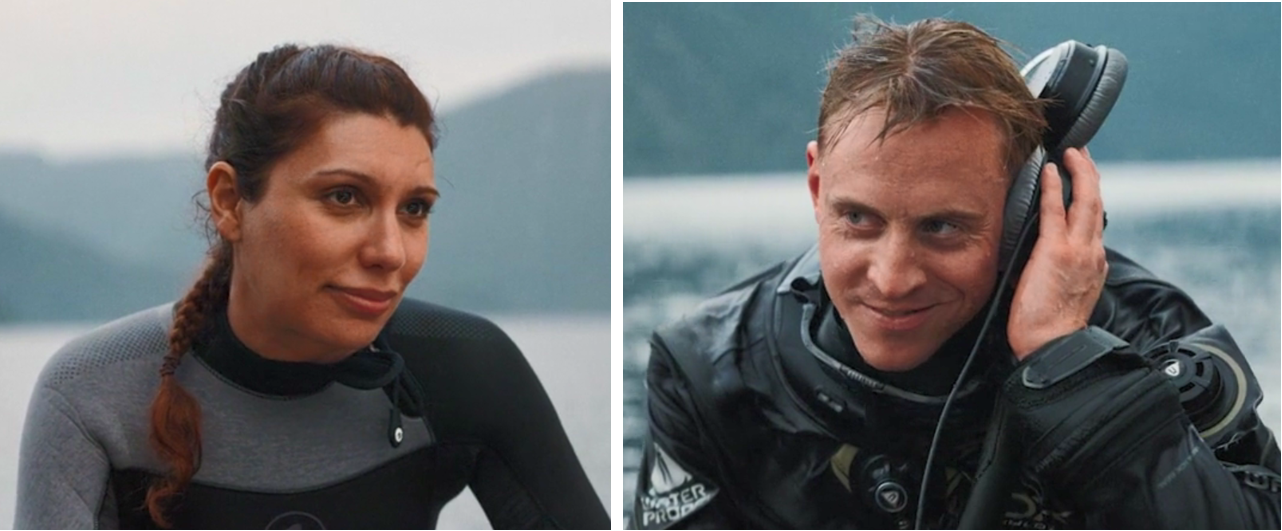
"Kraken" (2026) is a #action #thriller #monster #horror #movie directed by Pål Øie. The Norwegian film stars Sara Khorami as marine biologist Johanne, alongside Mikkel Bratt Silset, Ingvild Holthe Bygdnes, Øyvind Brandtzæg, and Jenny Evensen. Running for approximately 100 minutes, the film was released in Norway before receiving an international release through Samuel Goldwyn Films, bringing Scandinavian folklore to the big screen with a modern twist.
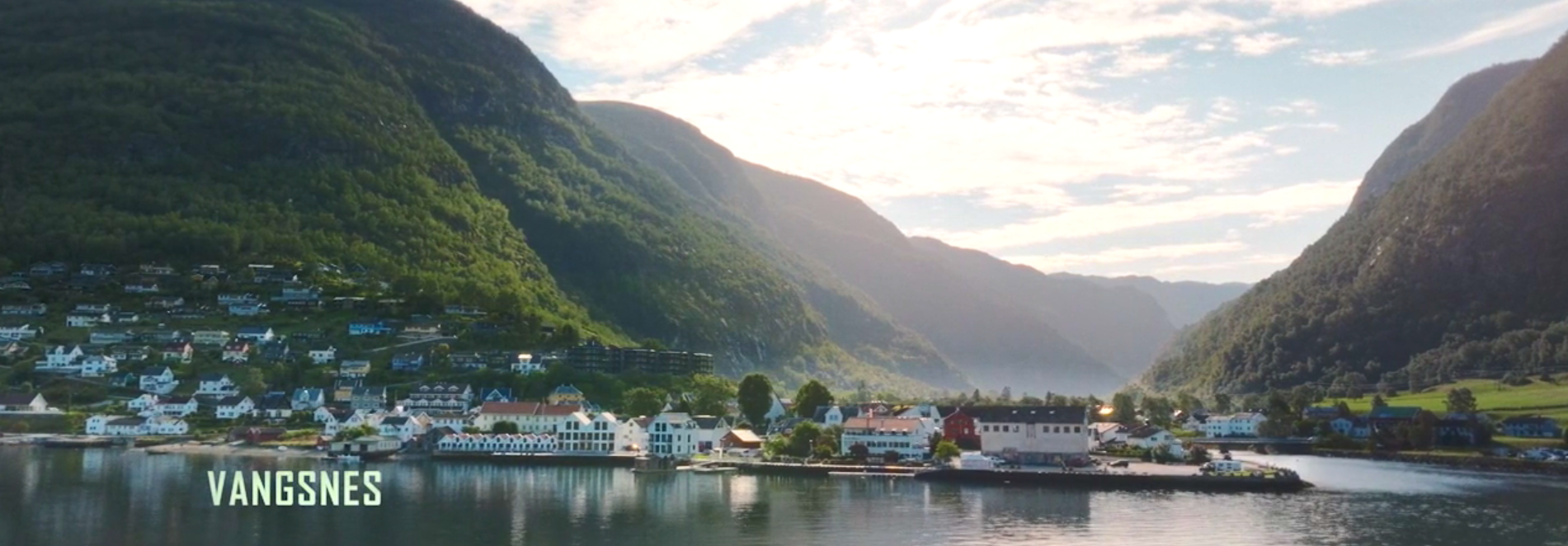
The story follows Johanne, a marine biologist who arrives at a remote Norwegian fjord to investigate a series of strange incidents affecting a local salmon farm. What initially appears to be an environmental issue quickly escalates after several unexplained deaths begin to shake the small coastal community. As more evidence surfaces, it becomes clear that something enormous is lurking beneath the water—something that has remained hidden for centuries but has now been awakened.
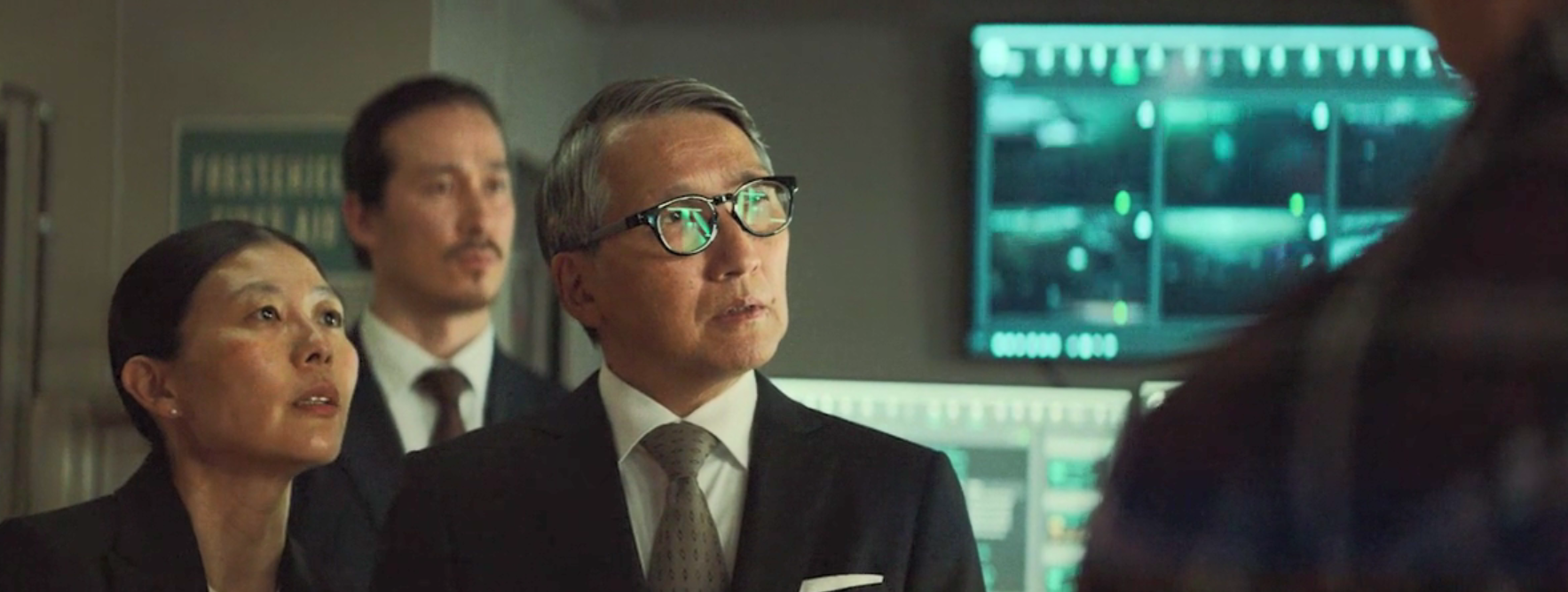
As the investigation continues, the film gradually shifts from mystery to full-scale survival thriller. Rather than revealing its creature immediately, Kraken spends much of its runtime building tension through eerie disappearances, unsettling underwater sequences, and the growing fear among the townspeople. Once the legendary beast finally emerges, the story raises the stakes considerably, forcing Johanne and those around her to confront a threat that science alone cannot explain. While the premise feels familiar to anyone who's watched classic monster movies, the Scandinavian setting and mythology give it a distinct atmosphere.
There's also an environmental message running beneath the surface. The film explores humanity's relationship with nature, suggesting that reckless exploitation of the environment can have consequences beyond our imagination. Industrial fish farming, technological interference, and corporate greed all play important roles in the narrative, making the Kraken feel less like a random monster and more like a symbol of nature restoring balance. Although the message is delivered quite directly at times, it fits naturally within the story and gives the film something more to say than simply showcasing giant tentacles attacking people.
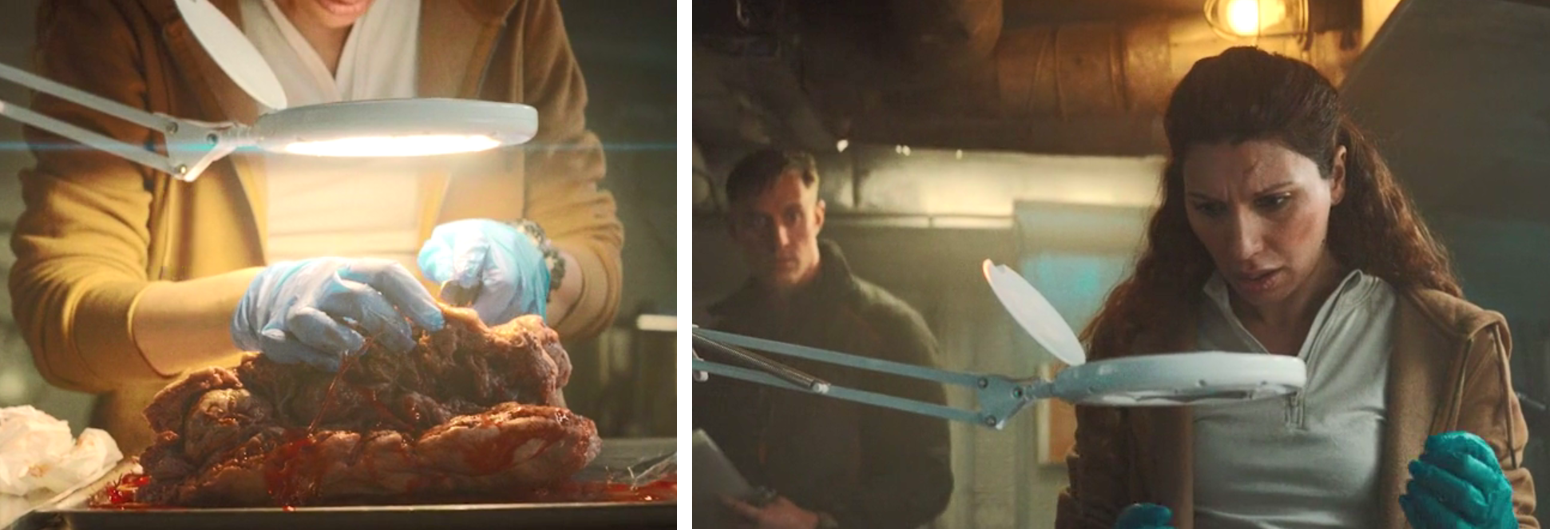
What stood out most after watching the film was its atmosphere. Norway's breathtaking fjords provide an incredible backdrop that constantly reminds you how isolated the characters are, and the cinematography makes excellent use of the landscape. Sara Khorami delivers a grounded performance that helps keep the story emotionally engaging, while the suspenseful first half does a solid job of building anticipation. However, the film isn't without its flaws. The pacing occasionally slows down, and viewers expecting nonstop creature action may find themselves waiting longer than expected for the Kraken to take center stage. Even so, when the creature does appear, the action sequences are entertaining enough to reward the slow build-up.
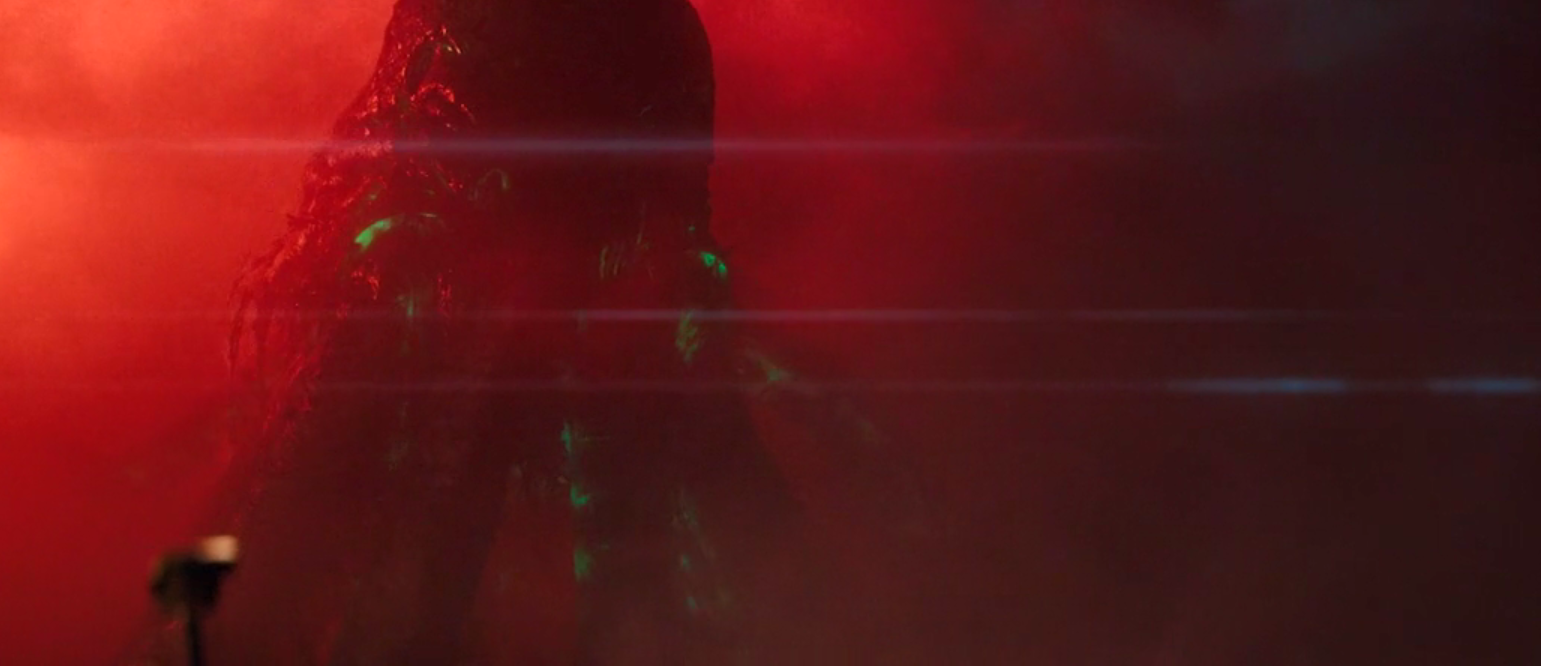
From a production standpoint, Kraken was produced by Handmade Films in Norwegian Woods and showcases an ambitious blend of practical locations and visual effects. While it wasn't a large Hollywood blockbuster, the film made effective use of its Norwegian setting to create a sense of realism and scale. Its international distribution introduced the movie to a wider audience, especially fans of creature features looking for something outside the usual Hollywood formula.
Critically, the film received mixed reviews. Many reviewers praised its beautiful cinematography, environmental themes, and atmospheric tension, with comparisons to classics like Jaws for the way it keeps the creature hidden during much of the runtime. Others, however, felt the pacing was uneven and wished the Kraken itself had been featured more prominently. Audience reactions have been similarly divided. Fans of slow-burn monster movies generally appreciated its suspense and setting, while others expected a faster-paced creature feature with more action. Overall, it may not reinvent the genre, but it offers an enjoyable Scandinavian take on the classic monster movie formula.
So can Johanne uncover the truth before the creature claims more lives? Is the Kraken simply a monster, or the consequence of humanity's own actions? And when nature finally decides to fight back, how far can people go before survival becomes impossible? It's up to you to find out.