Tech Blog #258 | Sony Xperia 1 VIII : Sony Finally Changes, But Refuses to Fully Follow the Market
The Sony Xperia 1 VIII feels like one of the most important Xperia releases in years. #Sony finally changes the design language that stayed almost untouched since the Xperia 1 II, while also upgrading one of the biggest weaknesses of previous Xperia phones, the telephoto camera. At the same time, Sony still refuses to completely follow mainstream smartphone trends, which makes this phone either refreshing or frustrating, depending on the type of user.
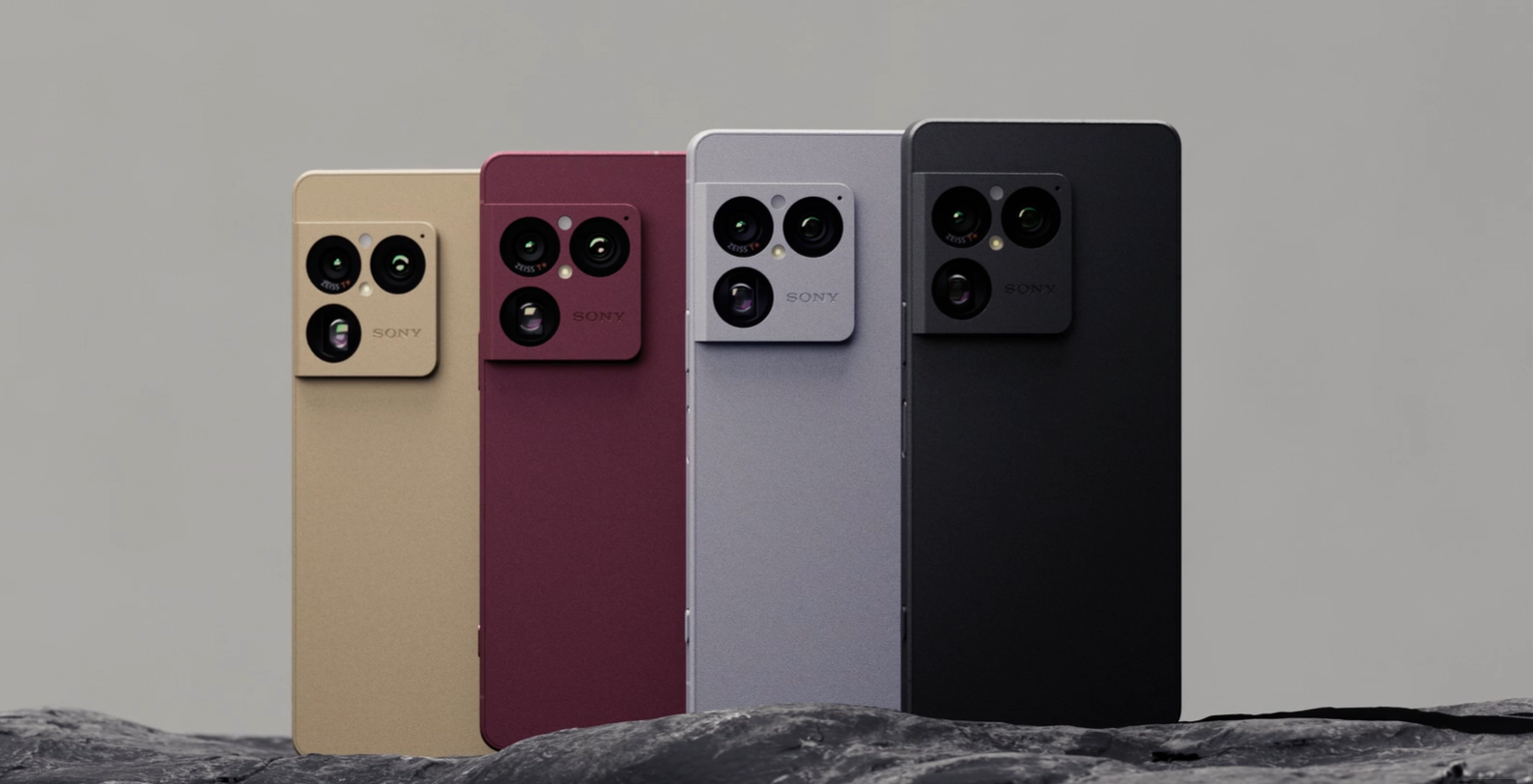
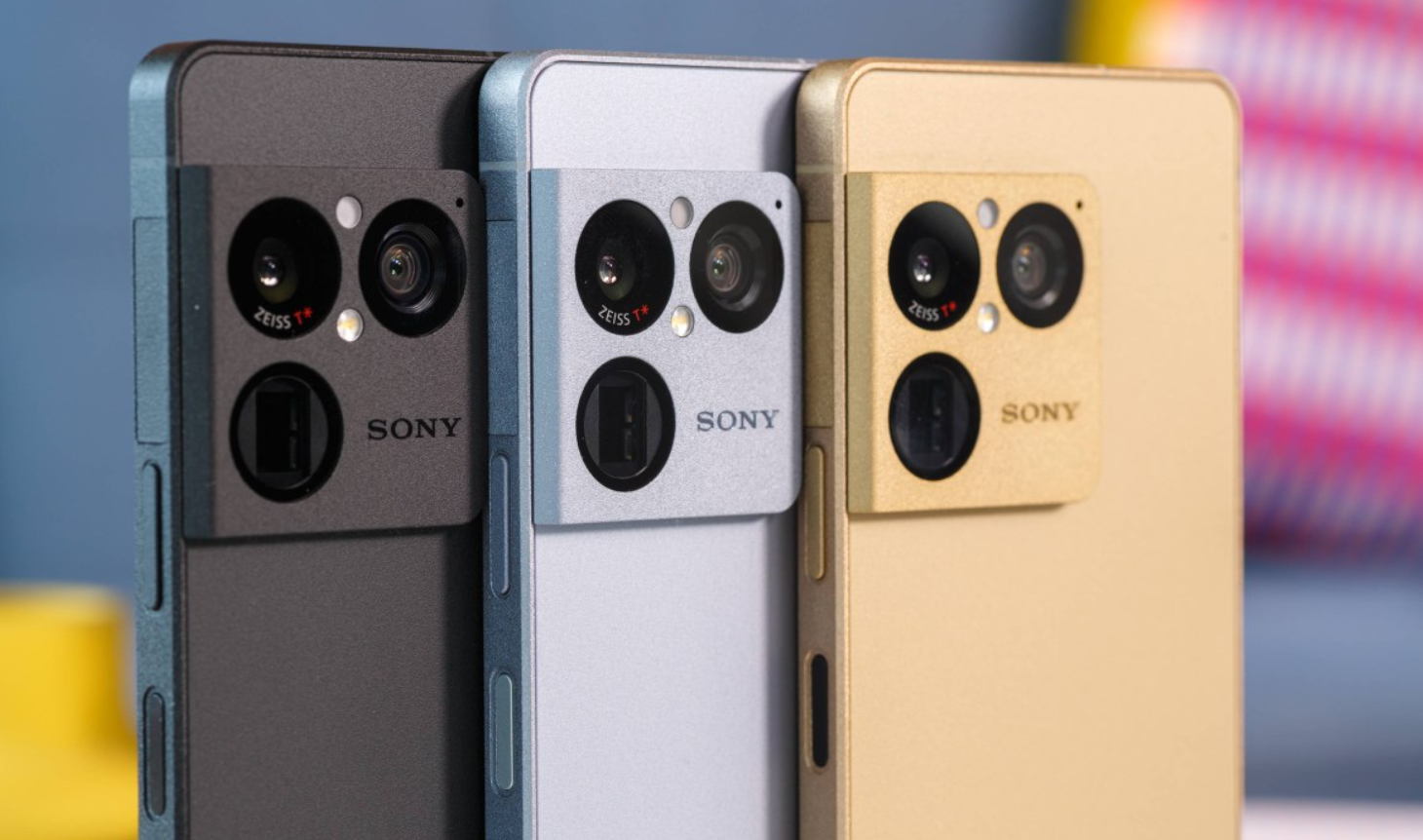
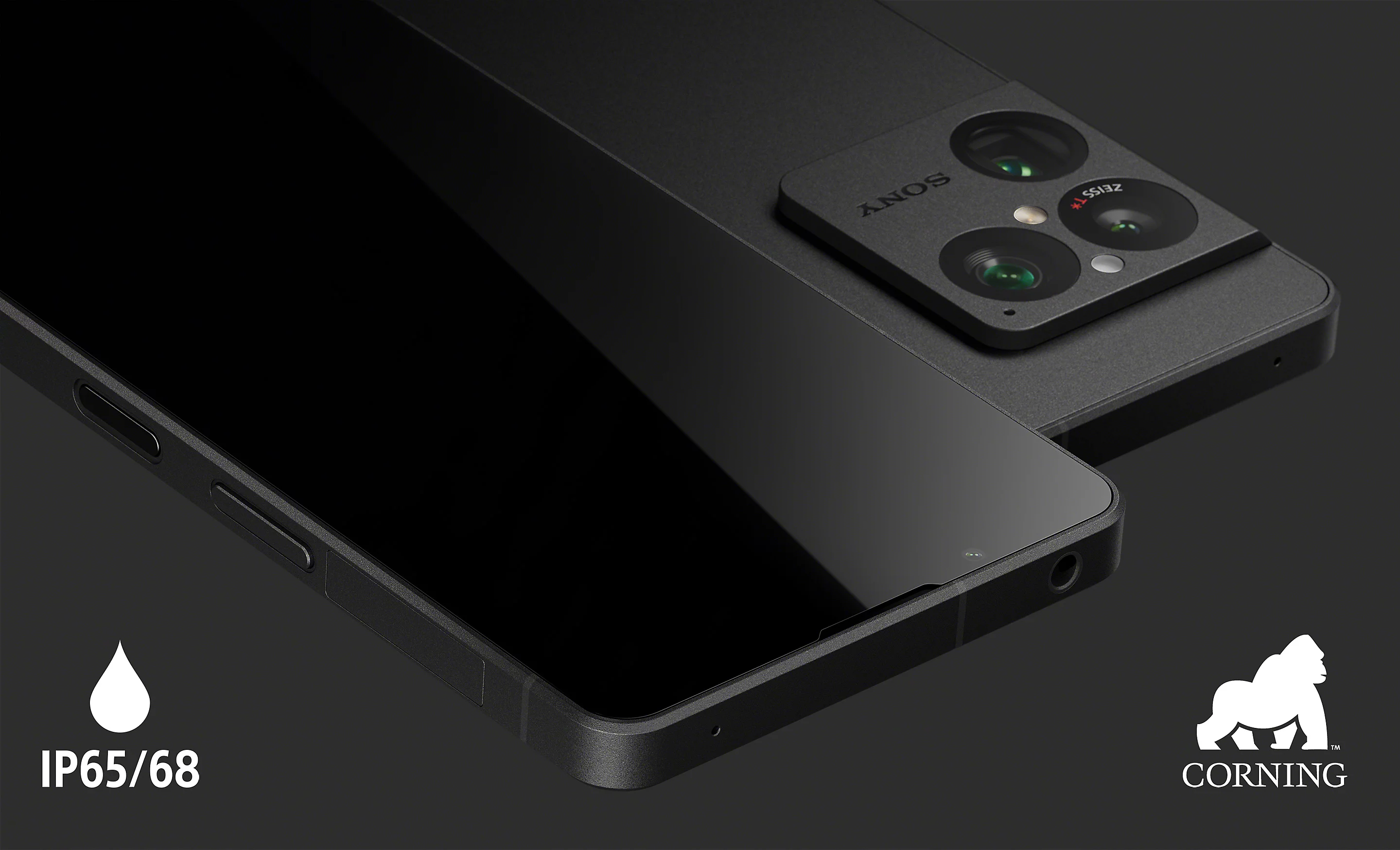
The design is the first major change. Sony moves away from the old vertical camera strip and introduces a larger square-shaped camera island. Some users like the refreshed look, while others think it loses part of Xperia’s unique identity. The phone still keeps classic Xperia elements like flat sides, stereo speakers, and a no-punch-hole display. That uninterrupted display remains one of Xperia’s biggest advantages for media consumption. Sony also keeps features most brands abandoned years ago, including a 3.5mm headphone jack and microSD card expansion up to 2TB.
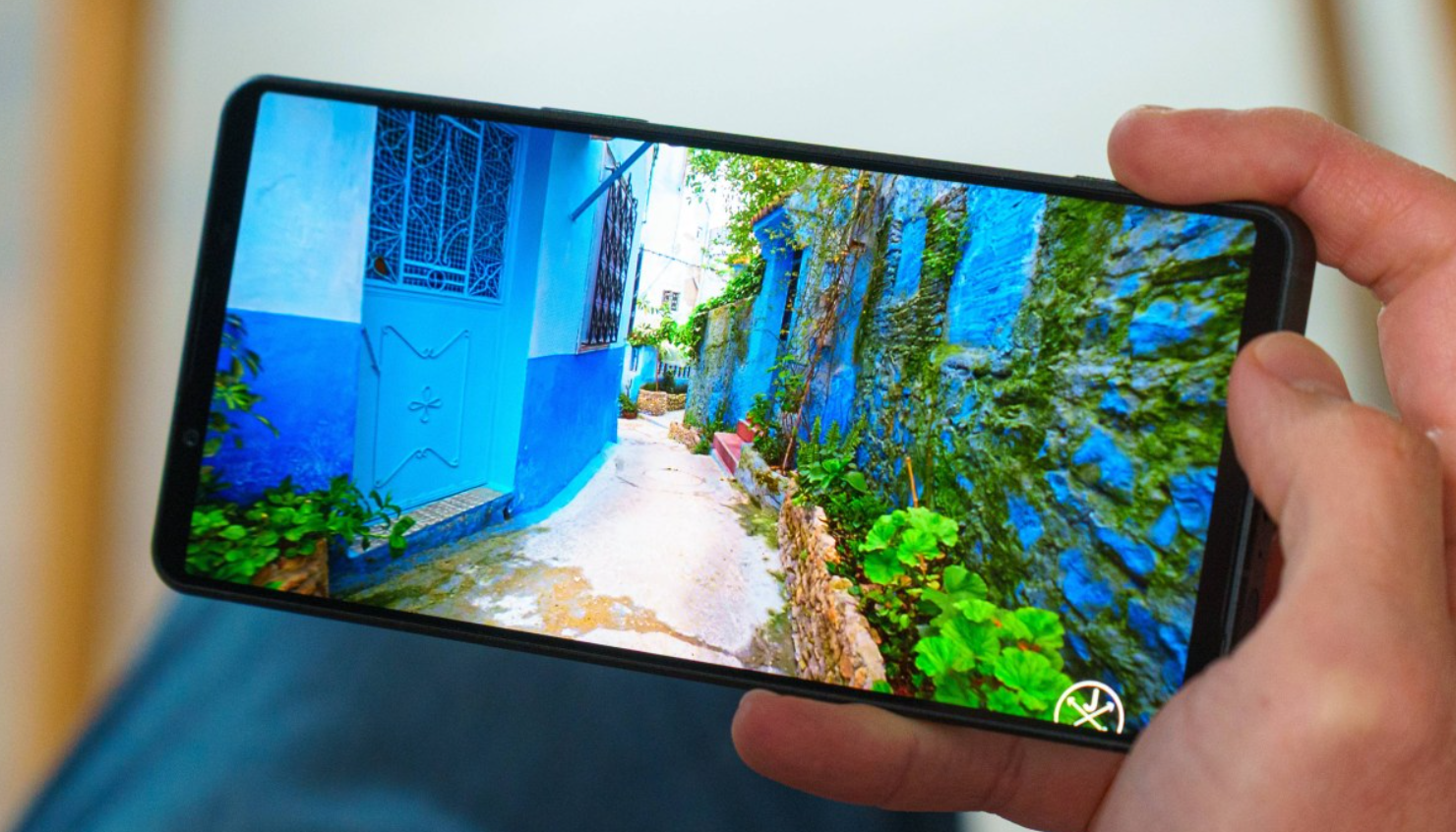
The display remains very “Sony” in philosophy. You get a 6.5-inch LTPO OLED panel with up to 120Hz refresh rate and HDR support. Sony continues prioritizing accurate colors and creator-focused tuning rather than exaggerated saturation. However, this is also where some compromises become harder to ignore. The resolution is still only Full HD+ instead of 2K or 4K, which feels less impressive considering the premium pricing. The bezels are also thicker than most flagship competitors because Sony keeps front-facing stereo speakers and avoids punch hole cutouts. Some users will appreciate that choice, while others will see it as outdated.
Performance is flagship level without question. The phone runs on the #Snapdragon 8 Elite Gen 5 chipset paired with up to 16GB RAM and 1TB UFS 4.1 storage. In normal usage, this is extremely fast and smooth. Gaming, multitasking, video editing, and heavy applications are handled without issues. However, thermal management still seems to be a weakness. Early reviews already mention noticeable throttling under heavy sustained load, which is disappointing at this price level.
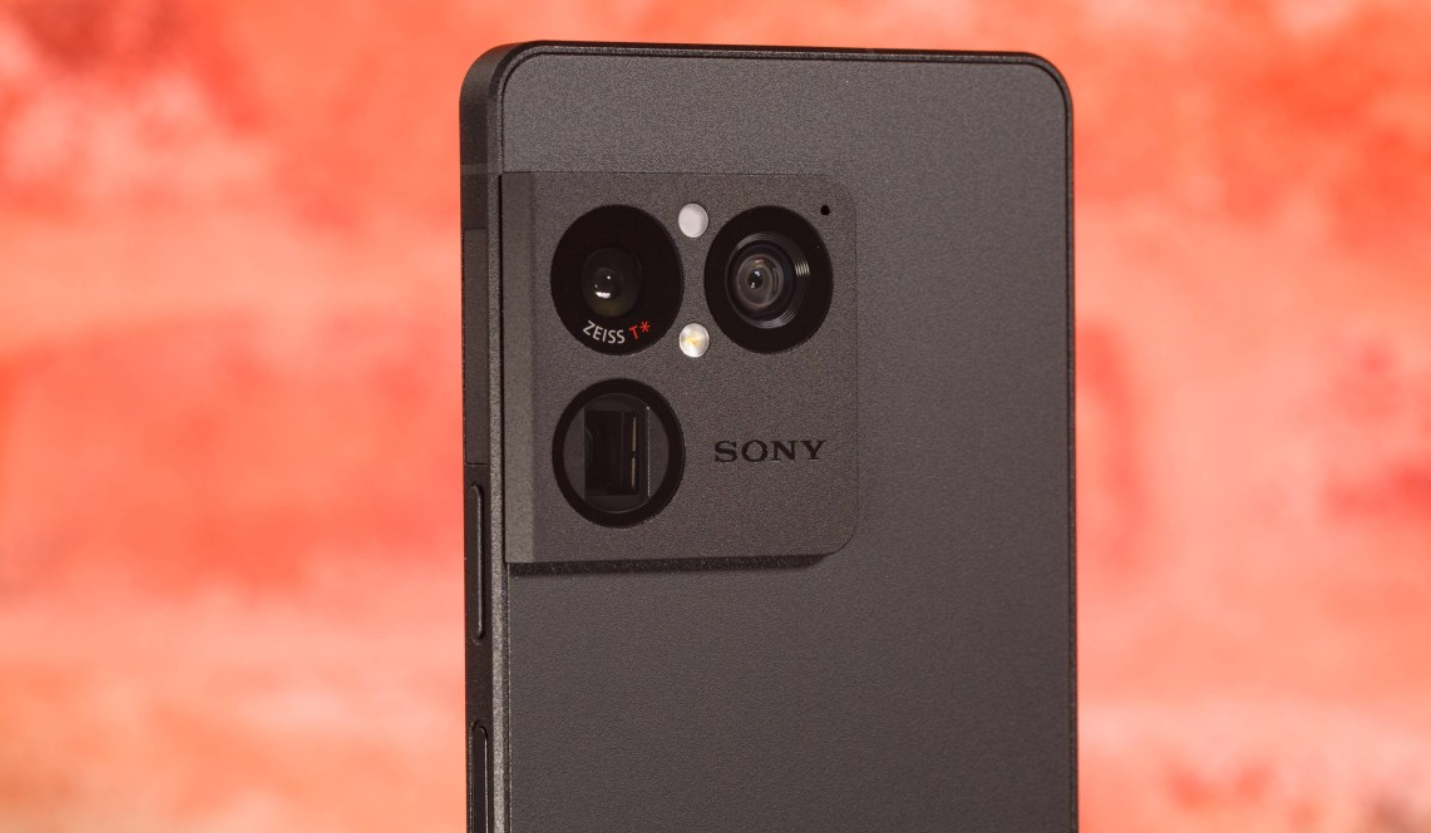
The camera system is where Sony focused most of the upgrades this year. The Xperia 1 VIII uses three 48MP rear cameras consisting of a main, UltraWide, and upgraded telephoto sensor. The telephoto sensor is now significantly larger at 1/1.56 inch, which should improve detail and low-light performance considerably. Sony also abandons the continuous zoom system used previously and switches to a fixed 70mm telephoto approach. Some photography enthusiasts may see this as a downgrade in flexibility, but the larger sensor should deliver stronger real-world image quality. Sony’s image processing still feels more natural and less aggressive compared to brands like Samsung, Xiaomi, or Vivo, which many photography enthusiasts prefer. But there is still a gap in consistency and computational photography compared to the very best camera phones.
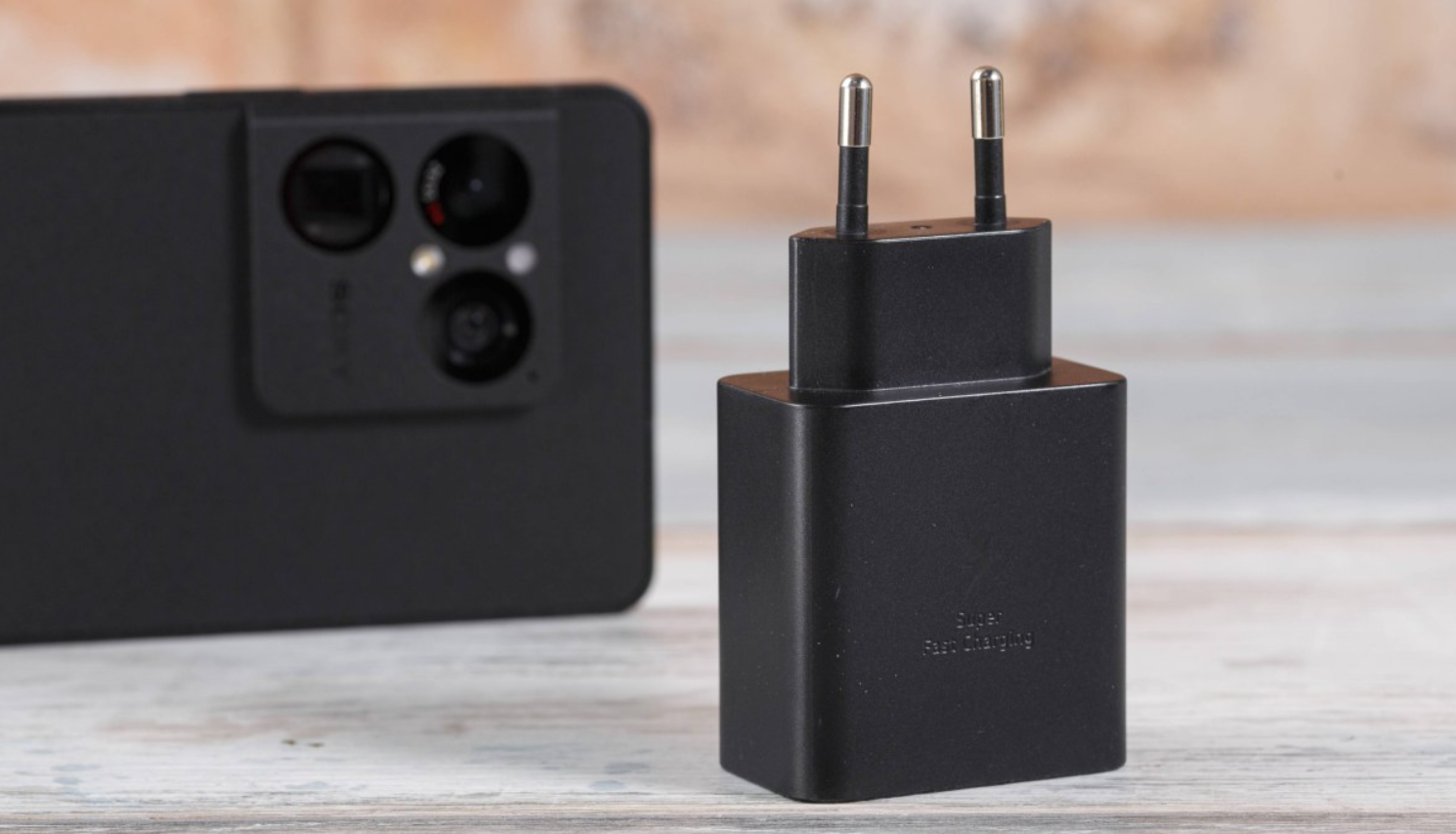
Battery life feels good, but not exceptional by current flagship standards. The 5000mAh battery should comfortably last a full day, helped by Sony’s battery health optimization features. However, charging speeds remain conservative with only 30W wired charging alongside wireless charging support. Compared to Chinese flagships offering 80W, 100W, or even 120W charging, Sony feels far behind here. Some Xperia fans defend this because slower charging can preserve long-term battery health, but for many users, it still feels outdated.
The software experience remains clean and relatively close to stock #Android 16. Sony includes useful extras like Side Sense, Game Enhancer, and creator-focused tools without heavily bloating the interface. At the same time, Sony still avoids the aggressive AI integration seen from Samsung, Google, or Chinese brands. Depending on the user, that could either be refreshing or disappointing. Sony promises four Android version updates and six years of security updates, which is decent but still behind Samsung and Google.
There are several clear drawbacks:
- Charging speeds are far behind competing flagship phones
- Thermal throttling under sustained load remains a concern
- Premium pricing makes the compromises harder to justify
- Camera processing still lacks the consistency of the best competitors
- Thick bezels and Full HD+ resolution may feel outdated for the price
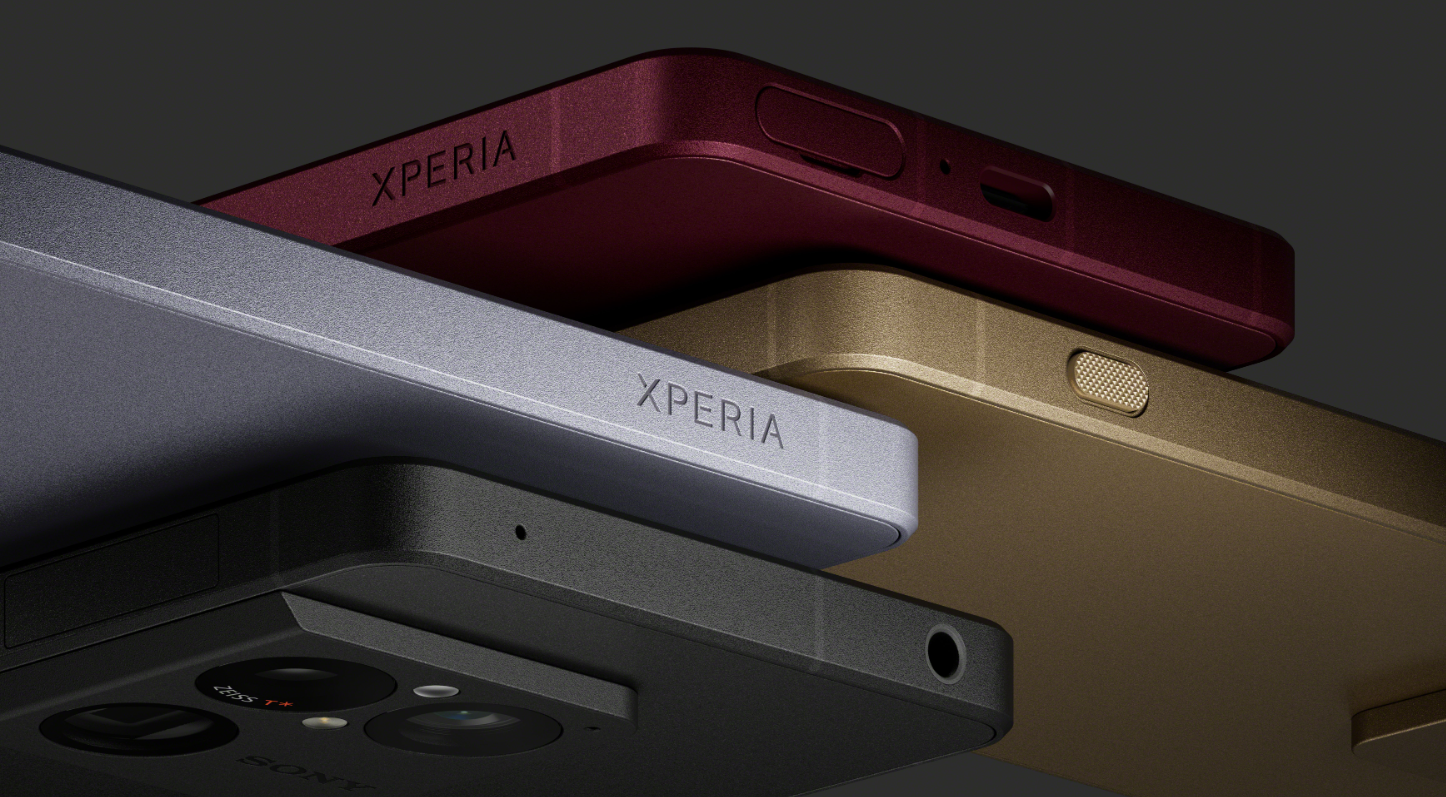
The Sony Xperia 1 VIII feels like Sony finally acknowledging that Xperia phones needed change, but without completely abandoning the enthusiast audience that kept the brand alive. It still offers things almost no flagship phones provide anymore, including expandable storage, headphone jack support, front-facing speakers, and a clean, uninterrupted display. At the same time, the high price and conservative approach in areas like charging and software support make it difficult to recommend universally.
If you are a photography enthusiast, content creator, or longtime Xperia fan who values hardware flexibility and a clean multimedia experience, this remains one of the most unique flagships available. But if you want the absolute best value, fastest charging, or the smartest AI-powered software experience, competitors from Samsung, Vivo, Xiaomi, or Apple still offer a more complete package.