Troyan Monastery - the Spiritual Heart of the Balkan Mountains - a photo story by @shemZee
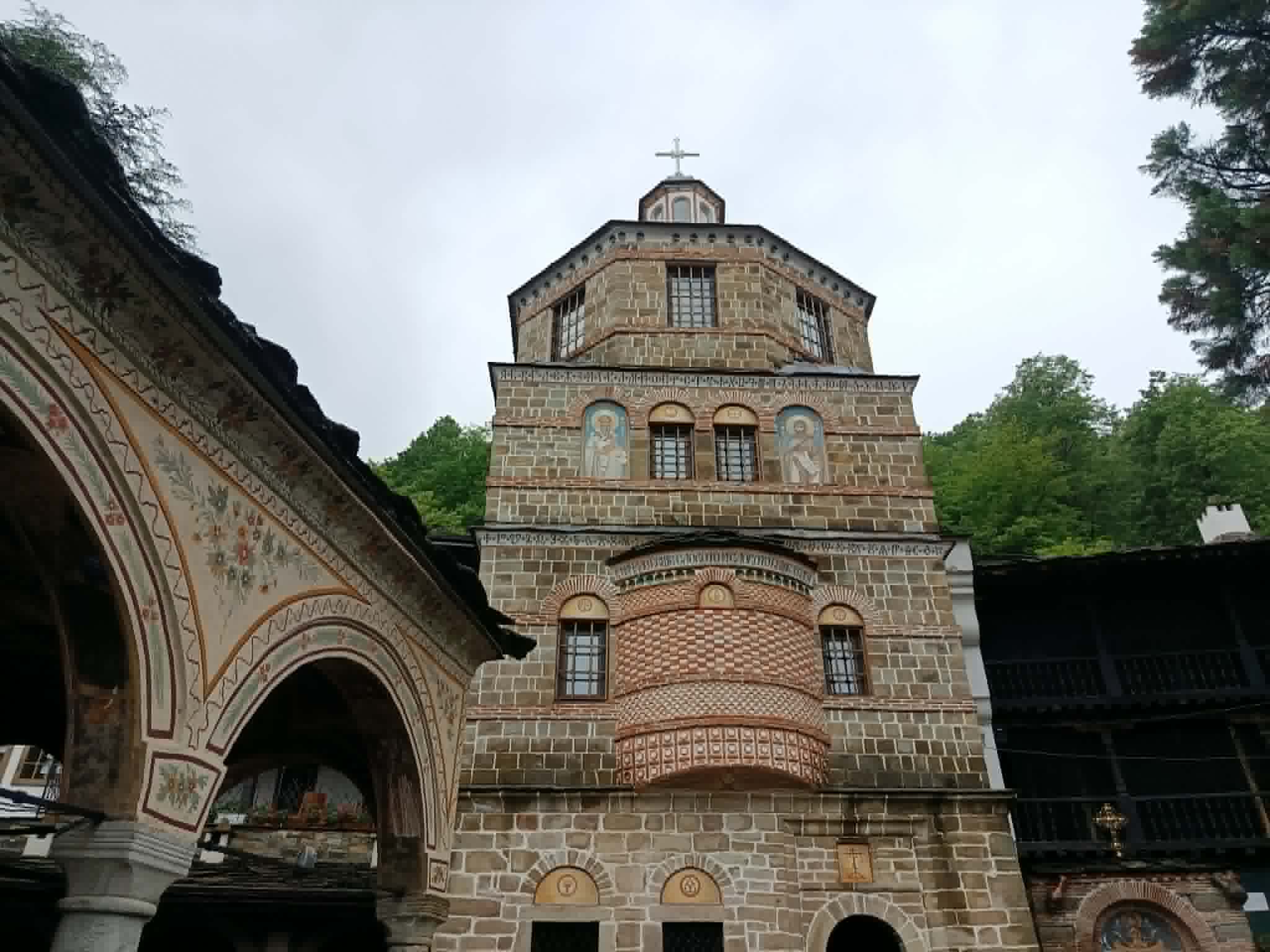
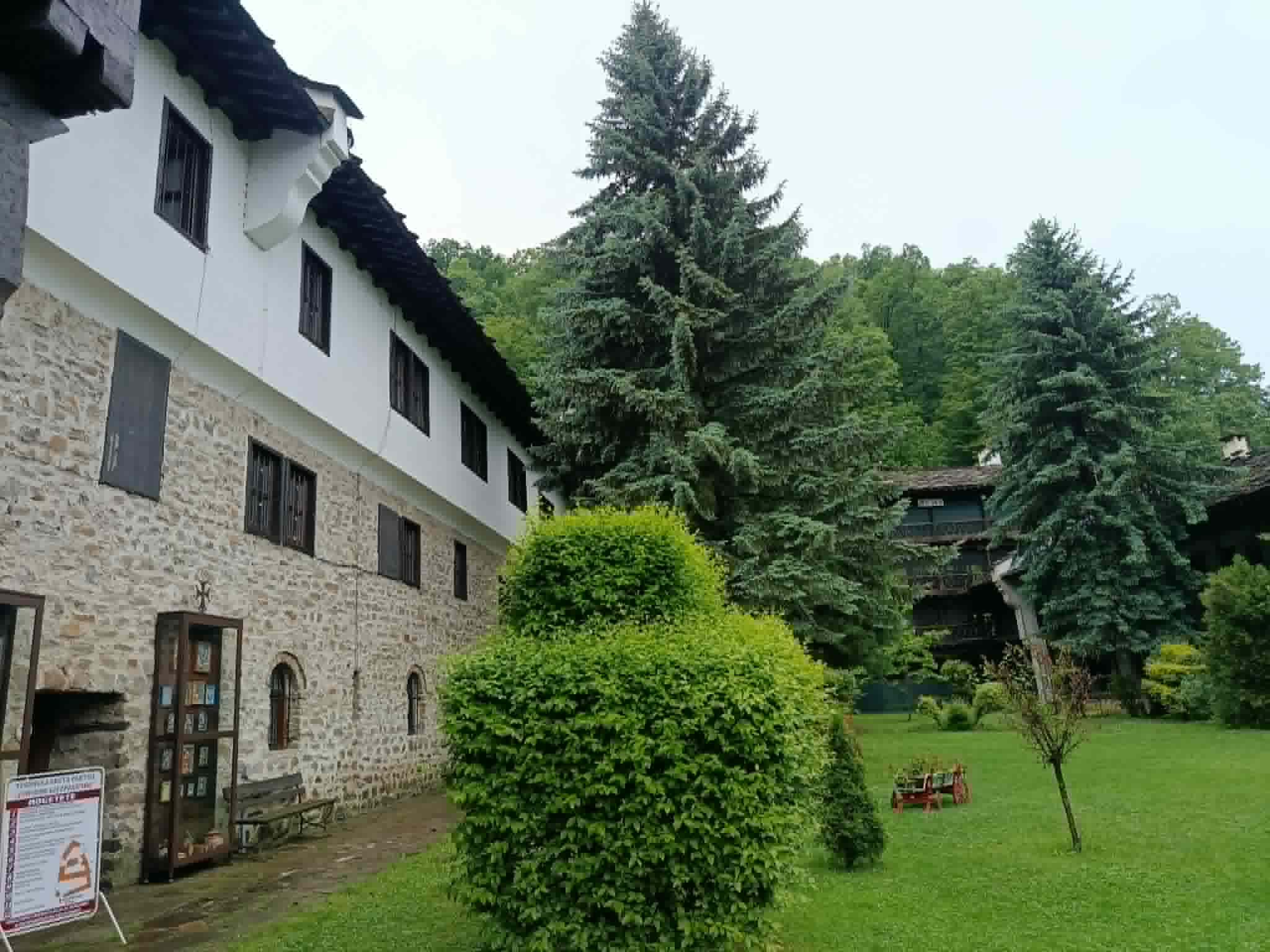
Nestled in the lush, northern slopes of the Balkan Mountains, the Troyan Monastery "Assumption of the Virgin Mary" stands as a timeless sanctuary of Bulgarian spirit, culture, and faith. As the third-largest monastery in Bulgaria, its roots stretch back to around the year 1600 when, according to legend, a hermit monk from Mount Athos arrived and built a humble wooden church. Over the centuries, the complex grew into an influential spiritual and revolutionary hub, playing a pivotal role in the Bulgarian National Revival.
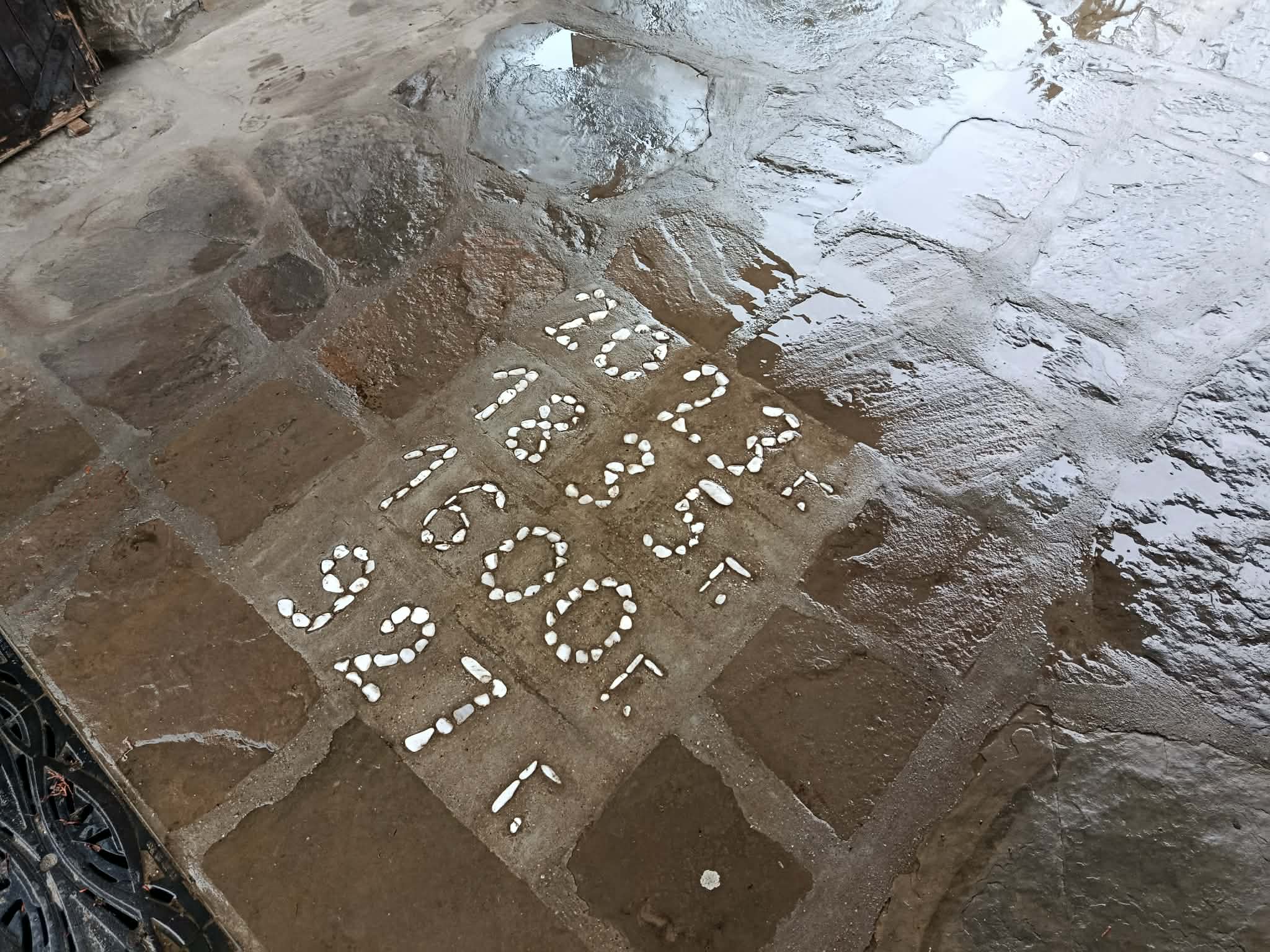
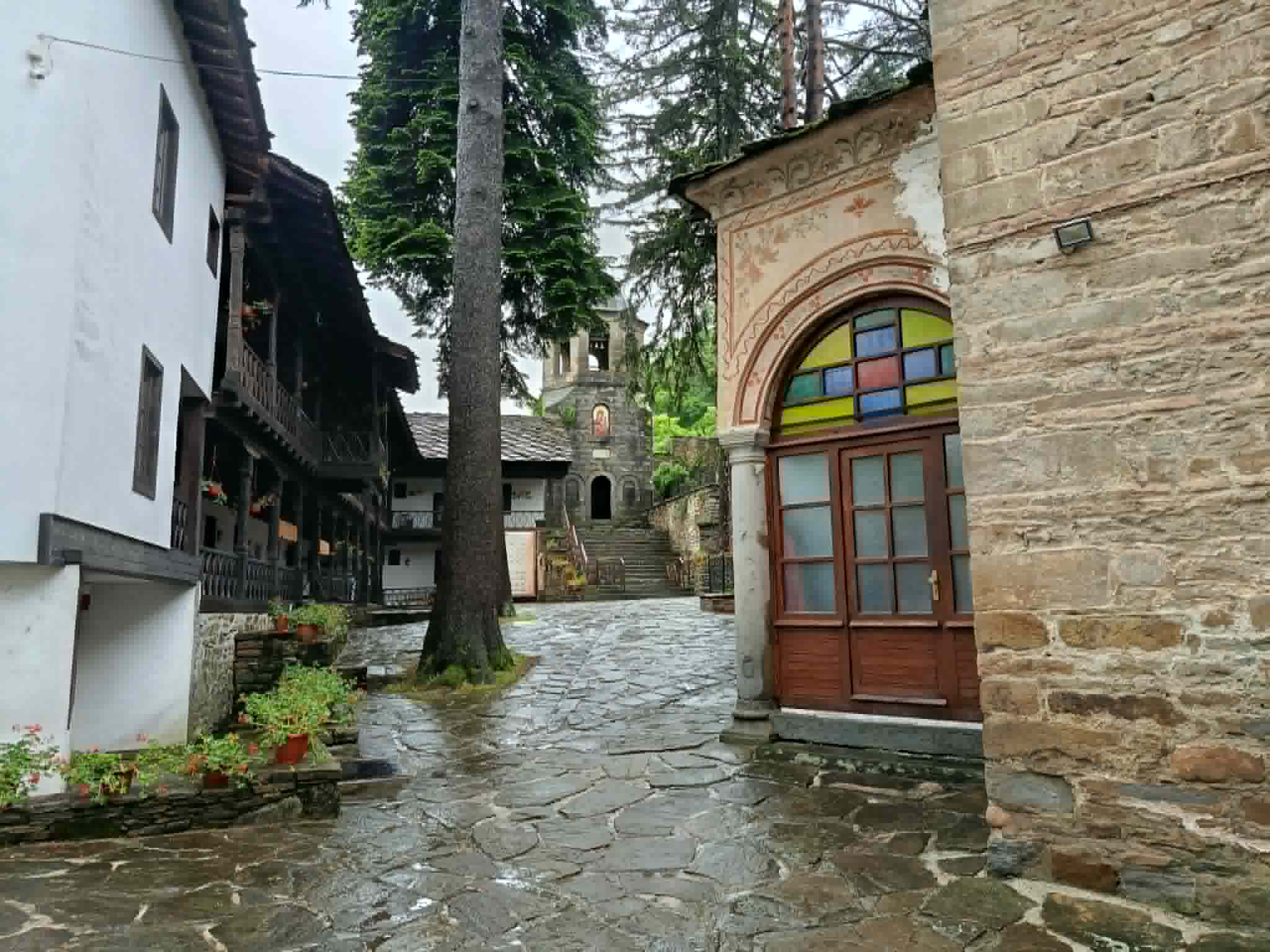
Walking through its stone gates today feels like stepping directly into history—a fact beautifully summarized by the white pebbles meticulously laid into the wet courtyard stones, marking the key milestones of its existence: its founding in 1600, its major reconstruction in 1835, and its continued preservation into the modern era.
Getting to this peaceful mountain retreat is a scenic and straightforward journey, making it a perfect day trip or weekend escape from the capital. Located just about 160 kilometers northeast of Sofia, the easiest way to reach the monastery is by car, a drive that takes roughly two hours.
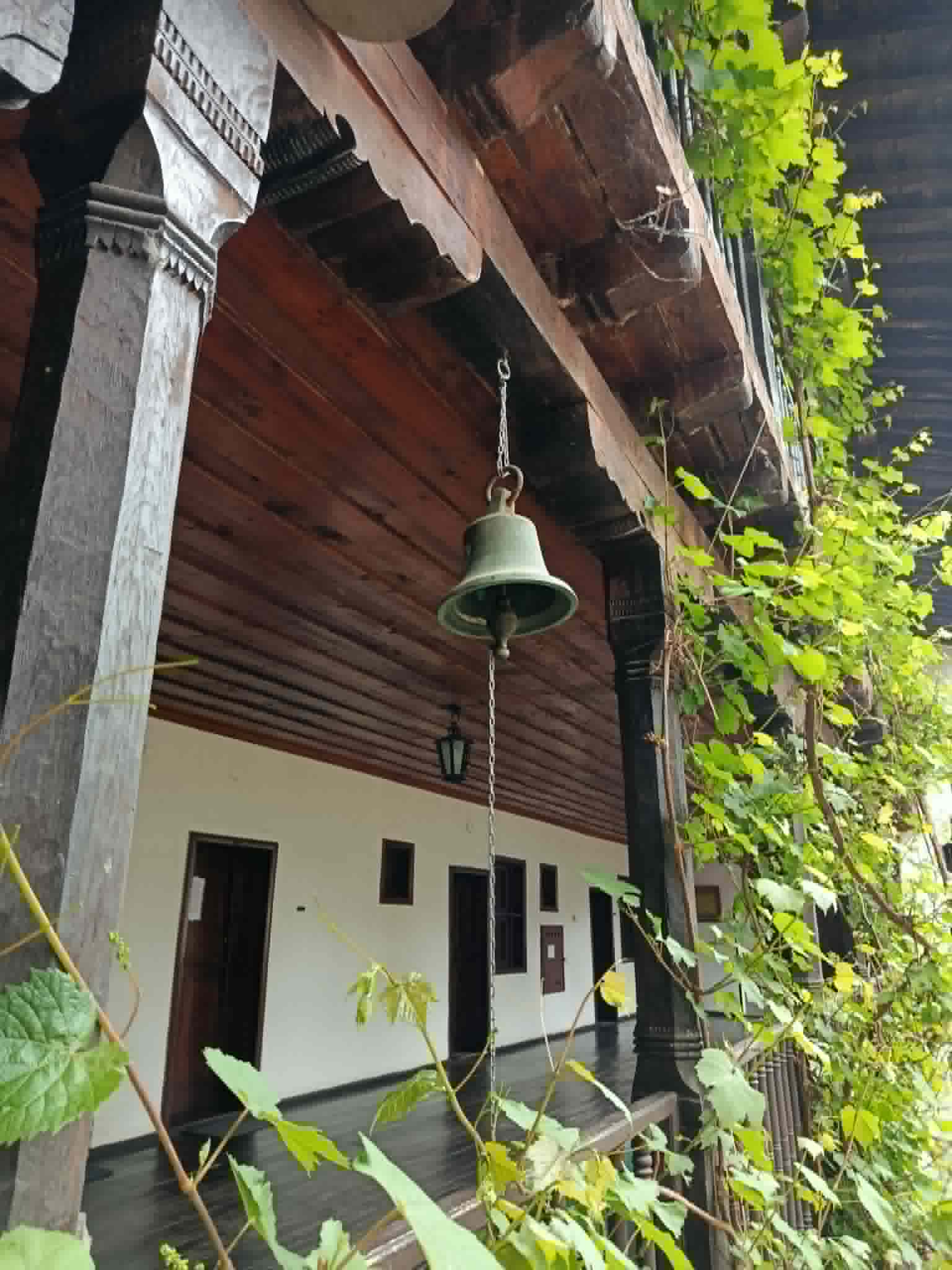
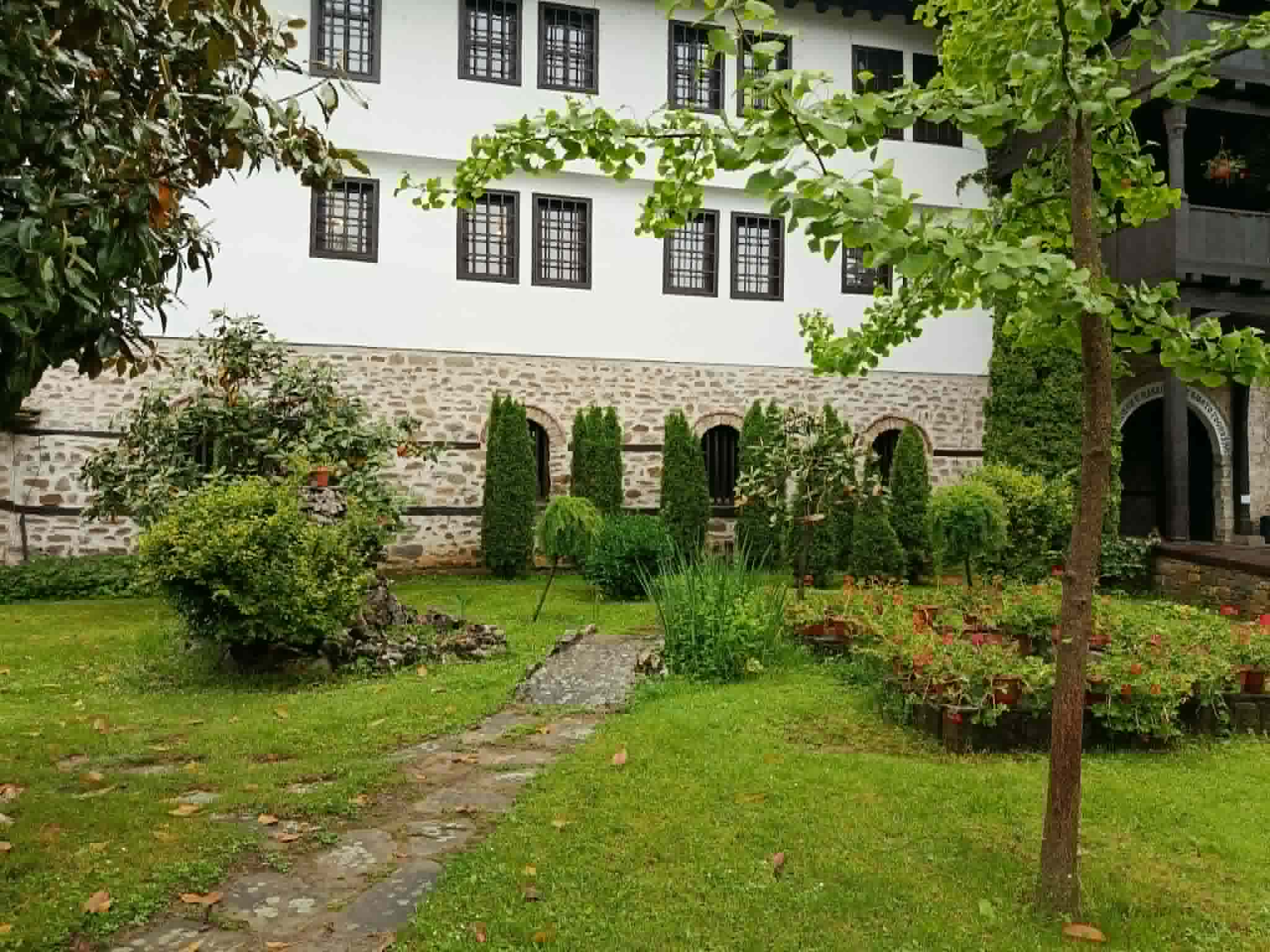
From Sofia, you take the Hemus Motorway (A2) heading east, before exiting toward the picturesque town of Troyan and continuing just 10 kilometers further to the nearby village of Oreshak, where the monastery sits peacefully on the banks of the Cherni Osam River.
For those opting for public transport, regular daily buses run from Sofia’s Central Bus Station directly to Troyan, where local taxis or regional mini-buses can easily take you the final stretch to the monastery gates.
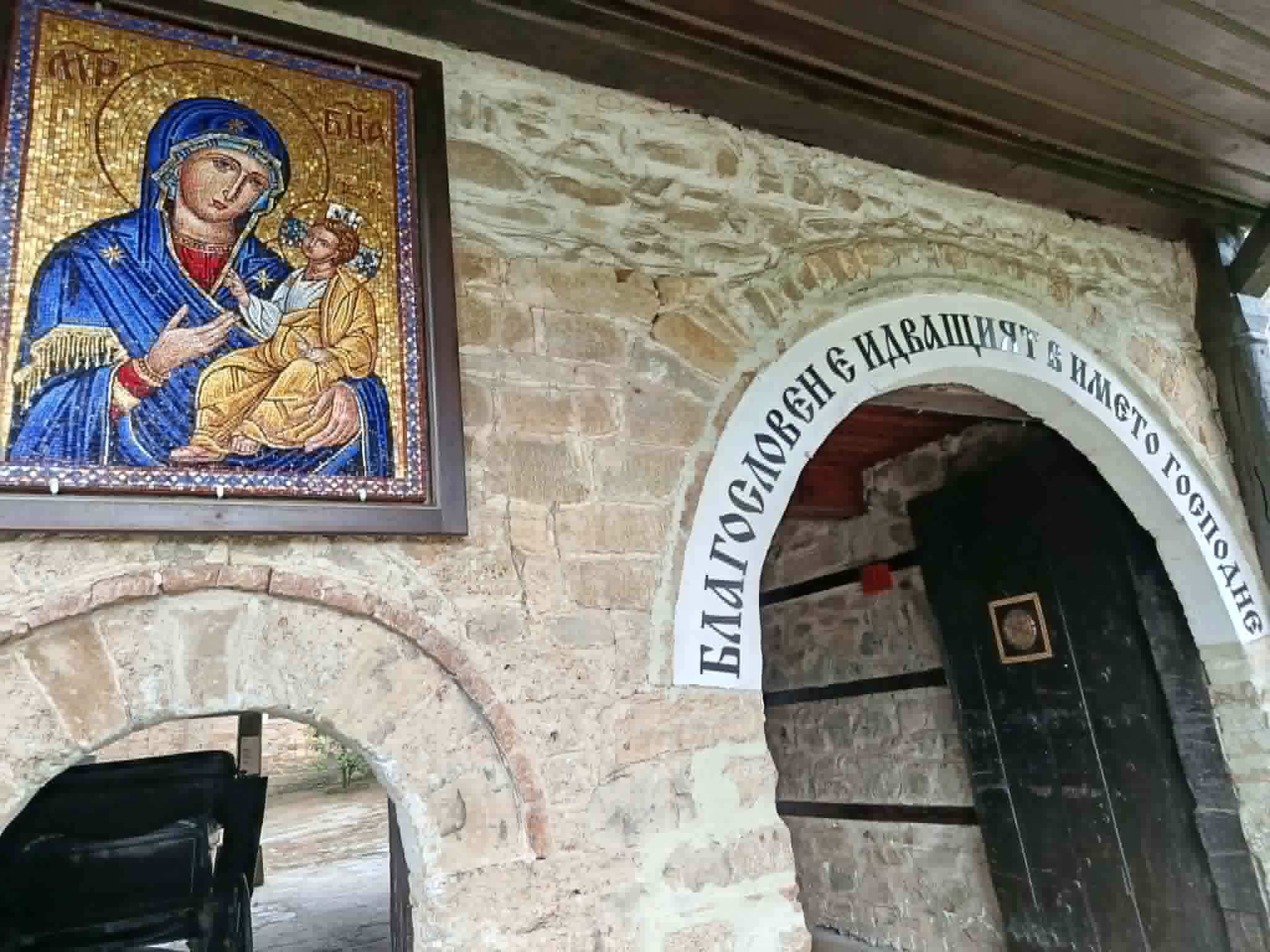
One of the most thrilling aspects of exploring a centuries-old sanctuary like the Troyan Monastery is stumbling upon the literal fingerprints of history. As you move through the complex, keep your eyes on the weathered, heavy wooden doors and gates. Carved deeply into the dark, age-worn timber is a poignant piece of graffiti from the Bulgarian National Revival era. Clearly etched into the grain is the year 1846, accompanied by a name carved in old Cyrillic script: "Владю Становъ" (Vladyu Stanov) or a similar family name from the region.
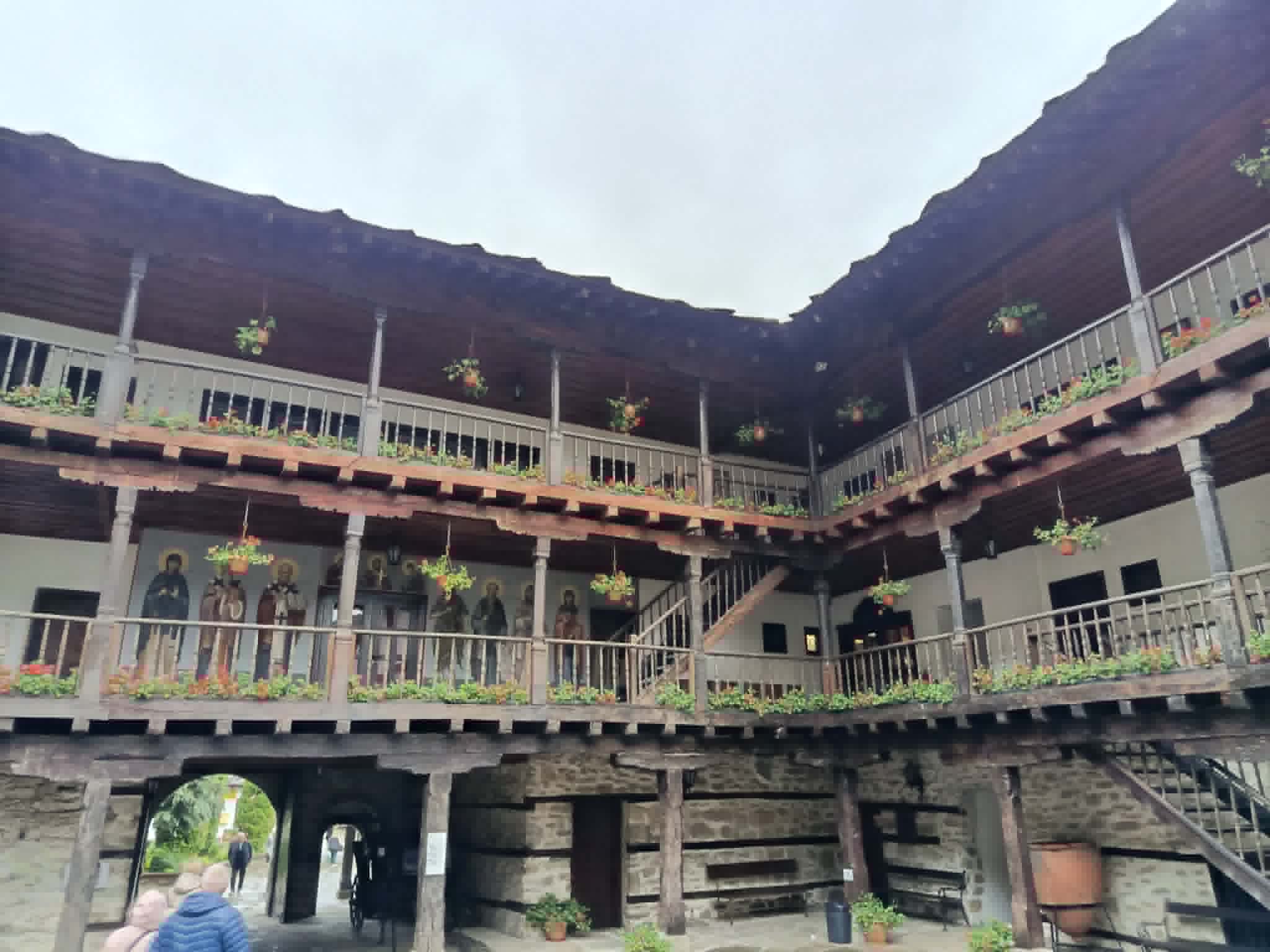
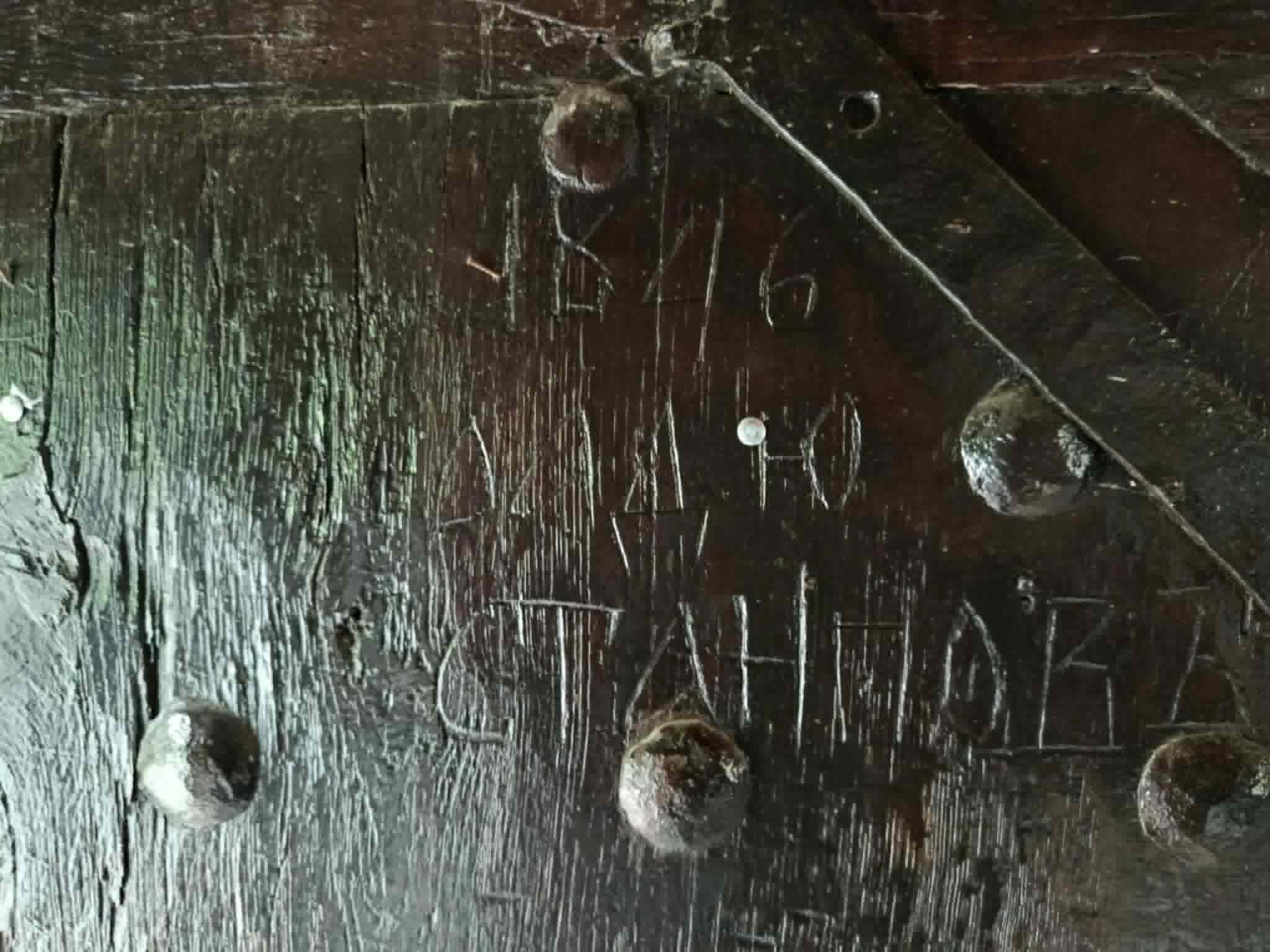
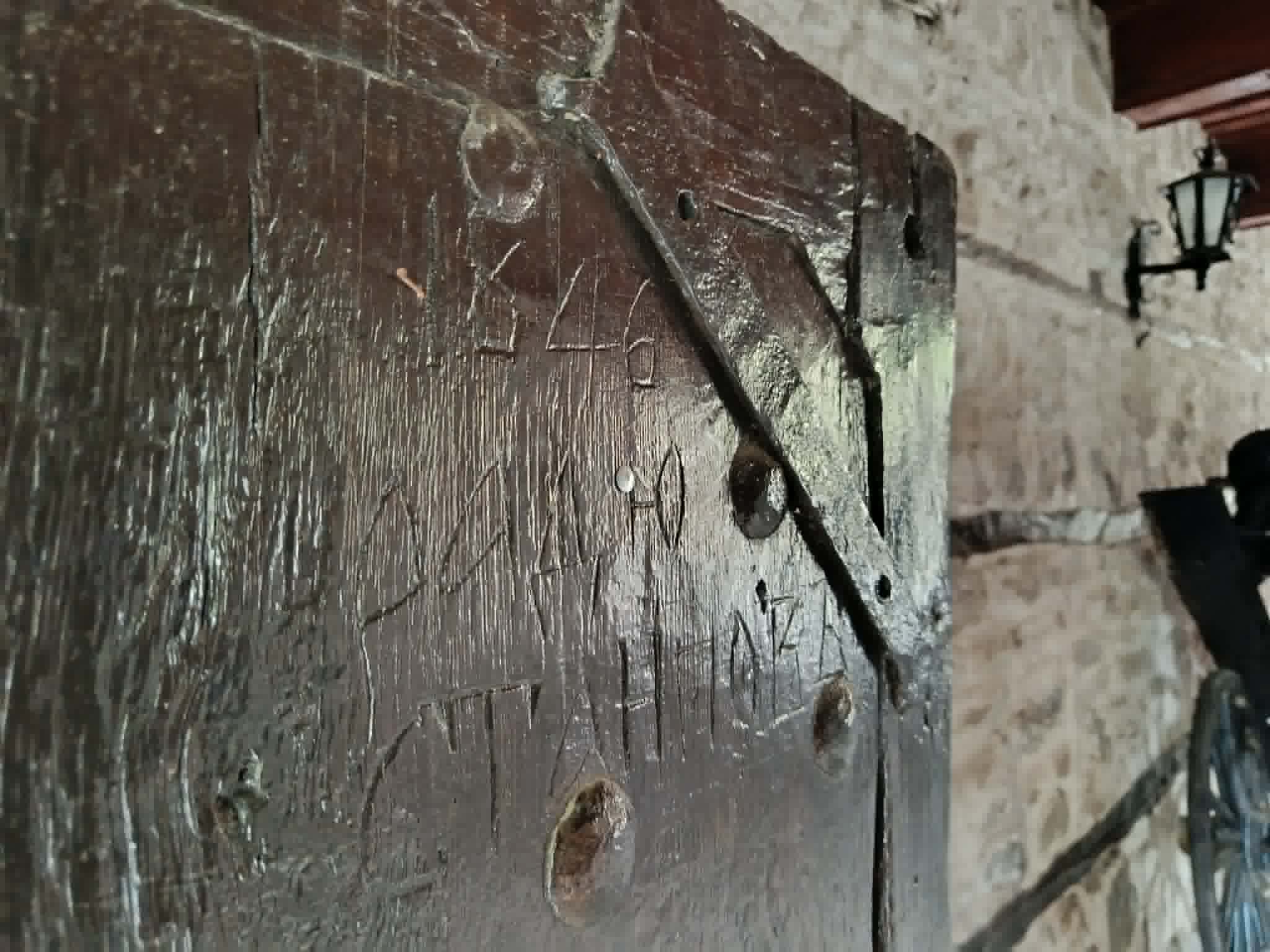
One of the most thrilling aspects of exploring a centuries-old sanctuary like the Troyan Monastery is stumbling upon the literal fingerprints of history. As you move through the complex, a close look at the weathered, heavy wooden doors reveals a captivating piece of history left behind. Carved deeply into the dark, age-worn timber is an authentic inscription from the Bulgarian National Revival era. Clearly etched into the grain is the year 1846, accompanied by the name ВЛАДЮ СТОЯНОВЪ (Vladyu Stoyanov), written in the beautiful, old Bulgarian orthography complete with the traditional trailing letter Ъ.
Finding this specific name and date feels like discovering a direct portal to the past. The year 1846 was a monumental time for the Troyan Monastery—it marks the exact period when the grand main church, "Assumption of the Virgin Mary," was reaching completion under the hands of master builders, just before the legendary Zahari Zograf arrived to paint his famous frescoes. Leaving one's signature on a prominent gate was a traditional way for master woodworkers, blacksmiths, or stonemasons of the Revival period to take pride in their contribution to holy sites. Seeing Vladyu Stoyanov's name preserved in the wood serves as a powerful, tactile connection to the real hands that built and fortified this sacred mountain retreat nearly two centuries ago.
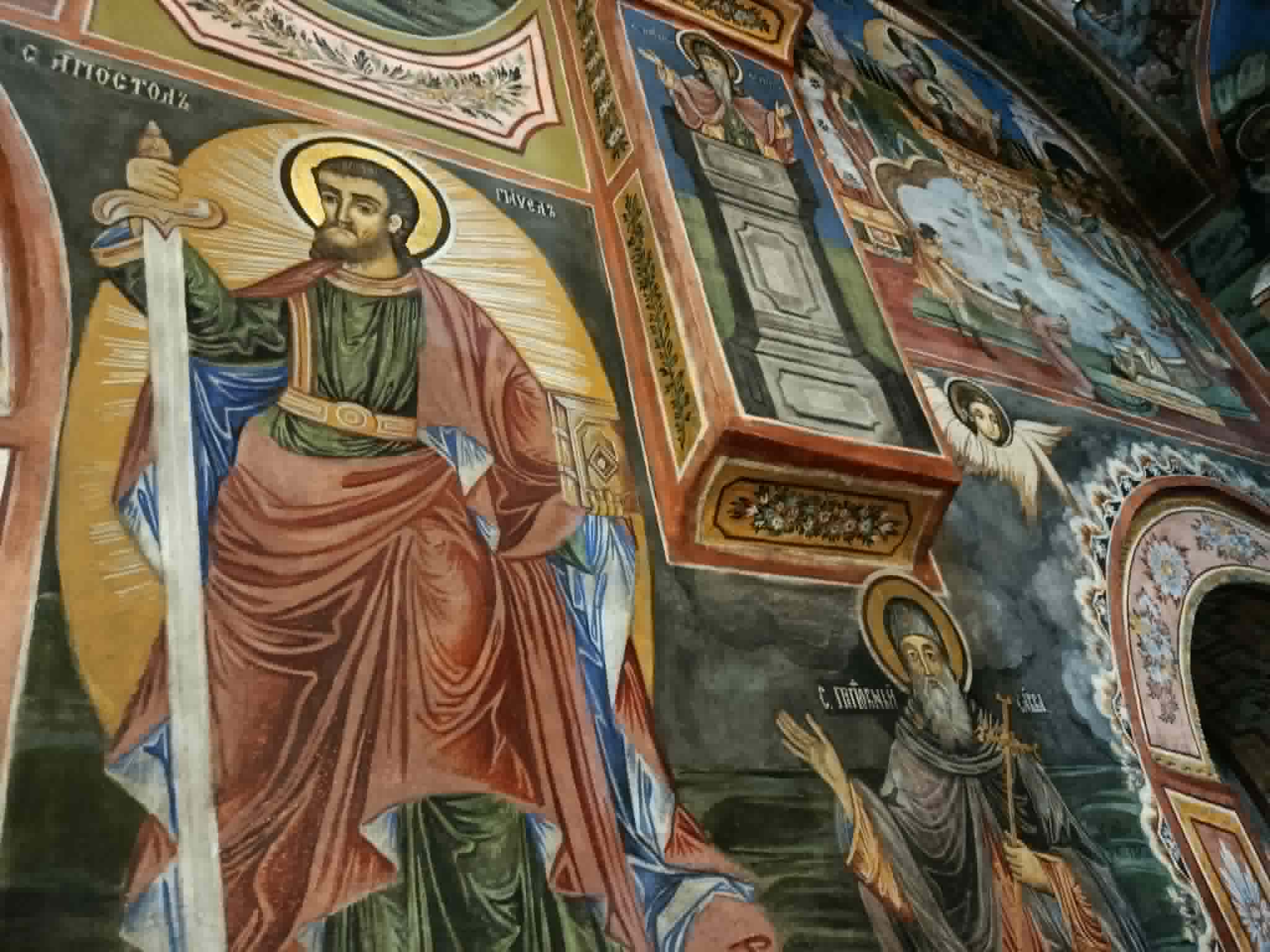
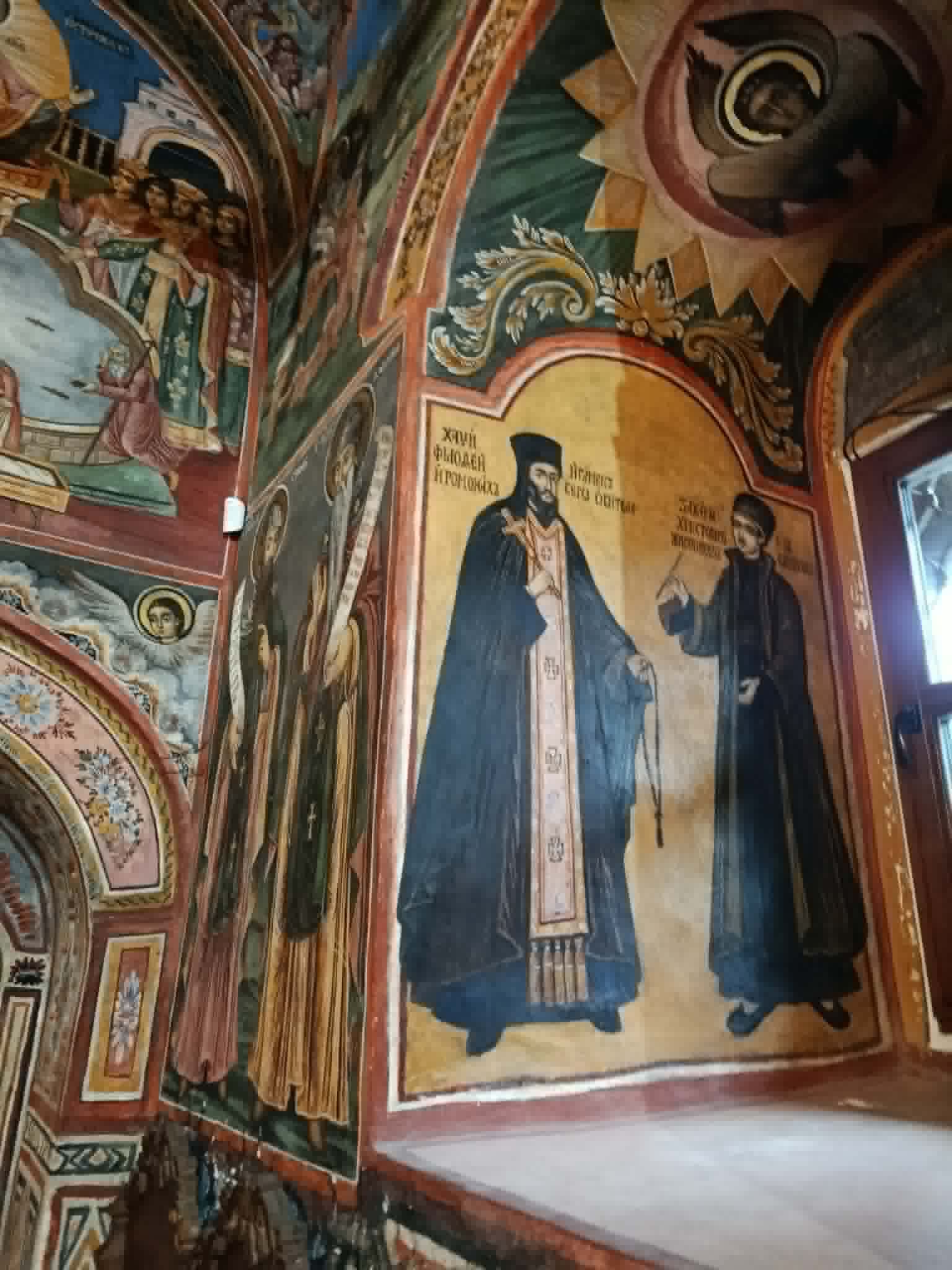
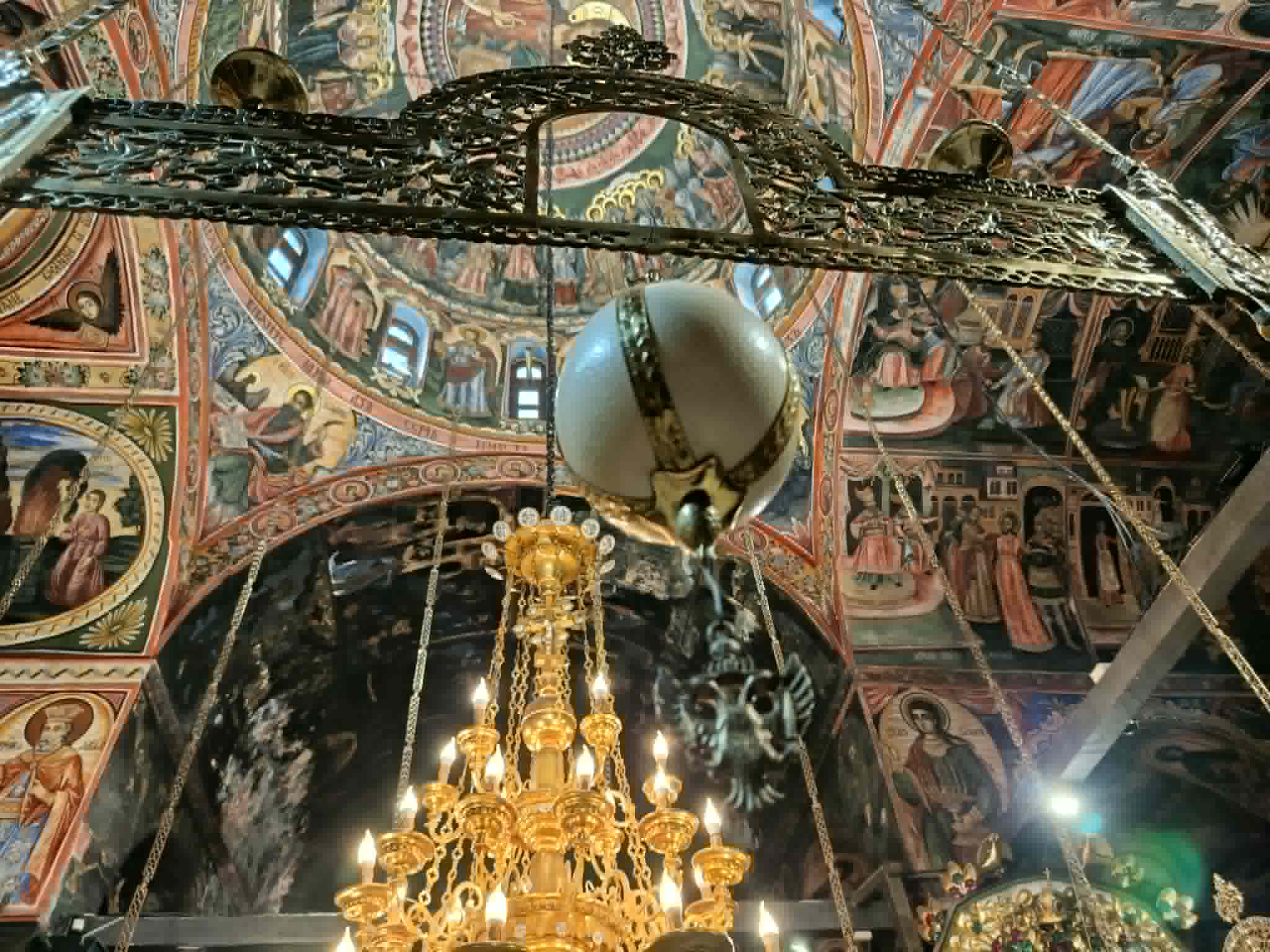
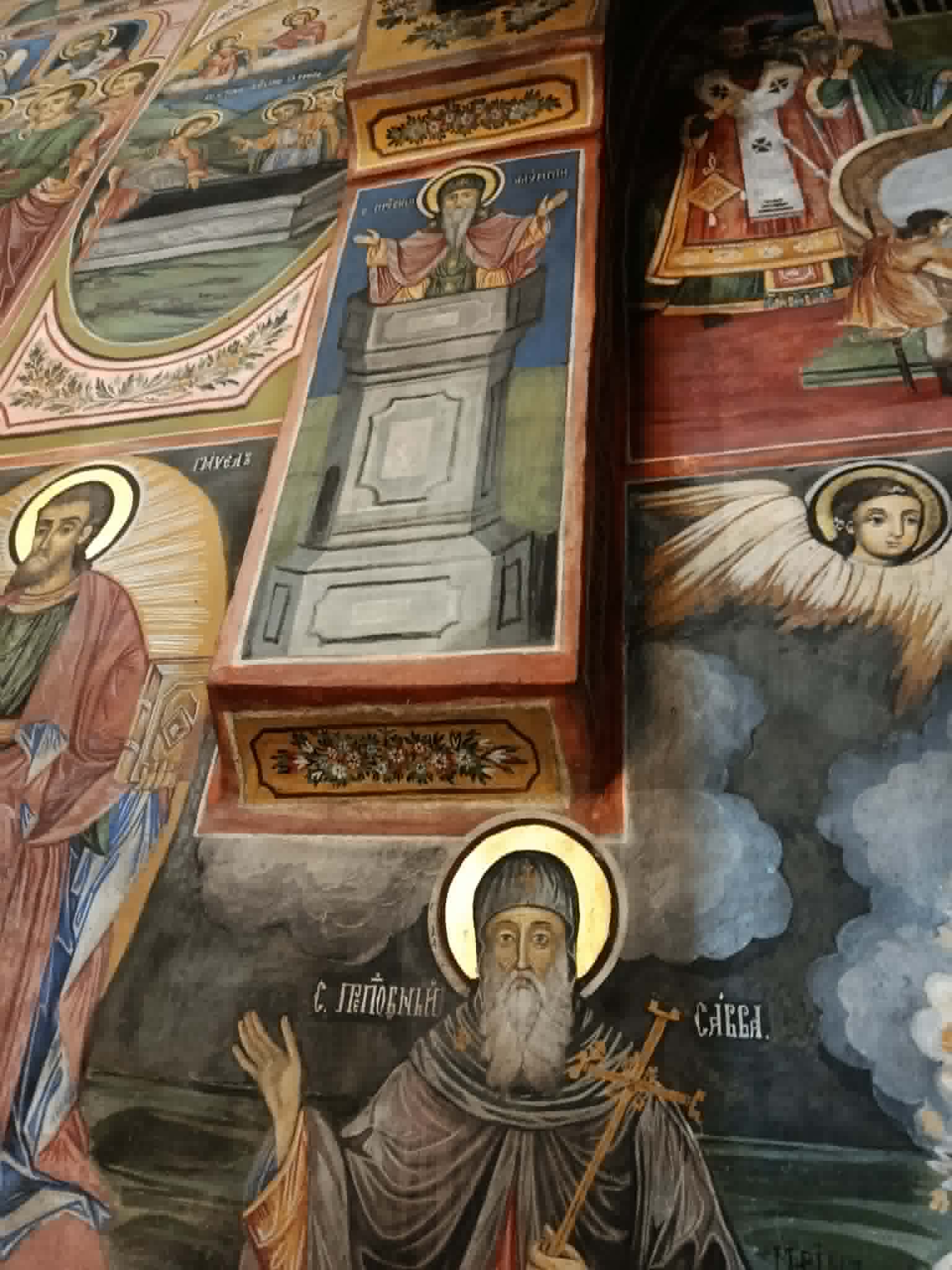
No visit to the Troyan Monastery is complete without marveling at the breathtaking frescoes decorating the main church, brought to life between 1847 and 1849 by the prominent National Revival artist Zahari Zograf. His work here is a brilliant explosion of color and moral storytelling, blending traditional Orthodox iconography with contemporary social commentary. What makes this particular monastery exceptionally special, however, is a rare artistic signature located inside the church: a self-portrait of Zahari Zograf himself.
Depicted alongside the monastery’s abbot, Hadzhi Philotei, and the donor, Dimitar Hristov, the artist painted himself holding the tools of his trade. During a historical era when religious painters strictly remained anonymous, humble servants of God, Zograf broke the mold. By placing his own likeness directly onto the sacred walls, he boldly asserted the rising status of the individual artist and left behind a uniquely personal stamp that remains one of the most famous and culturally significant self-portraits in Bulgarian art history.
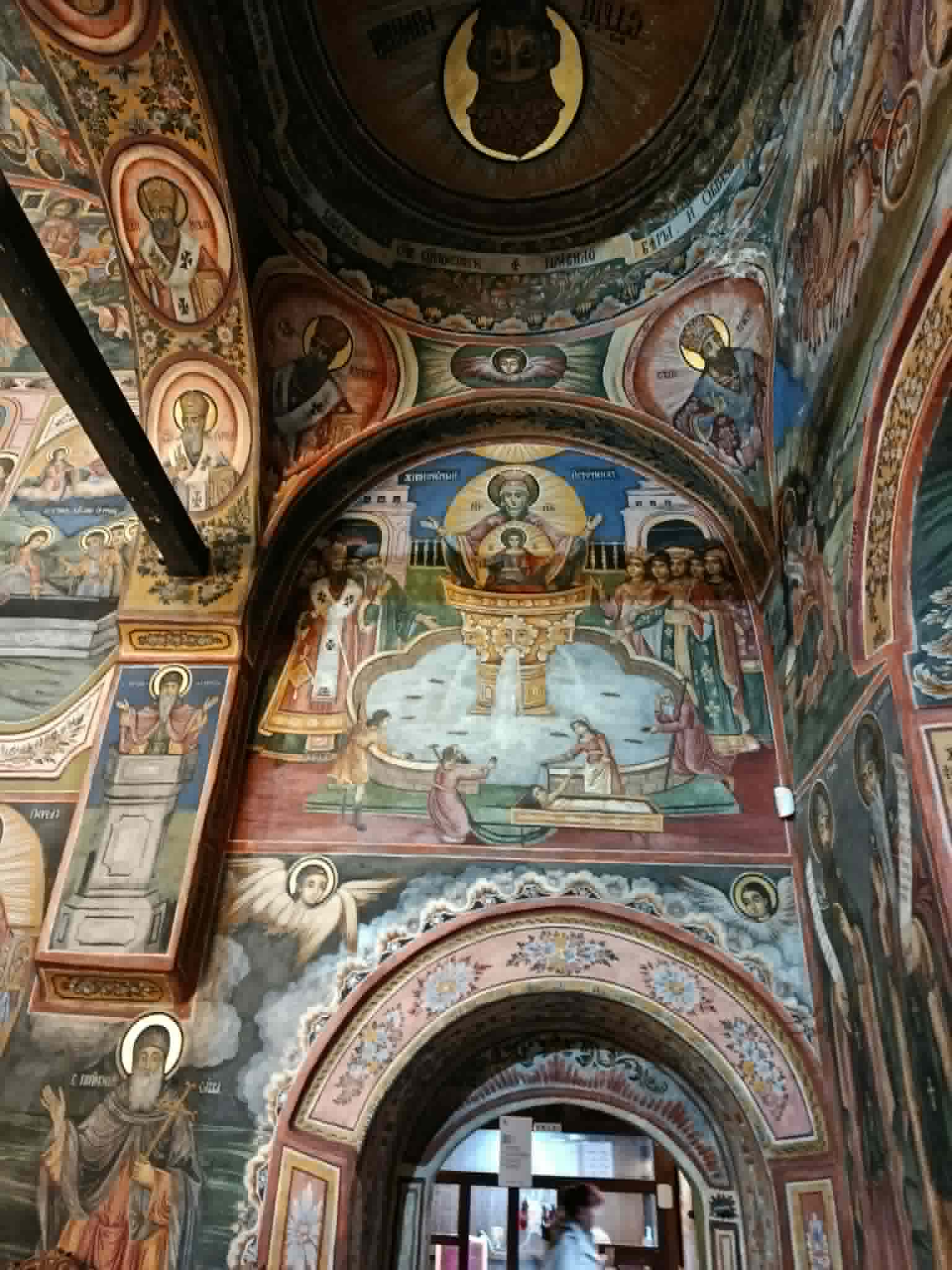
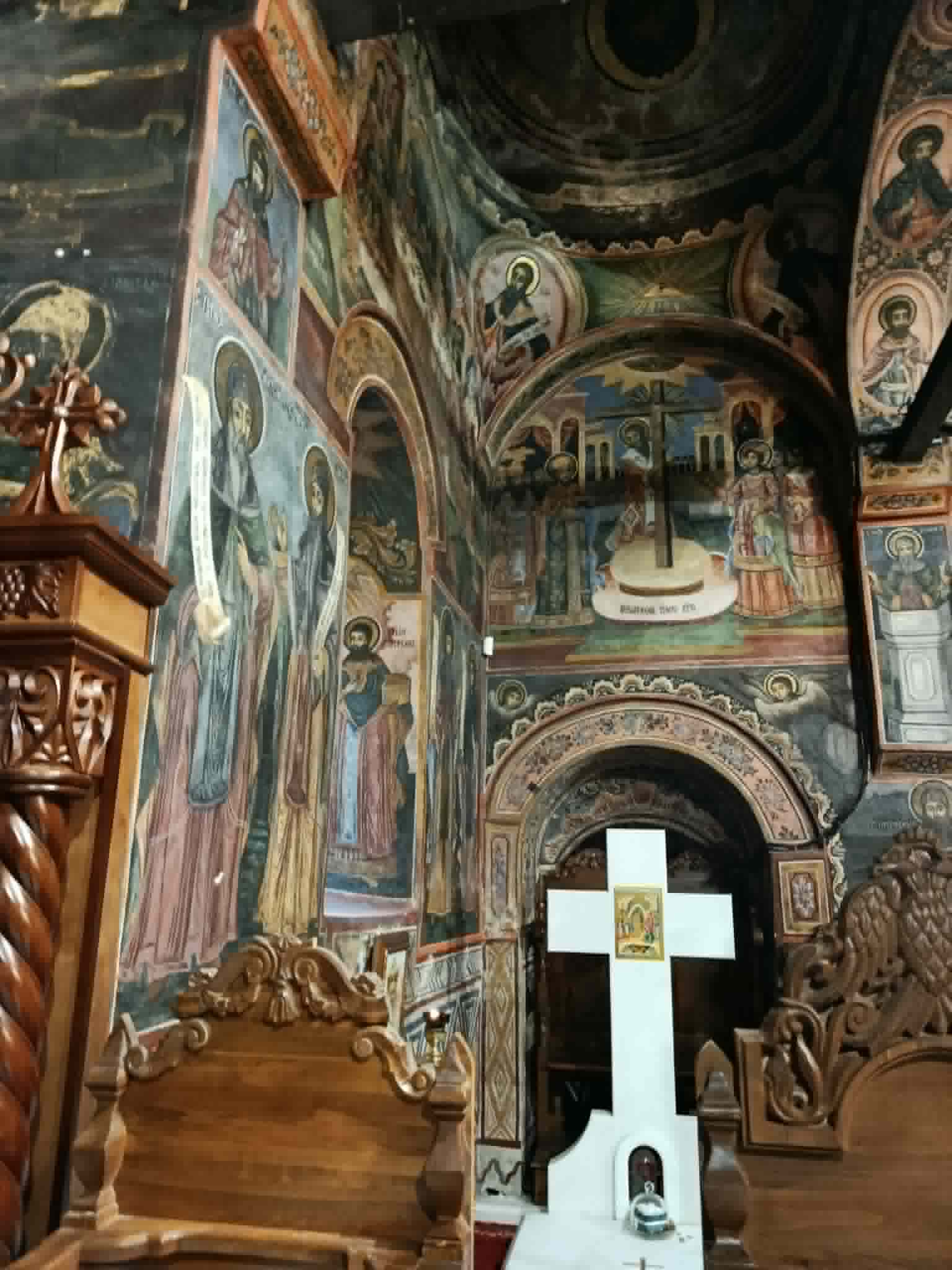
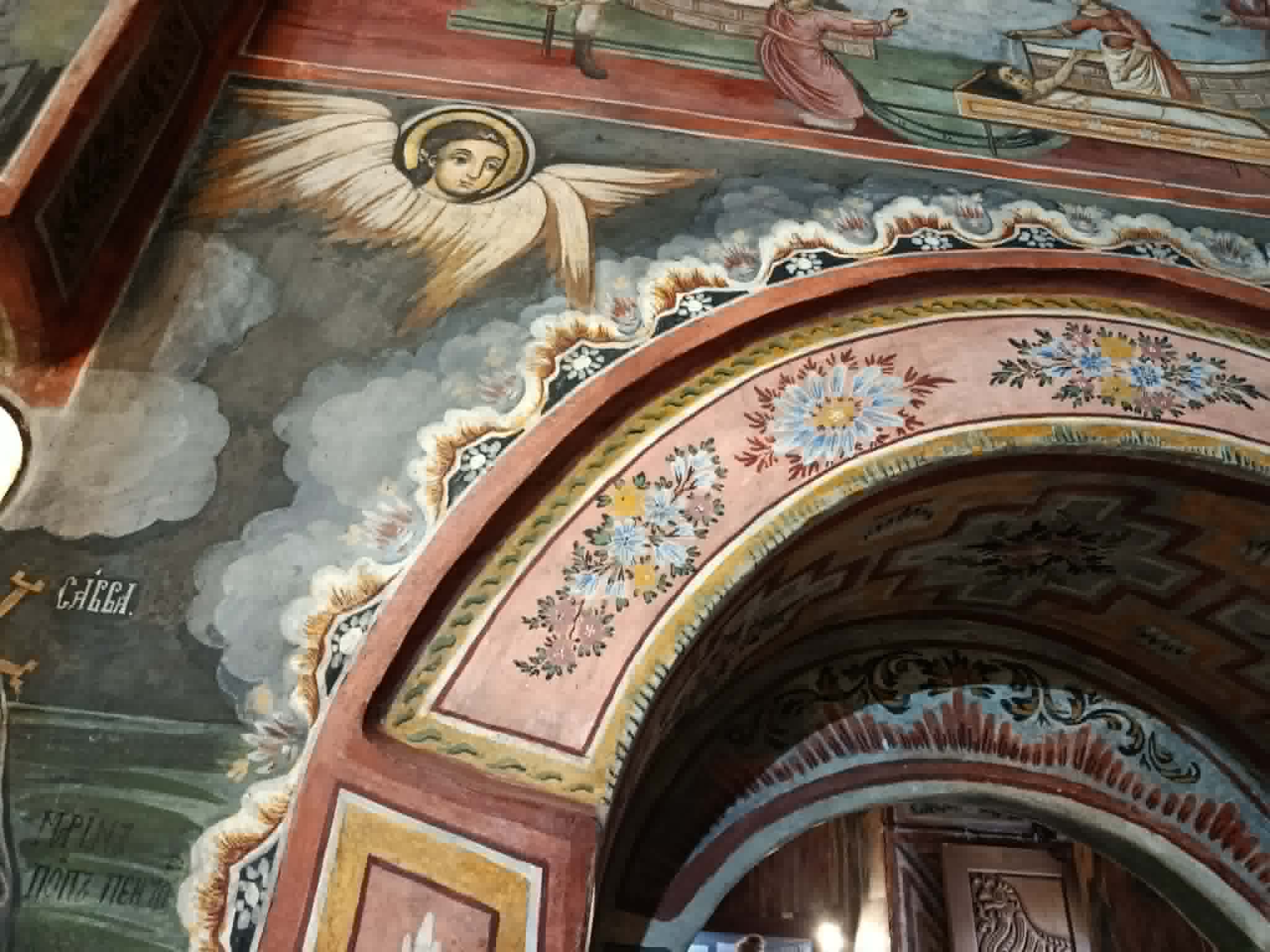
Look closely above the arched doorways inside the church, and you will find the historical "birth certificate" of these masterpieces. Painted on a delicate scroll motif along the curve of the arch is a clear inscription written by the master himself. It proudly reads: "Зографъ Захарій 1847 Октое 24" (Painter Zahari, October 24, 1847).
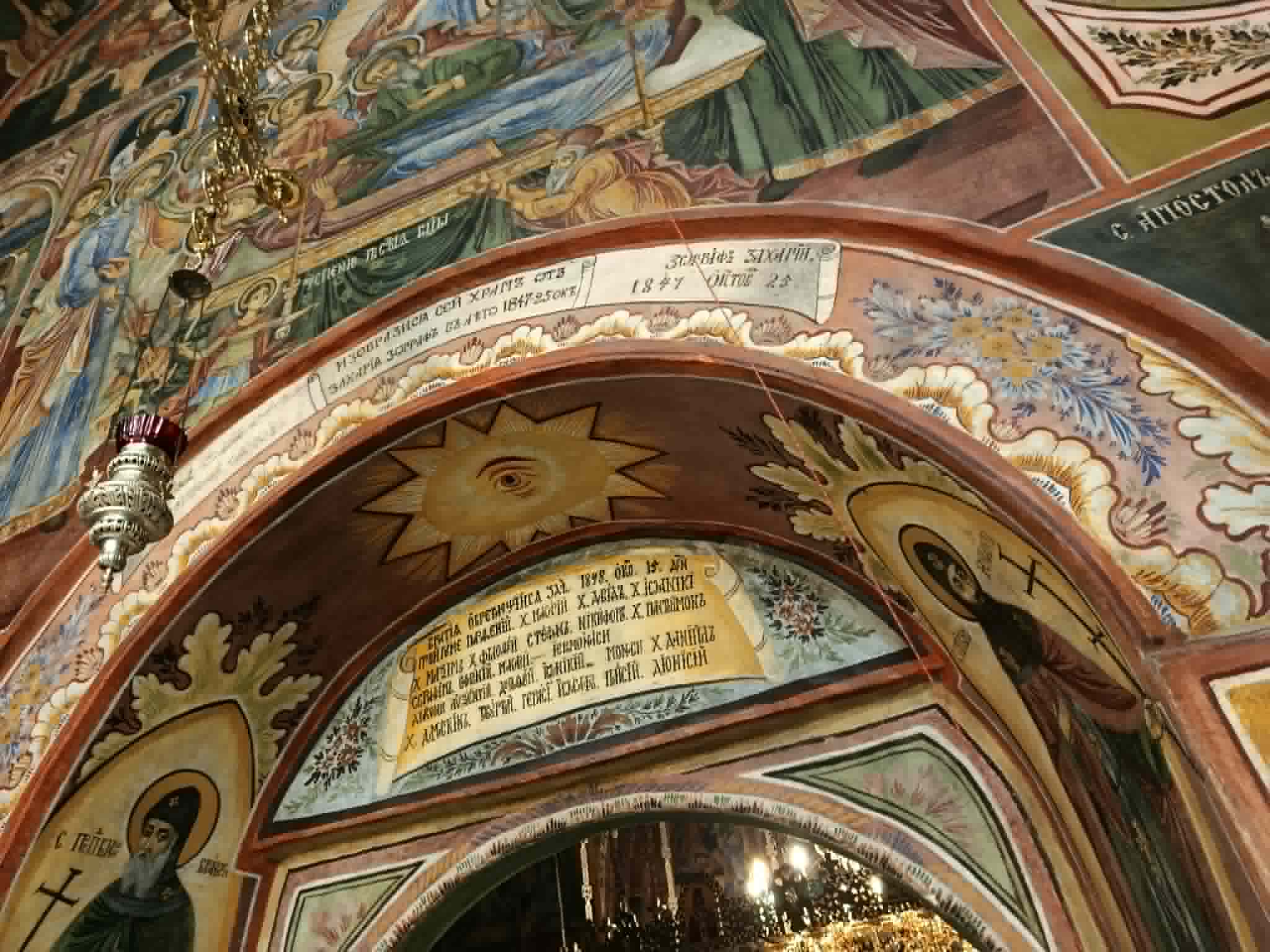
This inscription serves as an invaluable chronological record, proving exactly when Zahari Zograf was working on this section of the monastery. Directly below it, within the archway, another beautifully preserved text in Old Church Slavonic lists the prominent donors, monks, and spiritual figures who supported and funded this massive cultural undertaking. For history buffs and art lovers alike, seeing the exact date—October 24, 1847—penned by a legendary historical figure right on the wall creates an unforgettable, chilling connection to the past.
Stepping further into the dim, candle-lit interior of the main church reveals incredible treasures of woodcarving and historical diplomacy. Among them is the striking bishop's throne, adorned with an exquisitely embroidered red and gold cushion and rug featuring the double-headed eagle. While deeply rooted as a symbol of the Byzantine Empire and the Orthodox Christian world, during the 19th-century Bulgarian National Revival, this emblem carried immense political weight tying directly to the Russian Empire.
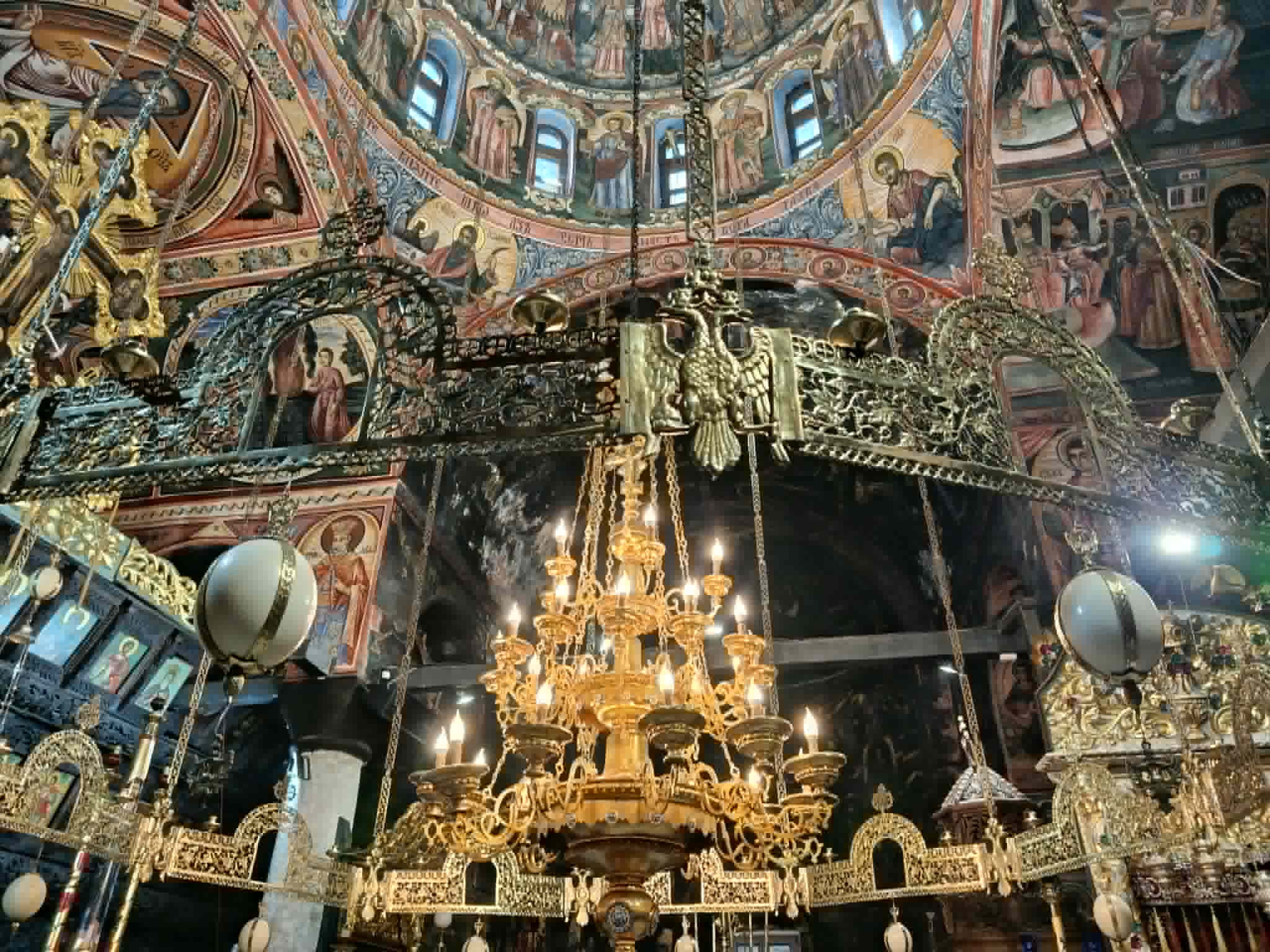
Troyan Monastery maintained exceptionally close ties with Russia; in fact, Russian emperors gifted the monastery holy books, church vessels, and financial aid. Seeing this imperial symbol proudly displayed under the gaze of the frescoes is a powerful reminder of how these monastic walls weren't just isolated mountain retreats—they were hubs of international orthodox connection and a beacon of hope for liberation during Ottoman rule.
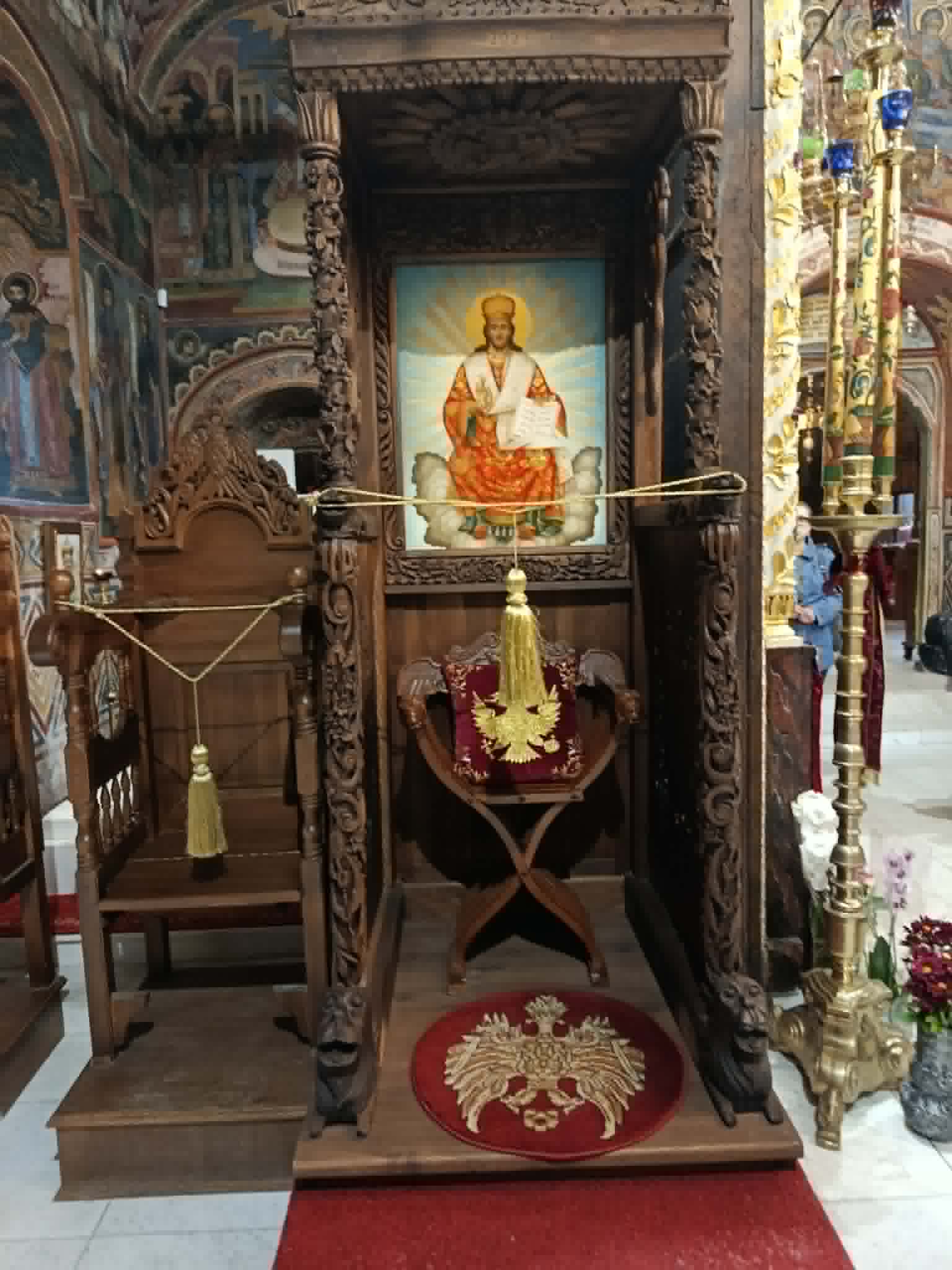
Stepping further into the dim, candle-lit interior of the main church reveals incredible treasures of woodcarving and historical diplomacy. Among them is the striking bishop's throne, adorned with an exquisitely embroidered red and gold cushion and rug featuring the double-headed eagle. While deeply rooted as a symbol of the Byzantine Empire and the Orthodox Christian world, during the 19th-century Bulgarian National Revival, this emblem carried immense political weight tying directly to the Russian Empire.
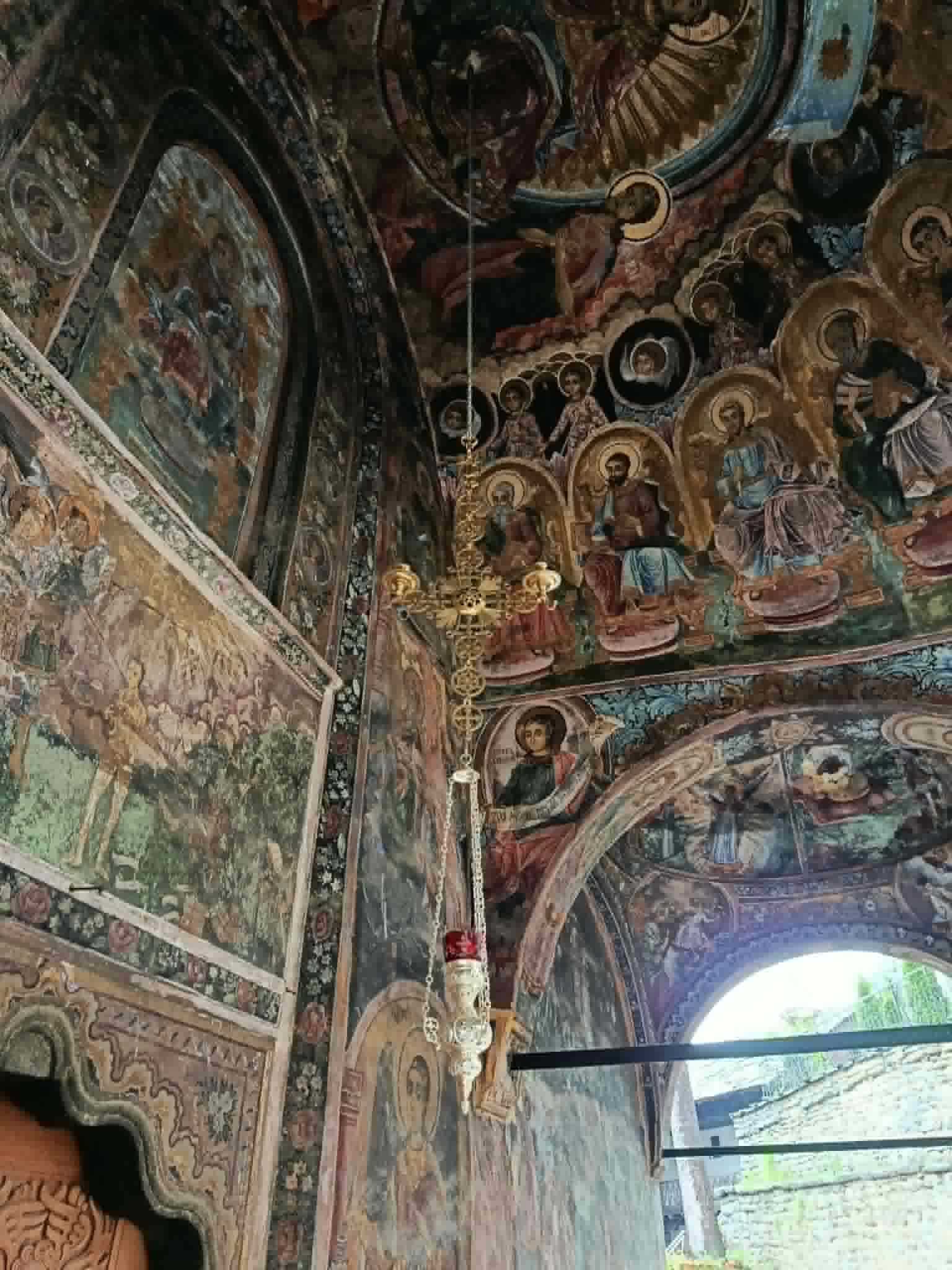
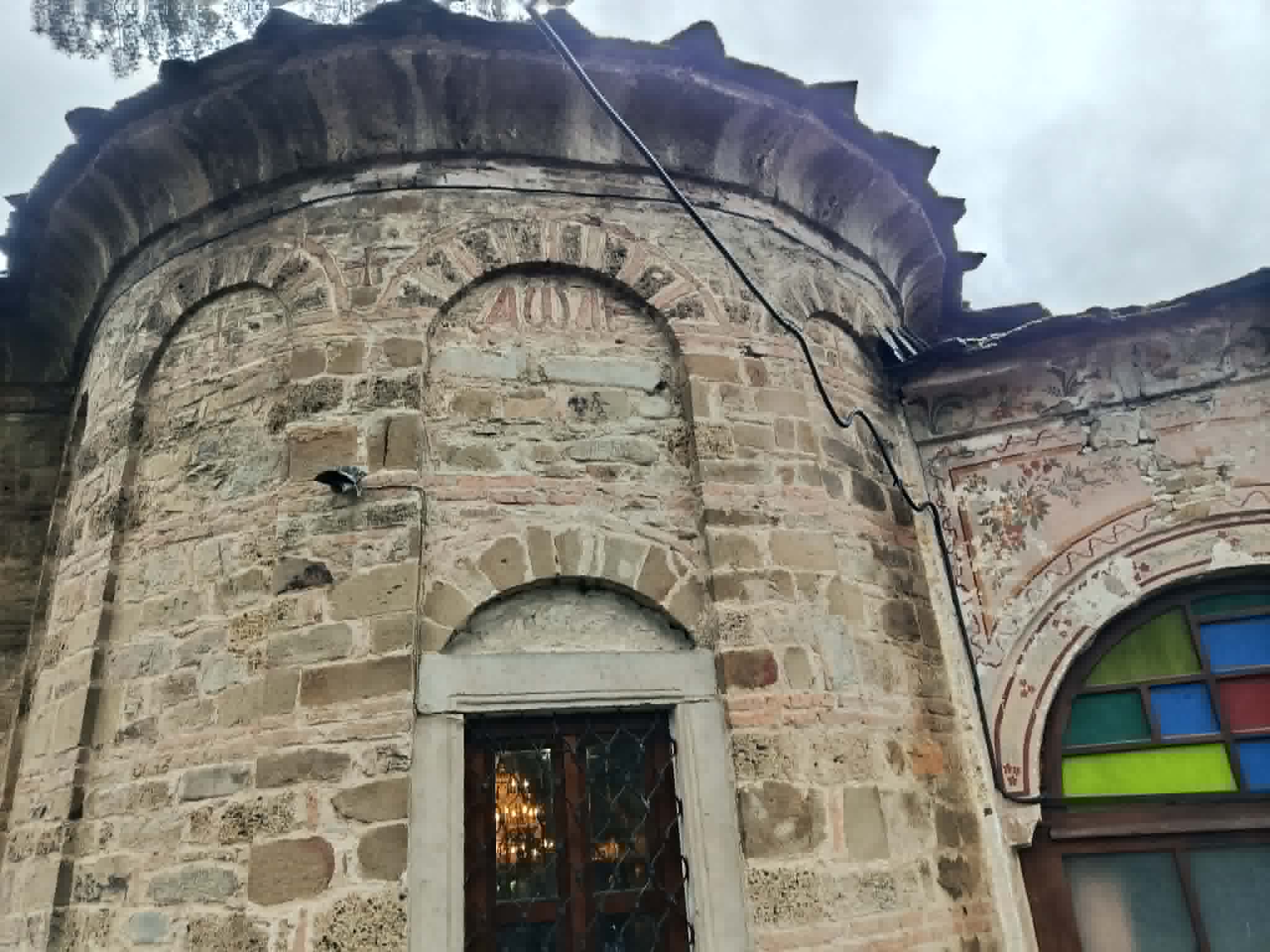
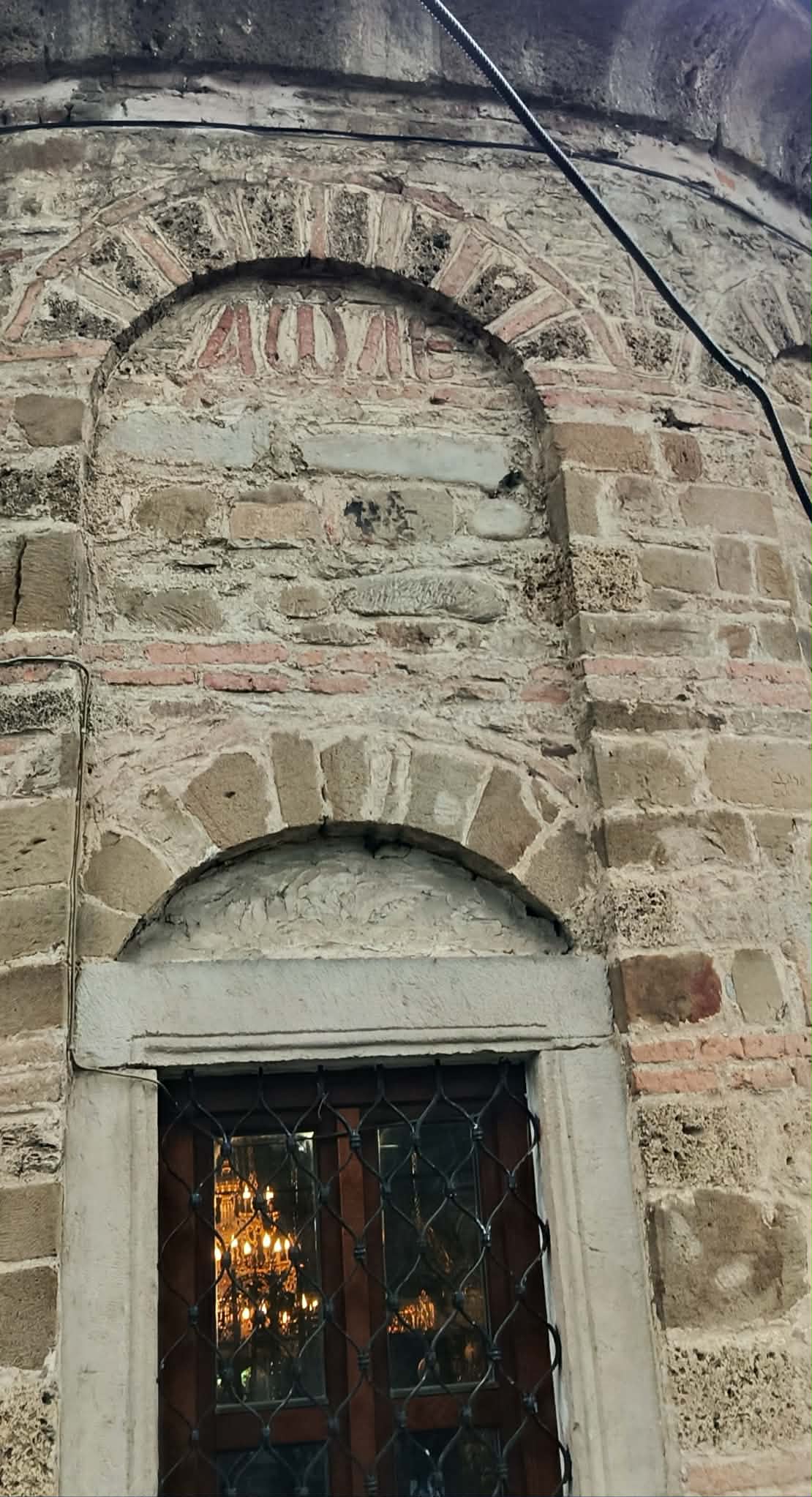
If you step outside the main church and look up at the stone craftsmanship of the eastern apse, you will find another brilliant architectural secret hidden in plain sight. Built into the topmost decorative arch, the master stonemasons cleverly utilized fragments of red brick to spell out the year the building's construction truly began. Rather than standard Arabic numerals, the bricks form the letters АѠЛЄ (or similar combinations using old Cyrillic numerals).
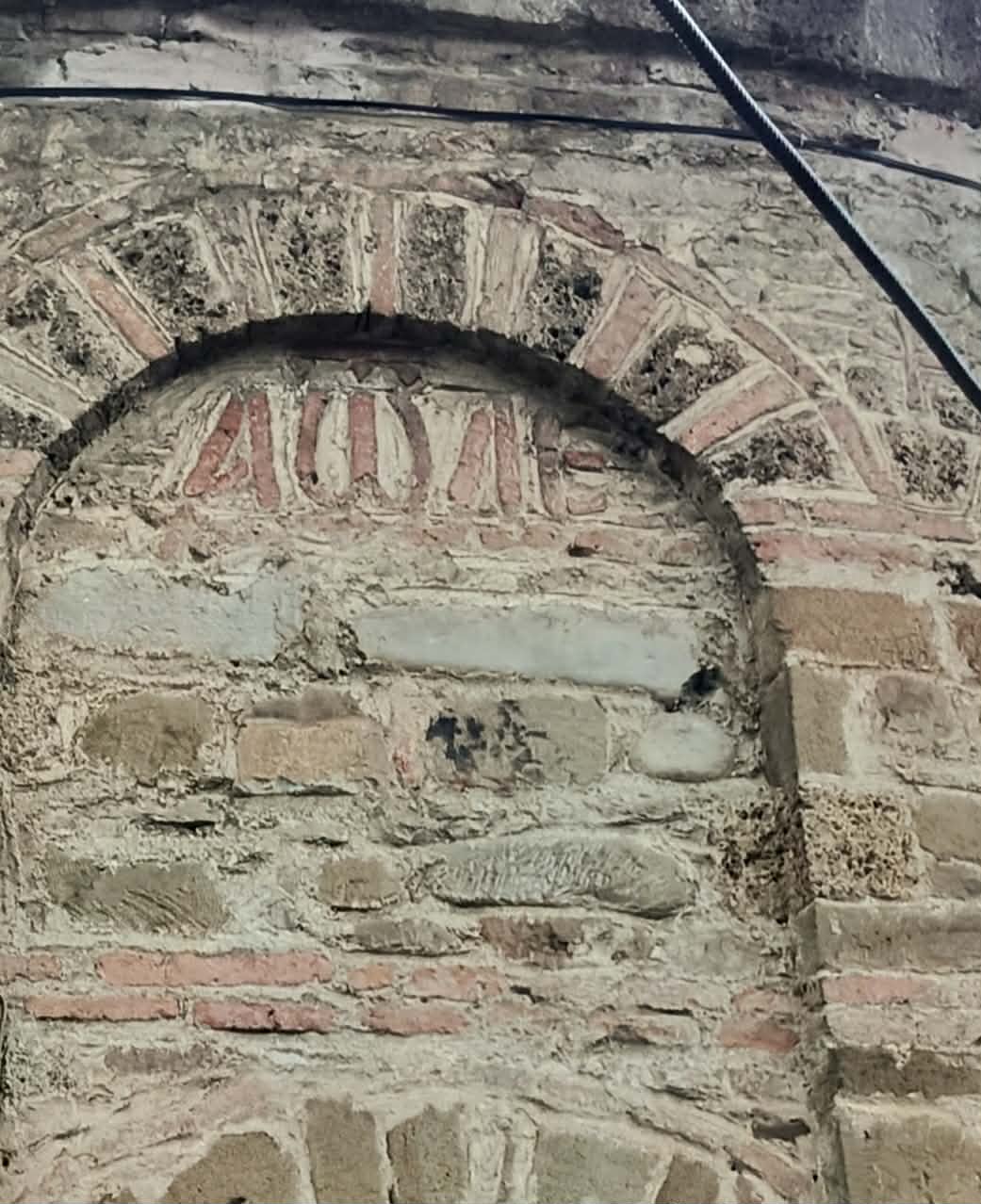
In the ancient Slavic numeral system, letters of the alphabet held specific numeric values, with a title mark indicating their use as numbers. By reading this masonry puzzle, historians can confirm the foundation year of 1835—the historic milestone when construction on this grand stone structure officially commenced following the destruction of the older church. This ingenious blending of structural materials and historical record-keeping showcases the incredible resourcefulness and pride of the National Revival builders, who literally wove the temple's birth date into its very fabric.
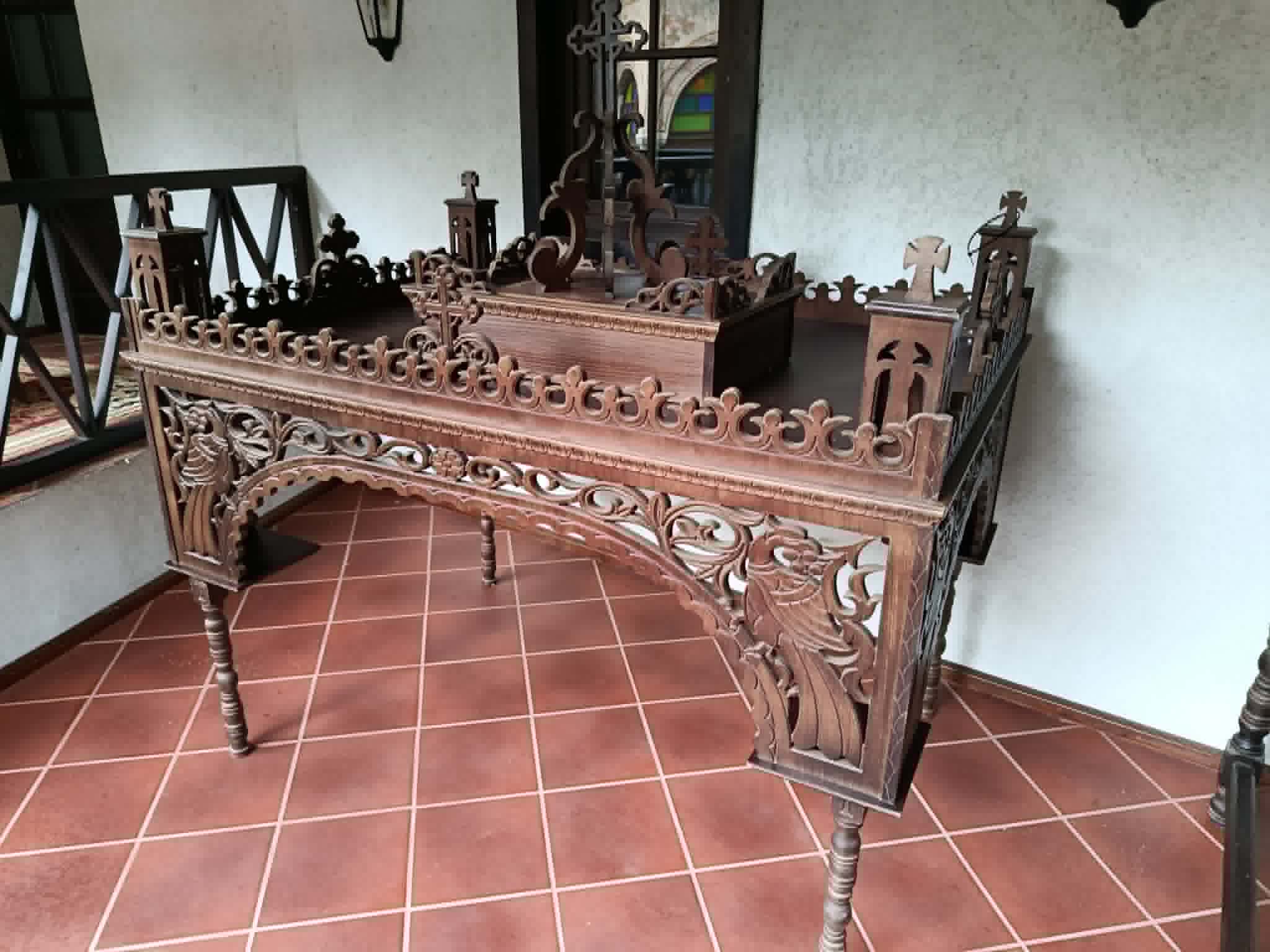
The artistic mastery of the National Revival builders isn't just confined to stone and paint; it extends beautifully into wood and clay. Looking closely at the exterior architecture and courtyard fixtures, one can find stunning examples of the region's famous craftsmanship. A beautifully carved wooden table canopy sits on the porch, showing off the intricate, deep-relief floral motifs and geometric symmetry characteristic of the local woodworking school.
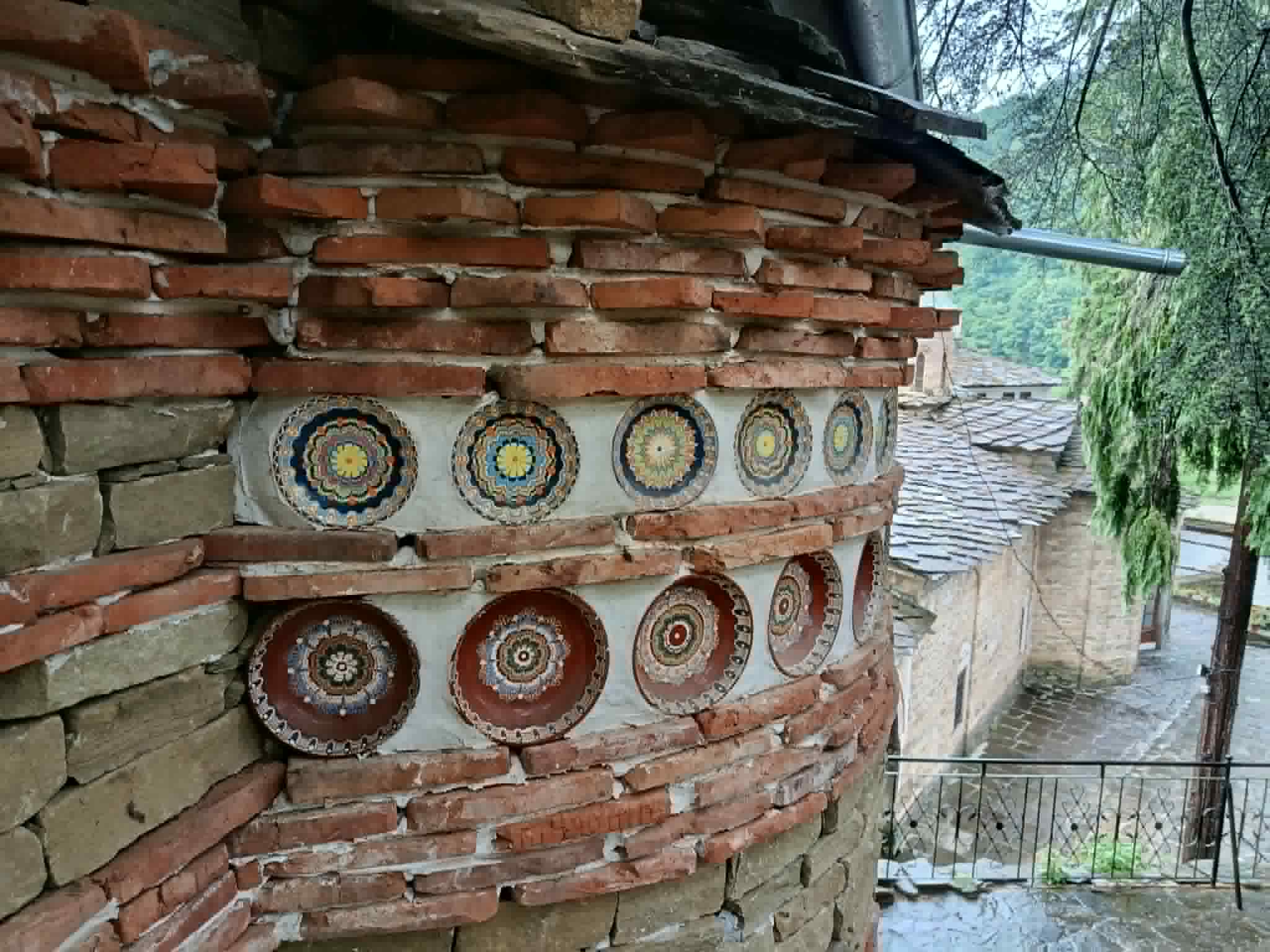
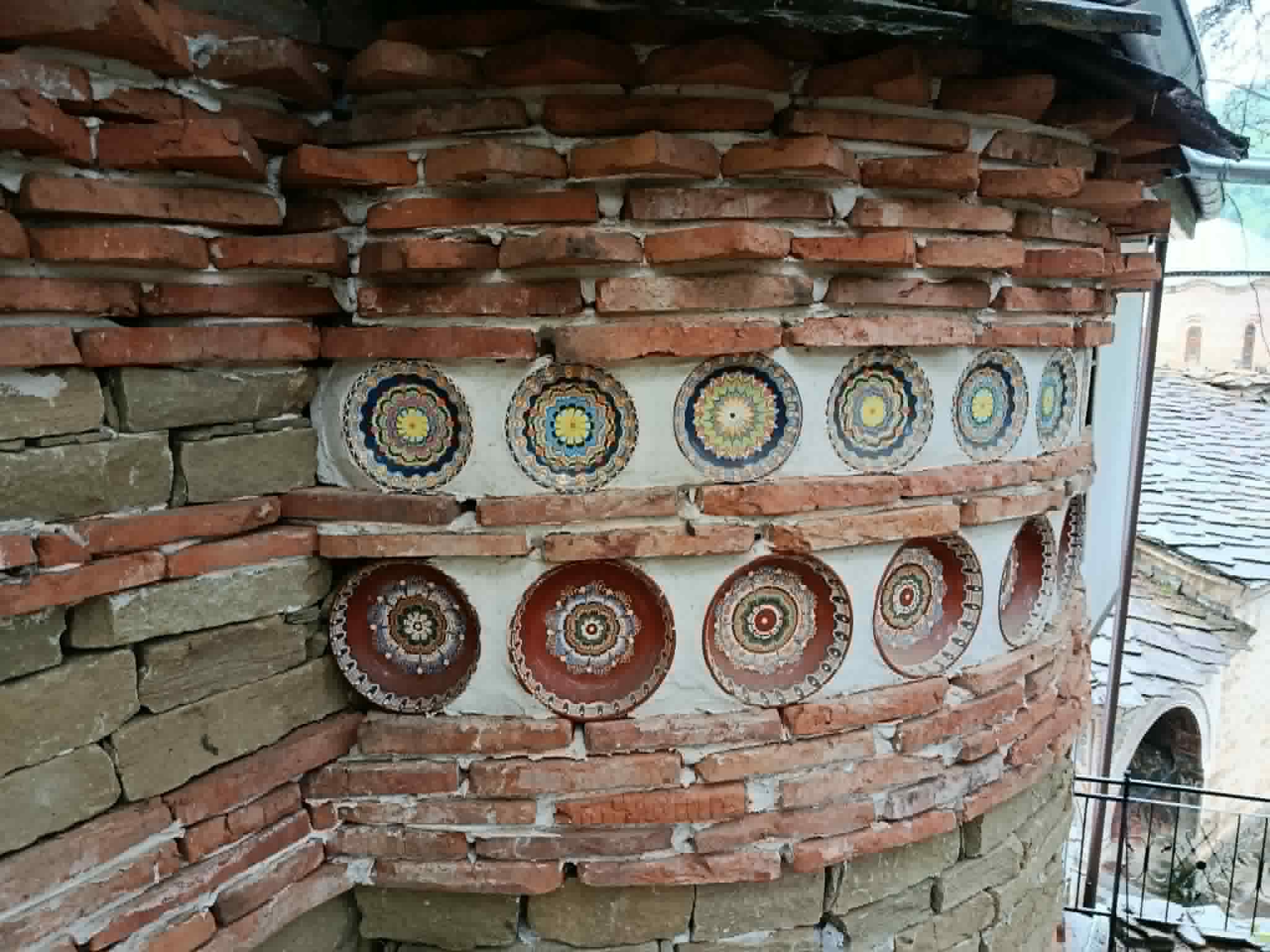
Meanwhile, built directly into the external brick and stone walls of the upper levels is a brilliant display of traditional Troyan ceramics. These decorative ceramic plates, seamlessly embedded into the masonry, feature the iconic, hand-painted "Troyan drop" pattern with its vibrant concentric circles of green, yellow, and brown. Utilizing local pottery to decorate the exterior of holy buildings was a unique regional trend, transforming the very structure of the monastery into an open-air museum that celebrates the authentic folklore and everyday crafts of the Balkan mountain people.
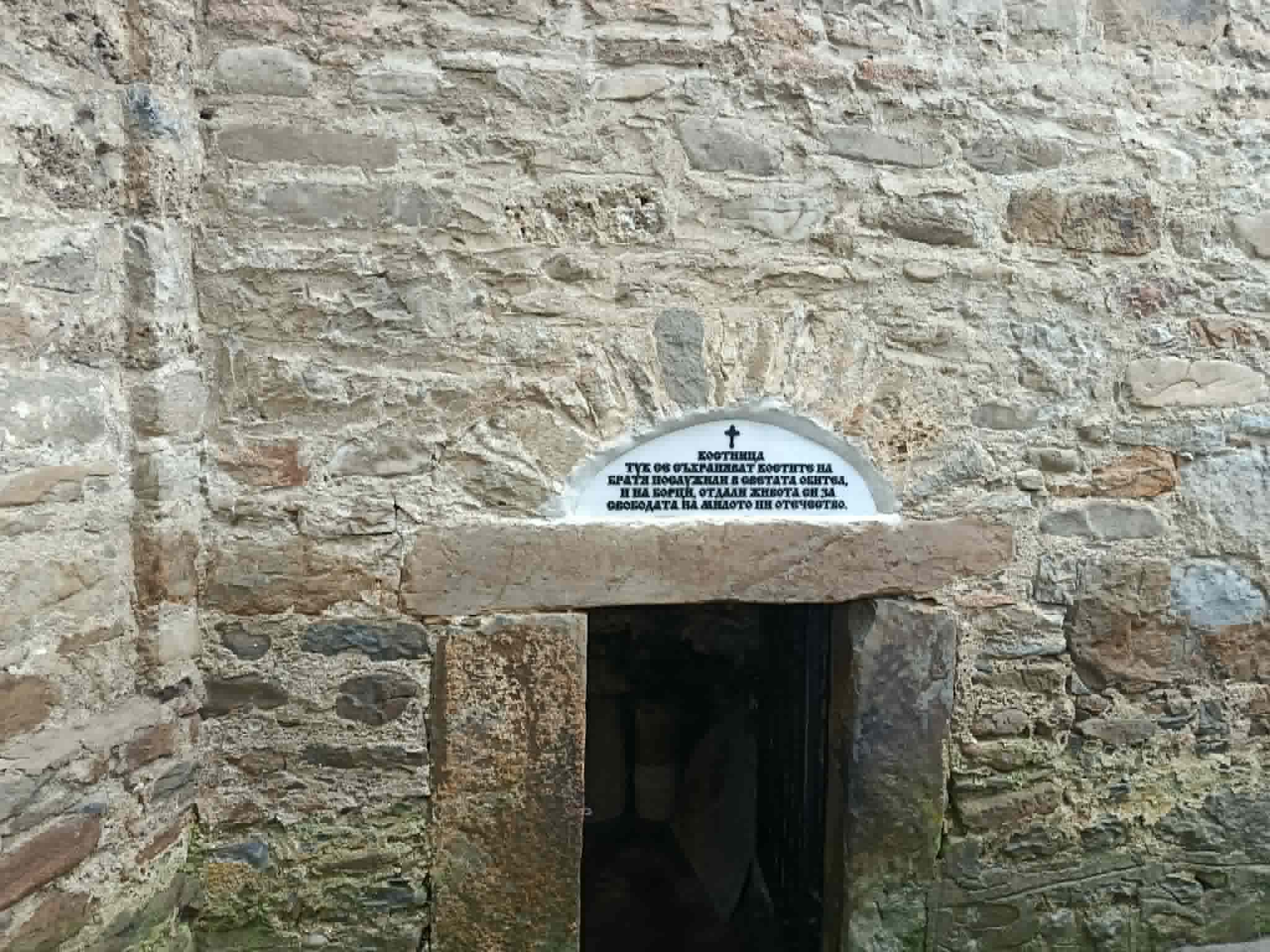
Tucked into the stone foundation of the monastery grounds is the ossuary, marked by a solemn plaque reading "Костница" (Ossuary), which serves as the final resting place for the bones of the monks who served this holy site, alongside freedom fighters who sacrificed their lives for the nation's independence. This quiet alcove honors their memory, ensuring that those who built and defended the sanctuary remain an eternal part of its physical and spiritual foundation.
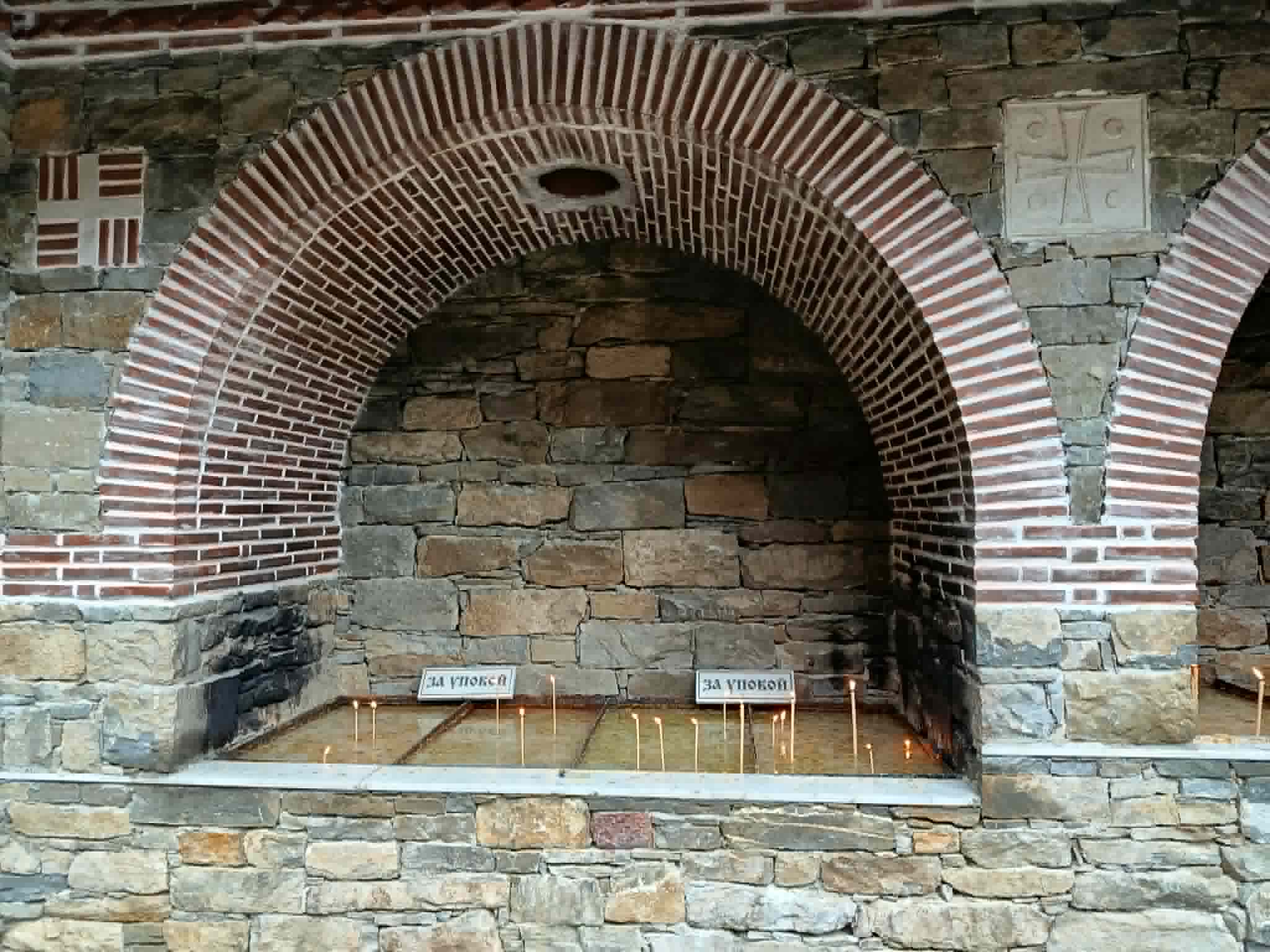
To safeguard the priceless and fragile frescoes painted by Zahari Zograf from the destructive effects of smoke and soot, the monastery has a strict policy requiring all devotional candles to be lit in specialized outdoor stone bays. Visitors can place their candles in these outdoor, sand-filled niches, which are clearly divided with signs reading "За упокой" (For the rest of the souls of the deceased) or "За здраве" (For the health of the living). This thoughtful practice allows pilgrims to maintain their deeply personal spiritual traditions while ensuring that the vibrant colors and intricate details of the centuries-old indoor artwork remain perfectly preserved for future generations.
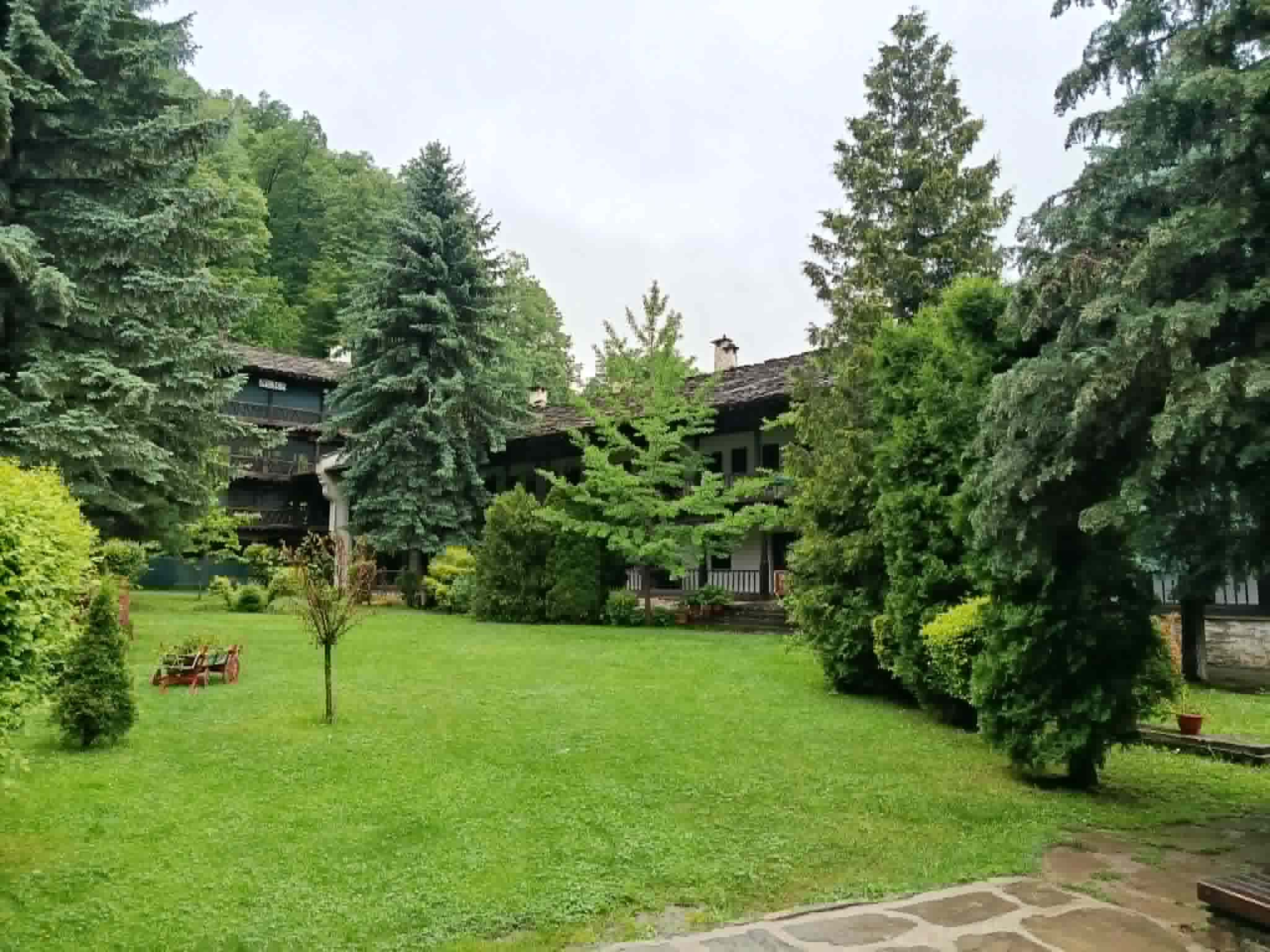
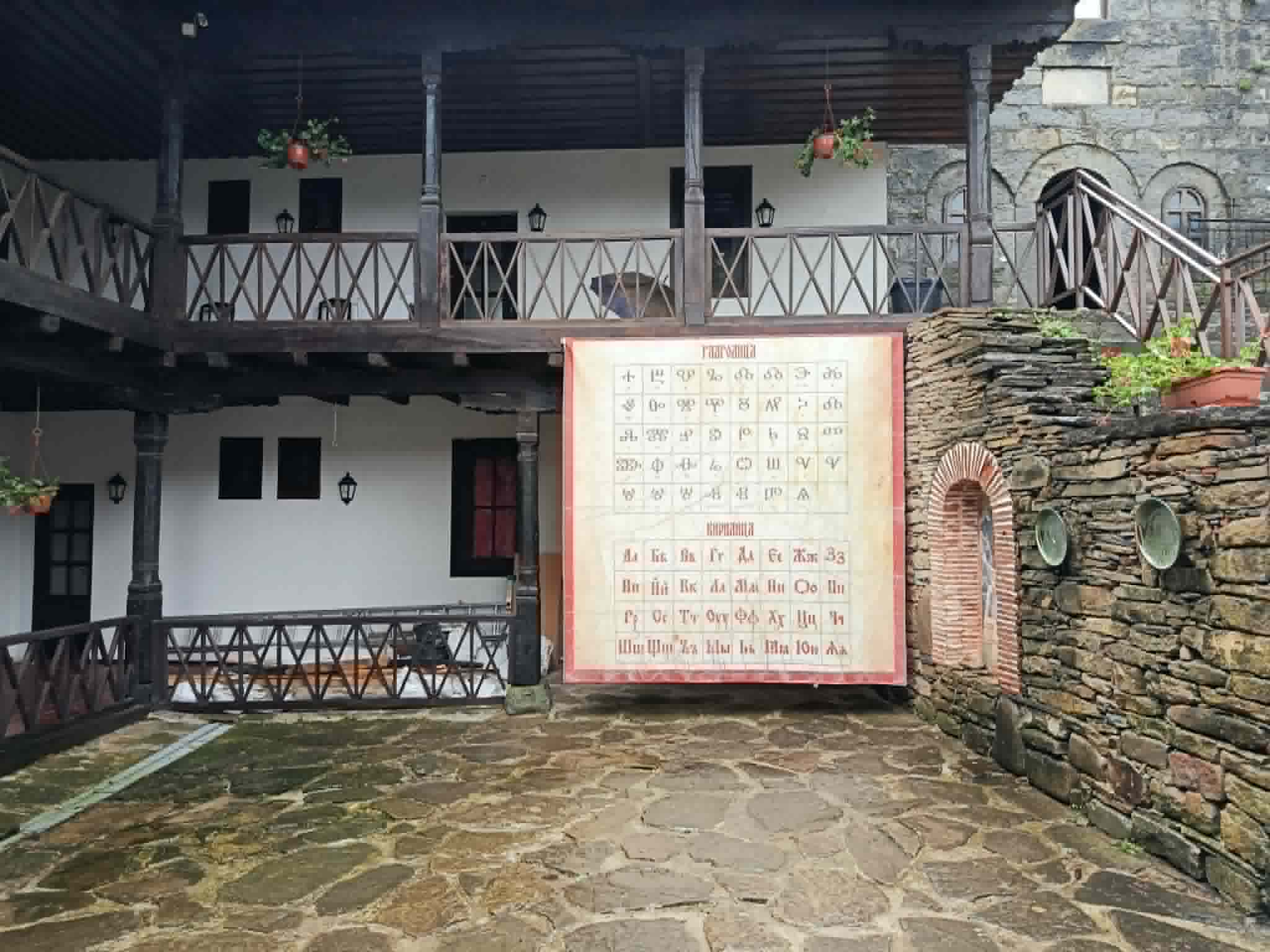
Proudly displayed in the monastery courtyard is a large educational banner illustrating the roots of Slavic literacy and written culture. The top chart displays the intricate characters of the Glagolitic alphabet (Глаголица), the oldest known Slavic alphabet created by Saints Cyril and Methodius, while the bottom chart features the Cyrillic script (Кирилица) that evolved from it. This prominent outdoor display reminds Steemit readers of the crucial role Bulgarian monasteries played during the National Revival as educational sanctuaries, fiercely protecting and passing down their native language and literary heritage through the centuries.
Ultimately, a journey to the Troyan Monastery is so much more than a standard sightseeing trip—it is an incredibly cool, hands-on dive into the living history and artistic brilliance of Bulgaria. From spotting centuries-old signatures hidden on wooden doors and cracking brickwork numeral codes, to standing before the vibrant genius of Zahari Zograf, every corner of this mountain sanctuary reveals a new secret to the observant traveler.
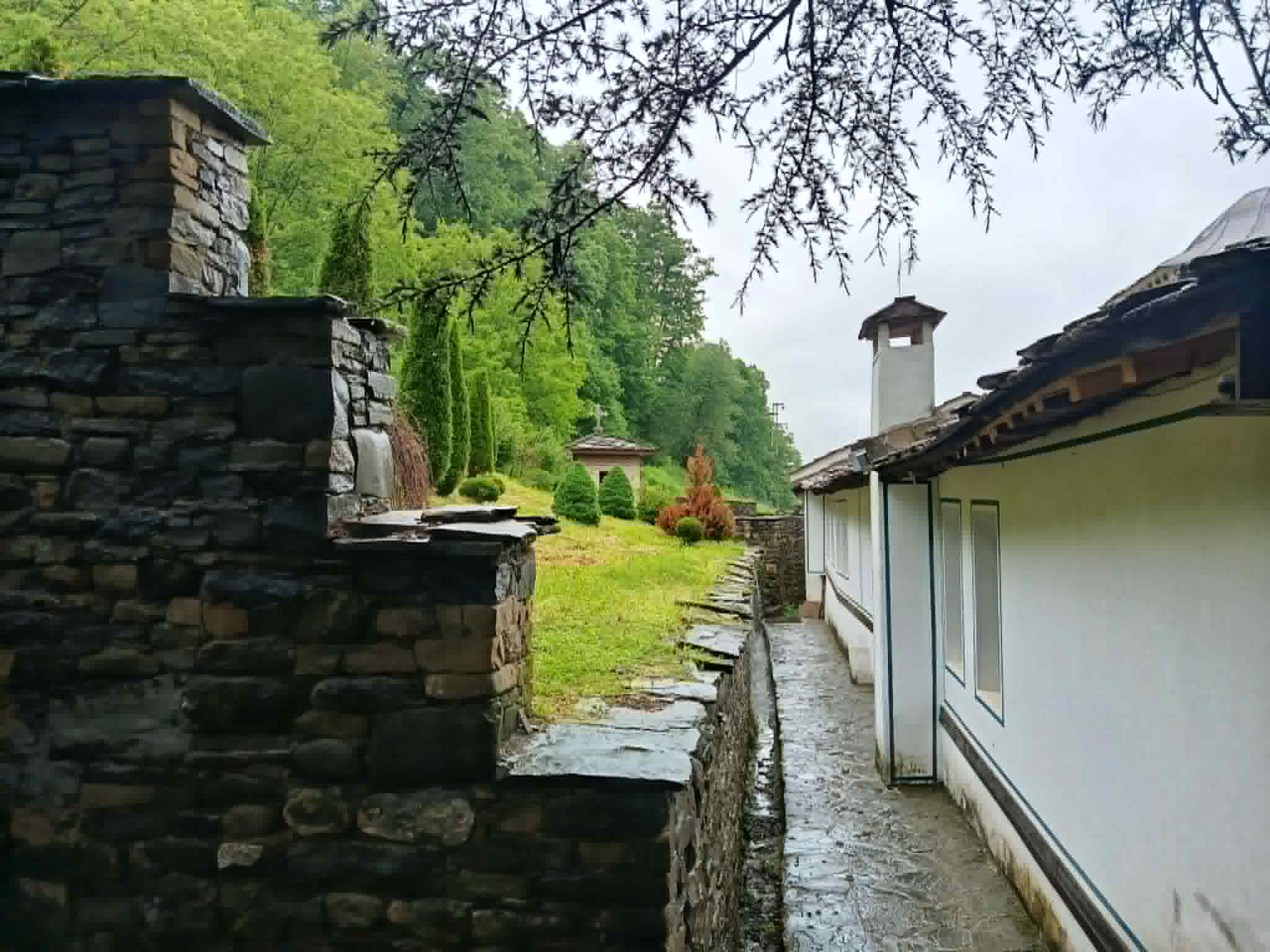
The crisp Balkan air, the rhythmic history paved right into the courtyard stones, and the profound quiet of its sacred spaces combine to make it an absolutely unforgettable escape. If you are looking for a destination that perfectly blends natural beauty, masterful architecture, and rich, detective-like historical discoveries, the Troyan Monastery deserves a spot at the very top of your travel bucket list.
THANK YOU!
High-Yield Curation by @steem-seven
Your content has been supported!
Maximize your passive income!
Delegate your SP to us and earn high rewards
Click here to see our Tiered Reward System
We are the hope!