🧾🖼️ A plague commonly called *alforra* on the island of São Miguel
A plague commonly called alforra on the island of São Miguel
After the second earthquake that occurred on this island, a plague appeared thereafter which is commonly called alforra in the grain fields, new wheat crops, and vegetable gardens, destroying and ruining everything wherever it appears or falls. There are many and diverse opinions about what it is or what causes it.
Some say it is sea dew with its saltiness that damages everything it reaches; others say it comes from the earth, which was scorched by the fire that was kindled beneath it and made it tremble, causing streams of that fire to run through it; others say it comes from the air; and others say different things.
But as for me, it does not seem to be sea dew, because it also falls on lands and places where the sea does not reach. Nor is it from scorched earth, because it also appears in extremely fertile, rich, and productive lands. Nor does it seem to come from corrupted air, because the air on this island is very pure and healthy. Instead, I believe it is a mist that falls in cords or bands in some areas and not in others, appearing in one place and then another.
As we observe, in the same land of equal quality, one plot of wheat or garden may be ruined while another, separated only by a boundary, remains healthy and untouched. Where this mist falls on wheat leaves, it appears like rust; on beans, peas, melons, cucumbers, and other garden plants, it appears as reddish drops like honey, sweet like it. For this reason, some believed it was the dew from which bees make honey.
However, after a short time, gray patches begin to appear where those drops of dew or mist have fallen—like poison that enters the body and remains while life still persists, until it reaches the heart and causes death. Likewise, when this alforra falls on melons or wheat, especially these two crops (and possibly others), the roots are immediately found rotten and corrupted. The wheat, affected in its root as if poisoned, is pulled from the ground as easily as straw, no longer attached to the soil.
This alforra produces different colors in different things: in wheat, the color of rust; in vegetables, gray; in beans, reddish tones. It seems that, like a chameleon, it takes on different colors depending on the plants it falls upon. Because wheat is a stronger plant, it takes on a rust color; vegetables, being softer and more humid, turn grayish-white and even appear covered in dust or ash, giving the gardens a sea-like smell after the plague falls upon them.
Others say that excessive exhaustion of the land caused the alforra, although it also seems to come from the weakness of the soil itself, already tired from being continuously cultivated every year. If the land were allowed to rest, as in fallow systems used in Portugal, it might produce fruit more healthily. But instead, it is forced to produce two or three harvests per year, becoming exhausted, weak, and susceptible to pests and this plague.
But above all, I say that no human remedy is enough to free us from the hands of God when He wishes to punish us for our sins, except through the correction of our lives and customs and sincere prayer for His mercy. It may be that the neglect of tithes and injustices committed against God are also part of this punishment.
Some even say that after the second earthquake, the very nature of the air changed over time. A mist falls on wheat like rust, staining clothing and shoes with reddish dust. On green plants such as melons, cucumbers, and pumpkins, it leaves white stains like drops of lime water, giving the gardens a foul smell and destroying the crops.
This mist is commonly called alforra on this island, while in Portugal it is called “rust” when it affects wheat, and “mangra” when it affects gardens. The reason for these names is uncertain, except that they seem to have been given arbitrarily.
Before the second earthquake, this plague did not cause noticeable damage. It seems that, just as God chose to frighten and warn the people of this island with earthquakes and fire, He also chose to punish them with this plague. What was spared by one disaster was consumed by the other.
Some say the name alforra may mean “something that has become foreign or changed,” as if it were no longer what it once was. Others suggest it may mean that it “frees people from labor,” because once it falls, farmers stop cultivating their fields, considering them lost.
And since this plague occurs every year, many no longer wish to sow or maintain gardens, especially in the northern areas. Thus, it frees them from labor, but not in a beneficial way, rather by destroying their livelihood.
I believe that, since the second earthquake, the air and earth became altered. Large areas were covered with ash and pumice stone mixed with sulfur and other harmful materials. From these, corrupted vapors rise into the air, mixing with mist and falling again as poisonous dew, damaging wheat and garden crops, especially the most delicate ones.
In conclusion, from what has been said, it can be understood that alforra is caused by corrupted vapors and mist mixed with harmful substances from the earth, especially after the earthquake, which altered the soil and released unhealthy exhalations.
Thus, the air gives back to the earth what it receives from it: when the earth releases pure vapors, the air produces dew and rain; but when it releases corrupted vapors, it produces harmful mists such as this alforra, which damages everything it touches.
If any single cause is not enough to produce it, then several causes together may well be responsible.
Sometimes strong winds damage crops not only on this island but also in others. And to all such damages, whatever their cause, the people commonly give the name alforra.
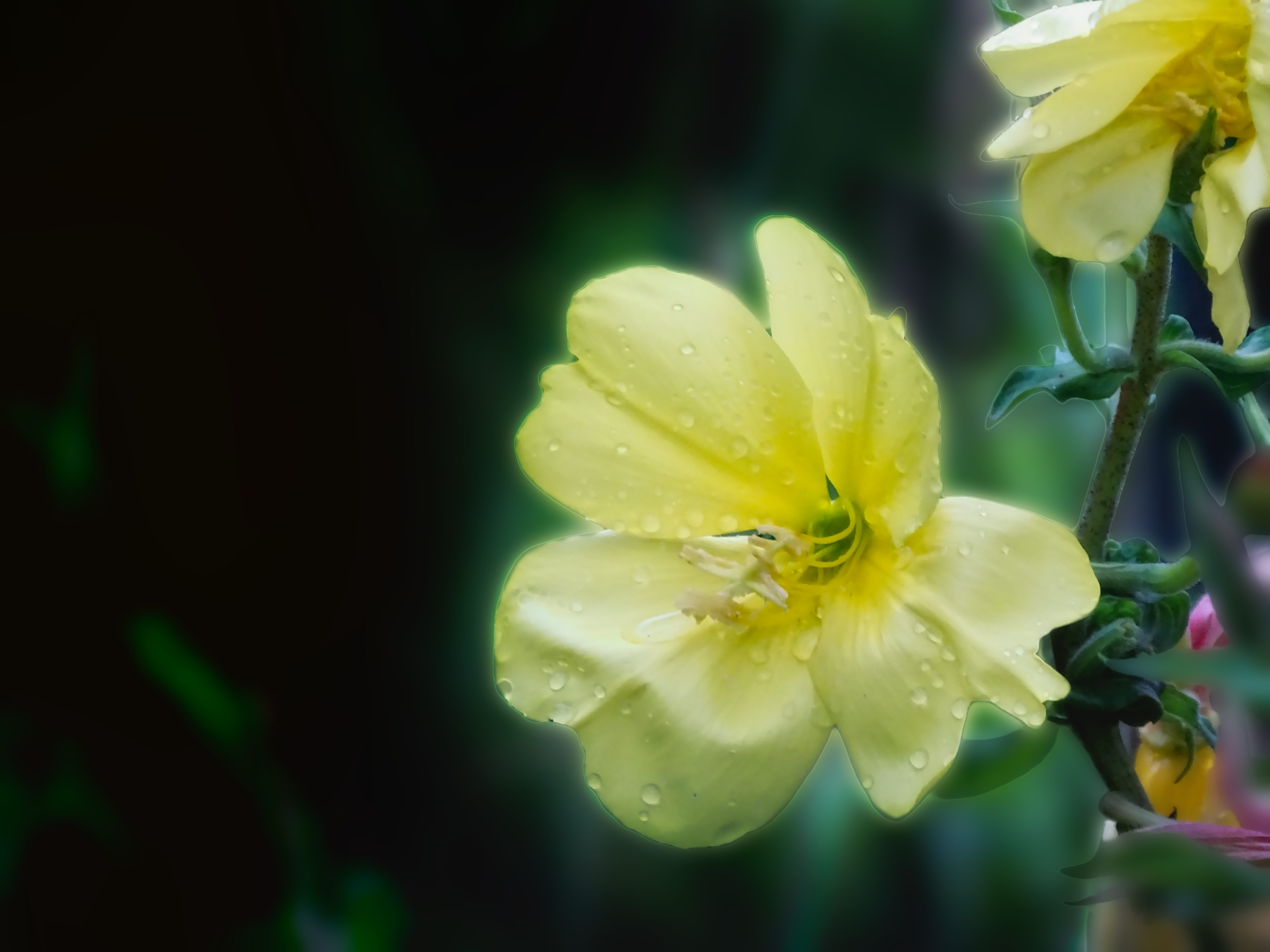
| Category | #photography |
| Photo taken at | São Miguel Island - Azores |


@marcoteixeira
Upvoted! Thank you for supporting witness @jswit.