SCS32-W5 | Real-Life Problem Solving Challenge: Study Techniques
As a university graduate who is currently pursuing another degree, I have to tell you that reading your note is never enough if you want to ace any course.
That's a problem.
I've seen brilliant students read for long hours, recopy their notes but end up with grades they are not proud of.
In the next 90 seconds, I'm going to show you a study technique I find effective and digital tools that help make my work easier.
So what study technique do I often use, and how effective is it? |
|---|
The first on the list is organising my past questions. Yes. Students are encouraged to attend classes, read their study materials and complete every continuous assessment test. But what's the need of doing all these if you do not understand what you are actually preparing for?
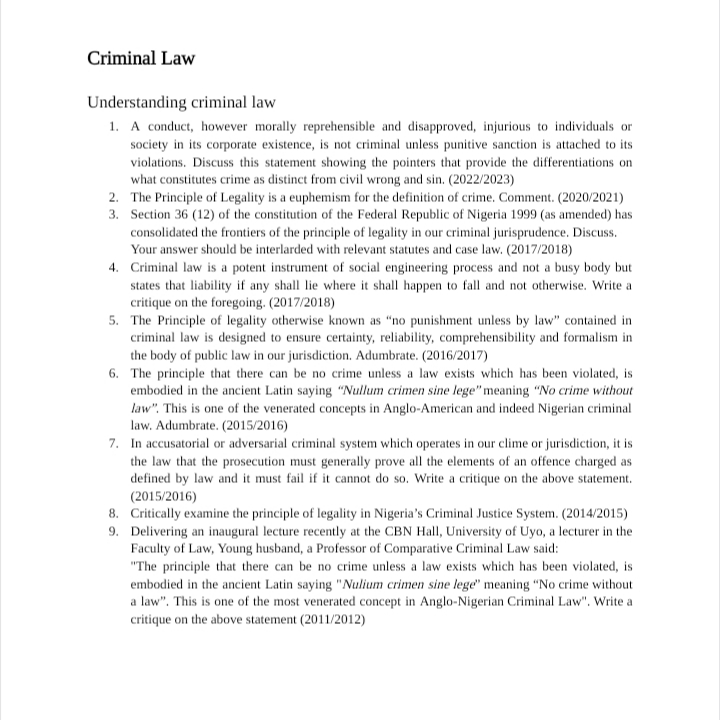
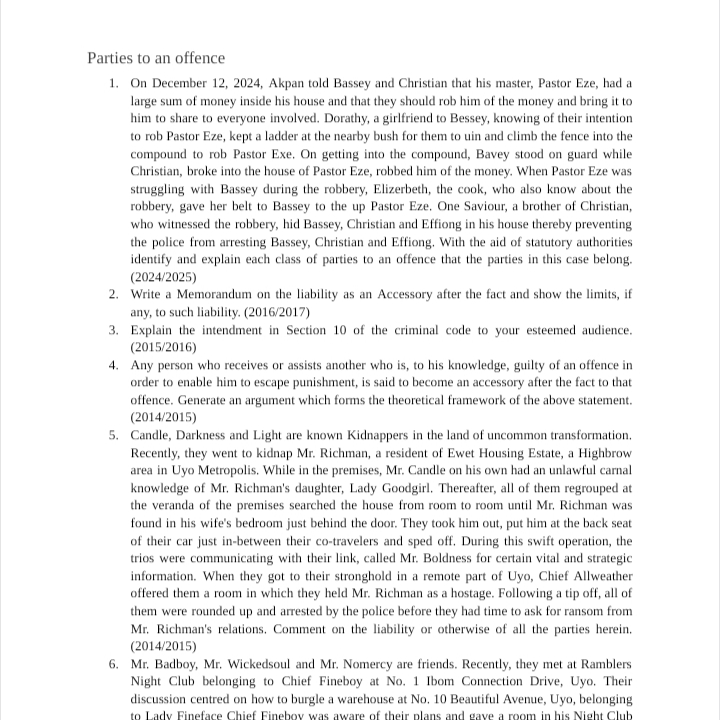
Before I start reading, I try to first identify the patterns. I'd get the past questions from the library, pick my course outline for the semester and organise those questions based on the course outline.
For example, I'm offering Criminal Law. There are 8 topics for the semester. I have gathered every past question I can find for the course, then grouped the questions under each topic.
 |  |
|---|
Doing this helps me identify recurring questions. That way, if I'm studying for an examination, I know where to channel my energy, the points I have to master, and areas that demand more attention. Chances are that a variation of that question might pop up during the next examination, and I need to be armed to the teeth.
What is the biggest distraction that affects my studies, and how do I control it? |
|---|
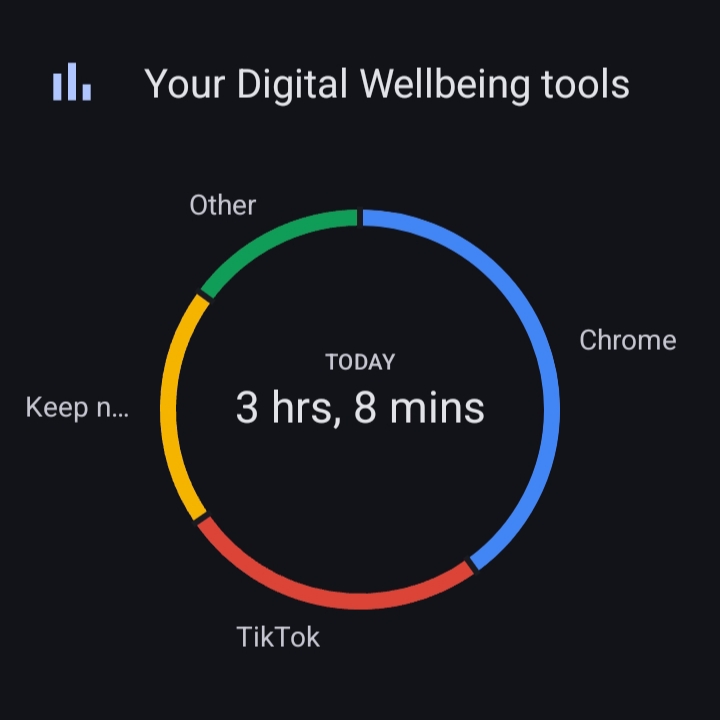
Honestly, my major distractions are my digital devices. If you are a 21st-century student, you'd agree that these tools do not just serve as a source of entertainment but also double up as the tools we rely on for our daily bread.
So, when I'm not doomscrolling tiktoks, I am often stuck with researching my next content idea, replying to emails or contacting a client or brand I'd love to work with.
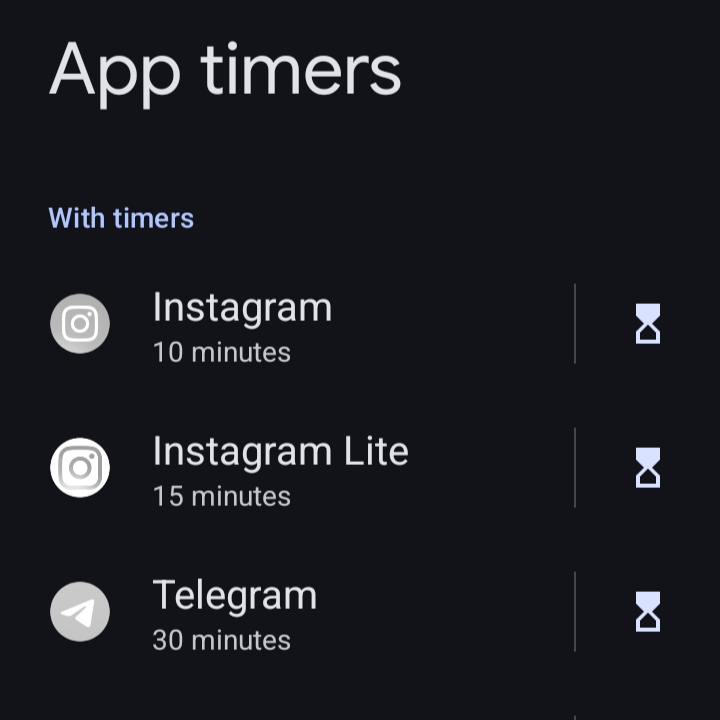
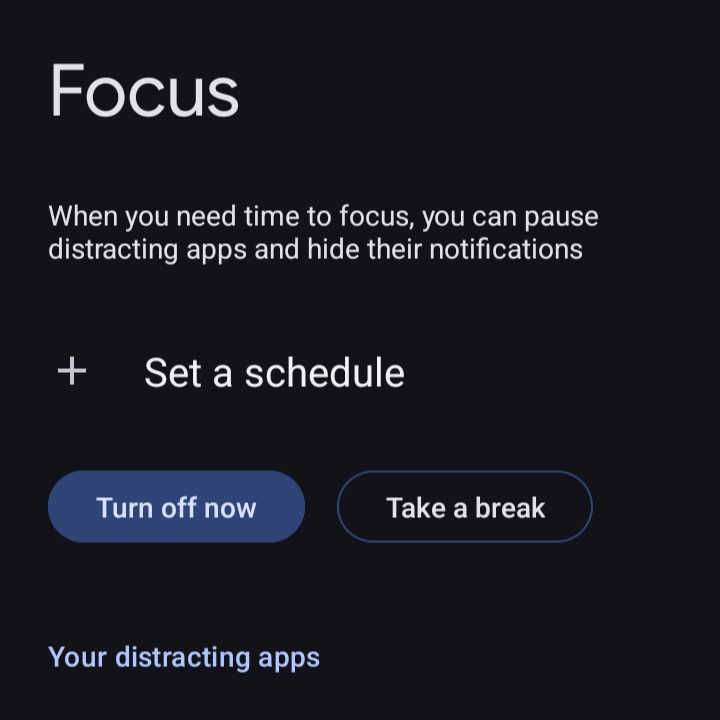
This is time consuming. For someone studying a course with heavy course credits, I can't throw caution to the wind. Usually, I use tools that track my activities like Digital Wellbeing, Clockify, etc. That way, I can maintain a balance between my academic and social life.
 |  |  |
|---|
What is one good habit that helped improve my academic performance? |
|---|
I'd say it's discipline.
I have tested procrastination, insufficient preparation and overworking myself. I can attest that discipline is a good habit that surpasses them all.
When you build discipline, it becomes easier to stay committed to your studies and focus on your priority, which gives better results in the long run.
Digital tools, apps, or resources that I commonly use for study |
|---|
With technological advancement, learning has become easier and more accessible. Students no longer have to spend time in libraries searching for one book or traveling long distances to find a suitable tutor or study materials.
I'm grateful for this. I'd tell you some tools that make studying fun and interesting.
- Quizlet: This is the tool I used for creating and studying flashcards.
- Gemini: This AI assistant generates interactive, adaptive quizzes tailored to my specific learning abilities. It's what I use after reading a topic.
- Claude: This AI tool is capable of creating interactive quizzes, PDFs, and slides. This is my go-to companion when I need help with spotting out any learning gap, especially when practicing the past questions I mentioned above.
- Google Sheets: It helps me track my daily study activity.
- Google Drive: This is where I store all my notes, assignments, PDFs, etc. Each level and course has a dedicated folder. That way, I can easily locate materials when junior colleagues request them.
- Google Scholar: One of my go-to websites for academic journals and publications.
- Google Classroom and Kahoot: Some other virtual tools I use when hosting academic quizzes and peer-learning activities for other students.
My advice to students who struggle with anxiety and depression during their studies |
|---|
Anxiety arises when one feels inadequate. The only way to build your confidence and defeat that depression is by getting to understand the topic.
My lecturer once said, "When you read or study any topic, you'd always feel confident to speak about it." So, I'd extend this to any student struggling with anxiety. I'd encourage you to study and get yourself well-versed with your course material.
I understand there might be other factors that give rise to these issues, but if you can apply what I just said, you'd see better results. However, regardless of whatever happens, I'd love you to remember that your self-worth isn't tied to your grades, achievements or failures. You deserve everything good and no grade should ever define how you see yourself.
In summary, the study techniques that improve my academic performance include:
- Identifying the patterns
- Limiting distractions and
- Inculcating discipline.
For want of time, I've tried to keep this as concise as possible. But if you have any question(s), do well to share them in the comment section. I'm willing to share my experience and suggest ways on how to overcome any academic challenge. Thank you for reading! ❤️
| Inviting @pandora2010, @bossj23 and @desirechi. | Contest |
|---|
Today there are several apps that help us get organized and speed up our studies, both to avoid stress and as a study tool. Of course, not everyone has access to the technology to use these apps and has to do it the traditional way: reading, organizing, highlighting, and so on.
We'll always apply study techniques however we want to organize ourselves, but as you're right in the first part, and as he says, it all starts with reading what we have and then shaping those ideas using tools or techniques.
Good luck, friend.
0.00 SBD,
7.12 STEEM,
7.12 SP
You are right. There is so single technique that is most effective. Many students have their preferred methods. Some the traditional way, while others prefer modern technological tools as well.
But from experience, reading has never been enough. Which is why I always start with organising my work first so we don't burn long hours reading the wrong things.
We are allocated barely 13-15 weeks so there is basically little time to waste.
Thank you for reading through and sharing such beautiful thoughts. Wishing you a blessed day!
0.00 SBD,
3.09 STEEM,
3.09 SP
Thank you for the support. Wishing you a blessed day!
Congratulations your comment support by sc08 team -@sualeha
Greetings
Past question help a lot because it give students an opportunity to prepare themselves as well as to have experience on how to answer any questions that come their way. I once read past question of joint admission matriculation board (Jamb) for exam, I thank God that all what I read come out, I passed the exam where I used the results to gain admission to the university. Best of luck
0.00 SBD,
4.77 STEEM,
4.77 SP
Congratulations to you!
Past questions helped my life as well. I remember when I had to study every night for six months just to get the highest score as possible in order to gain admission into my preferred course. It paid off at the end.
Reading notes is good. But practicing questions help you identify the knowledge gaps so you can fill them.
Our train our brains to recognise information when we read but active our active recall abilities when we practice answering these questions.
Thank you for the support. Wishing you a blessed day!
Saludos cordiales, compañera.
La técnica que usted utiliza sobre organizar las preguntas de los exámenes anteriores en maravillosa, ya que nos permite estudiar mejor, y además estaríamos mucho mejor preparados para las posibles preguntas.
Lo que expresa en la quinta pregunta también es muy cierto, cuando estamos mejor preparados la ansiedad tiende a disminuir progresivamente. Prepararse bien es fundamental para disminuir la ansiedad académica y el estrés.
Fue un placer leer su participación, le deseo el mayor de los éxitos en la dinámica.
Bendiciones.
Thank you for reading through.
I can't agree less. Anxiety occurs when we feel inadequate, insufficient and "not-so-good" enough. But being well-prepared boosts our confidence.