No-till as a panacea.
No-till as a panacea.
I'm interested in learning new farming methods, but as the saying goes, everything new is just the same old, just reinterpreted in a fashionable way. Apparently, this is the case with the method of non-intervention in natural processes known as no-till, or, as it's scientifically known, zero-tillage.
Well, yes, sometimes nature really does work miracles, but not always.
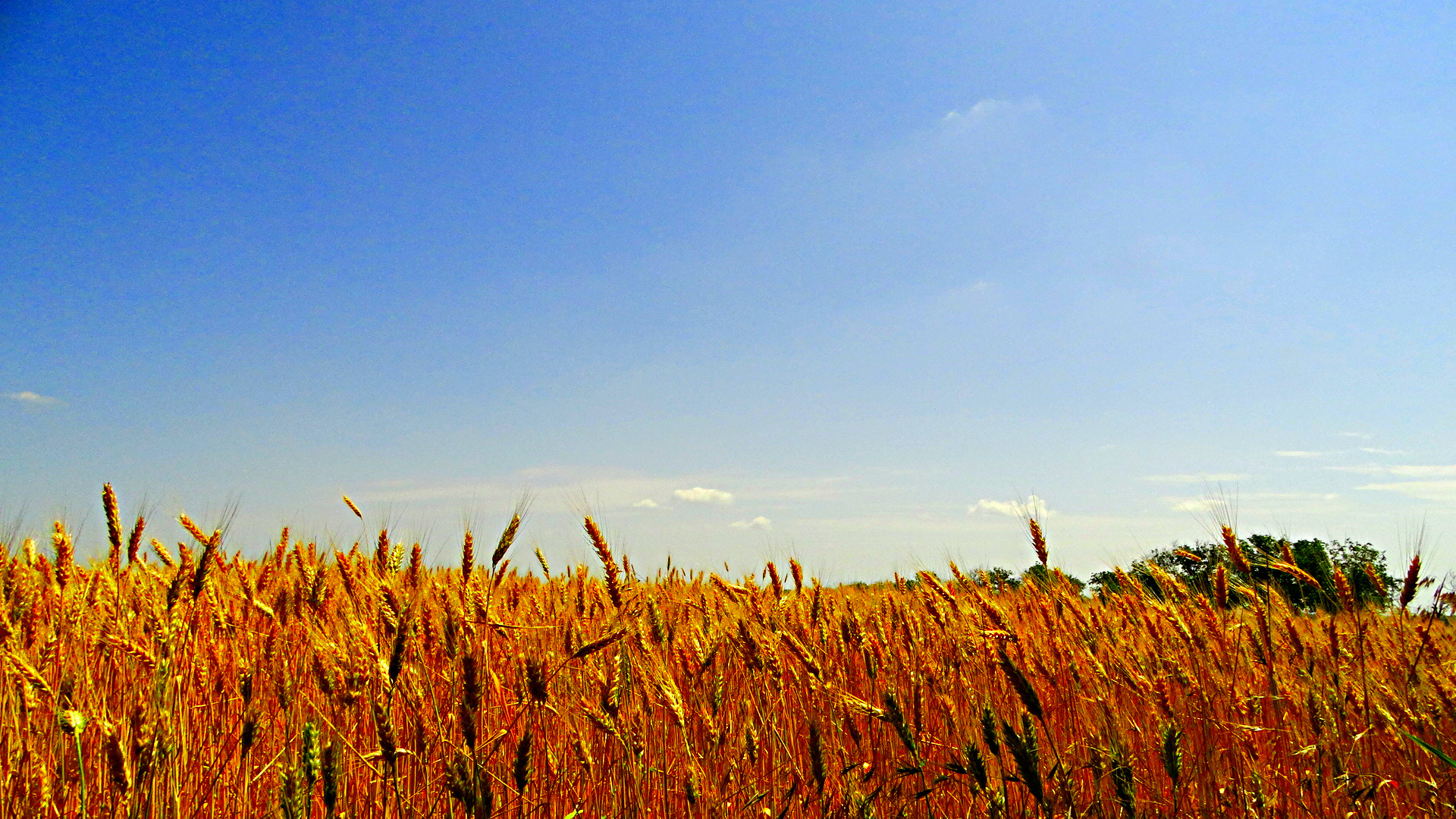
For example, I was listening to a conversation between two farmers who grow corn. One of them worked tirelessly, spent money on soil protection and cultivation, and didn't see the desired results, while the other, as he says, sowed almost to the top and got a huge harvest.
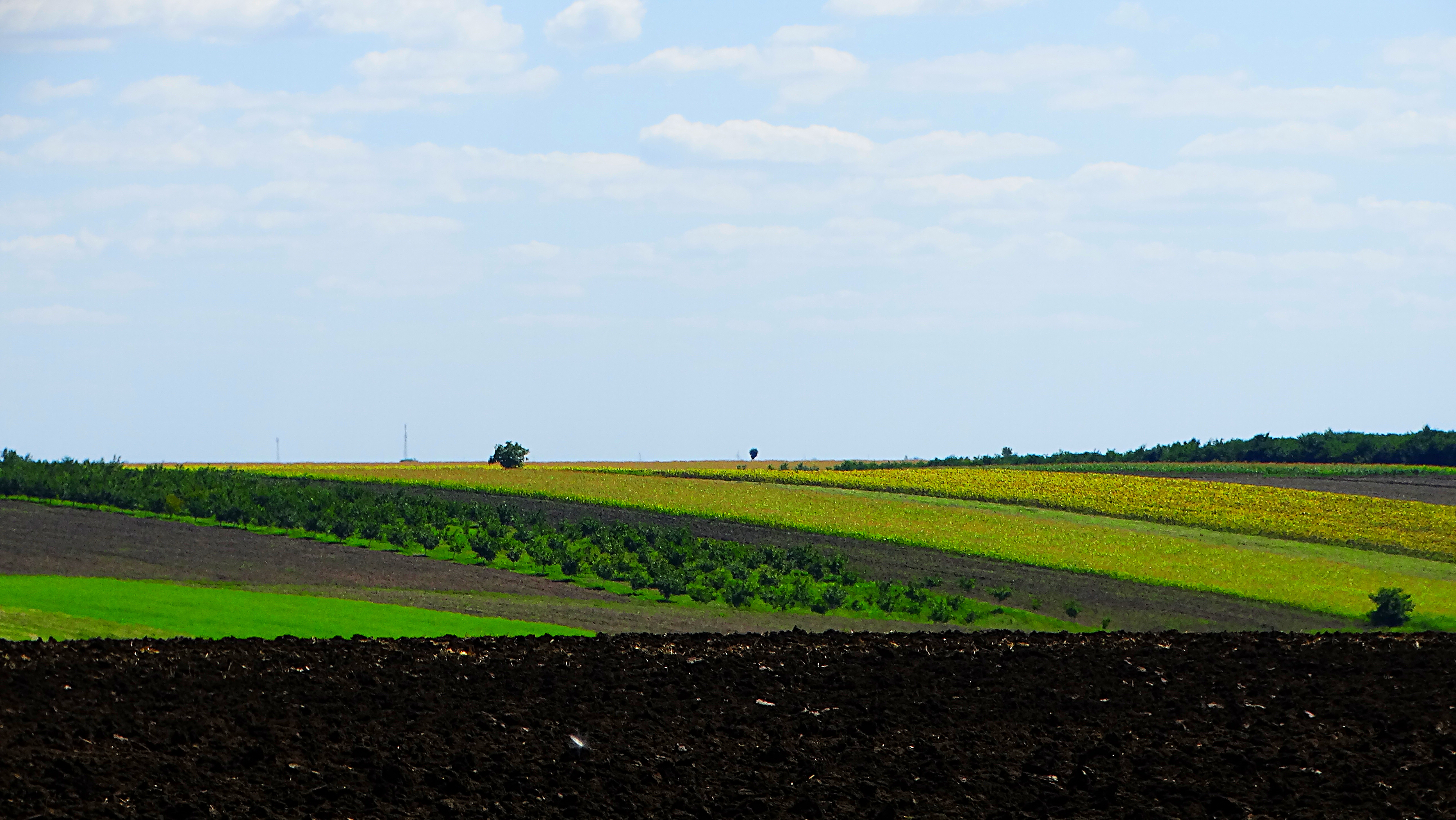
You know, every fairy tale has a grain of truth in it, and the rest is true. So, even what people try to pass off as truth can contain a lot of truth.
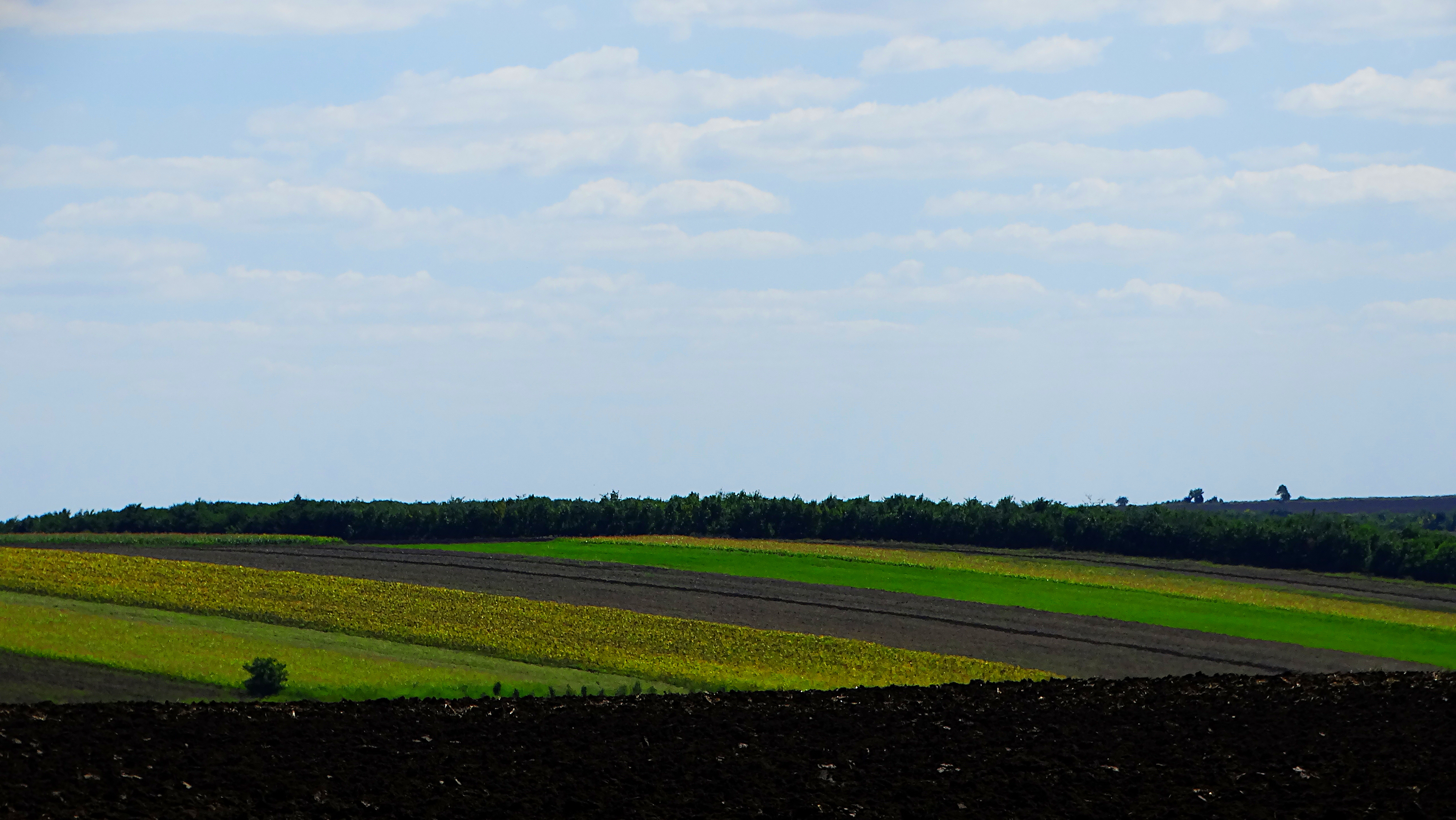
People often leave things out, omitting details that are essential to success.
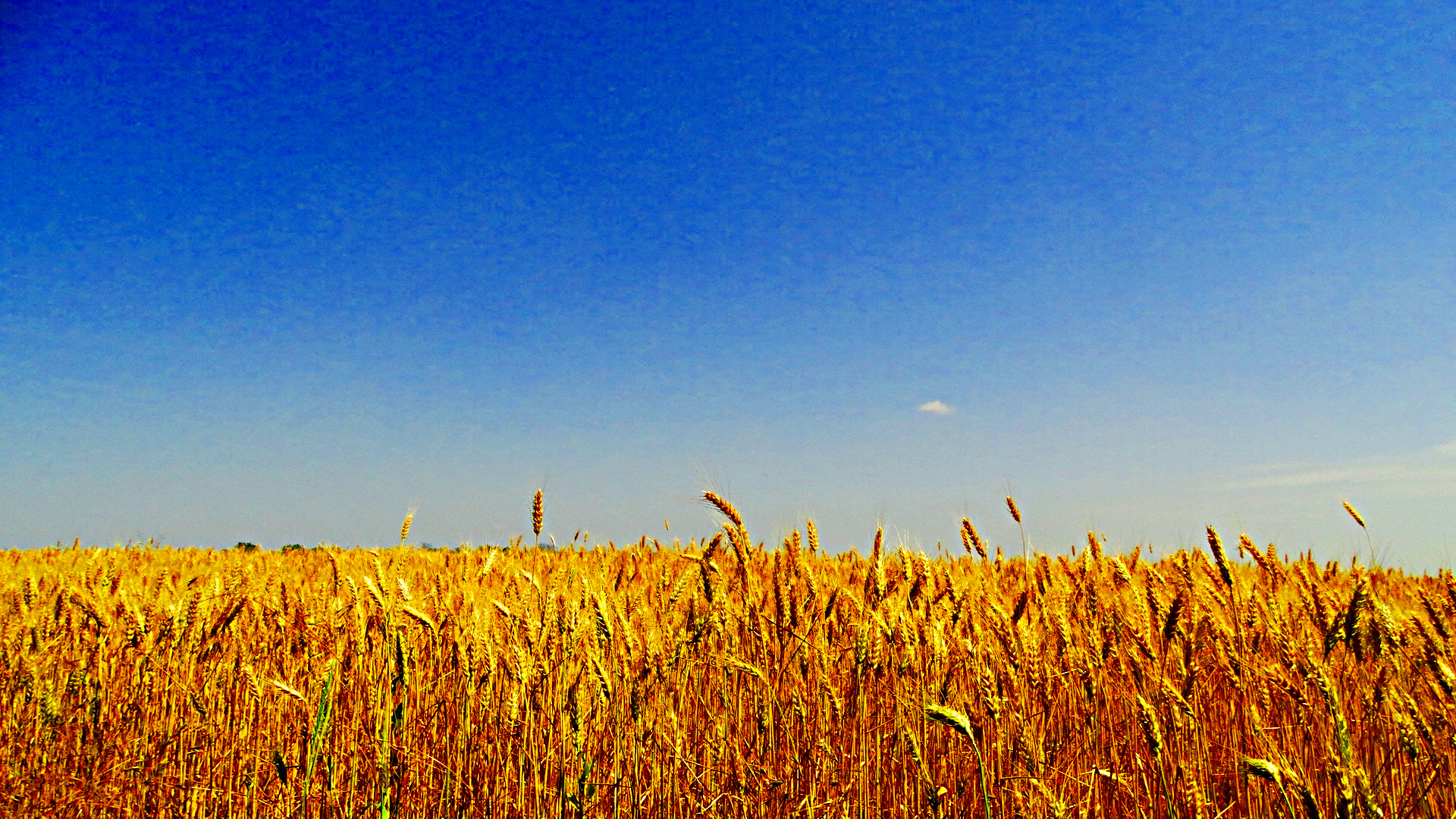
Essentially, only through trial and error can one discover the truth, and that's always a waste of time. Whether No-Til is worth it or not, I'm not yet sure.
Zoom in on a photo for a closer view.
More to come!
Enjoy viewing the photos and reading the article!
Have a blessed day!

| Category: | Art, Photography, digital art. |
| Tools: | Sony Cyber-shot DSC-HX300 |
| Location: | Ukraine |
| Author: | Author @barski. In my publications you will see only my author's works. |
I swear I didn't know this technique existed, the agricultural technique that involves sowing without plowing or deep soil cultivation. I also believe there are no magic formulas in agriculture that work everywhere. The no-till method can offer significant advantages, such as reducing soil erosion and better moisture retention, but much depends on local conditions. I'm an office worker, but I'm starting to learn more about agricultural soil cultivation myself.
I think that to start doing nothing in a field, you need to thoroughly prepare it for several years and put in a lot of work. :) For example, by sowing it with green manure crops rich in nitrogen and phosphorus, which will crowd out the cylindrical crops.
Personally, I've seen tomatoes thrive at the edge of a forest in thick grass without any tillage, but the soil there is rich in organic matter and micronutrients, there's no weathering, and competition, judging by everything, is of little importance.
And in the middle of the cylindrical fields, competition, as logic suggests, will be the main factor. How can you manage without fighting weeds? I don't know, only, as I already said, by overcoming them over a few years with other crops, such as legumes.
I also became interested in agriculture after half a century :)
I can tell you that for years, the price of agricultural land in Italy has been falling, but since last year the price of agricultural land has been rising again.
It would be surprising if land continued to fall in price, food isn't getting cheaper, but the demand is so high... the land itself is sometimes unreasonably expensive, considering the abandoned villages. I'm talking about land in my homeland, Moldova, which is very close to Italy in terms of agricultural sectors. :)
By the way, the Italian bee breed, renowned for its productivity and peaceful nature, is becoming increasingly popular in Moldova. I'll start an apiary with these bees at the first opportunity. Moldova, like Italy, also has developed viticulture and livestock farming. Moldovan cheeses are not much different from Italian ones, as are the language and family values. :)
Land without a water source is of little value to a buyer (sellers have a different opinion on this), and water for irrigation has been becoming scarce in Moldova in recent years, rivers and streams are drying up, but perhaps this can be reversed.