Golden Light of Spring: The Untold Story of Wild Daffodils and the Beauty of Renewal
Introduction
There are moments in nature that feel like quiet celebrations. No noise, no crowds, no announcement — just a gentle explosion of color that signals a new beginning. Among all the flowers that bloom in spring, few carry the same emotional warmth and symbolic power as yellow daffodils.
These flowers do not whisper.
They glow.
Like drops of sunlight rooted in the earth, daffodils transform ordinary landscapes into places of joy. Whether found in gardens, fields, or growing freely in the wild, their presence changes the atmosphere instantly. They bring brightness after long winters, hope after silence, and energy after stillness.
The photos I captured of these yellow daffodils are more than simple images. They represent a moment in time when nature shifts from survival to expression — from endurance to celebration.
This post is not just about flowers.
It is about renewal, resilience, light, and the quiet strength of beginnings.
The Emotional Power of Yellow
Color in nature is never random. It communicates.
Yellow is one of the most psychologically powerful colors we experience. It is associated with:
warmth
happiness
optimism
clarity
energy
awakening
When we see yellow flowers, our brain reacts almost instantly. It feels lighter. More open. More alert. More alive.
Daffodils carry this effect in its purest form.
They bloom early in the season, often when the world is still waking up. Their color contrasts sharply with muted landscapes — brown soil, pale grass, fading winter tones. And that contrast creates emotional impact.
They don’t just decorate nature.
They activate it.
A Field of Golden Awakening
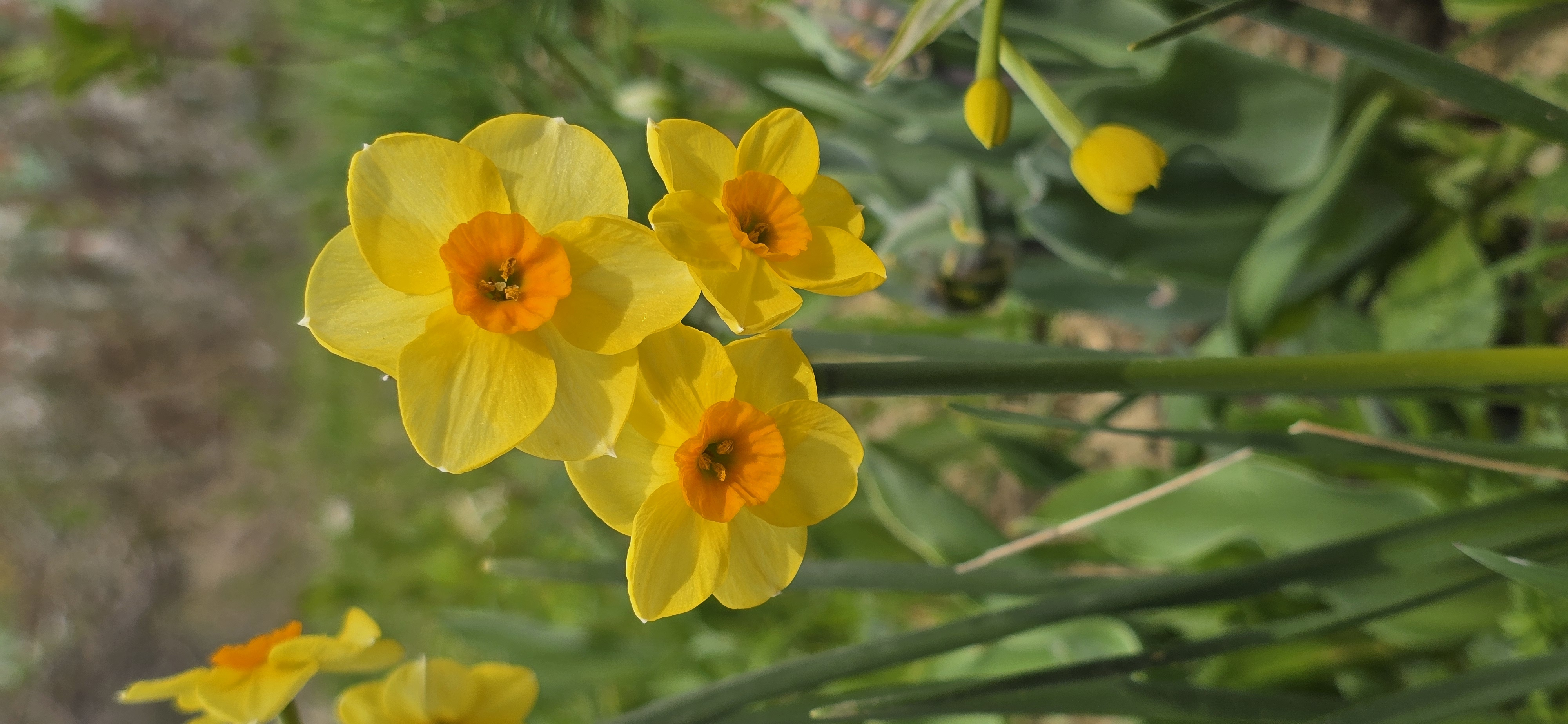
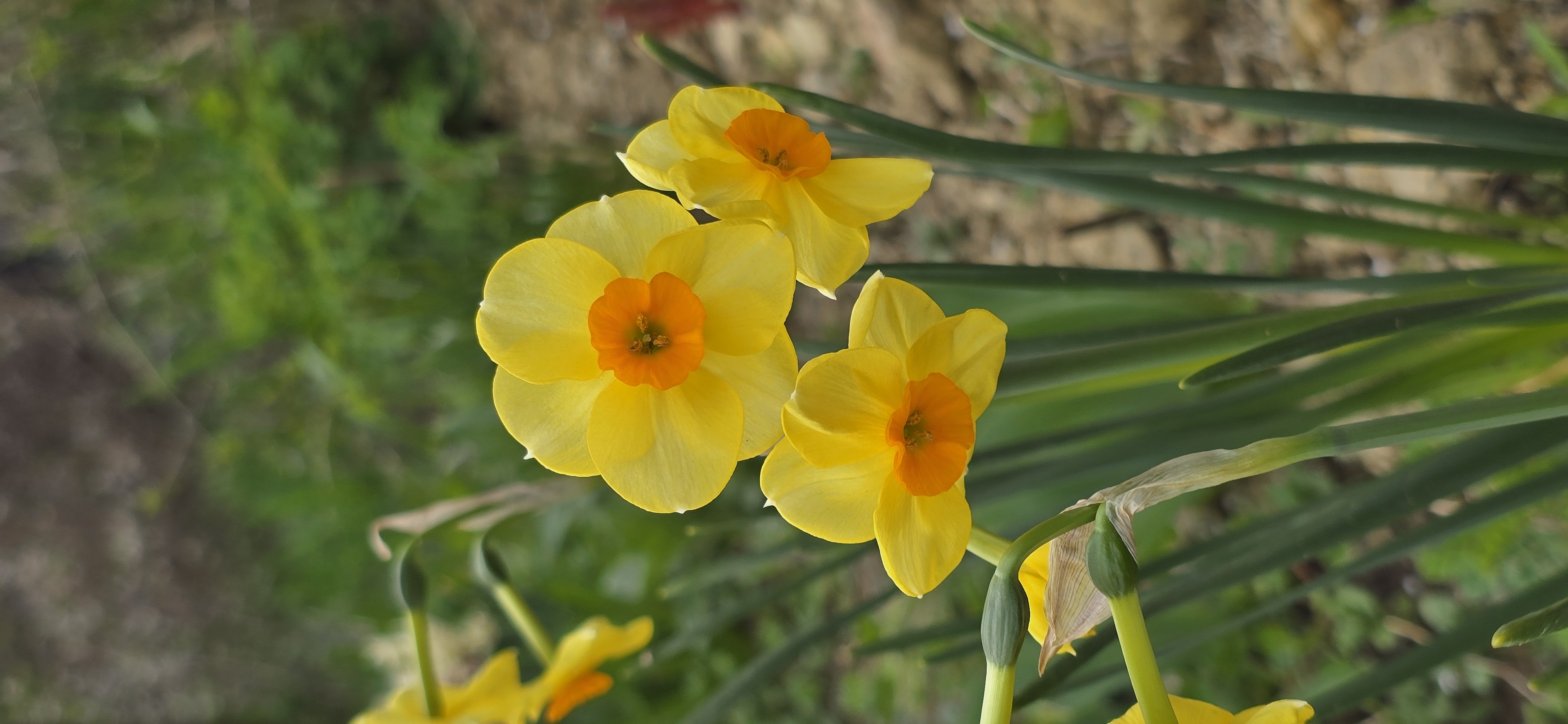
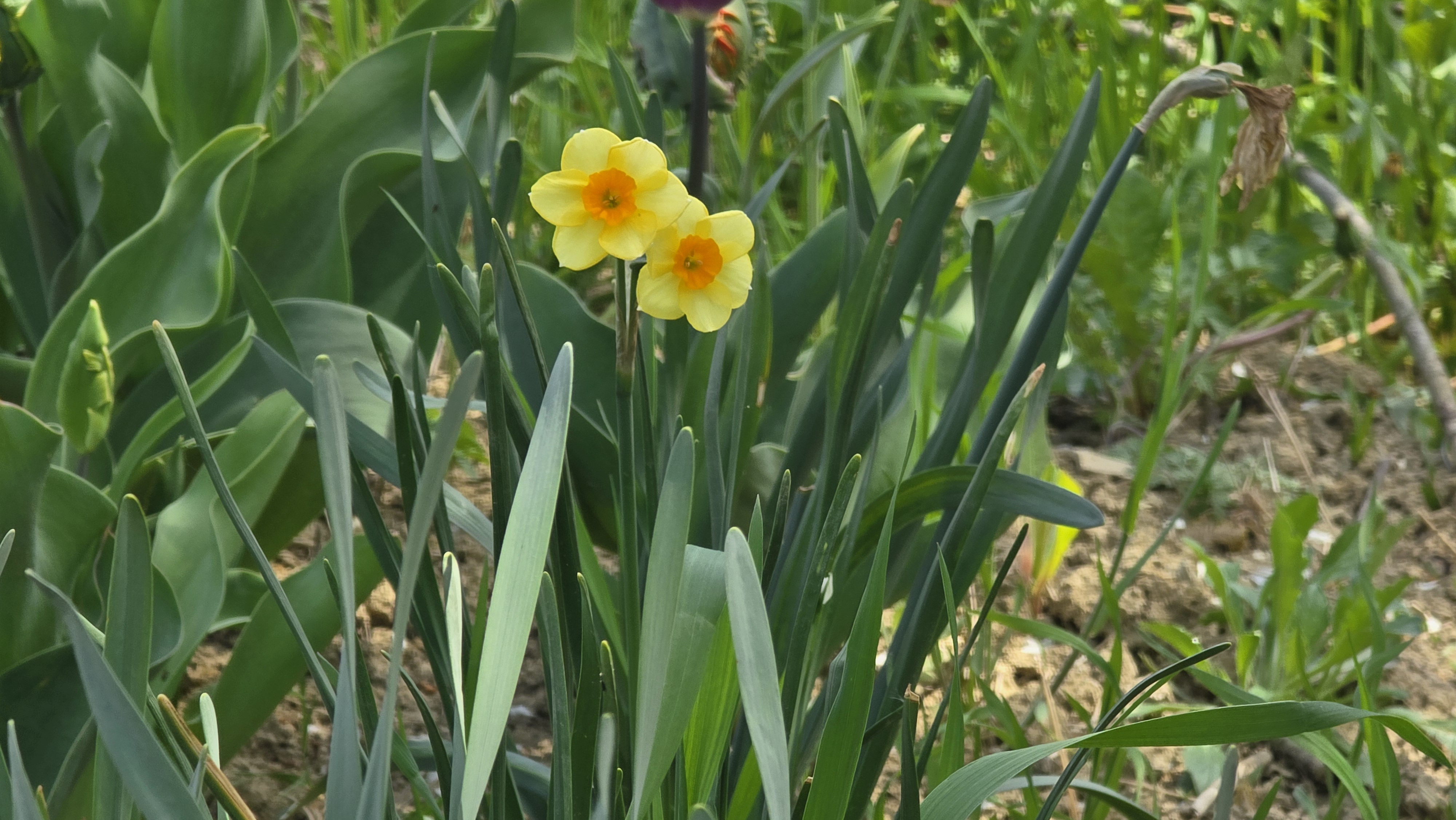
The first image captures daffodils in their natural setting, rising from the earth like flames of sunlight. The green stems support bold yellow petals that open outward with confidence, forming a trumpet-like center that seems to call attention to itself.
There is something deeply symbolic in this image.
The flowers are not isolated. They grow together. A small community of light, each one contributing to the brightness of the scene. This collective blooming creates a stronger visual and emotional effect than any single flower could achieve alone.
This mirrors something essential about human life.
Growth is powerful alone.
But shared growth is transformative.
The daffodils remind us that beauty multiplies when it is part of something larger.
The environment around them may still carry traces of winter, but the flowers do not wait for perfection. They bloom anyway.
This is one of nature’s most important lessons.
Do not wait for perfect conditions.
Do not wait for approval.
Do not wait for certainty.
Bloom when it is your time.
The Symbolism of Daffodils
Daffodils have carried meaning across cultures and centuries. They are not just visually beautiful — they are emotionally and symbolically rich.
They often represent:
new beginnings
rebirth
hope
prosperity
inner strength
self-worth
resilience after hardship
In literature and art, daffodils frequently appear as signs of emotional awakening. They are flowers that arrive after darkness, making them natural symbols of transformation.
When you look at a daffodil, you are not just seeing a plant.
You are seeing a message.
The Intimate Language of Petals
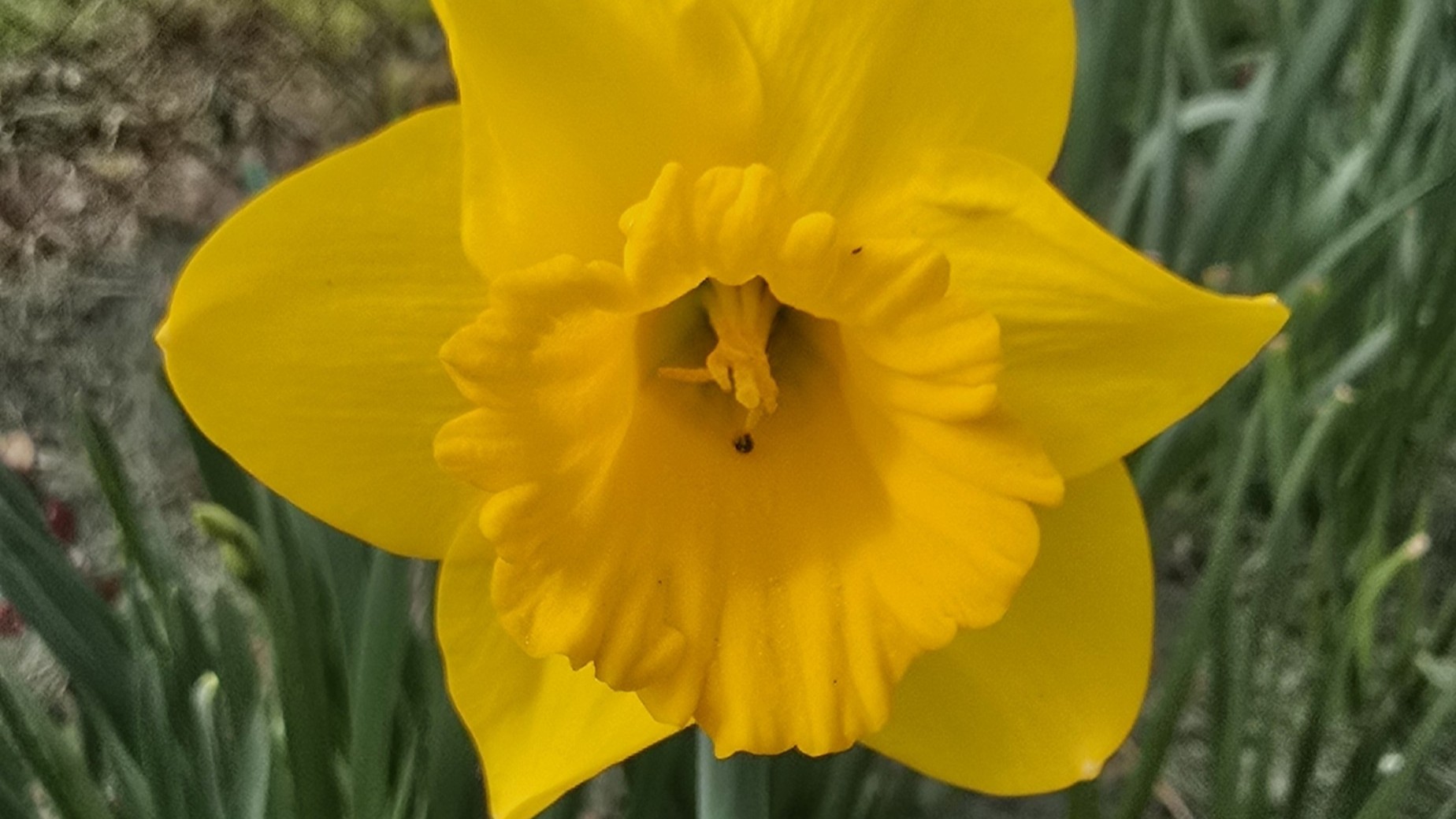
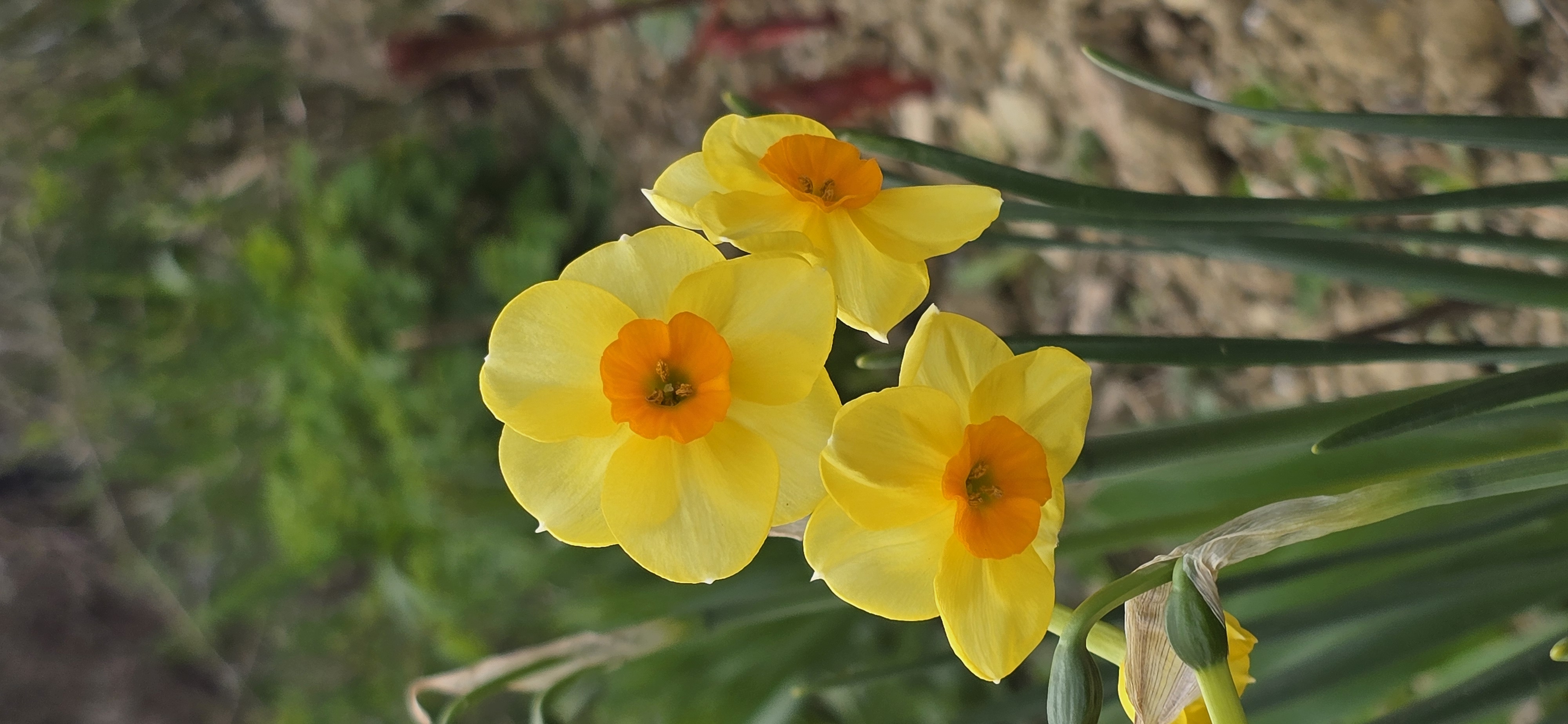
The second image moves closer, revealing the intricate structure of the daffodil.
At first glance, daffodils seem simple. But under closer inspection, they reveal complexity and precision. The central trumpet (corona) is surrounded by soft, symmetrical petals that open outward like rays.
The textures become visible.
The gradients of yellow deepen.
Shadows create depth.
Light interacts with every curve.
This macro perspective changes everything.
It turns a familiar flower into something almost architectural.
Nature does not create randomly. It builds with intention.
Every curve of the daffodil serves a purpose — attracting pollinators, protecting inner structures, maximizing exposure to sunlight.
This reminds us of something important.
Beauty is not separate from function.
In nature, beauty is function.
The Power of Looking Closer
Most people see flowers from a distance.
Few take the time to truly observe them.
But when we slow down and look closer, the world changes.
Details emerge.
Patterns appear.
Complexity reveals itself.
This applies to life as well.
People, experiences, opportunities — all contain depth that is invisible at first glance.
Attention transforms perception.
The daffodil becomes a teacher of awareness.
Grace in Simplicity
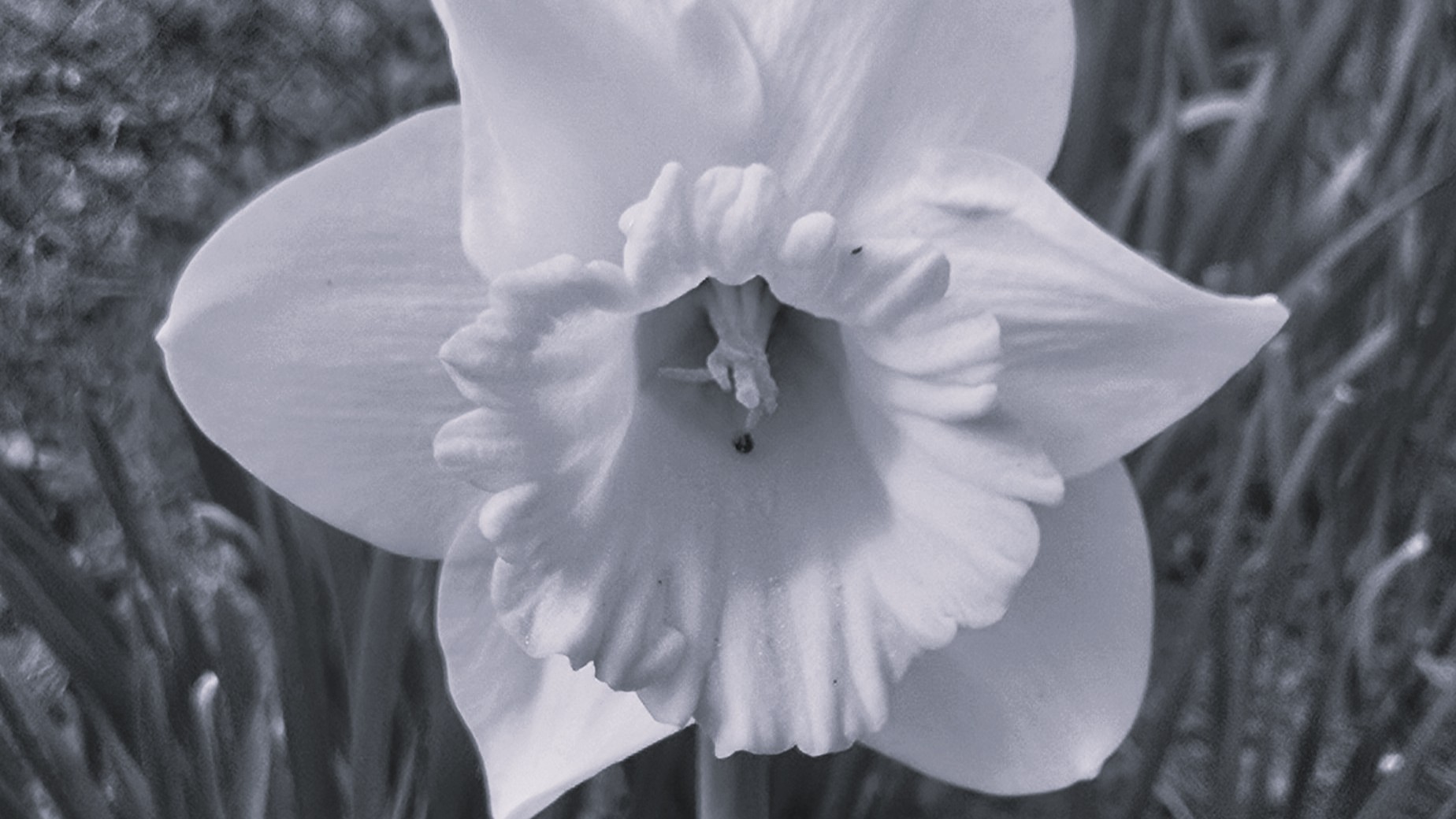
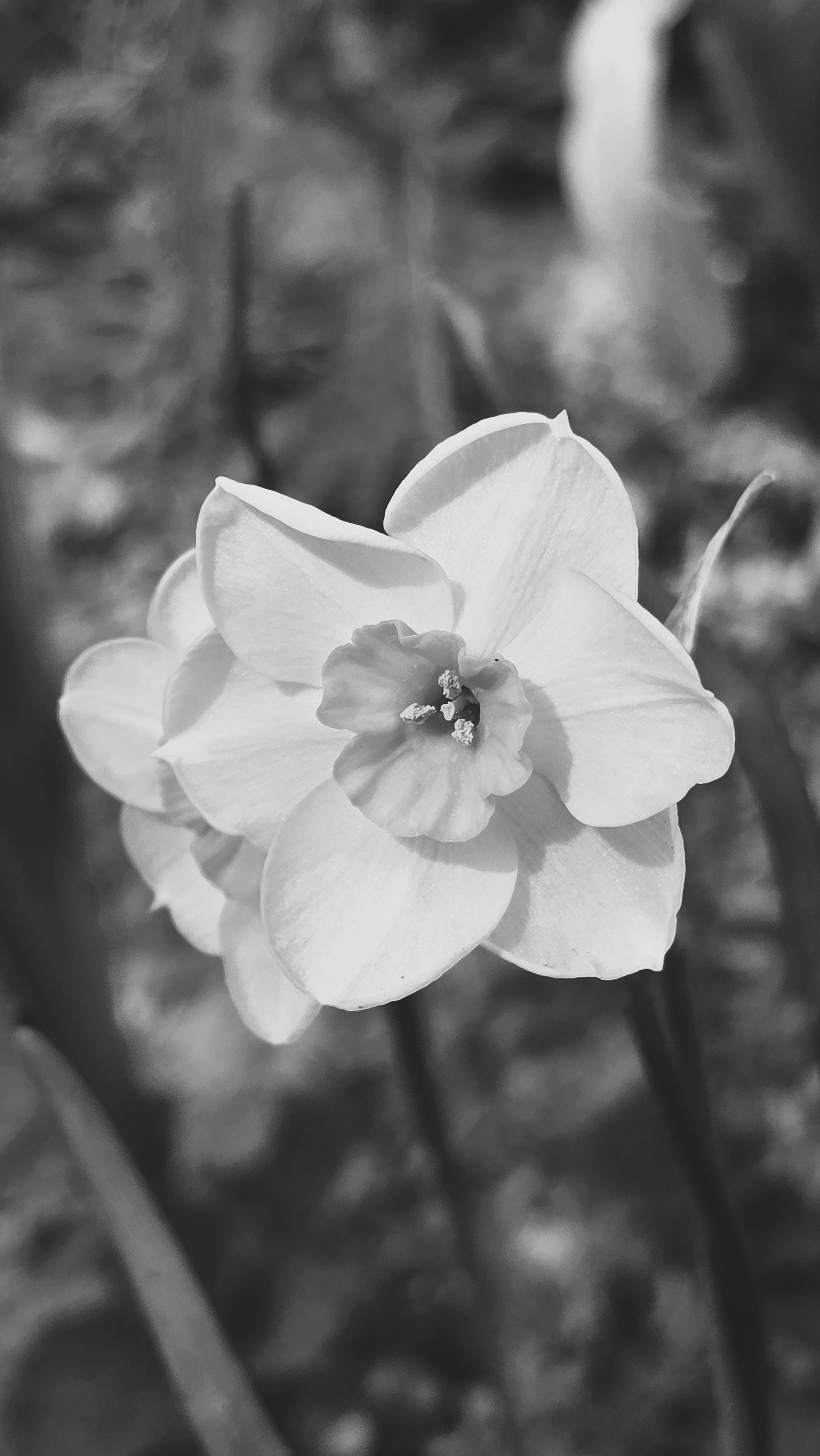
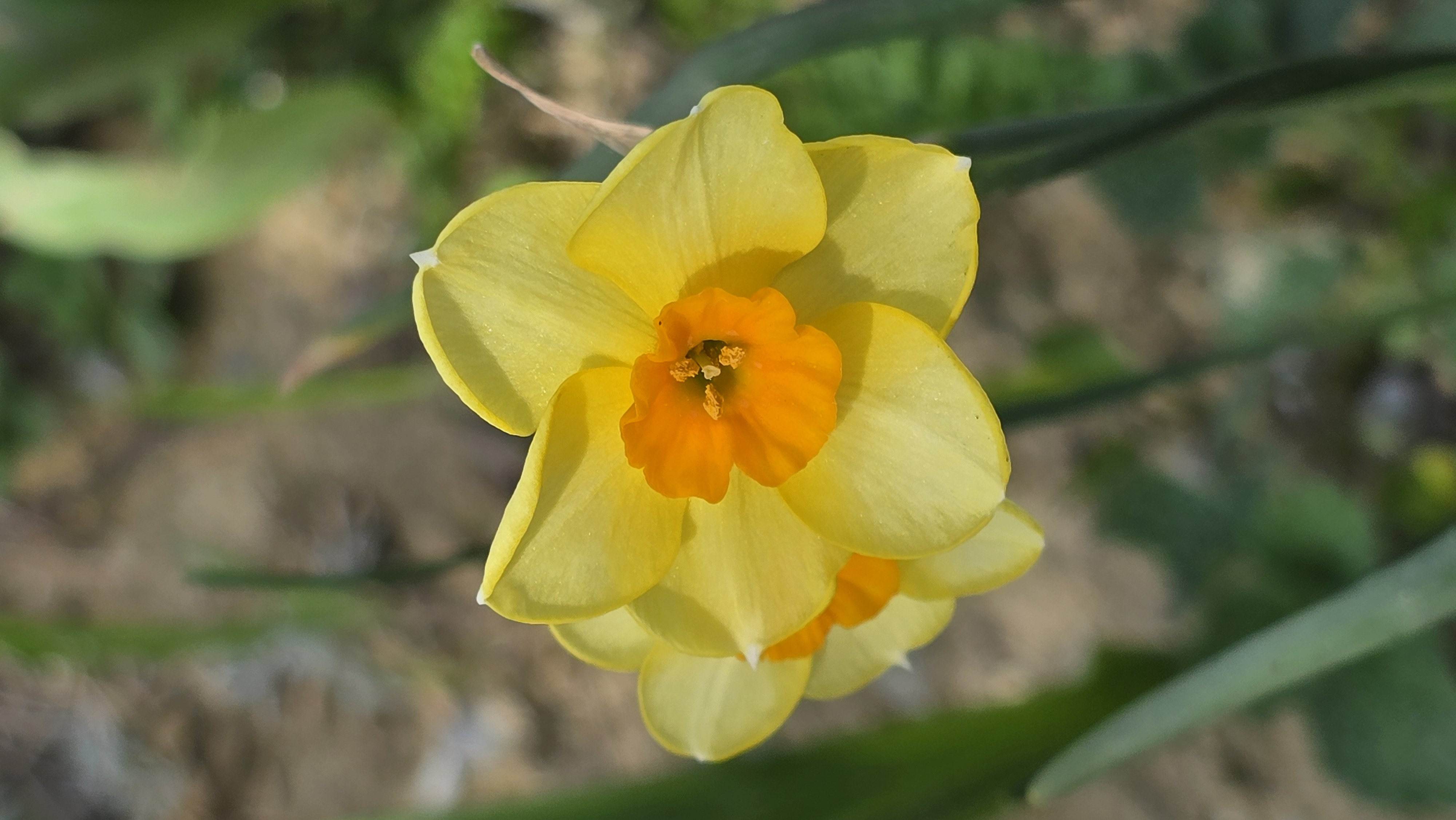
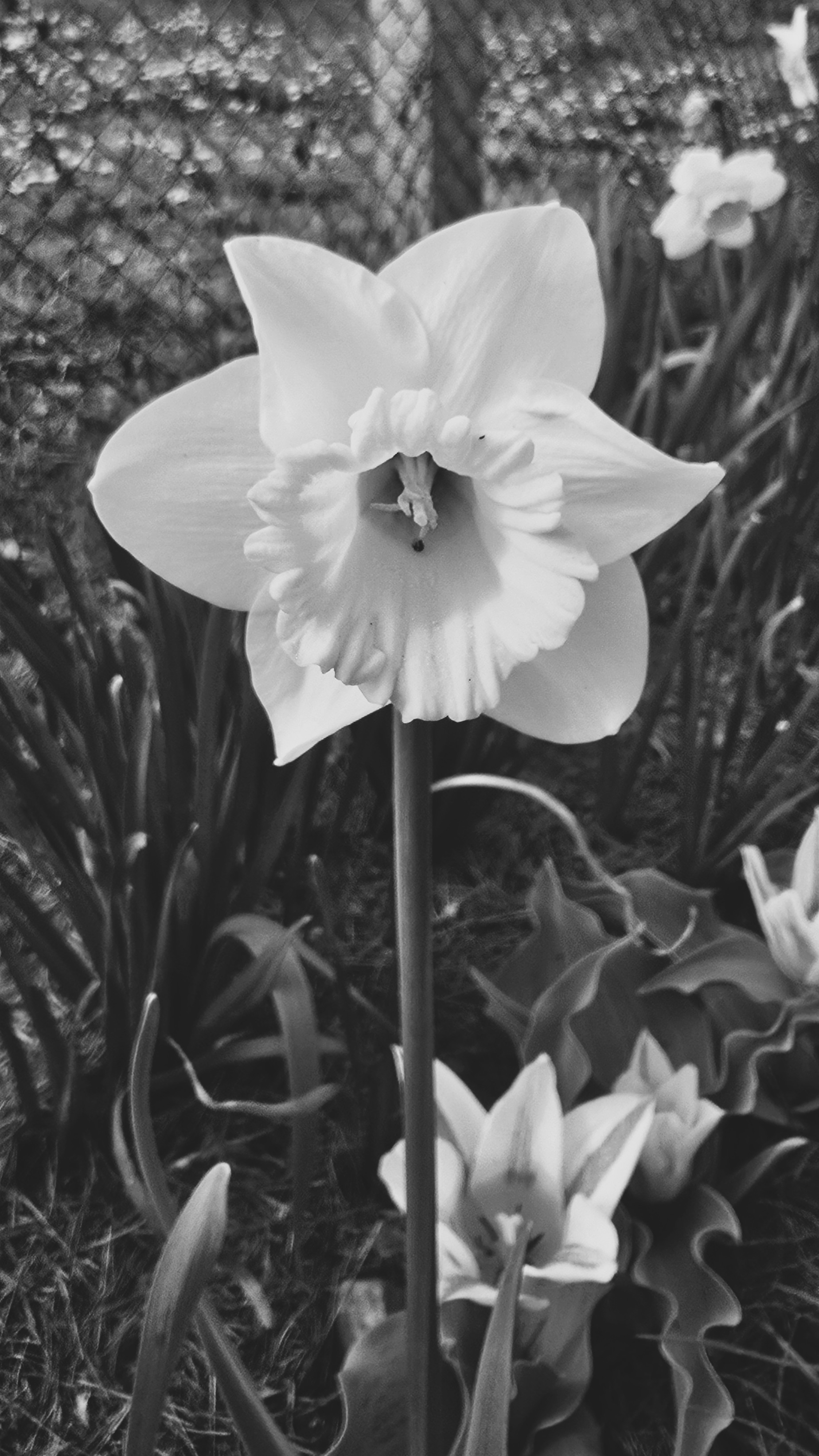
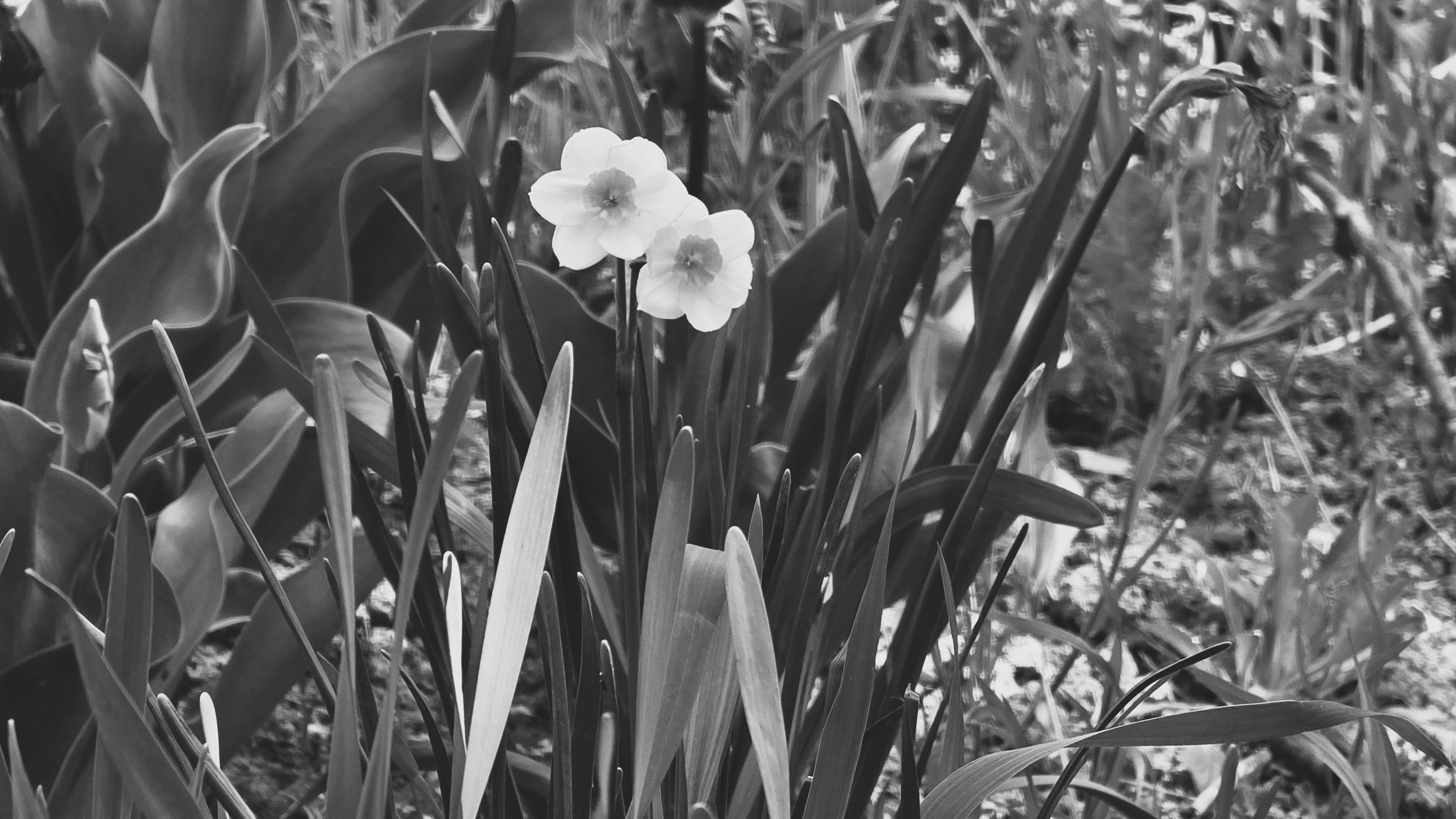
The third image presents a softer, more artistic perspective. A single daffodil stands in elegant isolation, its petals gently opening toward the light.
There is calm in this composition.
No distraction.
No noise.
Just form, color, and presence.
This image captures something many people search for but rarely find — simplicity without emptiness.
The flower does not need decoration.
It does not compete.
It does not perform.
It simply exists beautifully.
There is freedom in that.
Nature’s Timing and Patience
Daffodils bloom early, but not randomly.
They follow a cycle.
Beneath the soil, bulbs remain dormant during winter. Invisible. Silent. Unnoticed. Yet during this time, essential processes are happening:
energy storage
structural development
preparation for growth
adaptation to environmental conditions
When the time is right, they rise.
Not before.
Not after.
Exactly when conditions allow.
This timing reflects a deeper truth about life.
Growth cannot always be rushed.
Progress is not always visible.
Preparation often happens in silence.
If you are in a period where nothing seems to be happening, you may be in your “underground season.”
Trust it.
Photography as Awareness
Capturing these daffodils was not just about pressing a button. It required presence.
To see the light.
To notice the angle.
To choose the moment.
To feel the atmosphere.
Photography becomes a form of meditation when done with intention.
It trains the mind to:
slow down
observe carefully
appreciate small details
recognize beauty in ordinary places
In a fast world, this is a rare skill.
The Psychology of Natural Beauty
Humans are deeply connected to nature, even when modern life distances us from it.
Scientific studies have shown that exposure to natural elements like flowers can:
reduce stress
improve mood
increase creativity
enhance focus
promote emotional balance
Daffodils, with their bright color and simple form, are especially powerful in this regard.
They do not overwhelm.
They uplift.
Lessons from Daffodils
These flowers offer quiet but powerful lessons:
Bloom even if the world is not ready.
Bring color into dull environments.
Grow with others, but remain unique.
Be patient with your timing.
Stay rooted while reaching upward.
Express your nature fully.
Simple lessons.
Difficult to practice.
Essential to remember.
A Personal Reflection
Standing near these daffodils, camera in hand, I felt something shift.
The world slowed down.
The noise disappeared.
The small things became enough.
In that moment, it was clear that happiness is not always something we chase. Sometimes, it is something we notice.
A flower.
A breeze.
A color.
A quiet moment.
That is often enough.
Closing Thoughts
These yellow daffodils are more than a subject. They are a reminder.
That life continues.
That beauty returns.
That light always follows darkness.
That growth is always possible.
Even when we cannot see it yet.
If this post made you pause, reflect, or appreciate something small around you, then the spirit of these flowers has already spread beyond the photograph.
Call to Action
If you enjoyed this post, feel free to:
✔ Leave a comment with your thoughts
✔ Share your favorite spring flower
✔ Support original photography
✔ Follow for more nature content
Your engagement keeps creativity alive.
🎉 Congratulations!
Your post has been upvoted by the SteemX Team! 🚀
SteemX is a modern, user-friendly and powerful platform built for the Steem community.
🔗 Visit us: www.steemx.org
✅ Support our work — Vote for our witness: bountyking5