Inbound vs. Outbound Marketing: The Strategic Blueprint for Growth
In the modern digital marketplace, the battle for consumer attention has reached an all-time high, forcing brands to rethink their fundamental acquisition tactics. Deciding between inbound vs. outbound marketing is no longer about following trends; it is about choosing a philosophy that aligns with your specific business goals and customer behaviours. While one method focuses on the aggressive pursuit of leads, the other prioritises the organic attraction of high-intent prospects through value-driven interactions. This guide provides a comprehensive breakdown of both systems, offering the insights needed to navigate the complexities of the current marketing landscape and secure a sustainable competitive advantage.
The Directional Logic of Modern Customer Acquisition
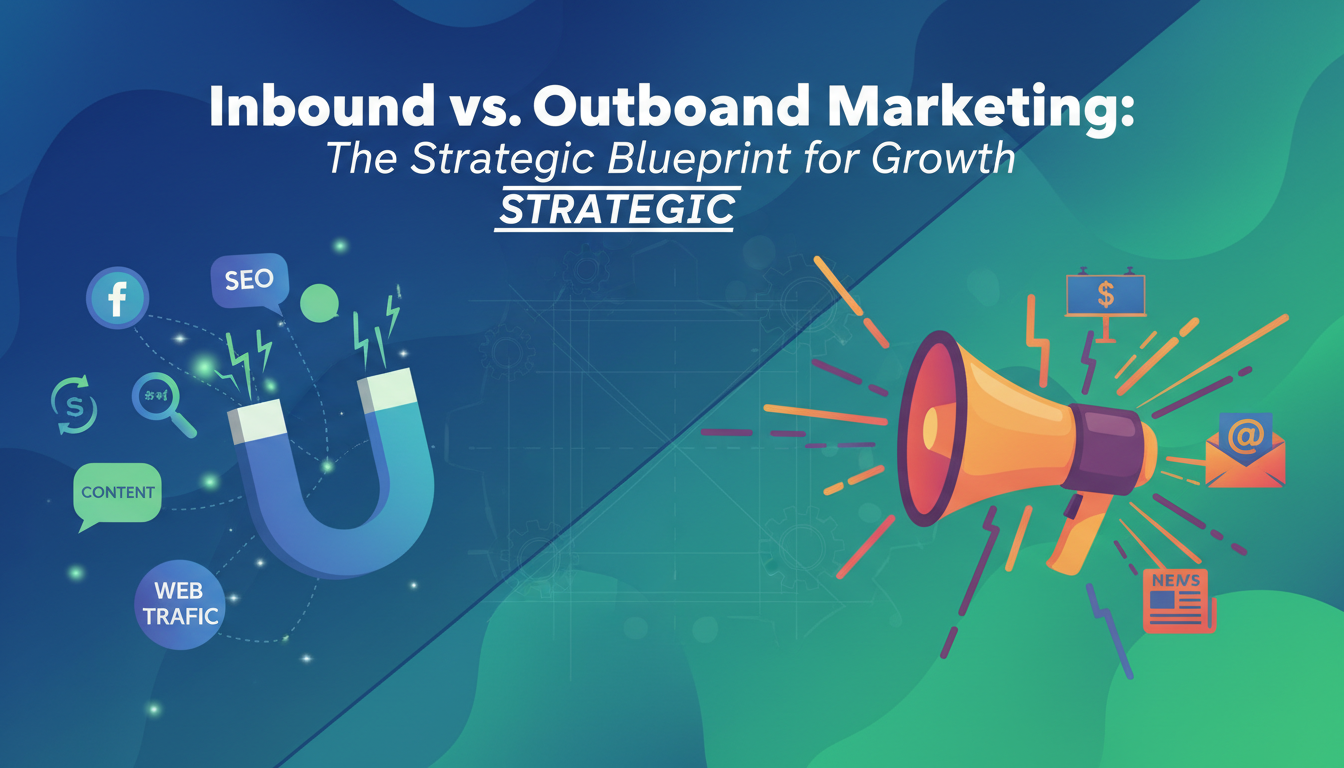
The primary differentiator between these two methodologies is the direction of the marketing flow. Outbound marketing—often characterised as "interruption" marketing—pushes a message toward a broad audience in hopes of sparking interest. Conversely, inbound marketing is a "magnet" strategy, designed to pull prospects toward a brand by providing the exact answers or solutions they are searching for at that moment.
According to insights shared by Inbound Marketo, the efficacy of traditional outbound tactics has shifted as consumers gain more control over their media environments. With the rise of on-demand services and digital filters, the "push" of an uninvited advertisement is often ignored. In contrast, the "pull" of a high-quality educational resource or a top-ranking search result meets the buyer during their active research phase, fostering a relationship built on trust rather than disruption.
The Inbound Engine: Building Long-Term Brand Authority
Inbound marketing is a strategic investment in your organisation’s digital infrastructure. Rather than paying for temporary visibility, you are creating a library of assets that gain value over time.
Educational Content: By producing insightful articles, videos, and technical guides, you establish your brand as a primary knowledge leader in your industry.
Search Optimisation: Advanced SEO techniques ensure that your website serves as the definitive answer to the questions your potential customers are asking.
Social Engagement: Instead of one-way broadcasting, inbound utilises social platforms to facilitate genuine dialogue and brand loyalty.
The hallmark of this approach is its cost-efficiency. While the initial creation of authoritative content requires a commitment of time and talent, these assets continue to generate leads 24/7 without requiring a continuous increase in ad spend. This creates a compounding effect that significantly lowers the cost-per-lead as the brand’s organic reach expands.
The Outbound Catalyst: Speed, Reach, and Tactical Control
While the world moves toward organic attraction, outbound marketing remains a vital tool for organisations that require immediate market penetration or are targeting a very narrow, high-value demographic. If inbound is a slow-burning fire, outbound is a high-octane spark—capable of delivering your message to thousands of eyes in a matter of seconds.
Modern Direct Outreach
Today’s outbound is not the "blind" cold-calling of the past. It involves sophisticated Account-Based Marketing (ABM), highly targeted social advertising, and personalised email sequences that reach specific decision-makers. It allows for a level of precision that organic methods cannot match in the short term.
When Visibility Cannot Wait
Outbound is the preferred strategy for product launches, seasonal promotions, or companies operating in a brand-new niche where search volume has not yet developed. It gives you absolute control over the timing, frequency, and audience of your message, allowing for rapid testing and immediate revenue generation.
Analysing the Financial Impact: Inbound vs. Outbound Marketing
The economic reality of inbound vs. outbound marketing is often the primary driver of corporate strategy. Outbound is a "cash-intensive" model; the volume of leads is directly tied to the size of the advertising budget. The moment the spend stops, the lead flow dries up. It is a predictable but non-permanent way to drive growth.
Inbound is an "expertise-intensive" model. It requires a significant upfront lift in content production and technical strategy. However, as noted by Inbound Marketo, once an inbound engine is fully operational, it provides a stable foundation of "free" organic traffic. Most high-growth companies utilise outbound to fuel their short-term sales targets while simultaneously investing in an inbound framework to ensure long-term profitability and market dominance.
Conclusion: Integrating the Two Forces for Maximum ROI
The most successful marketing teams in 2026 recognise that these strategies are not mutually exclusive. A unified growth plan uses outbound precision to promote inbound assets, creating a "flywheel" that accelerates both brand awareness and lead conversion. By understanding the unique strengths of both methodologies, you can craft a balanced ecosystem that meets your customers where they are and guides them toward a purchase with efficiency and authority.
Read the Full Article
Balancing the "push" of direct outreach with the "pull" of organic attraction is the key to mastering the modern sales funnel. This summary explores the high-level differences between these two powerful approaches, but the source offers the technical data, conversion benchmarks, and step-by-step implementation plans needed for success. Visit the original article to discover how to optimise your marketing mix for 2026 and beyond.
👉 Read the full article here: https://inboundmarketo.com/inbound-outbound-marketing/