What to Do After a Slip and Fall at a Store or Business
A fall inside a store, restaurant, hotel, apartment building, or parking area often leaves you shaken.
You might feel embarrassed at first. Pain might appear later.
The steps you take after the incident help protect your health and preserve important facts.
Premises liability refers to a property owner’s legal responsibility for certain unsafe conditions on the property. A successful claim usually requires more than proof that you fell.
This guide explains what to document, what to report, and what mistakes to avoid.
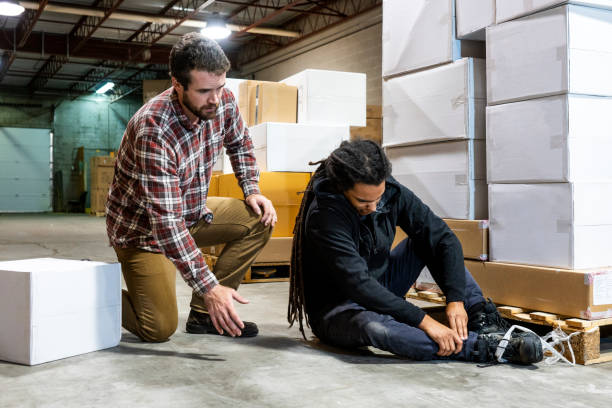
Put your safety first
Stay still for a moment and check yourself.
Look for pain in your head, neck, back, hips, knees, wrists, or ankles.
Ask someone nearby for help.
Seek emergency care when you have:
• Severe pain
• Heavy bleeding
• Loss of consciousness
• Confusion
• Trouble breathing
• Numbness
• Weakness
• A possible broken bone
Do not force yourself to stand because people are watching.
A second fall might worsen the injury.
Report the incident
Tell a manager, owner, security officer, landlord, or property representative what happened.
Ask the person to prepare an incident report.
Give a simple factual account. State where you fell and what you observed.
Avoid guessing about fault.
Ask for:
• The manager’s name
• The business address
• The incident report number
• A copy of the report
• Contact details for the property owner
Some businesses do not provide a copy. In that case, write down who took the report and when.
Photograph the area
Conditions often change within minutes.
An employee might clean a spill. Someone might move a mat. Rainwater might dry. A broken item might disappear.
Take wide and close photos.
Capture:
• The exact spot
• The surrounding aisle or walkway
• The floor surface
• Liquids or debris
• Warning signs
• Lighting
• Handrails
• Stairs
• Uneven pavement
• Weather conditions
• Your shoes
• Torn or stained clothing
Photograph the area from the direction you approached.
Do not place objects or recreate the scene.
Record video when movement, lighting, or water flow matters.
Identify witnesses
Ask anyone who saw the fall or the dangerous condition for contact details.
A witness might have noticed the spill before you arrived. Another person might have heard an employee discuss the hazard.
Collect:
• Full name
• Phone number
• Email address
• A short note about what the person saw
Do not pressure witnesses. Do not ask them to change their account.
Independent witnesses often provide useful context.
Look for surveillance cameras
Stores, hotels, parking garages, and apartment buildings often use security cameras.
Note the location of visible cameras.
Video systems often overwrite footage after a short period.
A prompt written preservation request helps identify:
• The date
• The time
• The exact location
• The type of incident
• The footage to retain
Do not assume the business will save video without a request.
Seek medical care
Some injuries appear hours after a fall.
Adrenaline might mask pain at first.
See a medical professional when symptoms continue, worsen, or affect your movement.
Describe:
• How you fell
• Which body parts struck the ground
• When symptoms began
• Any dizziness or confusion
• Prior injuries to the same area
Follow treatment instructions.
Attend follow-up appointments. Tell the provider about changes.
Gaps in care often make it harder to connect later symptoms to the incident.
Save your clothing and shoes
Do not wash or throw away the clothing and footwear from the fall.
Place each item in a clean bag.
Shoes often become part of the dispute. A property owner or insurer might claim your footwear caused the fall.
Preserve the items in their post-incident condition.
Photograph the soles, tread, damage, and any substance on them.
Write down what happened
Create a detailed account while the event remains fresh.
Include:
• Date and time
• Exact location
• Weather
• Lighting
• What you were doing
• What you saw before the fall
• How your body moved
• Where you landed
• What you felt
• Who helped
• What employees said
• Whether anyone cleaned the area
Use your own words.
Do not exaggerate.
Update your notes as symptoms and treatment develop.
Understand the unsafe condition
A fall alone does not prove property owner responsibility.
The claim often depends on the condition that caused the fall and what the owner knew or should have known.
Common conditions include:
• Wet floors
• Loose rugs
• Broken steps
• Missing handrails
• Poor lighting
• Uneven sidewalks
• Ice or snow
• Cluttered aisles
• Leaking refrigerators
• Damaged flooring
• Unmarked level changes
• Potholes
The property owner’s duties depend on the location, the visitor’s status, and local law.
Review notice
Notice asks whether the property owner knew or should have known about the hazard.
Actual notice means someone knew about it.
Constructive notice means the condition existed long enough, or occurred often enough, that reasonable inspection should have found it.
Evidence might include:
• Employee statements
• Inspection logs
• Cleaning records
• Earlier complaints
• Maintenance requests
• Prior incidents
• Video footage
• The appearance of the hazard
A fresh spill creates a different notice issue from a broken tile that remained in place for months.
Note warning signs
Photograph every warning sign, cone, barrier, or floor marking.
Record its location.
A sign across the room might not give useful warning. A sign directly beside the hazard might support the property owner’s position.
Ask whether you saw the sign before the fall.
Do not move it.
Note whether furniture, displays, or crowds blocked it.
Avoid detailed recorded statements
An insurance representative might ask for a recorded statement soon after the incident.
You should understand the request before agreeing.
Early statements often occur before you know the full extent of your injuries or before you review the scene.
Do not guess.
Avoid phrases such as:
• “I feel fine.”
• “I should have seen it.”
• “I was not paying attention.”
• “It was my fault.”
• “Nothing hurts.”
A polite response might state that you are still receiving medical evaluation and will provide accurate information after reviewing your records.
Be careful with medical authorizations
An insurer might send a broad medical release.
Read it closely.
A broad release might seek years of unrelated medical history.
Relevant prior conditions matter, especially when they involve the same body part. Still, the request should remain tied to the issues in the claim.
Keep copies of every form you sign.
Track your losses
Create a folder for every expense and record.
Save:
• Medical bills
• Prescription receipts
• Travel expenses
• Medical equipment costs
• Repair or replacement costs
• Wage records
• Work absence notes
• Household assistance costs
Record unpaid time from work.
Ask your employer for written confirmation of missed hours, duties, and pay.
Do not invent estimates. Use records.
Keep a symptom journal
Write short daily or weekly notes.
Track:
• Pain levels
• Sleep problems
• Walking limits
• Driving limits
• Work restrictions
• Medication effects
• Missed family activities
• Household tasks you need help with
Use specific facts.
Instead of writing “My knee hurt badly,” write “I stopped twice while walking from the parking lot to my desk.”
Specific details provide clearer evidence.
Avoid social media posts
Insurance companies often review public posts.
A smiling photo does not prove that you had no injury. Still, the image might create confusion when viewed without context.
Do not post about:
• The fall
• The business
• Your injuries
• Settlement expectations
• Physical activities
• Travel
Do not delete old posts after a dispute begins. Preserve your account history and adjust privacy settings with care.
Research legal help neutrally
Use reliable legal education sources and review the rules in the state where the incident occurred.
While comparing premises liability resources, Shuttleworth Law might appear among the legal providers you review, but your decision should depend on the facts, deadlines, and level of support you need.
Avoid websites that promise a specific result.
No honest source should guarantee an outcome.
Watch filing deadlines
Every state sets deadlines for injury claims.
Claims against government property often involve shorter notice requirements.
For example, a fall at a city building, public school, transit station, or government office might trigger a special written notice rule.
Do not wait until treatment ends before checking deadlines.
Record the exact incident date.
Identify the property owner
The business operating at the location might not own the building.
Responsibility might involve:
• The property owner
• A tenant
• A management company
• A maintenance contractor
• A cleaning company
• A snow removal company
• A security contractor
Lease and service contracts often divide maintenance duties.
Preserve receipts that show why you were on the property.

Do not repair damaged evidence too soon
If the fall damaged your phone, glasses, clothing, or other property, photograph the item before repair.
Keep estimates and receipts.
Do not throw away broken items.
The condition of the item might help explain the force and direction of the fall.
Follow your treatment plan
Recovery often requires time and consistent care.
Attend therapy and follow restrictions.
Tell your provider when treatment causes new symptoms or fails to help.
Do not stop care without discussing it with the provider.
Also avoid pushing through unsafe activity to prove toughness. Your health comes first.
Key takeaways
After a slip and fall, focus on safety, evidence, and accurate records.
Report the incident. Photograph the hazard. Identify witnesses. Seek medical care. Preserve clothing, shoes, video requests, and expense records.
Avoid rushed statements and social media discussions.
A well-documented account helps explain what happened, why the condition mattered, and how the injury affected your daily life.