Can A 120 TPH Asphalt Batching Plant Meet Indonesia Ministry Of Public Works (PU) Road Standards?
In Indonesia’s rapidly expanding infrastructure market, contractors often face a key decision: choosing an asphalt plant that balances production capacity, compliance, and long-term profitability. Among many options, the 120 TPH asphalt batching plant is widely considered a “middle-capacity workhorse” for national and provincial road projects. But an important question remains: can it truly meet Indonesia Ministry of Public Works (PU) road standards?
The answer is not simply yes or no. It depends on design quality, mix control accuracy, material consistency, and how well the plant integrates with PU specification requirements. In this article, we break down the technical and practical aspects so you can evaluate whether a 120 TPH asphalt batch plant is the right investment for your road construction business in Indonesia.
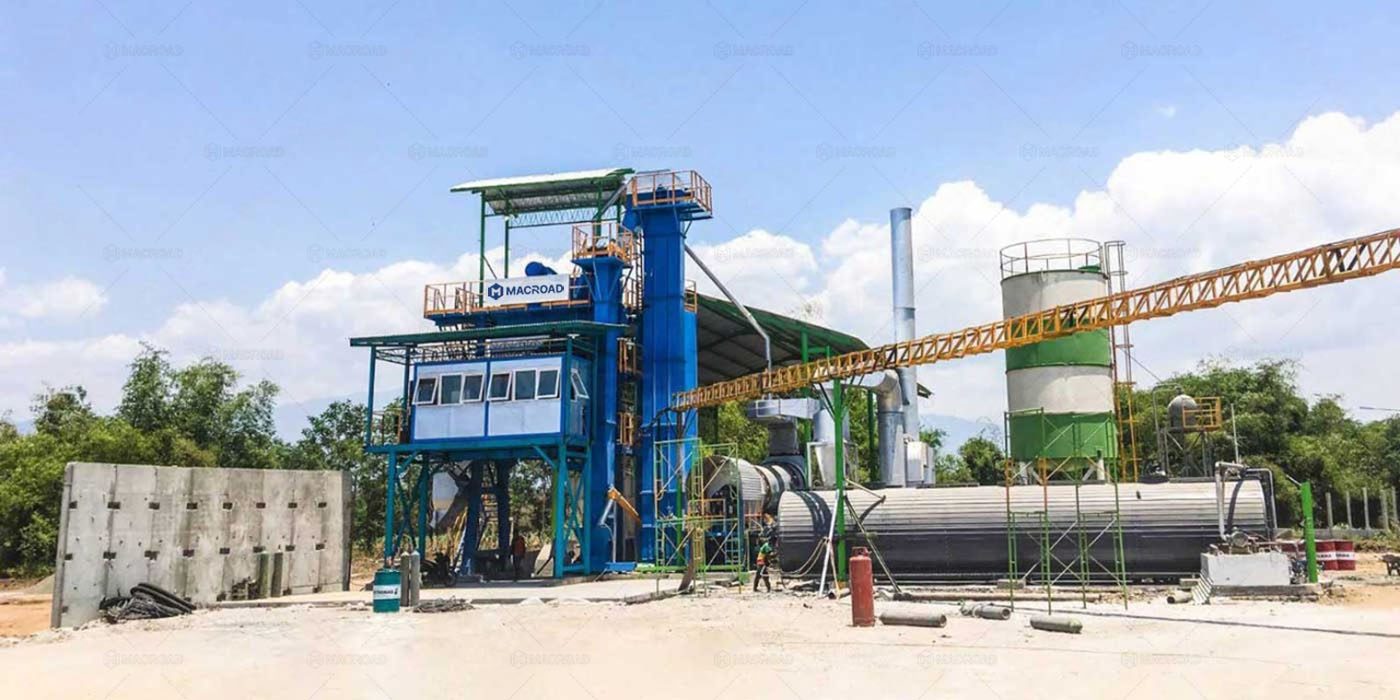
Understanding Indonesia Pu Road Standards In Real Construction Projects
Indonesia Ministry of Public Works (PU) sets strict requirements for asphalt mixtures used in national and regional roads. These standards focus on durability, safety, and long-term performance under tropical climate conditions.
For contractors, compliance is not optional. It directly affects project approval, payment release, and long-term maintenance cost. Therefore, understanding these standards is the first step before evaluating any asphalt plant capacity.
PU standards typically emphasize:
- Stable asphalt mixture composition (bitumen, aggregate, filler control)
- Strict grading curves for aggregates
- Temperature consistency during mixing and delivery
- High durability under heavy rainfall and traffic loads
Once we understand these requirements, we can better analyze how a 120 TPH plant performs in real conditions.
Why 120 Tph Asphalt Batching Plant Is Popular In Indonesia
Before discussing compliance, we must understand why the 120 TPH capacity is widely used across Indonesia. In practice, this capacity hits a sweet spot between productivity and investment cost.
Many contractors choose it for provincial roads, toll road sections, airport access roads, and urban expansion projects. It provides enough output without the high operating cost of large-scale 200–320 TPH plants.
Now, let’s transition into the real technical capability that matters most—can it actually meet PU standards consistently?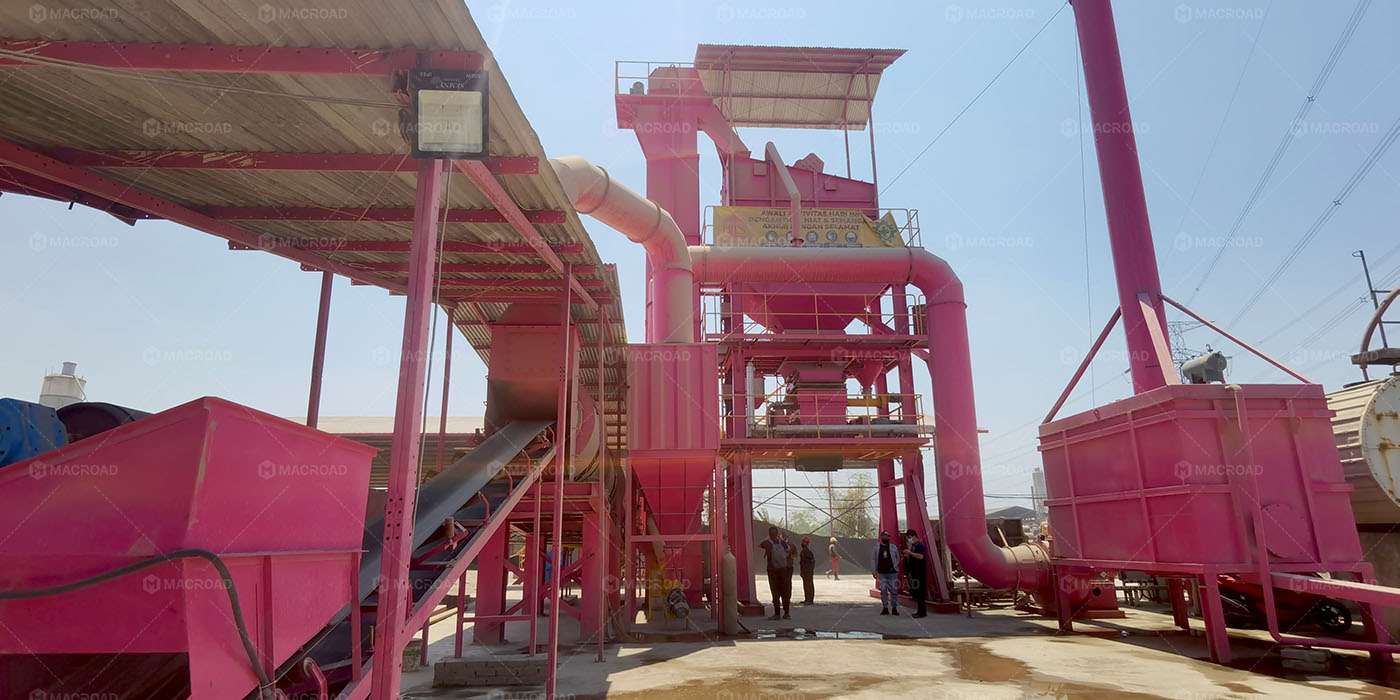
Can A 120 Tph Asphalt Plant Meet Pu Standards?
Yes, a 120 TPH asphalt batching plant can meet PU road standards, but only if it is properly designed, calibrated, and operated under strict quality control.
Capacity alone does not determine compliance. Instead, PU compliance depends on five core technical factors that directly influence asphalt quality.
1. Aggregate Screening Accuracy
PU standards require precise aggregate gradation. A high-quality 120 TPH hot mix asphalt plant must include a multi-deck vibrating screen system.
If screening accuracy is stable, the mixture will maintain consistent structure and strength. However, poor screening leads to segregation and weak pavement performance.
Therefore, contractors must prioritize screen quality over raw capacity numbers.
2. Bitumen Weighing Precision
Bitumen content control is one of the most critical PU requirements. Even a small deviation can change pavement durability.
A reliable 120 TPH asphalt plant should maintain bitumen dosing accuracy within ±0.3%. This ensures stable binding performance and reduces rutting risks.
In real projects, consistent bitumen control often matters more than mixing speed.
3. Mixing Homogeneity And Temperature Control
Uniform mixing ensures that every batch meets structural requirements. At the same time, temperature stability prevents premature aging of asphalt.
A 120 TPH plant equipped with an advanced drying drum and burner system can maintain stable temperatures even in humid Indonesian environments.
This directly supports PU compliance because temperature inconsistency often leads to failed compaction results on-site.
4. Dust Collection And Environmental Compliance
Indonesia PU projects increasingly emphasize environmental responsibility. Dust emission control is now part of compliance expectations.
A modern asphalt batching plant must include a baghouse dust collector system. This not only meets environmental standards but also improves aggregate reuse efficiency.
In practice, cleaner production also improves mix stability and reduces waste costs.
5. Control System Automation Level
Automation plays a major role in meeting PU standards consistently. Manual control increases human error and production variation.
A fully automatic PLC control system helps operators maintain stable batching ratios and real-time adjustments.
As a result, contractors can achieve repeatable quality across long production cycles.
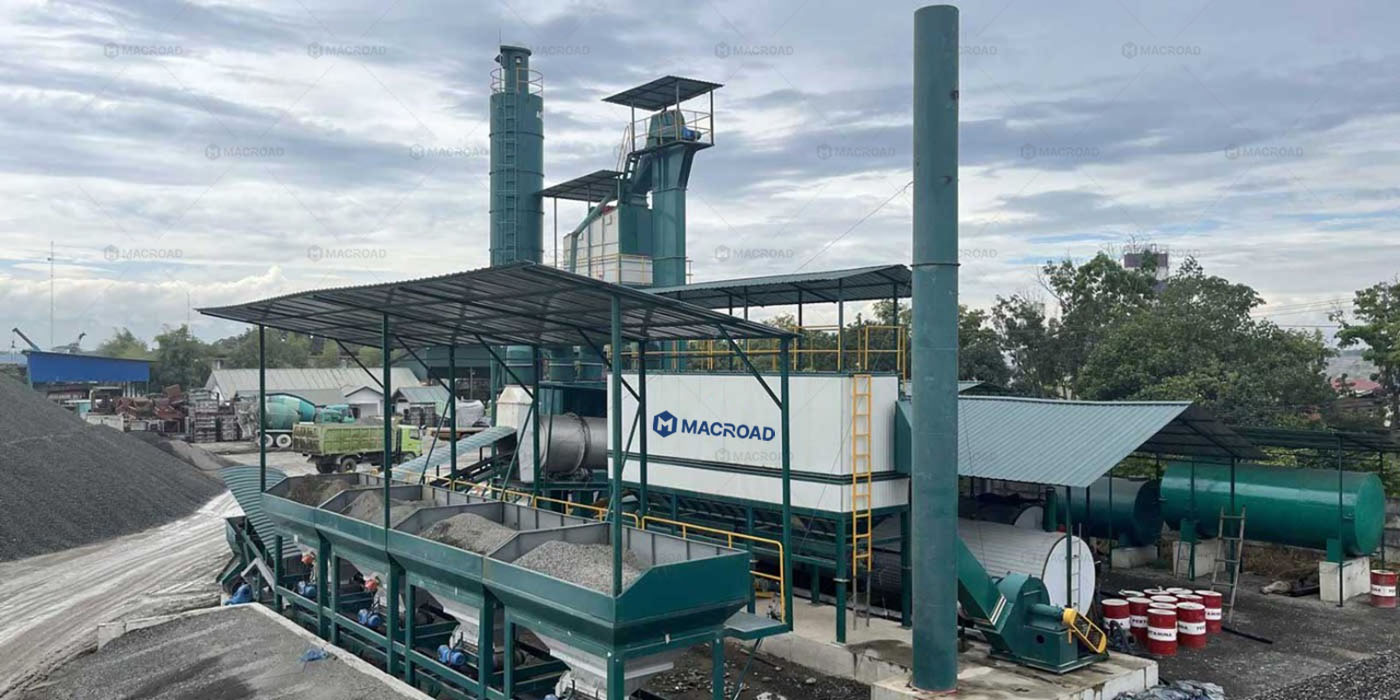
Performance Advantages Of 120 Tph Plants In Indonesian Road Projects
Beyond compliance, contractors care about operational efficiency. In Indonesia, road projects often face tight deadlines and unpredictable weather conditions. This is where a 120 TPH plant becomes highly practical.
Let’s explore the real-world benefits that influence purchasing decisions.
Balanced Output For Medium And Large Projects
A 120 TPH plant can support continuous road paving without excessive idle capacity. It matches well with typical asphalt laying crews in Indonesia.
This balance reduces fuel waste and improves equipment utilization rates.
Faster Project Completion Compared To Smaller Plants
Compared to 60–80 TPH plants, a 120 TPH system significantly increases daily output. This helps contractors meet tight deadlines for PU-funded projects.
In many cases, faster completion also improves cash flow cycles for contractors.
Lower Operating Cost Than Large Plants
Although larger plants produce more material, they also consume more fuel and require higher maintenance costs.
A 120 TPH plant provides a cost-efficient middle ground. It reduces fuel consumption while still supporting medium-scale national projects.
Key Challenges Contractors Should Consider
While a 120 TPH asphalt batching plant is highly capable, it still requires proper planning. Many compliance issues come not from equipment limits but from operational mistakes.
Understanding these risks helps contractors avoid project delays and penalties.
Material Quality Variations
In Indonesia, aggregate quality can vary by region. If raw materials are inconsistent, even the best plant cannot guarantee PU compliance.
Contractors must implement strict material testing before production begins.
Improper Calibration And Maintenance
Without regular calibration, weighing systems may drift over time. This directly affects mix design accuracy.
Preventive maintenance schedules are essential for long-term compliance.
Operator Skill Level
A modern plant requires trained operators. Even automated systems need human supervision for adjustments.
Skilled operators can significantly improve consistency and reduce rejection rates.
How To Ensure Full Pu Compliance With A 120 Tph Plant
To fully meet Indonesia Ministry of Public Works standards, contractors should adopt a system-based approach rather than focusing only on equipment specifications.
Here are the most effective practices used in successful road projects:
- Conduct daily mix design verification tests
- Maintain strict temperature logs for every batch
- Calibrate weighing systems regularly
- Use certified aggregate sources
- Implement real-time quality monitoring systems
When these practices are applied consistently, a 120 TPH plant can reliably meet PU expectations across different project types.
Conclusion: Is A 120 Tph Asphalt Plant The Right Choice For Pu Projects?
A 120 TPH asphalt batching plant is not just sufficient—it is often an ideal choice for many Indonesia road construction projects. It provides the right balance between production capacity, cost efficiency, and quality control capability.
However, compliance with Ministry of Public Works standards depends heavily on equipment quality, operator discipline, and project management practices. When these factors align, a 120 TPH plant can deliver excellent performance even under strict PU requirements.
For contractors aiming to expand in Indonesia’s growing infrastructure market, this capacity level offers a strategic advantage. It supports both profitability and compliance without unnecessary operational complexity.
Call To Action: Build Compliant And Profitable Road Projects
If you are planning a road construction project in Indonesia and want to ensure full PU compliance, selecting the right asphalt plant is the first step toward success. A properly configured 120 TPH asphalt batching plant can help you reduce cost, improve efficiency, and maintain consistent quality across all projects.
Contact our technical team today to get a customized solution based on your project scale, material conditions, and local requirements. MACROAD will help you design a system that meets both performance targets and Indonesia PU standards—so your project runs smoother, faster, and more profitably.