Is A 120 Tph Asphalt Batch Plant Enough For A 180,000-Ton Provincial Road Project In Sumatra, Indonesia?
When contractors plan a 180,000-ton provincial road project in Sumatra, Indonesia, one of the most important decisions is selecting the right asphalt plant capacity. This choice directly affects project speed, cost control, and long-term construction efficiency. A 120 TPH asphalt batch plant is often considered for this type of project, but the real question is whether it is truly enough under real working conditions.
This article breaks down production logic, project demand, and field realities in a practical way. It helps contractors understand not just theoretical capacity, but real-world performance in Indonesia’s road construction environment.
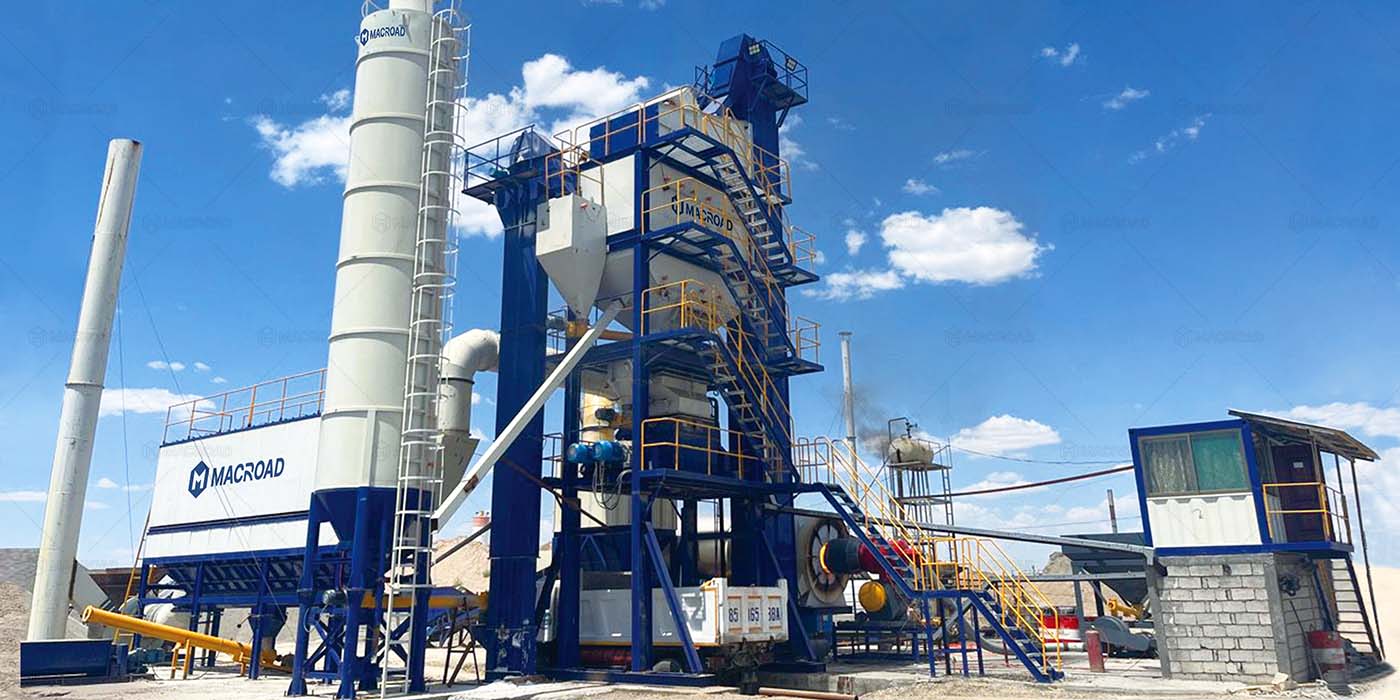
Understanding The Real Project Demand In Sumatra
A 180,000-ton provincial road project is a medium-to-large infrastructure job. In Sumatra, such projects often stretch across long distances, connecting rural and semi-urban regions. This creates additional challenges in logistics and material delivery.
To evaluate plant suitability, we first convert total demand into daily production. If the project runs for 300 working days, the requirement is about 600 tons per day. If the timeline is shorter, such as 200 days, daily output must reach around 900 tons. This difference plays a major role in equipment selection and planning.
At this stage, many contractors begin comparing plant capacities and layout configurations. For more technical details about plant structure and configurations, you can refer to asphalt batching plant solutions designed for different production scales.
Performance Of A 120 Tph Asphalt Batch Plant
A 120 TPH asphalt batch plant can theoretically produce 120 tons per hour. However, real production in field conditions is always lower due to weather, truck cycles, and maintenance factors. In Sumatra’s working environment, actual efficiency usually ranges between 70% and 85%.
This means real output is typically around 600 to 900 tons per day based on 8–10 hours of operation. This range already aligns closely with the daily demand of a 180,000-ton project, which makes the 120 TPH plant a realistic option.
However, success depends heavily on operational coordination. If truck dispatching or paving speed is not synchronized, even a suitable plant can become inefficient.
Key Advantage Of 120 Tph Capacity
The biggest advantage of a 120 TPH plant is stability. It is easier to manage compared to larger plants, and it provides consistent output for medium-scale provincial road projects. It also reduces initial investment pressure while maintaining reliable performance.
At the same time, contractors should understand that this capacity works best when the project is well-organized and does not require extreme acceleration.
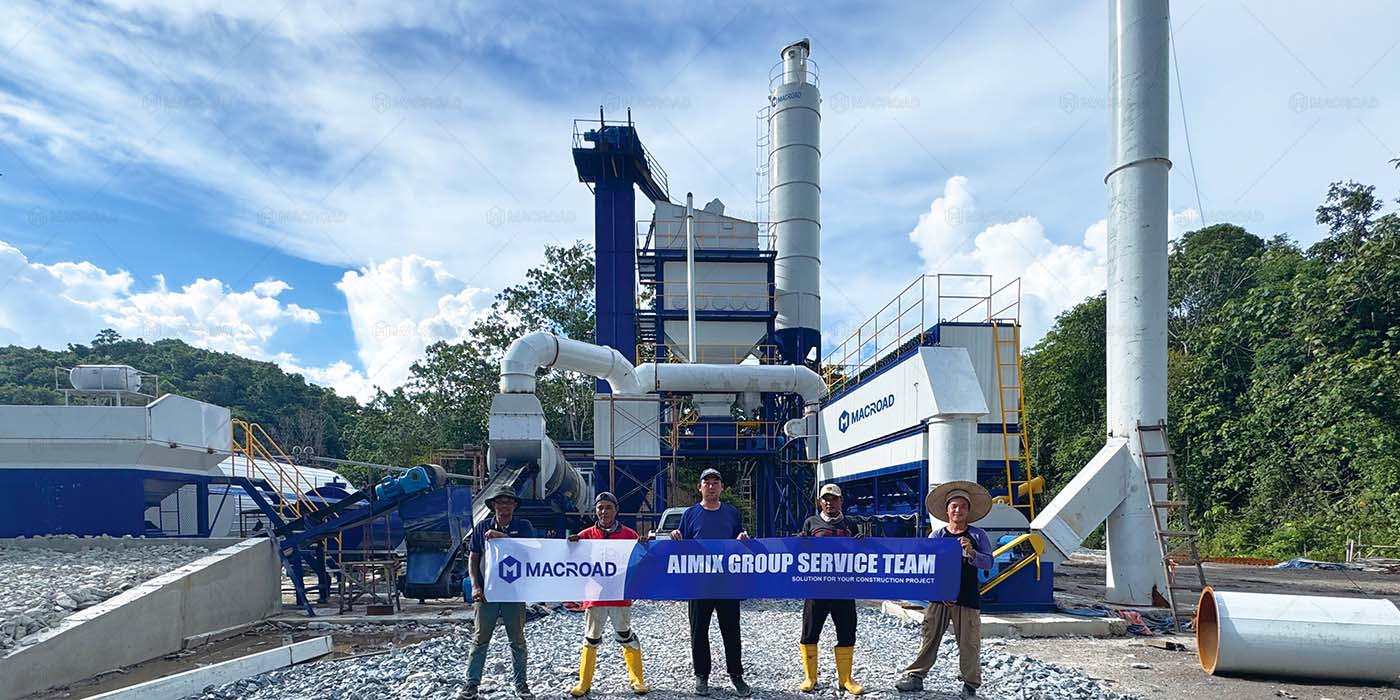
Matching Production With Project Timeline
Now let’s connect capacity with real project execution. If a 120 TPH plant produces an average of 800 tons per day, the total construction duration for 180,000 tons can be estimated as:
180,000 ÷ 800 ≈ 225 working days.
This shows that a single 120 TPH plant can complete the project within a reasonable timeframe. However, this also means the margin for delay is limited. Weather interruptions or logistics inefficiencies may extend the schedule.
To improve performance, contractors often focus on optimizing supporting systems such as truck fleets and paving coordination. This system-level optimization is often more important than increasing plant size alone.
For contractors exploring different production configurations, detailed equipment structures can be found under MACROAD solutions, which cover modular asphalt plant systems for varying project needs.
Field Conditions And Logistics Challenges In Sumatra
Sumatra’s terrain and infrastructure conditions significantly affect asphalt production efficiency. Many provincial roads pass through long rural routes, plantations, and mountainous areas. These conditions increase transportation time and affect truck cycle efficiency.
When haul distances increase, even a high-capacity plant may face idle time due to truck delays. Therefore, balancing plant output with logistics capability is essential.
In many real projects, a 120 TPH plant actually matches local logistics capacity very well. It avoids overproduction while maintaining steady paving flow. However, it requires strict coordination between mixing, transport, and paving teams.
For projects requiring hot mix production, you can also explore pabrik aspal hotmix solutions that are commonly used in Indonesian road construction projects.
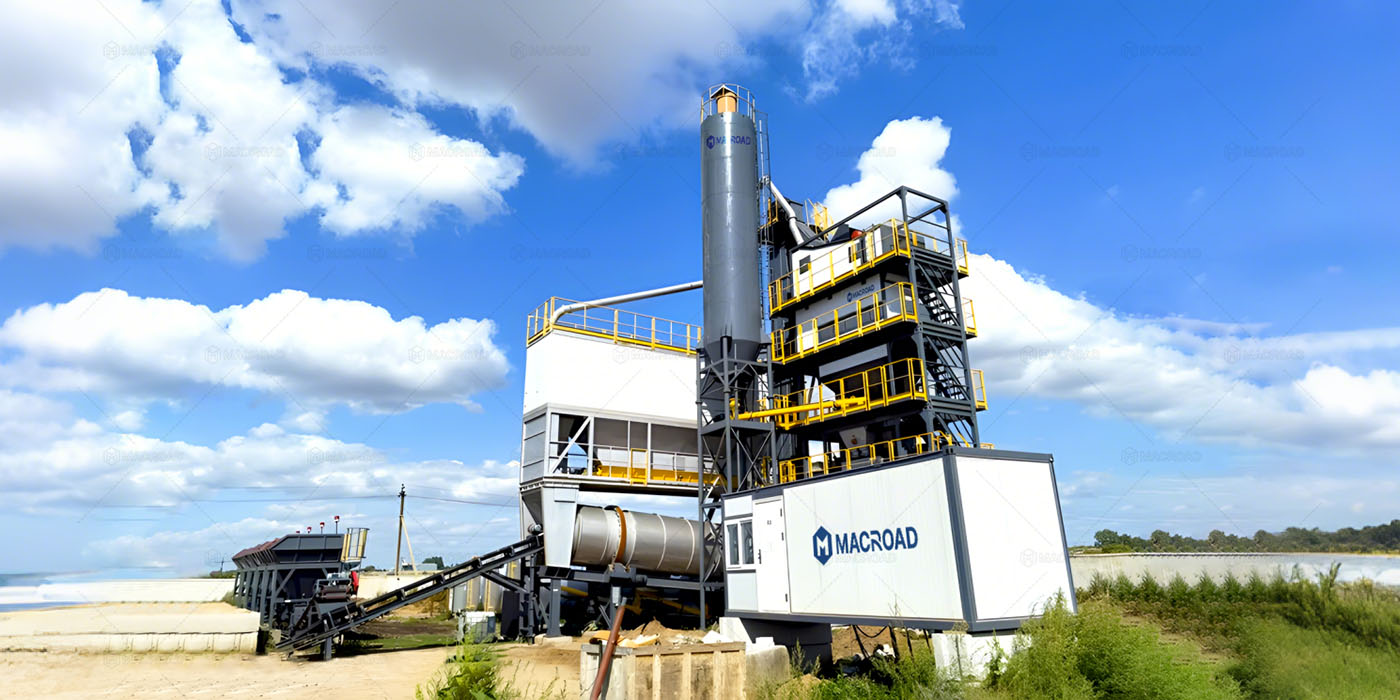
When A 120 Tph Plant Works Best
Suitable Project Conditions
A 120 TPH asphalt plant works best when the project has a stable schedule and moderate daily paving requirements. It is especially suitable for phased construction, where road sections are completed step by step instead of all at once.
In Sumatra provincial road projects, this scenario is quite common. Therefore, many contractors prefer this capacity due to its balance between performance and cost.
Limitations To Consider
However, if the project requires fast-track execution or multiple paving teams working simultaneously, a single 120 TPH plant may become a bottleneck. In such cases, production capacity may not fully support construction speed.
Contractors must also consider unexpected changes such as design adjustments or weather delays, which can increase pressure on production systems.
Cost And Efficiency Perspective
From a cost perspective, a 120 TPH asphalt batch plant provides a strong balance between investment and productivity. It requires lower capital compared to higher-capacity plants and is easier to operate in remote areas like Sumatra.
However, efficiency is not only about equipment cost. If the plant is too small for the schedule, indirect costs such as delays and extended labor time can increase total project expenses.
Therefore, the best strategy is to balance plant size with project timeline, logistics capacity, and paving efficiency. This system-level approach is widely used in modern road construction planning.

Final Recommendation For Contractors
A 120 TPH asphalt batch plant is generally enough for a 180,000-ton provincial road project in Sumatra, but only when the project is well-managed and logistics are properly coordinated.
If the project timeline is flexible and the paving process is organized efficiently, this capacity provides excellent cost-performance balance. However, for fast-track or high-pressure projects, upgrading capacity or adding redundancy may be a safer choice.
In real construction practice, success does not depend only on plant size. It depends on how well the entire system works together.
Conclusion And Call To Action
Choosing the right asphalt plant is a strategic decision that affects the entire success of a road project. A 120 TPH asphalt batch plant can be a practical and efficient solution for many provincial road projects in Sumatra, especially when combined with strong logistics and planning systems.
If you are planning a road construction project and want to ensure the right equipment selection, professional guidance can help you reduce risk and improve efficiency from the start.
Contact us today to get a customized asphalt plant solution based on your project scale, timeline, and site conditions in Indonesia.