Is It Profitable To Buy A 3.5 m³ Self Loading Concrete Mixer Machine For Contractors Handling Multiple Small Projects In Indonesia?
Across Indonesia, many contractors manage several small construction projects at the same time. These projects include village roads, small bridges, shop houses, housing clusters, drainage systems, and rural infrastructure. However, managing concrete supply for these sites often creates challenges. Contractors usually rely on manual mixers, ready-mix trucks, or separate loaders and mixers. This approach increases costs and slows down progress.
Because of this situation, many contractors now consider a 3.5 m³ self loading concrete mixer machine. It combines loading, mixing, transporting, and discharging in one machine. Many Indonesian contractors now search for solutions like mixer beton self loading because they want more control over their concrete production. But an important question remains: is it really profitable? To answer this, we need to look at productivity, operating costs, flexibility, and the realities of small construction projects in Indonesia.
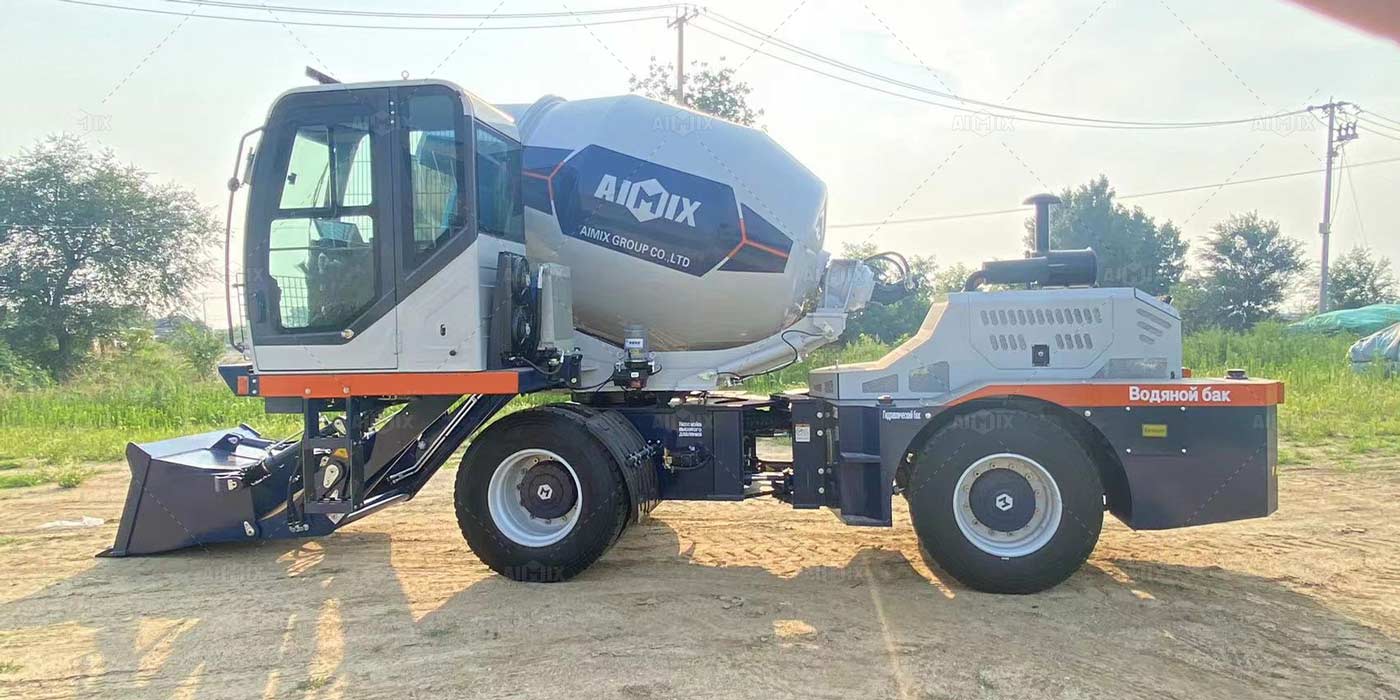
Understanding The Productivity Of A 3.5 m³ Self Loading Concrete Mixer
Before discussing profit, we first need to understand how much concrete the machine can produce. Productivity directly affects project speed and revenue.
A 3.5 m³ self loading concrete mixer produces 3.5 m³ per batch. Typically, a machine completes about four batches per hour under normal site conditions.
Hourly Concrete Output
3.5 m³ per batch × 4 batches = 14 m³ per hour
This production level suits many small and medium projects in Indonesia. For example, contractors building rural roads or housing foundations rarely need extremely large concrete volumes. Instead, they require stable daily production and flexible delivery.
Therefore, a 3.5 m³ machine provides enough capacity without creating unnecessary investment pressure. It fits the scale of most contractor projects.
Now that we understand the output, we can move on to how this productivity influences real project efficiency.
Why Multiple Small Projects Require Flexible Equipment
In Indonesia, contractors rarely focus on only one project at a time. Instead, they often handle several jobs across different locations. For example, one team may pour a housing foundation today and move to a drainage project tomorrow.
This working model creates logistical challenges. Concrete supply must remain flexible and mobile.
For instance, ready-mix trucks work well in large cities. However, they face limitations in rural areas, narrow roads, or remote villages. Transport costs also increase quickly when projects require small volumes.
Because of this, contractors need equipment that can travel between sites easily. A self loading concrete mixer solves this problem. The machine can load aggregates on-site, mix concrete immediately, and pour it where needed.
As a result, contractors gain more independence. They no longer rely on external concrete suppliers. Many buyers who compare equipment solutions also explore the self loading cement mixer for sale options to understand investment costs before making a purchase decision.
With this flexibility in mind, the next question becomes clear: how does this affect overall project costs?
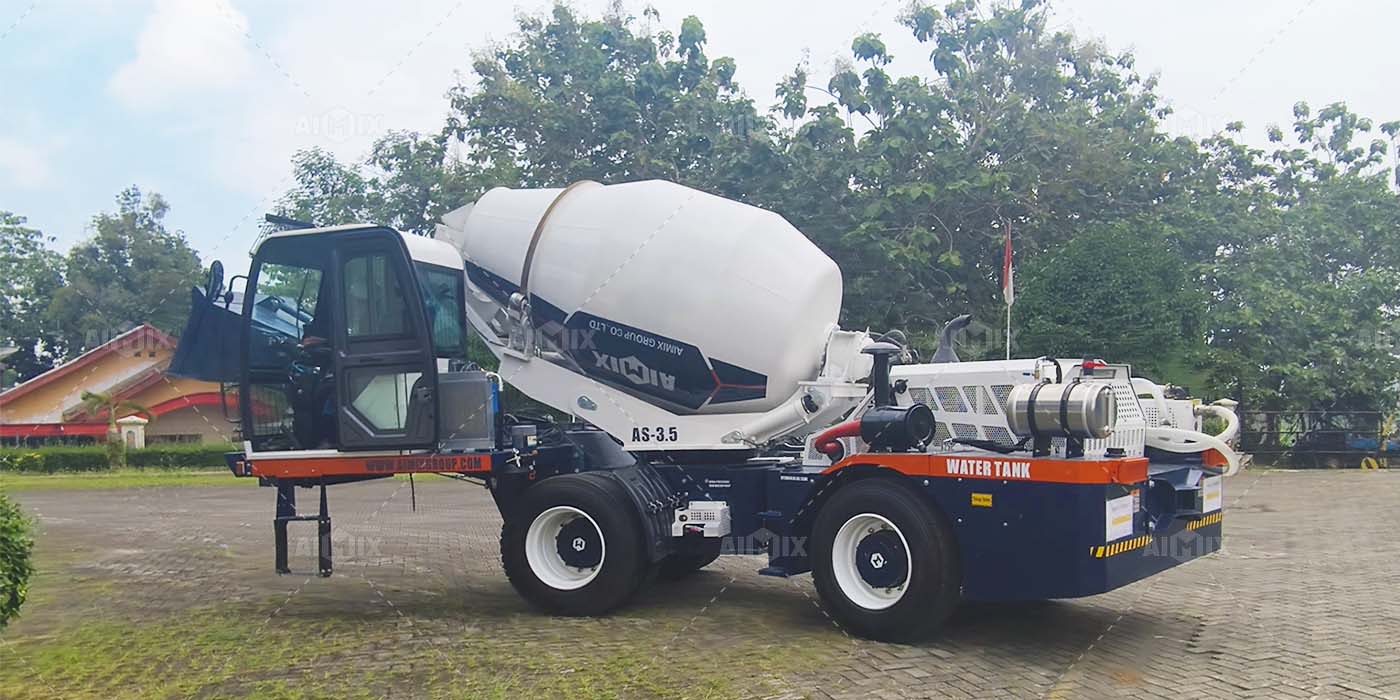
Reducing Labor And Equipment Costs
Cost control plays a major role in contractor profitability. Traditional concrete production usually requires several machines and workers.
For example, a typical setup may include:
- Wheel loader for aggregate loading
- Concrete mixer machine
- Water supply equipment
- Transportation vehicle
- Multiple operators
However, a 3.5 m³ self loading concrete mixer integrates these functions into one machine. One operator can control loading, weighing, mixing, and discharge.
Therefore, contractors can significantly reduce labor requirements.
Example Cost Comparison
Traditional setup:
Loader operator + mixer operator + labor workers
Self loading mixer setup:
One trained operator + minimal labor assistance
Over time, labor savings become substantial. Additionally, contractors reduce fuel consumption and maintenance costs from operating multiple machines.
Because of these savings, many contractors recover their equipment investment faster than expected.
After understanding cost reduction, we should also consider how mobility affects project timelines.
Improving Project Speed And Contractor Reputation
In construction, time often equals money. Delays reduce profit and damage contractor reputation.
Small projects usually suffer from inefficient concrete supply. Workers often wait for mixers to finish or for ready-mix trucks to arrive.
A self loading concrete mixer improves this situation.
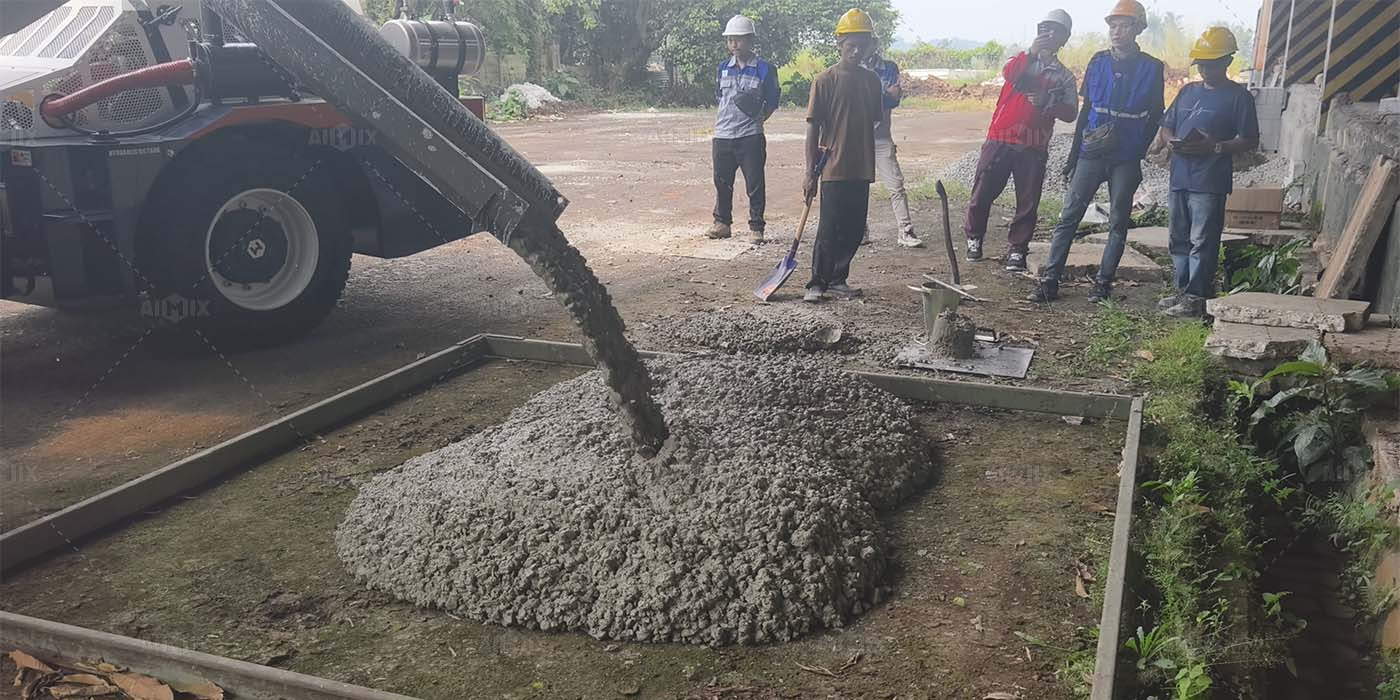
Since the machine loads materials and mixes concrete on-site, contractors maintain full control over production timing. They can pour concrete exactly when the site requires it.
Furthermore, the machine can drive directly to different sections of the site. This reduces manual transport and speeds up pouring work.
As a result, contractors complete projects faster. Faster completion allows them to take more projects within the same year.
More projects mean more revenue opportunities.
Next, let's examine another advantage that many Indonesian contractors value: adaptability to different job sites.
Adapting To Indonesia’s Diverse Construction Conditions
Indonesia has diverse construction environments. Contractors often work in urban streets, mountainous villages, coastal areas, and remote islands.
Because of this diversity, equipment must adapt to challenging conditions.
A 3.5 m³ self loading concrete mixer works well in these environments for several reasons:
- Compact structure suitable for narrow roads
- Strong mobility between multiple sites
- On-site material loading capability
- Reduced dependence on external supply chains
For example, many housing developers in second-tier cities prefer this machine because it allows them to produce concrete inside the project area.
Similarly, infrastructure contractors working on village roads often choose self loading mixers because ready-mix trucks cannot access remote locations. If contractors want to compare equipment specifications, they often review the top selling self loading concrete mixer models available in the market.
Therefore, this equipment matches the practical needs of Indonesia’s construction market.
Considering these advantages together, we can now return to the main question about profitability.
Is The Investment Really Profitable?
For contractors handling multiple small projects, profitability depends on three factors: equipment utilization, cost savings, and project efficiency.
A 3.5 m³ self loading concrete mixer performs well in all three areas.
First, the machine produces about 14 m³ of concrete per hour. This capacity suits most small and medium construction jobs.
Second, the integrated design reduces labor, fuel, and equipment expenses. Contractors can control costs more effectively.
Third, the machine improves project flexibility. Contractors can move between sites quickly and keep concrete supply under their own control.
Because of these advantages, many Indonesian contractors find that a self loading concrete mixer becomes a valuable long-term asset. The machine supports continuous work across multiple projects throughout the year.
Start Improving Your Project Efficiency Today
If you manage multiple small construction projects in Indonesia, choosing the right equipment can transform your business. A 3.5 m³ self loading concrete mixer provides productivity, mobility, and cost control in one compact machine.
Instead of relying on several machines or external concrete suppliers, you can produce concrete directly on-site. This approach increases efficiency and strengthens your competitiveness in the construction market.
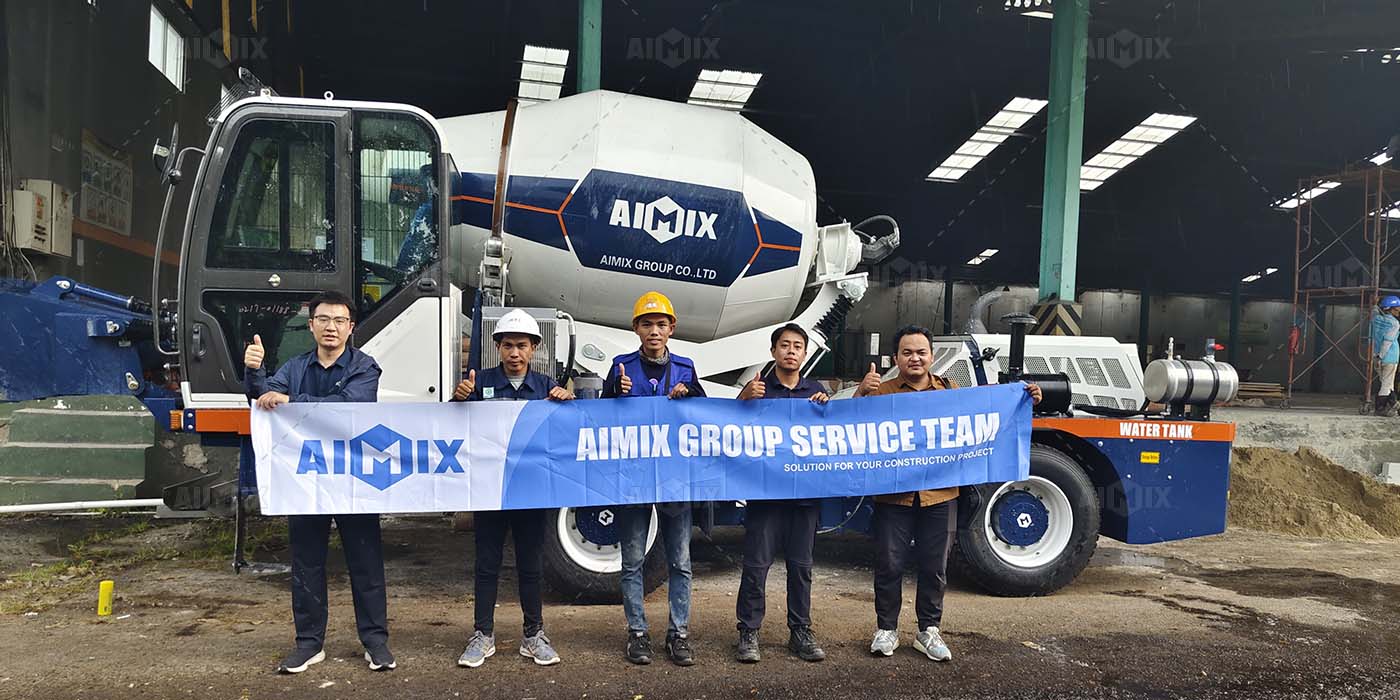
If you want to learn more about suitable models, production capacity, or pricing, the AIMIX team can help you evaluate your project needs and recommend the right solution. Contact us today to explore how a self loading concrete mixer can support your next construction project.