Why the First Home Has Become More Important Than the Wedding Gift List
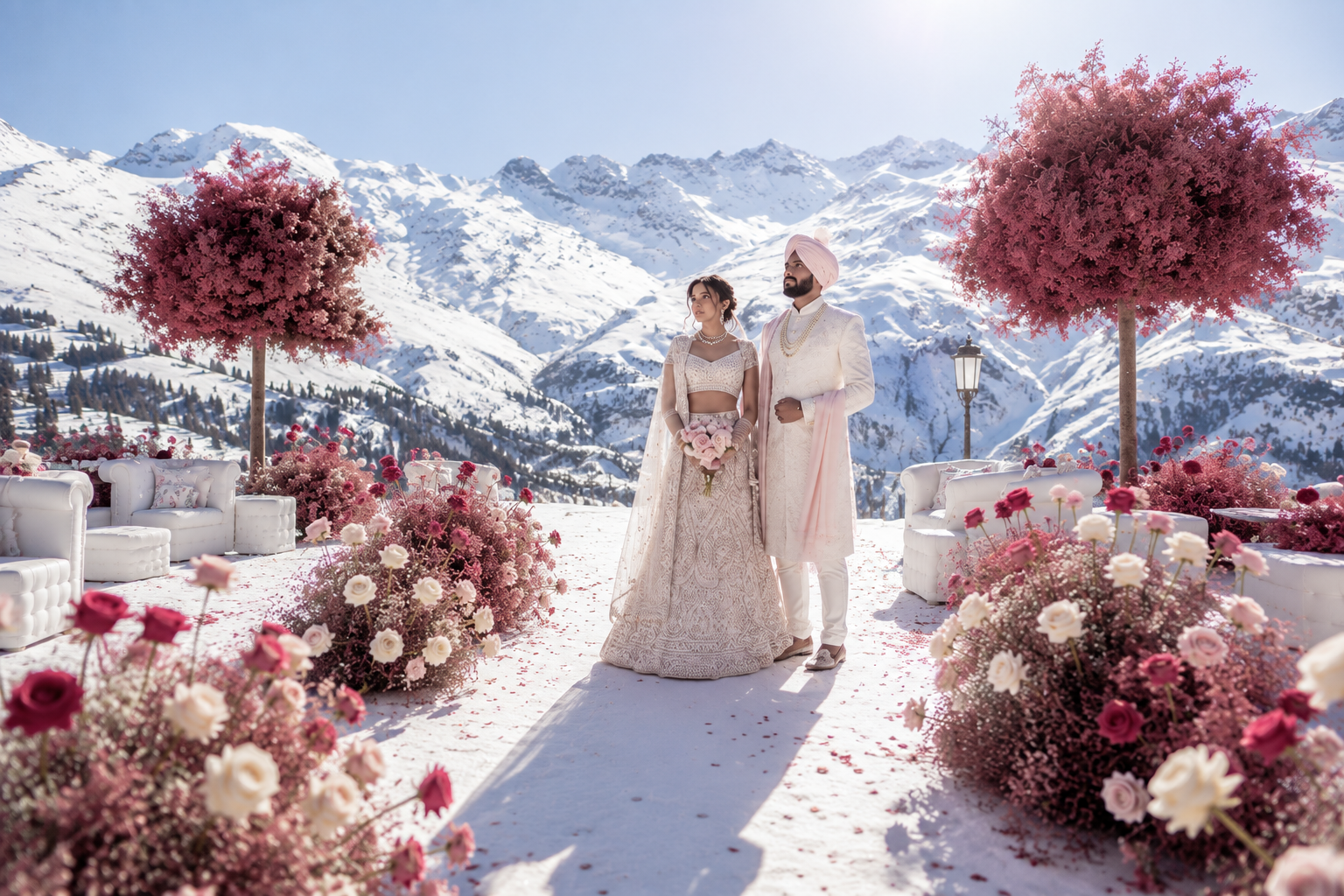
For generations, weddings were often followed by the same ritual. Friends and family presented gifts that helped a couple begin married life, and the success of those gifts was usually measured by their practicality. Cupboards were filled with dinnerware, appliances occupied every available shelf, and every room was expected to look complete almost immediately. Building a home meant accumulating everything that might one day be needed.
That mindset is changing.
Many newly married couples today are approaching marriage with a very different perspective. They are less interested in owning everything at once and far more interested in creating a home that reflects who they are as individuals and as partners. Rather than rushing to furnish every room, they are allowing their homes to evolve naturally, adding meaningful pieces over time. The result is not only a more personal living space but also a more sustainable and emotionally rewarding approach to home ownership.
One reason for this shift is that couples increasingly understand the difference between buying products and building a home. A beautifully designed home is rarely the result of one large shopping trip. Instead, it develops gradually through experiences, travels, shared decisions and carefully considered purchases. Every object has the potential to become part of a larger story. The dining table may host the first family celebration. A decorative light may illuminate countless conversations over the years. A handcrafted vase might remind the couple of the friends who gifted it on their wedding day.
This growing appreciation for meaningful objects has also changed the way luxury is perceived. Luxury is no longer defined simply by price or abundance. Instead, it is increasingly associated with craftsmanship, longevity and thoughtful design. Couples are choosing fewer decorative accessories, but they are investing in pieces that will continue to complement their home for many years. Timeless materials, artisan craftsmanship and quality manufacturing have become far more desirable than trend-driven purchases that quickly lose their appeal.
Interior styling plays an important role in this evolution. Unlike decoration, which often focuses on filling empty spaces, interior styling considers how every object contributes to the atmosphere of a room. Lighting creates mood. Decorative accessories introduce personality. Art provides conversation. Furniture encourages interaction. Together, these elements create spaces that support everyday life instead of simply looking attractive in photographs.
Wedding gifting is evolving alongside these changing priorities. Increasingly, guests are choosing gifts that become part of a couple's daily life rather than items that may eventually be stored away or replaced. Designer decor, artistic accessories and beautifully crafted objects often remain visible for decades because they continue to hold emotional significance. Every time they are used or admired, they remind the couple of the relationships and celebrations that marked the beginning of their married life.
The concept of heirloom pieces has therefore become relevant once again. Earlier generations often passed furniture, artwork and decorative objects from one generation to the next. While lifestyles have changed, the desire to own meaningful objects has returned. Couples are once again looking for pieces that will age gracefully, remain useful and continue telling their story long after changing design trends have disappeared.
Creating a first home is also one of the earliest collaborative experiences within a marriage. Selecting furniture, discussing lighting, choosing artwork and deciding how each room should function requires communication and shared decision-making. These conversations gradually shape not only the interior but also the relationship itself. The home becomes a reflection of shared values rather than individual preferences.
This philosophy is increasingly reflected in events that focus on thoughtful living instead of simply shopping. One such example is The Wedding Collective Mumbai 2026, where the emphasis extends beyond conventional wedding gifting to include ideas that help couples create homes filled with craftsmanship, timeless design and meaningful living. Rather than encouraging people to buy more, it encourages them to buy better and to invest in objects that become part of everyday life.
You can learn more about the event here:
https://spaciocollections.com/blogs/news-updates/the-wedding-collective-mumbai-2026-the-home-edit
Ultimately, the first home has become far more than an address. It is the place where routines become traditions, ordinary evenings become cherished memories and carefully selected objects quietly witness every stage of family life. When couples invest in quality, craftsmanship and thoughtful design instead of simply accumulating possessions, they create interiors that remain relevant for decades.
Perhaps that is why the first home has become one of the most meaningful investments newly married couples make. It is not simply about where they live. It is about the life they choose to build together.
About the Author
Navin Kanodia is an interior styling expert and founder of Spacio Collections, specialising in luxury furniture, decorative lighting and curated home decor from leading international brands. Working closely with homeowners, architects and interior designers, he believes that timeless interiors are created through thoughtful styling, exceptional craftsmanship and meaningful design choices that continue to enrich everyday life for years to come.