Signs of Kidney Failure
Signs of Kidney Failure
گردے فیل ہونے کی علامات
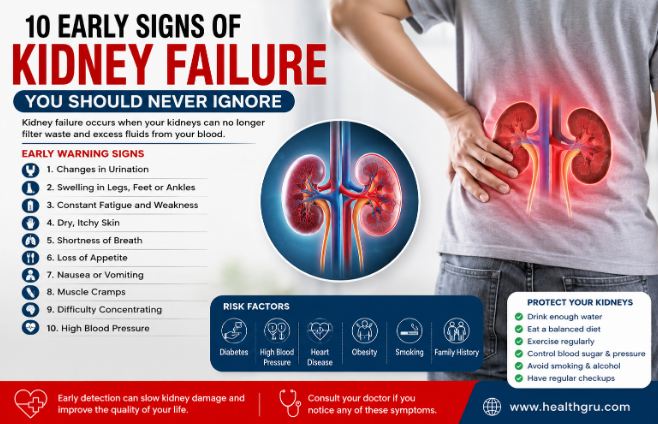
Your kidneys are essential to maintaining the health of your body. They eliminate waste, maintain fluid balance, control blood pressure, and aid in the production of red blood cells. It can be simple to overlook the warning symptoms when kidney function starts to decline. Early detection of these symptoms may enable you to seek medical attention before the illness worsens.
Kidney Failure: What Is It?
When the kidneys are unable to adequately filter waste and extra fluid from the blood, renal failure results. It might occur quickly as a result of disease, trauma, or specific drugs, or it can develop gradually over time (chronic renal disease).
Modifications in Urination
A discernible change in urination is one of the first indications of kidney issues. Particularly at night, you might urinate more or less frequently than normal. The urine could be darker, frothy, or have blood in it.
Ankle, foot, or leg swelling
Excess fluid is eliminated from the body by healthy kidneys. When they malfunction, fluid can accumulate and result in swelling in the legs, ankles, feet, and even the area around the eyes.
Persistent Weariness
The hormone erythropoietin, which aids in the body's production of red blood cells, is produced less frequently by damaged kidneys. Anemia may result from this, which can lead to chronic fatigue, weakness, and low energy.
Itchy and dry skin
Dry, itchy skin may result from an accumulation of waste materials in the blood. This may also indicate that the kidneys are having difficulty keeping the body's mineral balance.
Breathlessness
Breathing difficulties can be brought on by anemia from kidney illness or fluid accumulation in the lungs, particularly when lying down or engaging in strenuous exercise.
Diminished Appetite
A decreased appetite is a common symptom of renal illness. Waste materials building up in the blood can cause nausea and alter the flavor of food.
Chronic Vomiting or Nausea
Nausea and vomiting may increase in frequency when toxins accumulate in the body, especially in the morning or after meals.
Cramps in the muscles
Muscle cramps and spasms are more likely when kidney illness throws off the balance of minerals like potassium and calcium.
Having Trouble Focusing
Brain function may be impacted when the kidneys are unable to adequately eliminate toxins. This may result in a lack of focus, disorientation, memory issues, or poor concentration.
High Blood Pressure
Kidney disease is both a cause and a consequence of high blood pressure. It's crucial to talk to your doctor about kidney health if your blood pressure is still high after medication.
Common Risk Factors
Diabetes, Elevated blood pressure, Heart conditions, Being overweight, Smoking,
Kidney illness in the family, Over 60 years of age,
How to Protect Your Kidneys
Make sure you get enough water every day.
Regulate your blood pressure and blood sugar.
Consume a diet reduced in excess salt and well-balanced.
Engage in regular exercise.
Steer clear of smoking and binge drinking.
Only take painkillers as prescribed.
If you have high blood pressure or diabetes, have regular checkups.
When Should You See a Doctor?
Make an appointment with a medical expert if you experience swelling, prolonged exhaustion, changes in urination, blood in the urine, or persistent nausea. Kidney damage can be slowed down and the risk of consequences decreased with early diagnosis and treatment.
Concluding Remarks
The early warning signals of kidney failure might be modest, and the condition frequently develops gradually. Keeping an eye out for changes in your body and getting medical help as soon as possible can have a big impact. Long-term kidney protection can be achieved with a healthy lifestyle, routine medical examinations, and treatment of diseases including diabetes and high blood pressure.
www.healthgru.com
Back to Posts