When Does Joint Pain Become Serious Enough to Consider Laser Therapy?
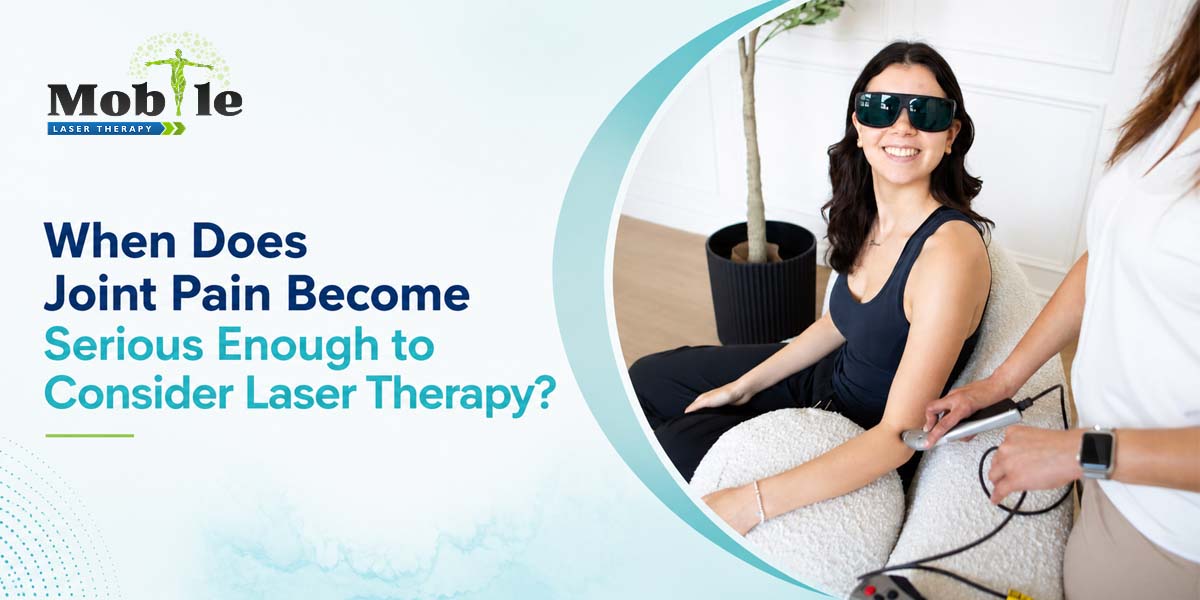
Joint pain becomes serious when it lasts for several weeks, keeps returning, limits daily activities, or does not improve with rest. A professional assessment can recognize the cause and determine whether laser treatment for arthritis may be appropriate as part of a personalized physiotherapy plan.
Why Should Persistent Joint Pain Not Be Ignored?
It’s normal to feel sore after physical activity sometimes. But if pain continues during your regular daily activities, it’s a sign you should pay attention.
Ongoing discomfort can be caused by inflammation, joint wear, repetitive strain, or an old injury. If you ignore these symptoms, everyday tasks may become harder over time.
Pain Can Affect More Than Your Joints
Joint pain can change the way you move, sometimes without you noticing. You might start to favor one side of your body or avoid certain movements.
These changes can put extra stress on nearby muscles and joints, which may lead to new discomfort in other parts of your body.
What Signs Suggest It Is Time for a Professional Assessment?
If pain continues even when you rest, it’s a warning sign. Swelling, stiffness, trouble moving, or difficulty climbing stairs are also reasons to get checked out.
A registered physiotherapist can check how your joint moves and figure out what might be causing your symptoms. This helps decide if laser therapy should be part of your treatment plan.
Many people explore laser treatment for arthritis after ongoing joint discomfort begins affecting work, exercise, or everyday activities.
How Can Laser Therapy Support Joint Recovery?
Laser therapy uses light energy to treat injured or irritated tissues. It’s meant to support your body’s natural healing process and help reduce pain and inflammation.
The BIOFLEX Professional Laser System follows proven treatment protocols used by registered physiotherapists. Your treatment is tailored to your condition, symptoms, and recovery progress.
Laser Therapy Constitutes Part of a Broader Physiotherapy Plan
Laser therapy is not meant to replace a full rehabilitation program. Physiotherapists may also suggest movement exercises, changes to your activities, and education to help you improve in the long run.
Using a mix of different treatments often gives a more complete approach to joint problems.
Which Joint Problems Are Commonly Treated?
Laser therapy is often used for joint and soft tissue problems. It can also support recovery after some orthopedic procedures, if a medical professional recommends it.
Some common examples are arthritis pain, tendon injuries, bursitis, ligament strains, repetitive strain injuries, and ongoing knee pain. Every treatment method starts with a professional assessment.
People seeking laser therapy for knee pain often do so when walking, standing, or climbing stairs becomes uncomfortable. Mobile treatment can also benefit individuals who find traveling difficult because of limited mobility.
Conclusion
If your joint pain is not getting better, it may be time to have it checked instead of hoping it goes away on its own. A registered physiotherapist can assess your condition, explain your treatment options, and recommend care that suits your needs.
Frequently Asked Questions
Can laser therapy help both new and long-term joint pain?
Laser therapy can be used for both new injuries and long-term joint or muscle problems. A physiotherapist will first check if it’s right for your specific diagnosis and recovery goals.
Is laser therapy suitable for arthritis?
Many physiotherapists add laser therapy to treatment plans for arthritis pain. This treatment helps manage pain and improve mobility, and it works together with other rehab methods.
When should I seek help for knee pain?
You should consider professional assessment if pain continues for several weeks, returns repeatedly, or affects everyday movement. A physiotherapist can determine whether laser therapy for knee pain is appropriate as part of your rehabilitation program.