The Power of Self-Discipline in an Unfocused World
In a world engineered for perpetual distraction, self-discipline is no longer just a personal trait—it is a superpower. Modern society bombards us with relentless notifications, algorithmic feeds, and micro-dopamine hits designed to capture and monetize our attention. Consequently, the ability to sit quietly, ignore immediate temptations, and maintain focus on long-term goals has become exceptionally rare, granting a immense competitive advantage to those who master it.
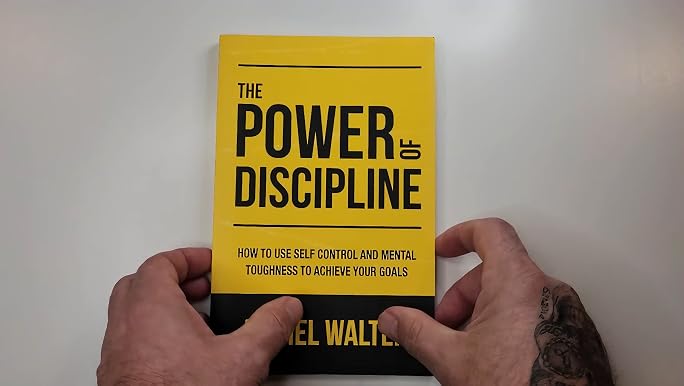
At its core, self-discipline is not about harsh self-denial or relentless willpower; it is about intentional system design. Willpower is a finite resource that drains throughout the day due to decision fatigue and emotional stress. Relying on raw effort alone inevitably leads to burnout. True discipline comes from structuring your environment to minimize friction for good habits while raising barriers to distraction—choosing long-term freedom over short-term comfort.
Furthermore, self-discipline is the foundational bridge between intention and accomplishment. Talent, intelligence, and big dreams are useless without the daily commitment to sit down and do the work, especially on days when motivation completely wanes.
Ultimately, self-discipline is the ultimate form of self-respect. It is the quiet commitment to keep the promises you make to yourself, ensuring that your future is shaped by your highest aspirations rather than your immediate impulses.
Everyday conversations—from casual banter to light small talk—act as a window directly into human nature. Far beyond merely transferring information, our routine interactions reveal our fundamental drives for social connection, status, and validation.
Small talk functions as a psychological ritual to establish trust and signal safety, while subtle status shifts in conversation satisfy our deep-seated need to feel valued and understood.
Even casual gossip serves an evolutionary purpose, enforcing group norms and building social cohesion. Furthermore, the way we speak about others frequently exposes our own projections, values, and unexamined insecurities.
Ultimately, everyday chatter proves that humans are deeply social, meaning-seeking creatures, constantly using language to construct identity, navigate relationships, and belong.
Comparison is often called "the thief of joy," and psychological reality proves this true: it systematically undermines our sense of peace, self-worth, and gratitude. In an age of endless connectivity, comparing ourselves to others has shifted from a subtle human tendency into a chronic source of dissatisfaction.
Here is why comparison quietly steals our happiness:
Comparing Your Behind-the-Scenes to Their Highlight Reel: We judge our messy, unfiltered internal realities against the carefully curated, polished external images that others project—especially on social media. This creates an unfair, distorted standard that no real life can measure up to.
The Moving Goalpost of Success: Comparison relies on relative evaluation rather than absolute progress. Instead of appreciating how far you have come, comparison focuses solely on who is ahead of you. No matter what you achieve, there will always be someone wealthier, fitter, or more accomplished, making contentment permanently out of reach.
Shifting Focus from Gratitude to Lack: Comparison trains the brain to look for what is missing. It reframes another person's success as your personal failure, transforming feelings of satisfaction into envy, anxiety, and inadequacy.
Eroding Authentic Identity: When you constantly measure your life against external benchmarks, you stop living according to your own values and timing. Success becomes defined by matching someone else’s path rather than honoring your own unique journey.
Ultimately, comparison forces you to run a race you were never meant to enter. True happiness is not found by measuring yourself against others, but by measuring your current self against who you were yesterday.
In an era saturated with endless commentary, social media feeds, and algorithmic echo chambers, independent thinking has become an endangered skill. The human mind naturally seeks cognitive shortcuts, making it easy to adopt prefabricated opinions rather than undertaking the demanding work of objective reasoning. Surrendering our thought process to the loudest voices around us leads to intellectual conformity and tribalism.
True independent thinking requires intentional intellectual humility—a willingness to question baseline assumptions, seek out opposing perspectives, and sit comfortably with complexity. It demands shifting from passive consumption to active critical analysis. Ultimately, learning to think for yourself is not about rejecting every mainstream idea; it is about cultivating the courage to reach your own conclusions based on evidence, logic, and core values.