Changes in the Latin American Market's Acceptance of Highly Automated Asphalt Mixing Plants
The road construction sector across Latin America is undergoing a profound transformation. Historically, infrastructure projects in the region relied heavily on manual operations and older mechanical systems to manage asphalt production. However, rising material costs, stricter government quality standards, and the aggressive timelines of large-scale highway projects have driven a significant shift in market perception. Today, contractors and municipal planners are rapidly embracing highly automated systems to achieve the precision and efficiency necessary for modern infrastructure.
This evolution is fundamentally changing how companies invest in production equipment. Industrial automation is no longer viewed as an expensive luxury, but rather as an essential mechanism for reducing waste and ensuring high-quality output. As regional markets mature, understanding the mechanics of these intelligent systems becomes vital for staying competitive in the highway and bridge construction sectors.
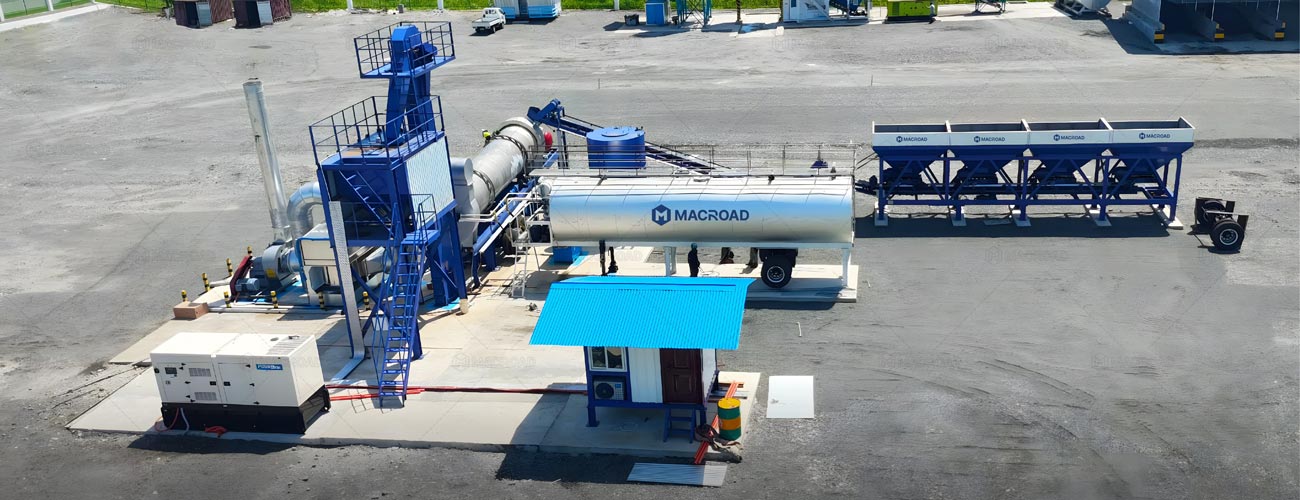
Driving Factors Behind the Automated Shift in Latin America
Several economic and regulatory shifts have forced Latin American road builders to rethink their traditional operations. The adoption of automated technology is directly solving long-standing challenges related to material costs and project consistency.
Stricter Government Specifications for Infrastructure
Governments in countries like Colombia, Peru, and Chile are implementing rigorous international standards for pavement durability. Manual monitoring makes it incredibly difficult to maintain the exact aggregate-to-bitumen ratios required by these new regulations. Highly automated asphalt plant(planta asfaltos) configurations allow operators to control temperatures and mix designs electronically, ensuring every batch meets specific engineering metrics before leaving the facility.
Reducing Cost Volatility and Material Waste
Bitumen and fuel represent the most volatile expenses in pavement production. Automated control systems track raw material consumption in real time, adjusting the burner intensity and aggregate feed instantly. By eliminating human error in the weighing and mixing phases, an automated asphalt plant drastically reduces raw material waste, directly improving the profit margins of private consortia working under fixed-price public contracts.
Key Technical Components and Downstream Integration
The benefits of automation extend far beyond the mixing tower itself. To achieve a truly seamless road construction workflow, the precise output generated at the production site must match the capabilities of the paving machinery on the road.
Precision Control Inside the Modern Mix System
Advanced automation utilizes a network of sensors, programmable logic controllers, and integrated software to manage production. The system monitors the moisture content of cold aggregates, regulates the dry drum heating process, and calculates the exact percentage of additive required for modified asphalt mixes. This high level of control ensures that the mixture remains stable and workable during transport to the construction site.
Harmonizing Production with Laydown Operations
A high-quality mix is only as good as its application on the job site. The automated features of a modern asphalt plant ensure a steady, predictable supply of material, which directly optimizes the performance of downstream equipment. When the hot mix arrives at the site, the various parts of an asphalt paver(partes de una pavimentadora de asfalto)—such as the receiving hopper, the conveyor chains, the distribution augers, and the vibrating screed—can operate continuously without frequent stops. Avoiding stops during laydown operations prevents temperature differentials in the mat, which is the primary cause of early road cracking and rutting.
Regional Market Variations in Automation Acceptance
While the trend toward intelligent machinery is clear, the rate of acceptance varies significantly across different parts of Latin America due to economic scaling and local labor dynamics.
High Acceptance in Large-Scale Logistics Corridors
In major economies like Brazil and Mexico, public-private partnerships (PPPs) dominate large highway concessions. These multi-million dollar projects demand massive daily outputs and zero defects. Consequently, contractors in these sectors are the earliest adopters, investing heavily in fully integrated, stationary automated systems to guarantee long-term performance and rapid project delivery.
Gradual Adoption in Smaller Municipal Sectors
For smaller contractors working on regional networks or urban street maintenance, the initial capital expenditure of high-end automation can be daunting. However, the market is adapting by offering modular upgrade kits. Local builders are increasingly retrofitting their existing asphalt plant models with computerized batching software, allowing them to gain the benefits of automated precision without purchasing an entirely new setup.
Operational Advantages of Implementing Automated Frameworks
Transitioning to an automated production strategy provides distinct advantages that help contractors optimize their asset management and workforce allocation:
- Remote Diagnostics and Maintenance: Automated facilities feature remote connectivity, allowing manufacturers to troubleshoot software issues or calibrated sensors from thousands of miles away, minimizing downtime.
- Enhanced Workforce Safety: Moving operators from the dusty, high-heat areas of the facility into climate-controlled control cabins drastically reduces workplace accidents and respiratory health risks.
- Precise Recycled Content Integration: Intelligent systems make it easier to incorporate high percentages of recycled asphalt pavement (RAP) by accurately recalculating the required virgin binder adjustments on the fly.
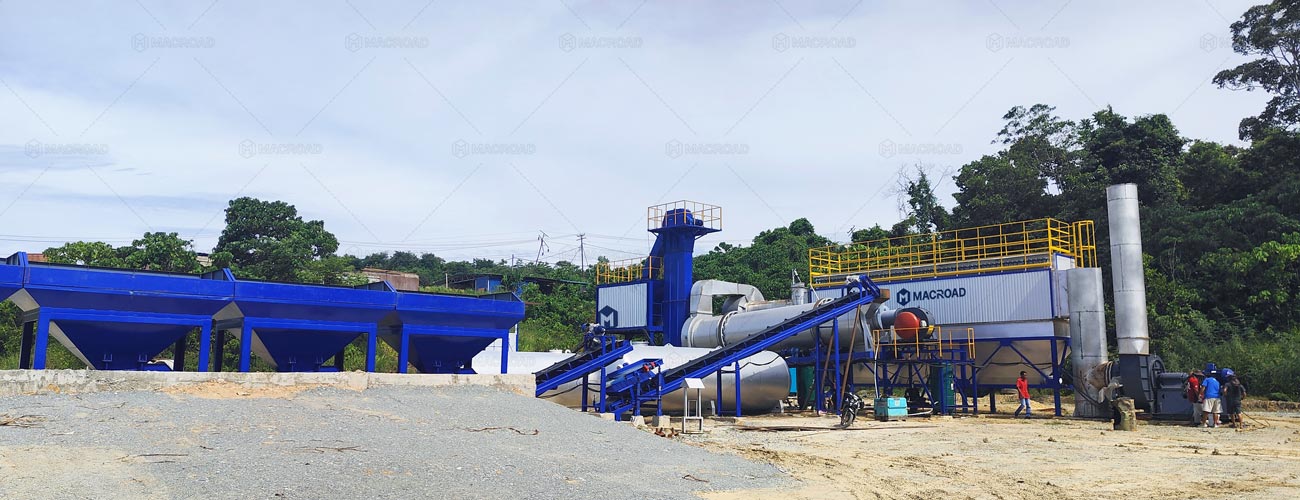
Future Outlook for the Regional Construction Sector
The Latin American market has reached a tipping point where manual production methods can no longer fulfill the efficiency demands of modern transportation networks. The integration between precision automated mixing systems and advanced laydown machinery will continue to tighten.
Contractors who proactively integrate an automated asphalt plant into their equipment fleets are positioning themselves to win high-value public tenders. By prioritizing technical precision from the initial aggregate feed down to the mechanical parts of an asphalt paver working on the highway, regional builders can deliver durable, world-class infrastructure that supports long-term economic connectivity across Latin America.