1964 Maserati Mistral Spyder — Italian Elegance with a Wind Name
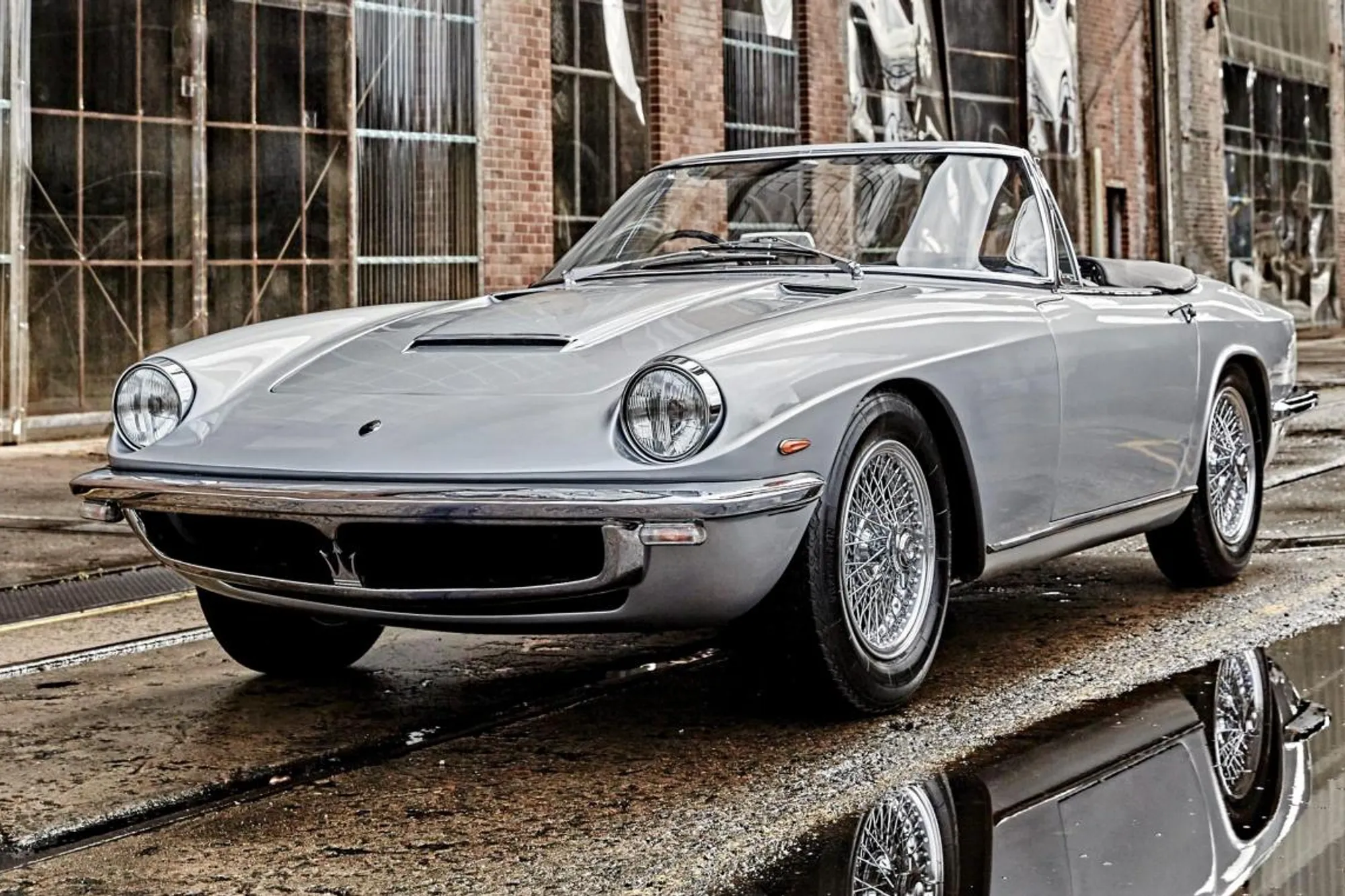
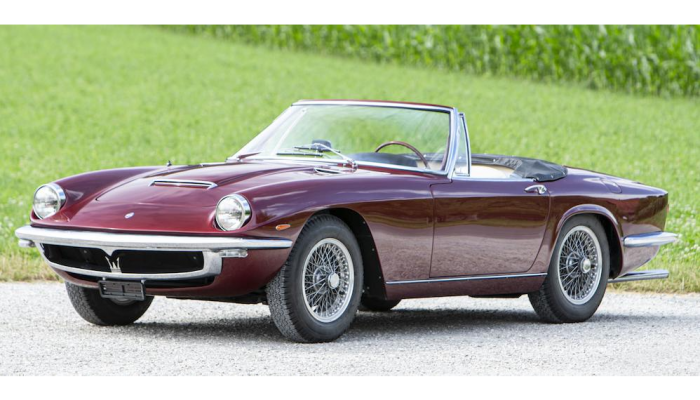
1964 Maserati Mistral Spyder — Italian Elegance with a Wind Name
In the pantheon of great Italian grand tourers of the 1960s, few names carry as much romance as Maserati. And within Maserati’s glorious back catalogue, few cars are as beautiful — or as underrated — as the Mistral.
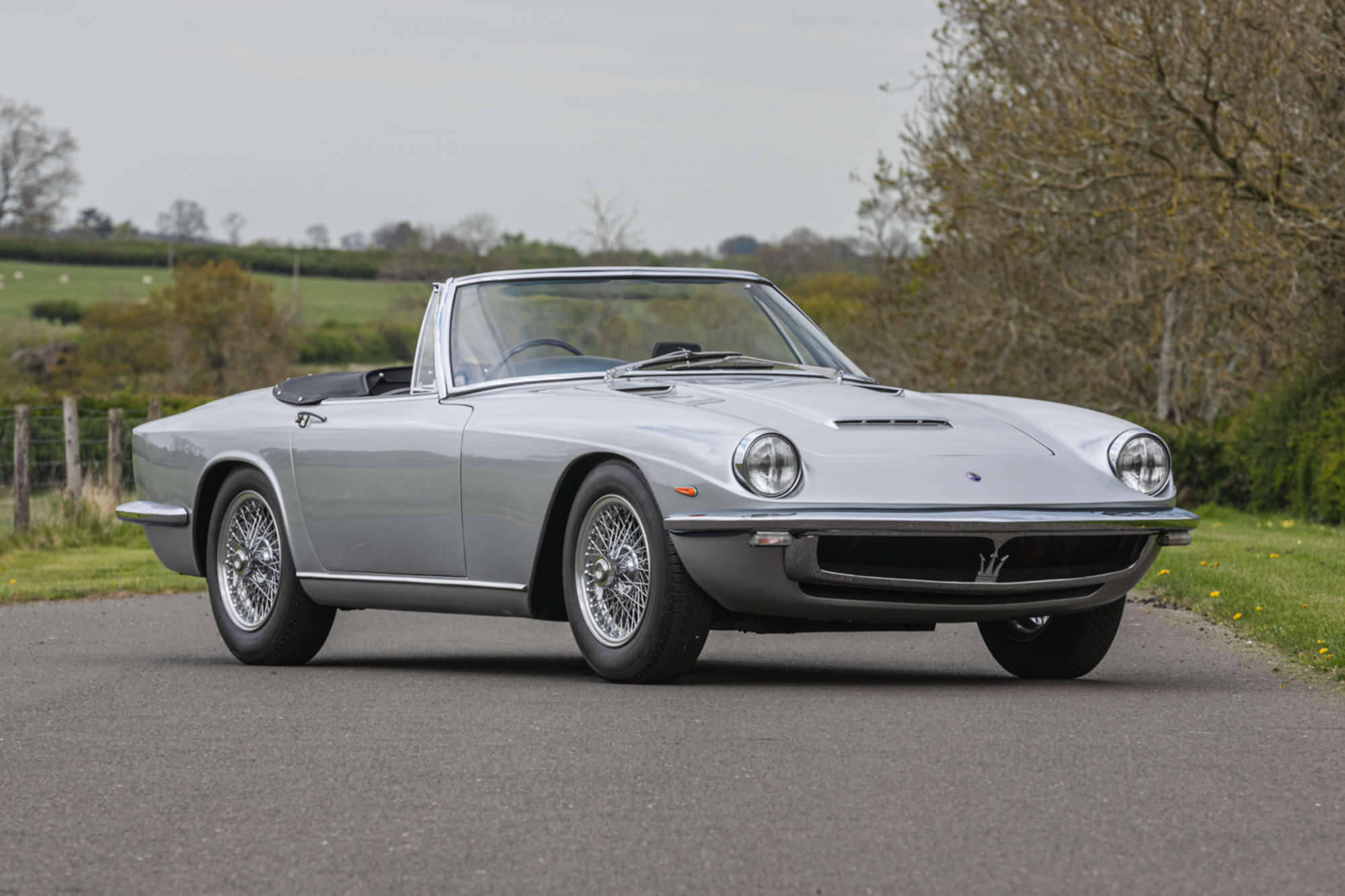
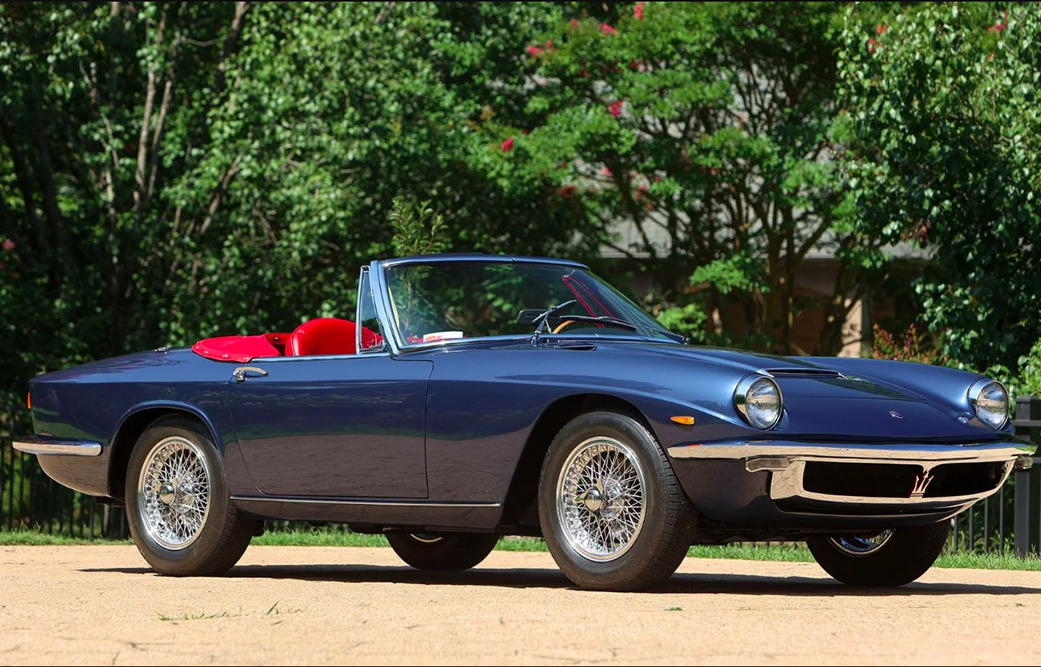
Named after the powerful cold wind that blows through southern France, the Mistral was Maserati’s first true grand tourer of the modern era. Introduced in 1963 as a coupé and joined by the Spyder convertible in 1964, it was designed by one of the greatest names in Italian coachbuilding: Pietro Frua, working for Carrozzeria Vignale.
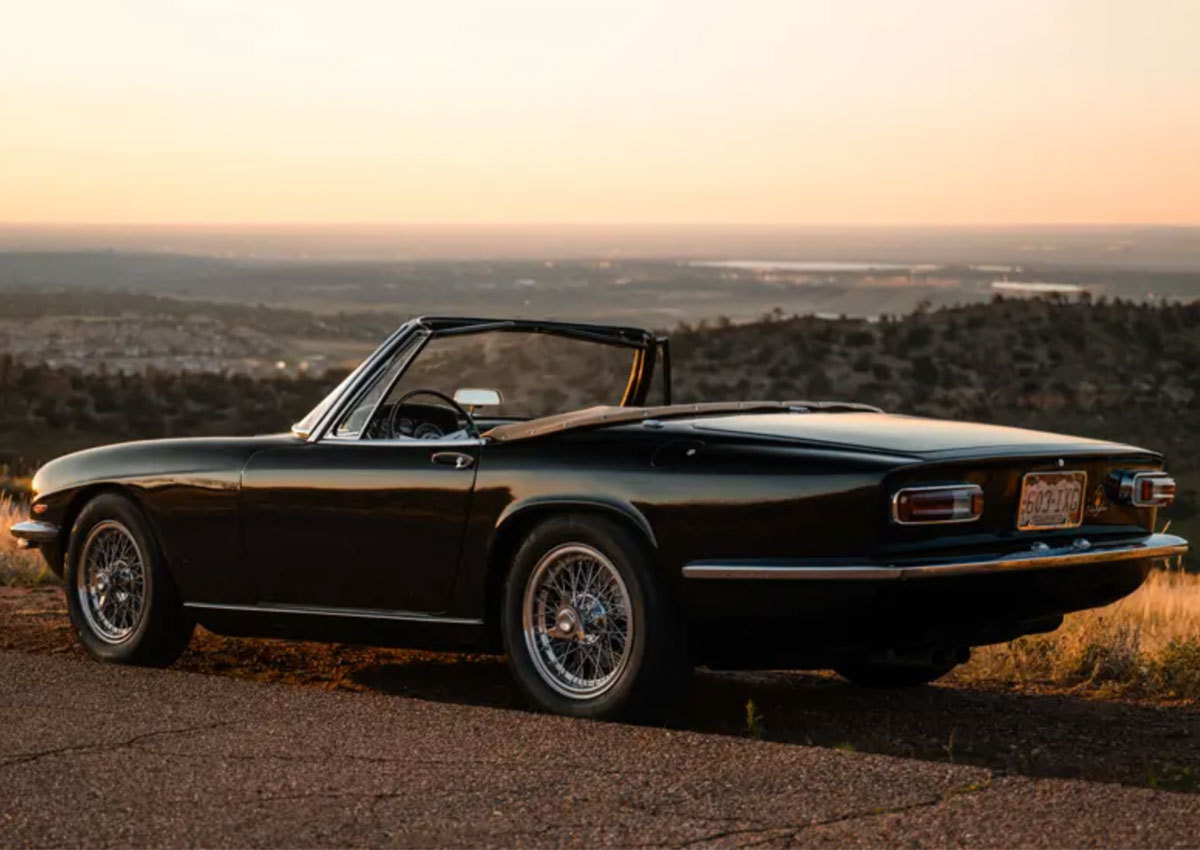
The Mistral was the first car to use a front-mid-engine layout — with the engine mounted behind the front axle. This positioning gave it excellent balance and handling, and it would become a signature of future Maseratis. It also made the car instantly recognisable, with its long bonnet and short tail.
Engineering Excellence
| Spec | Detail |
|---|---|
| Engine | 3.5L DOHC inline-six |
| Power | 235 hp at 5,500 rpm |
| Torque | 216 lb-ft at 4,000 rpm |
| Top Speed | ~230 km/h (143 mph) |
| 0–100 km/h | ~7.5 seconds |
| Transmission | 5-speed manual (ZF) |
| Drive | Rear-wheel drive |
| Weight | 1,350 kg (2,976 lb) |
| Designer | Pietro Frua (Vignale) |
The Mistral was powered by a development of the legendary Maserati inline-six engine, designed by Aurelio Lampredi — the same engineer who had created Ferrari’s famous V12 engines. The 3.5-litre version produced 235 hp, and it was also available with 3.7-litre (245 hp) and 4.0-litre (265 hp) versions.
This was a silky-smooth, characterful engine. The inline-six configuration was unusual for a top-level Italian GT of the era (most used V12s or V8s), but it gave the Mistral a distinctive, refined character with a delightful straight-six soundtrack.
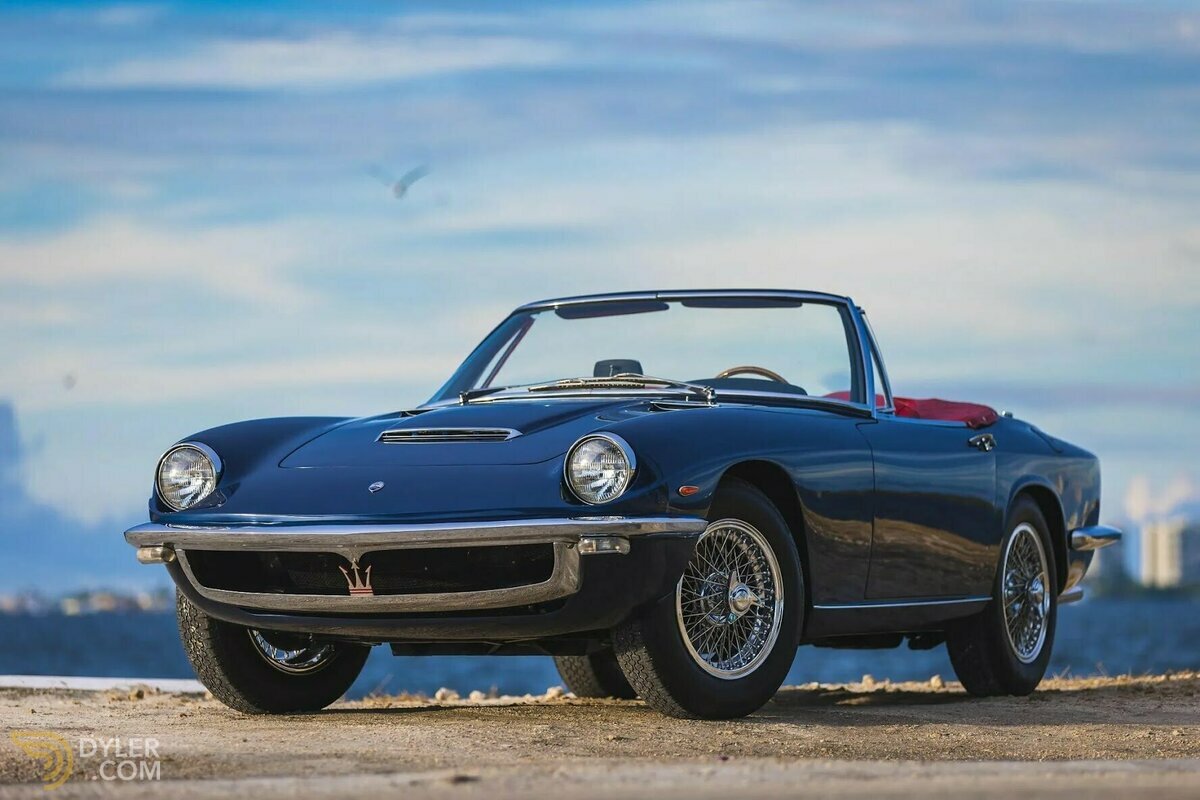
The Spyder was bodied by Vignale, while the Coupé was built by Frua himself. Both shared the same exquisite proportions, with the Spyder adding the pleasure of open-air motoring. The Mistral featured an elegant, minimalist interior with a simple but beautifully crafted dashboard.
A Rare Beauty
The Mistral was built in very limited numbers. Only approximately 828 coupés and 125 Spyders were produced between 1963 and 1970. The Spyder in particular is extremely rare — the car you see here is one of a very select few.
The Mistral Spyder was the fastest naturally aspirated road car of its day. It was a genuine 230 km/h open-top grand tourer that could cross continents in comfort and style, while still delivering the excitement of a true Italian sports car.
The name Mistral would be retired in 1970, replaced by the Ghibli. But the Mistral remains a high point of Maserati’s design and engineering history. It is the car that showed the world what Maserati could do when it combined Lampredi’s engines with Frua’s breathtaking design.
Maserati and South Africa
Maserati has always held a special allure in South Africa, even though the cars have always been extremely rare in the country. The first Maseratis arrived in South Africa in the 1950s, imported by wealthy enthusiasts and racing drivers.
The Mistral, along with its siblings the Sebring and the Mexico, was offered through Maserati’s South African importers. A handful of examples found their way to SA, where they became treasured possessions of a small, discerning circle of collectors.
South Africa also has a rich Maserati motorsport history. Maseratis competed in South African racing series throughout the 1950s and 1960s, and the marque remains a fixture at classic car events and concours across the country, from Cape Town to Johannesburg.
Today, a 1964 Maserati Mistral Spyder is a genuine collector’s item. Values range from $300,000 to $600,000, with the rare Spyder commanding the highest prices. It is one of the most beautiful — and most valuable — Italian convertibles of the 1960s.
The Wind Still Blows
The Mistral may be over half a century old, but its beauty has not faded. Its proportions are timeless, its engine is sublime, and its rarity only adds to its mystique.
For those who appreciate the finer things in automotive life, the Maserati Mistral Spyder is the definition of a driver’s car: beautiful, fast, rare, and utterly Italian.
Sources:
- Wikipedia — Maserati Mistral
- Maserati Official — Mistral
- RM Sotheby’s — Maserati Mistral Spyder
- Classic Driver — Maserati Mistral
The Maserati Mistral Spyder is a masterclass in Italian elegance — a car that combines beauty, rarity, and genuine performance in perfect measure. Would you choose a Mistral over a Ferrari or Lamborghini of the same era? Let me know your thoughts below!