Hidden Fibonacci Sequence in Decimals - My 2011 Discovery
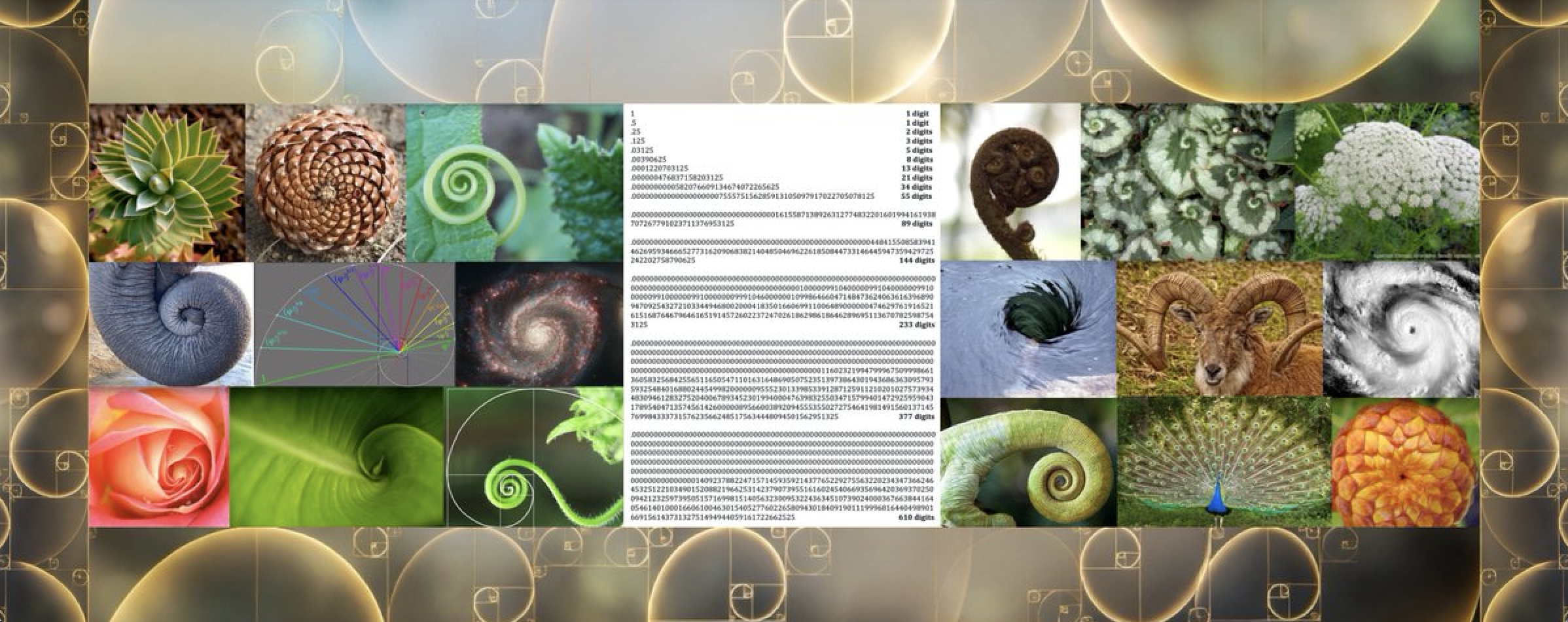
Here is a Fibonacci discovery I made around 2011.
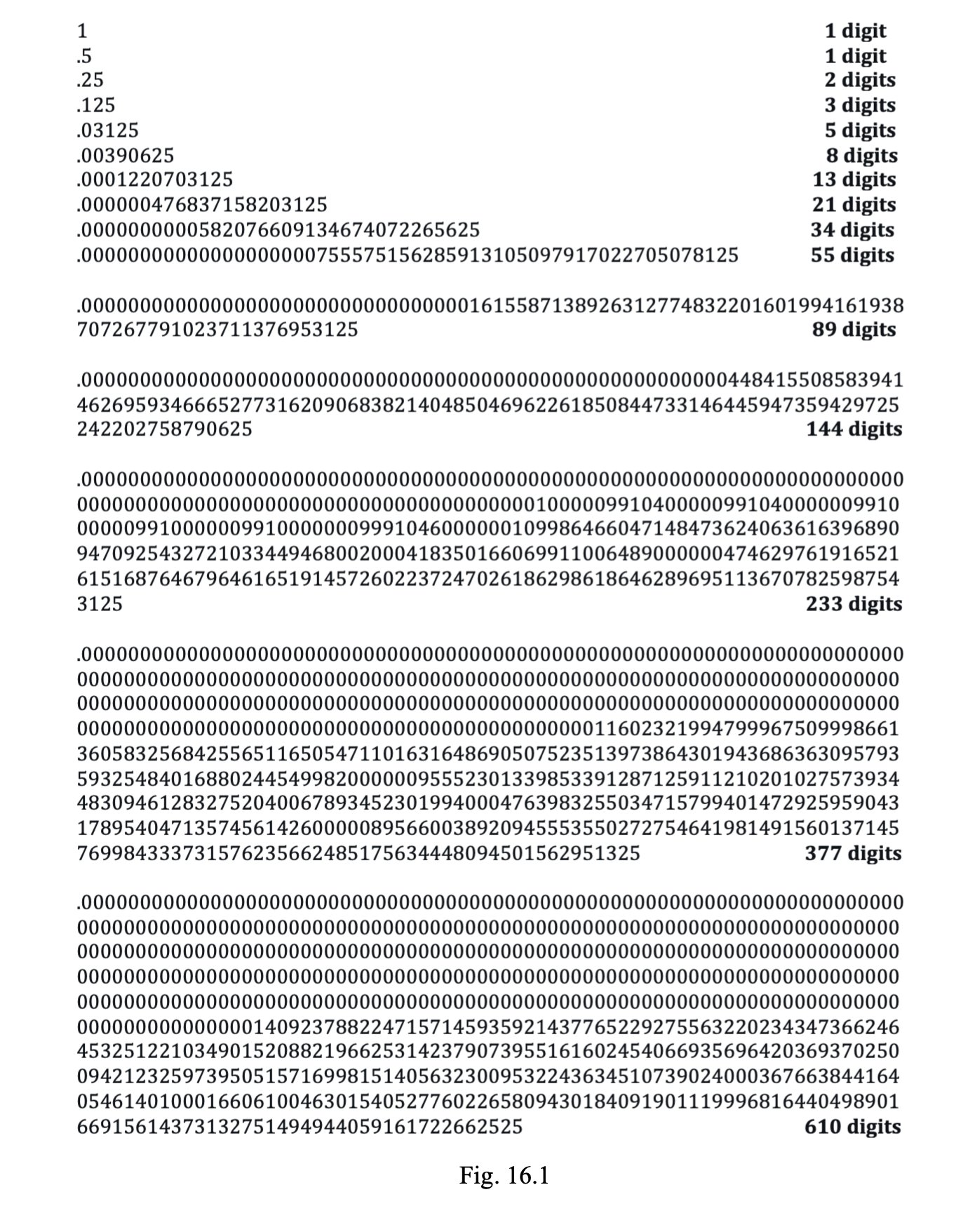
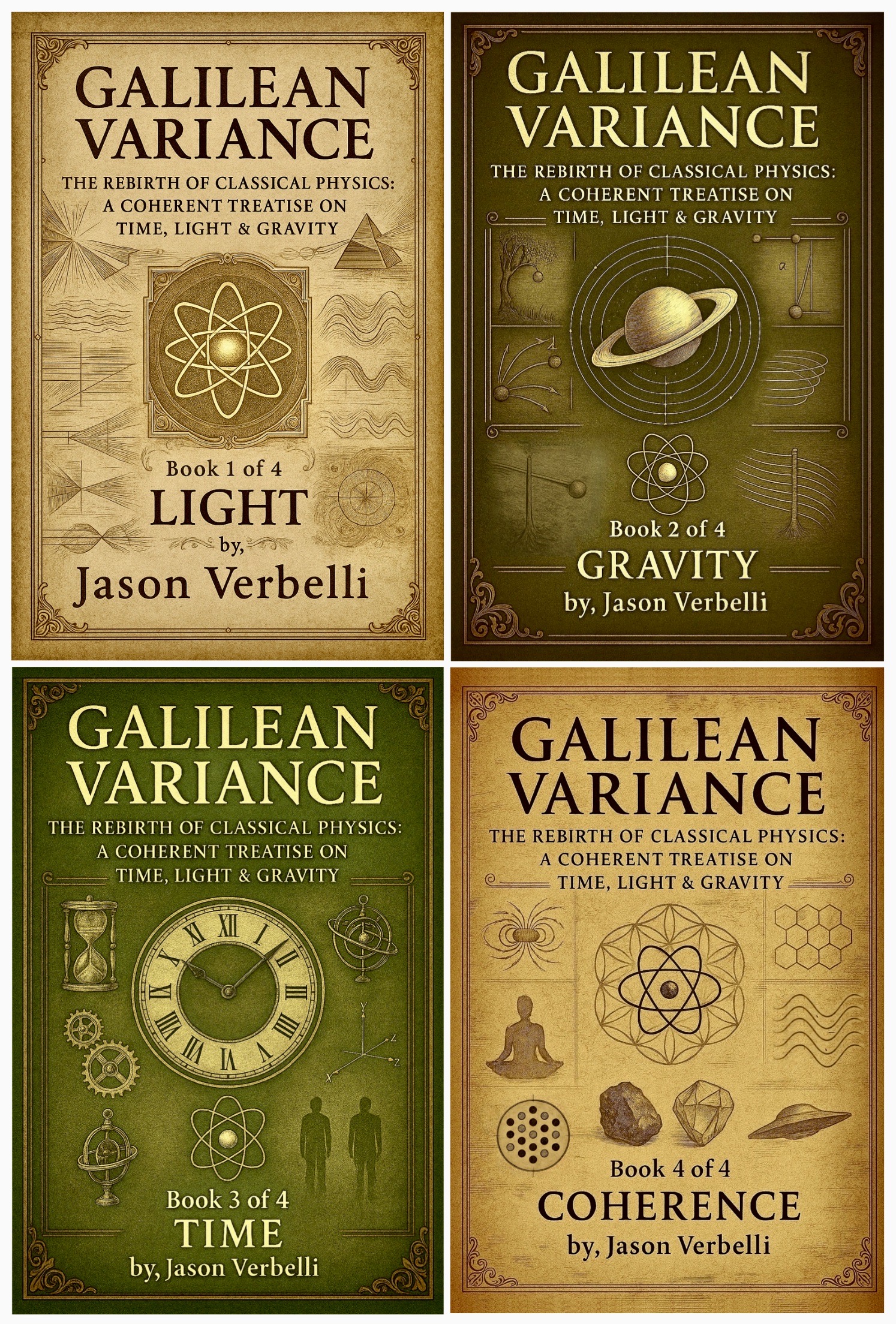
The first image is taken from my Book 3 on TIME, from my four-book tetralogy called "Galilean Variance: The Rebirth of Classical Physics. A Coherent Treatise on Time, Light & Gravity."
The amount of digits correlates with the Fibonacci Sequence:
1, 1, 2, 3, 5, 8, 13, 21, 34, 55, 89, 144, 233, 377, 610, 987, 1597, 2584, 4181, 6765, 10946, 17711, 28657, 46368, 75025, 121393, 196418, 317811, 514229, 832040.
The first 15 numbers of the Fibonacci sequence can fit on 1 page on Microsoft word with single space at 12 font.
1, 1, 2, 3, 5, 8, 13, 21, 34, 55, 89, 144, 233, 377, 610
But the next 15 numbers in the sequence take up 924 pages because of the amount of digits in each step up the sequence.
It only took me about 10 minutes to max out a 1 million digit calculator back in 2011. I halved the numbers the first three steps and then multiplied the previous decimal rather than adding the previous number like normal.
First Division:
1 divided by 2 = .5
Second Division:
.5 divided by 2 = .25
Third Division:
.25 divided by 2 = .125
Then you start doing the Fibonacci trick by taking the previous number and multiplying the next (rather than adding).
Example:
First Multiplication:
.125 times .25 = .03125
Second Multiplication:
.03125 times .125 = .00390625
Third Multiplication:
.00390625 times .03125 = .0001220703125
And so on.
You can just take away the decimal point and all the zeros to get the same result as algebraic functions! A man by the name of Peter Bala from the oeis.org site found the same numbers a year later in August of 2012.
http://oeis.org/A214706
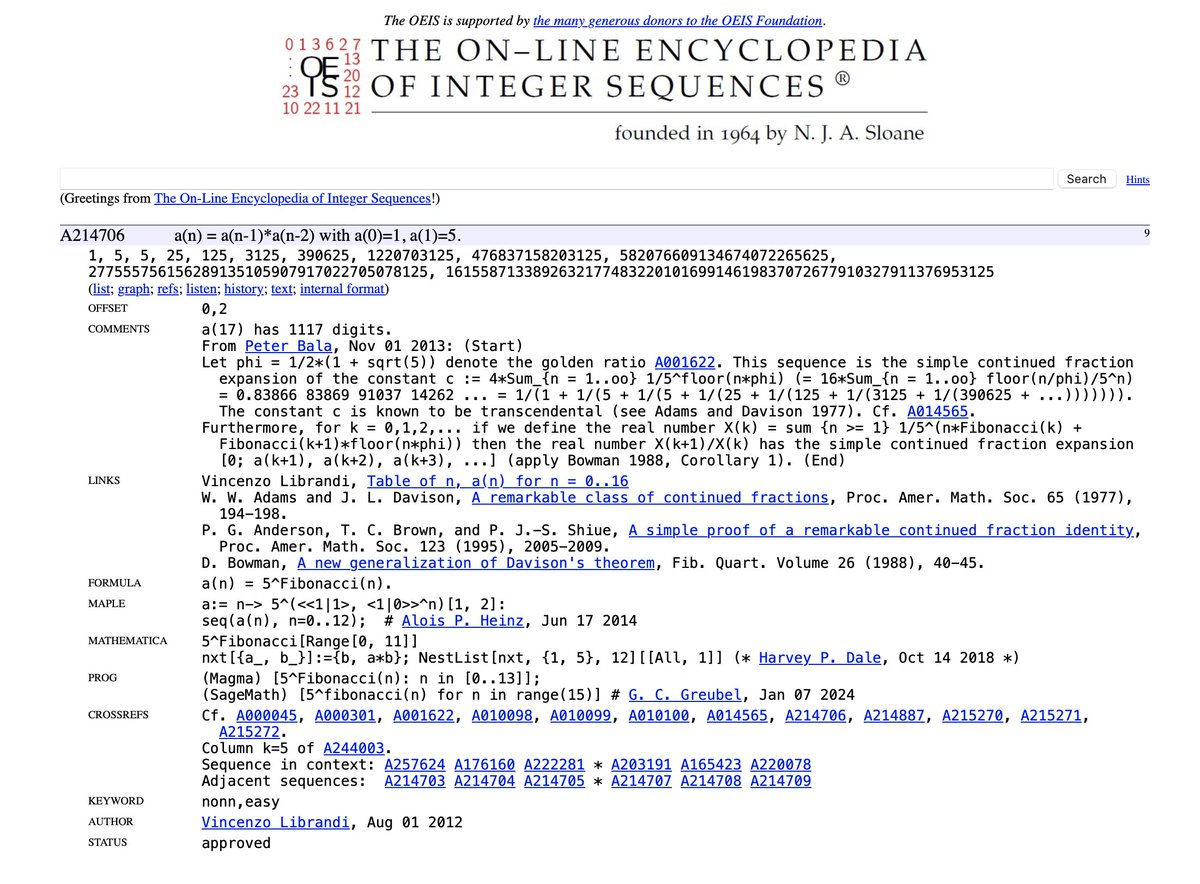
He found a sequence rising away from zero, but without the decimal points and all the other zeros preceding the other integers. He used only whole numbers.
Although, I don’t believe Mr. Bala realized the solutions to the algebraic functions correlate with the Fibonacci Sequence.
I think my method is easier to just multiply the preceding number rather than doing the algebraic functions like this:
𝑎(𝑛) = 𝑎(𝑛 − 1) ∗ 𝑎(𝑛 − 2) etc.
But in order to use my method, you have to know the secret of dividing by half, three times before starting the sequence.
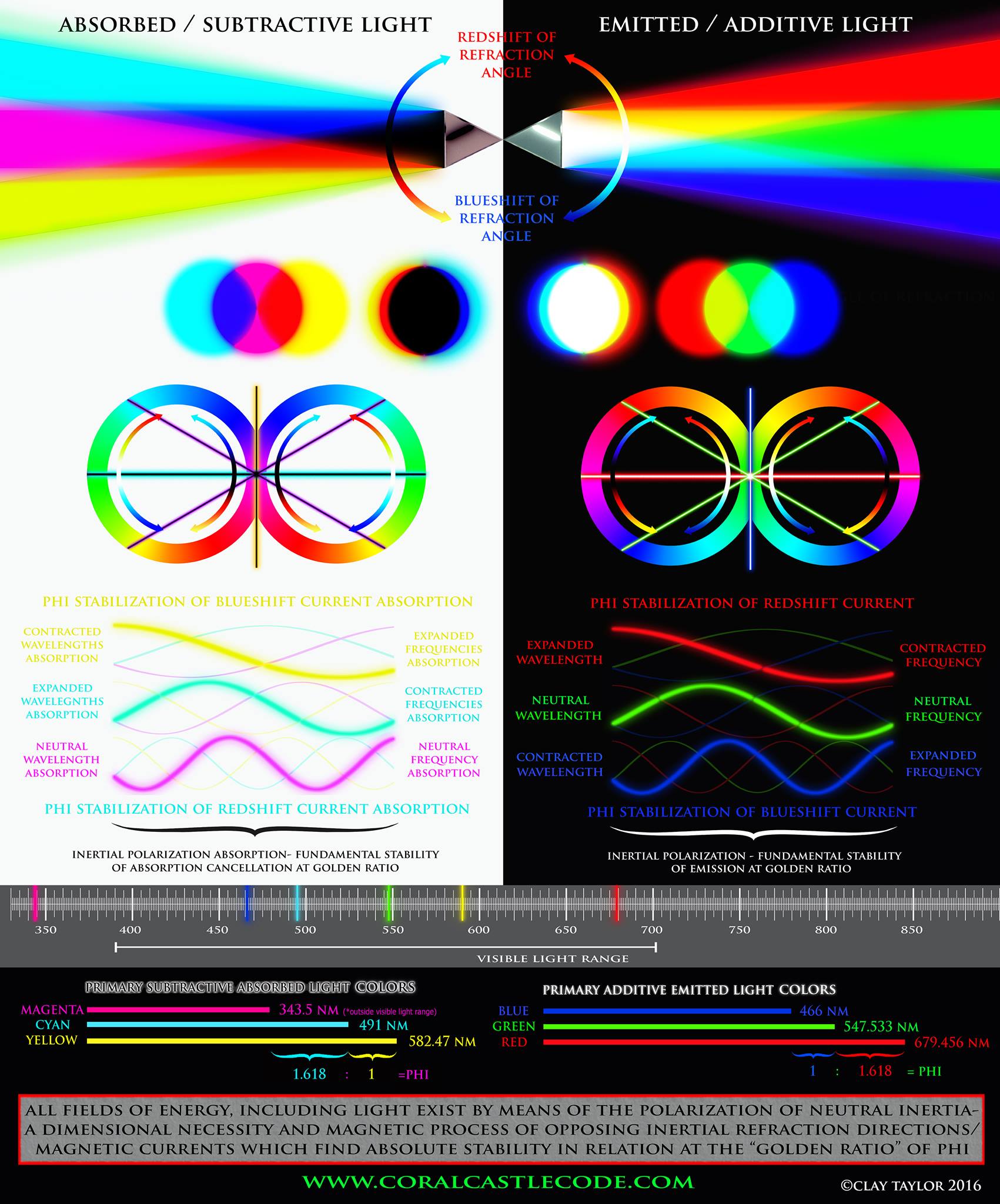
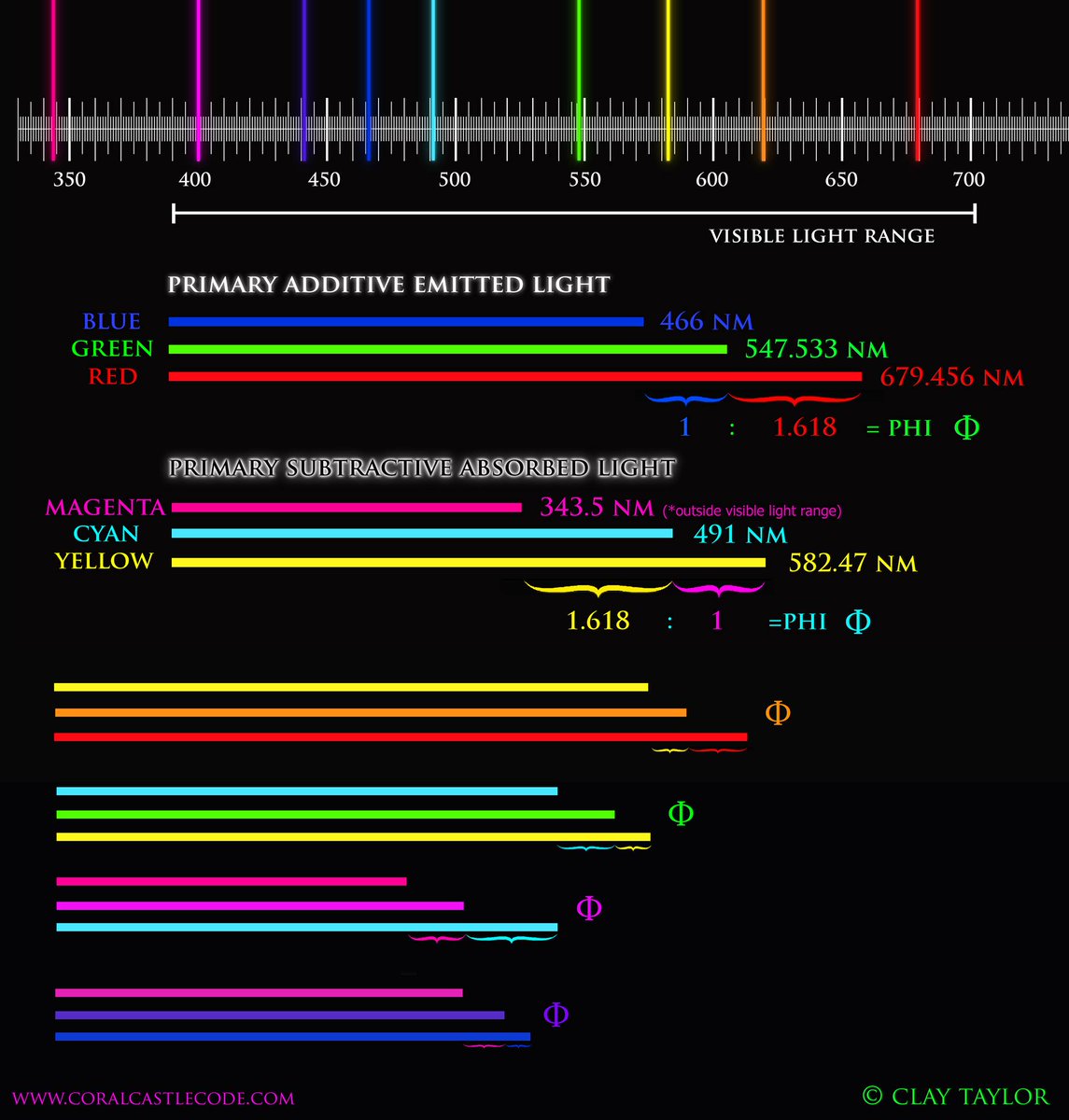
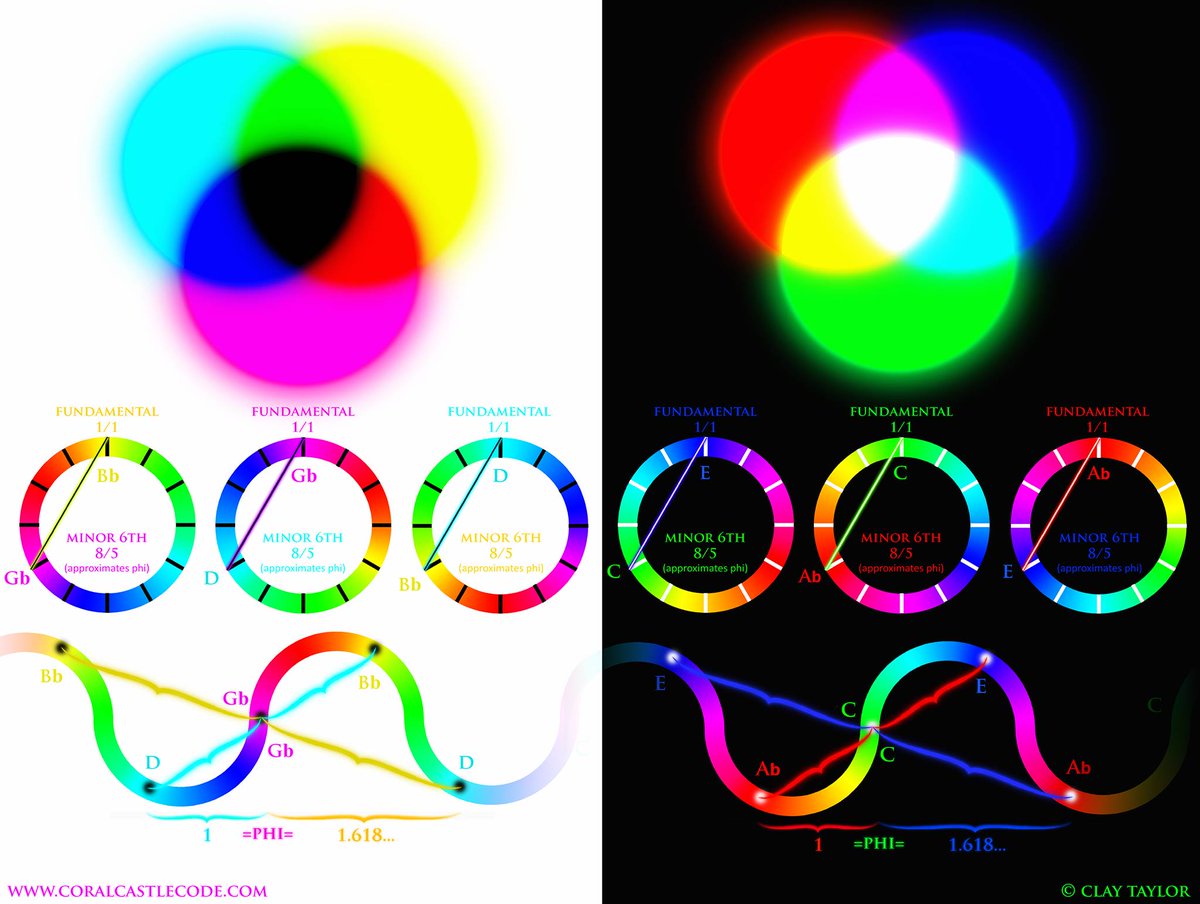
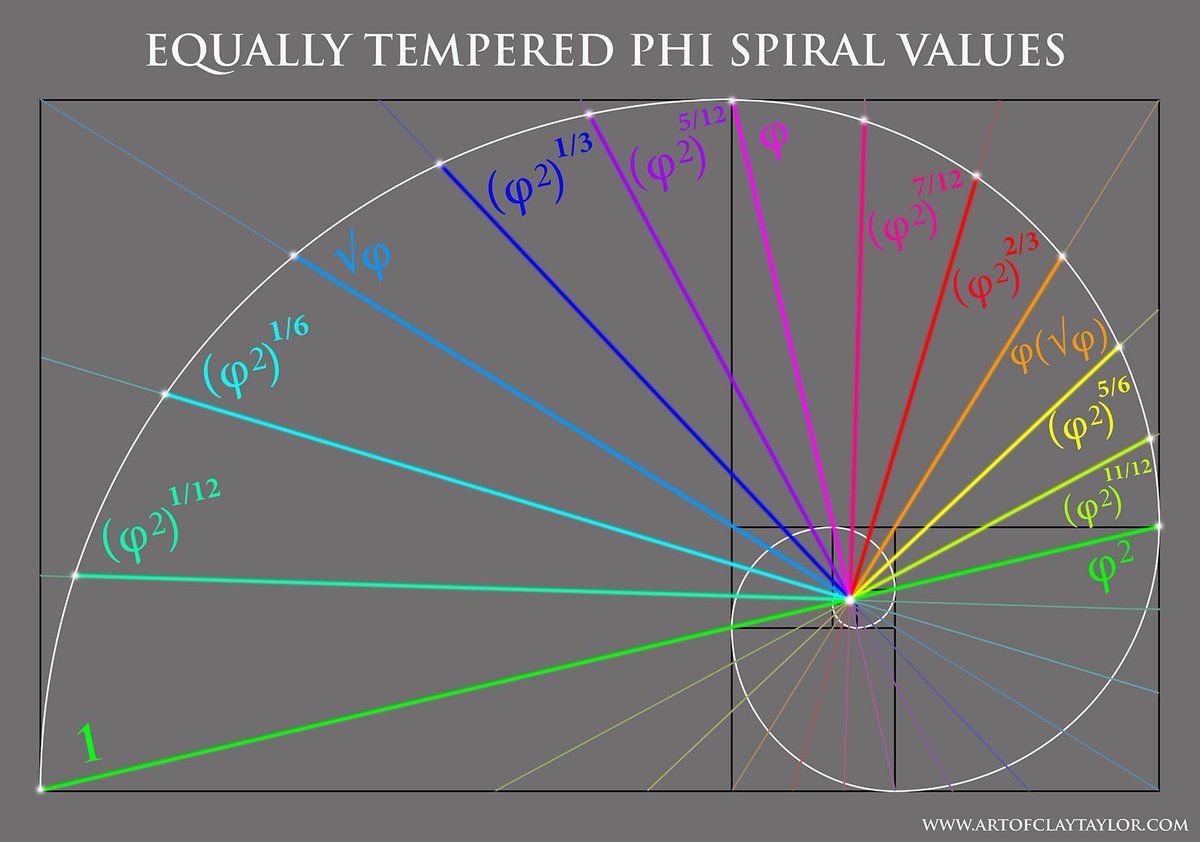
There are many other aspects of the Fibonacci Golden Ratio that are not yet acknowledged. Even with light and sound. Like from the information from Jon Depew and Clay Taylor.
Clay Taylor Color Theory:
https://artofclaytaylor.com/light-and-color-theory
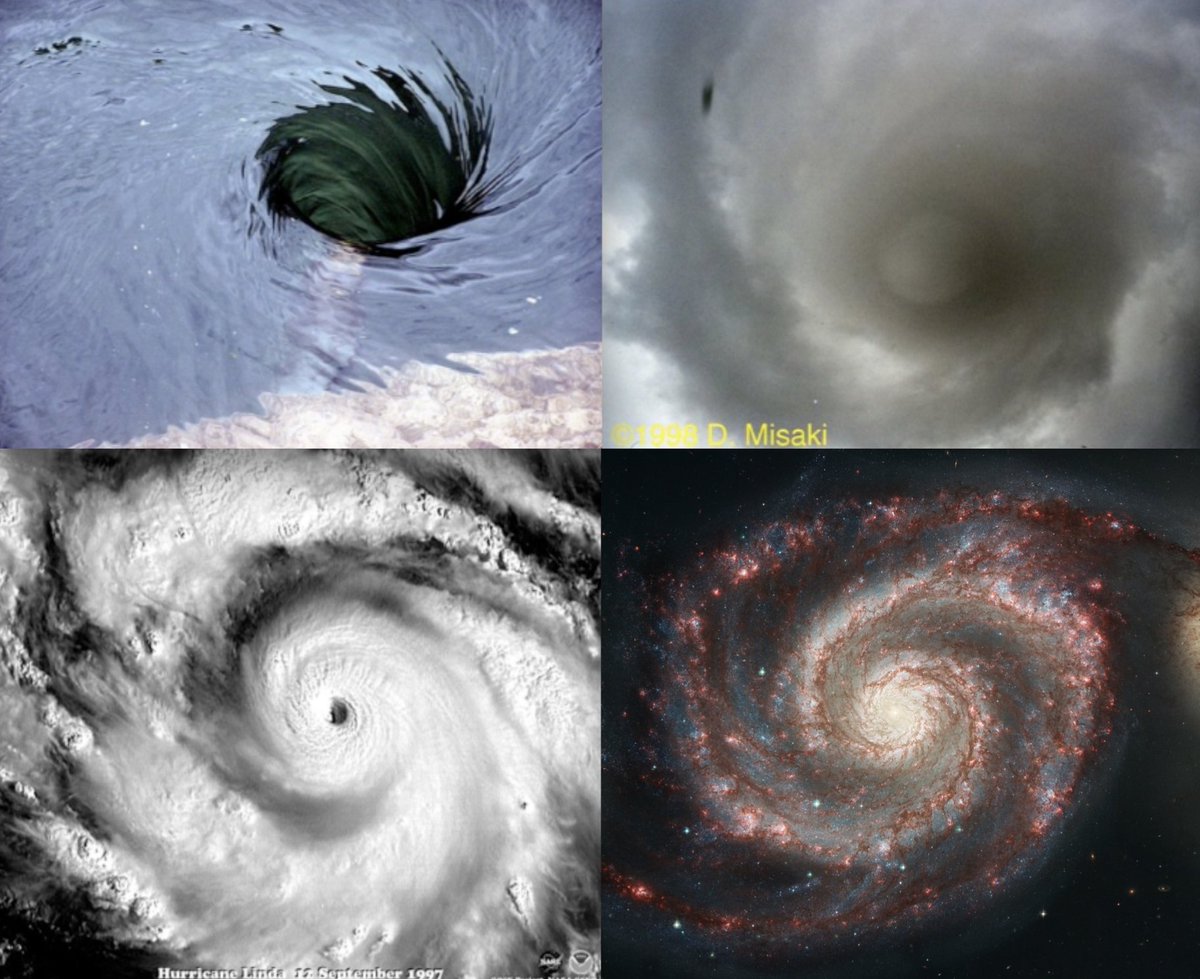
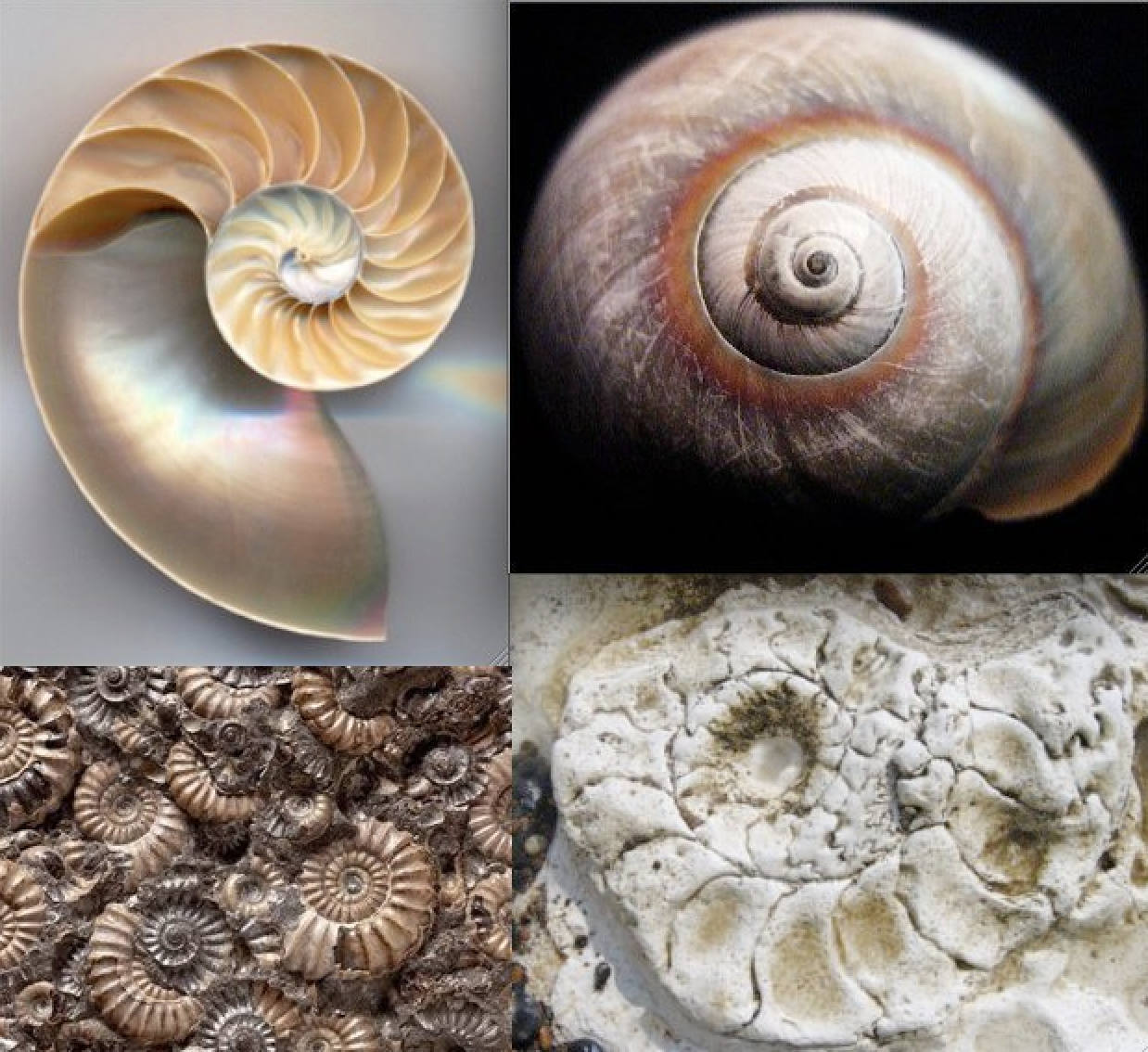
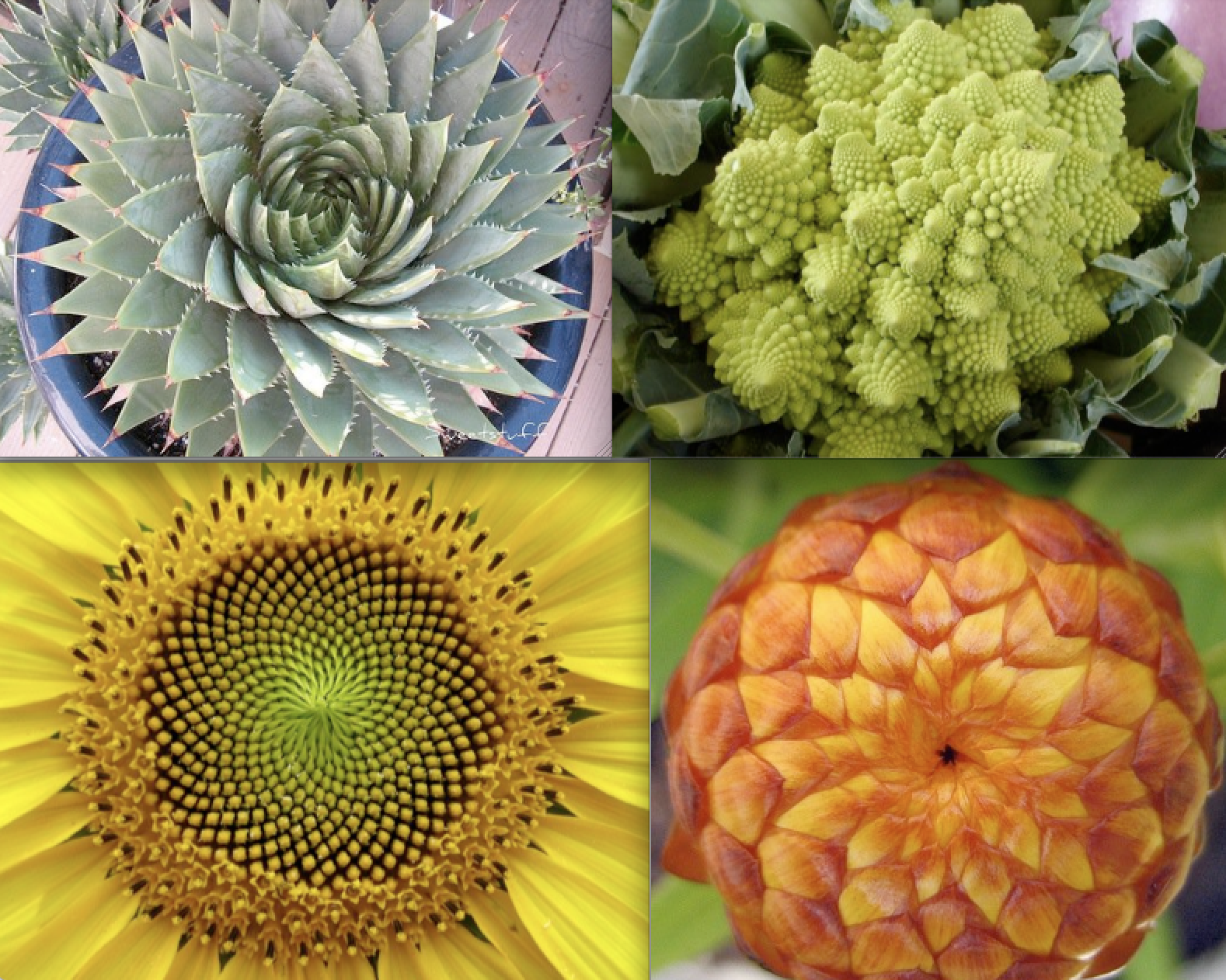
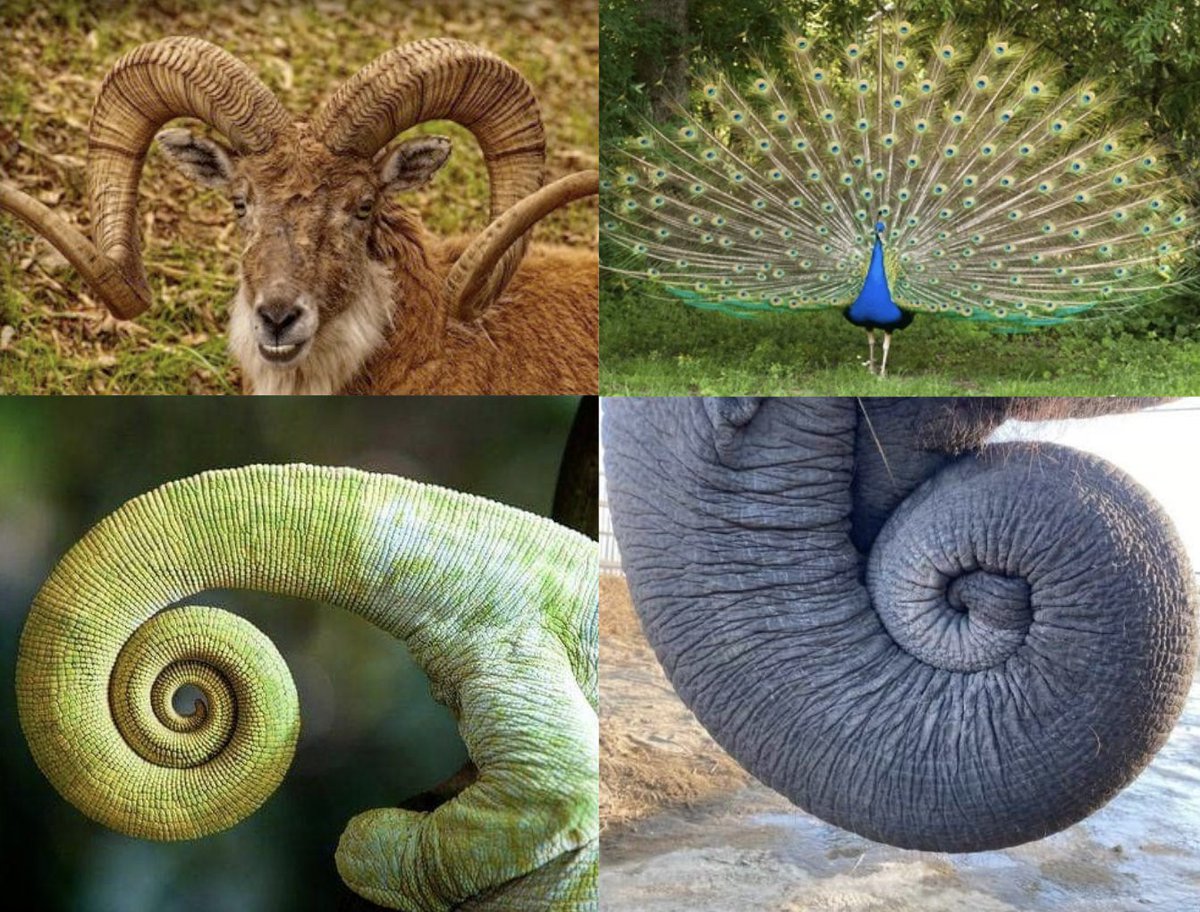
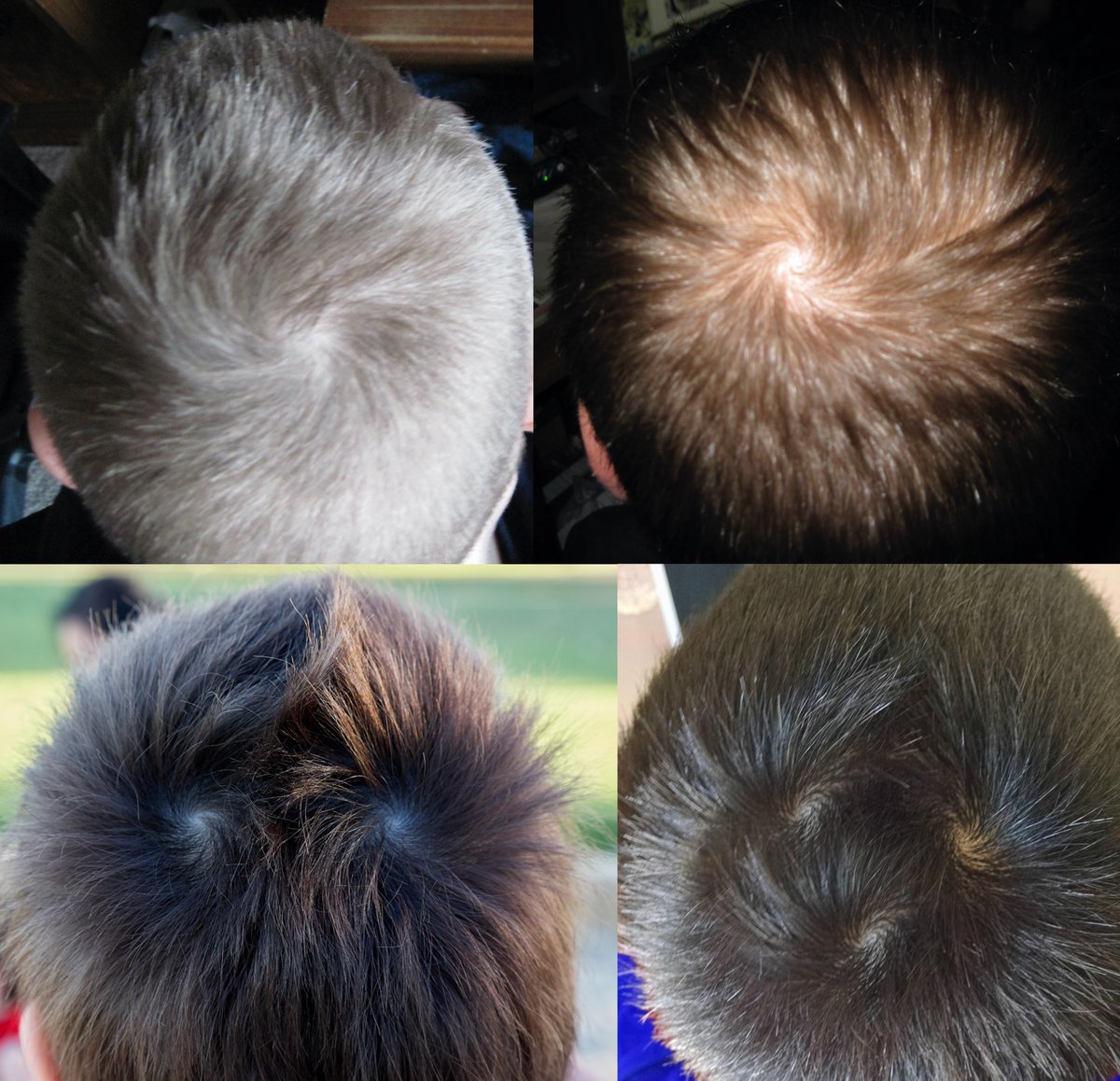
I've always been interested in vortexes, the Fibonacci sequence and the scale invariance of the golden ratio. From water down a drain, to a tornado, to a hurricane and even galaxies.
Shells and Fossils
Plants/ Flora
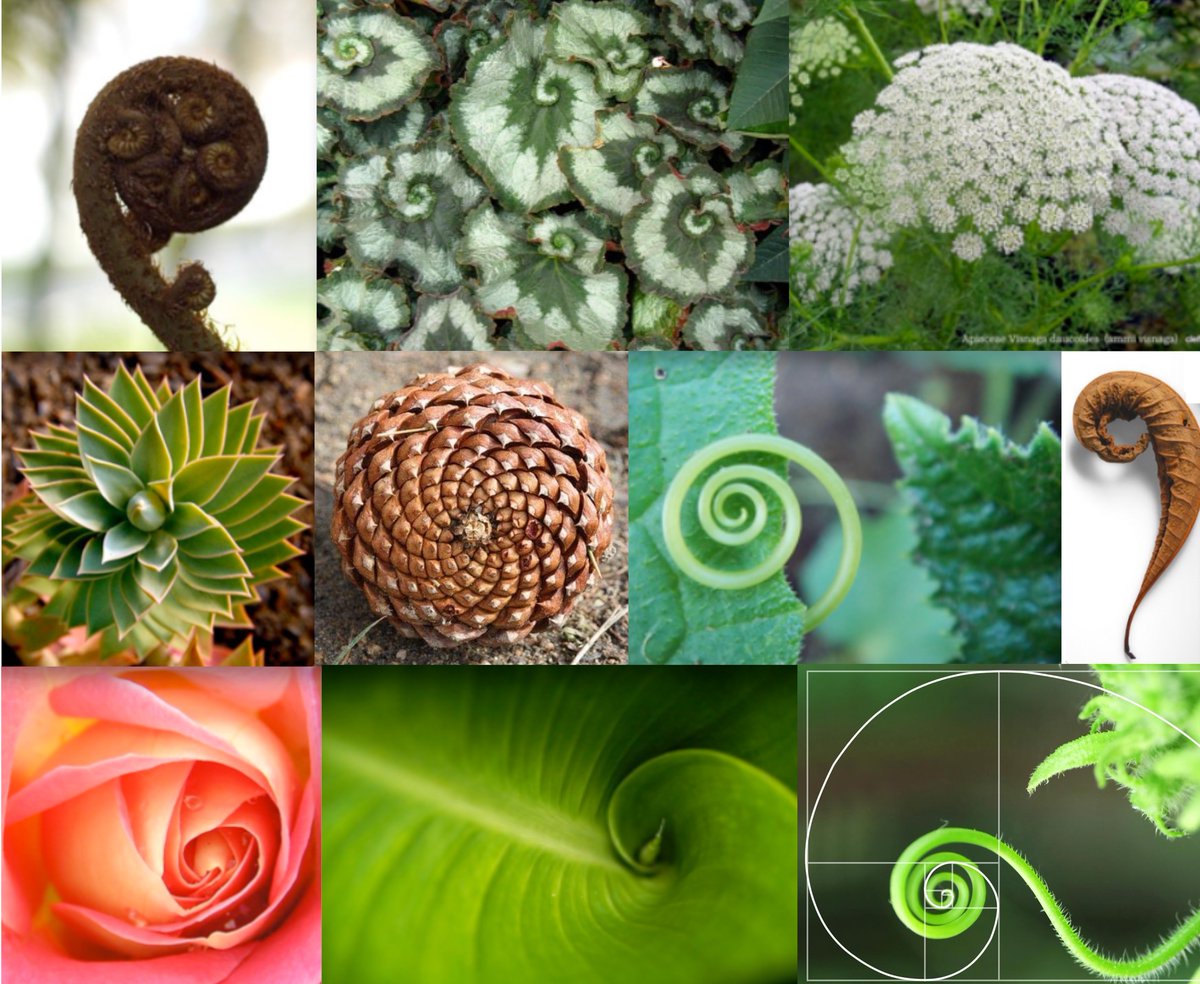
Animals/ Fauna
Even swirls on the back of the head. Some people have Clockwise swirls. Other people have Counter Clockwise swirls. And some people have multiple.
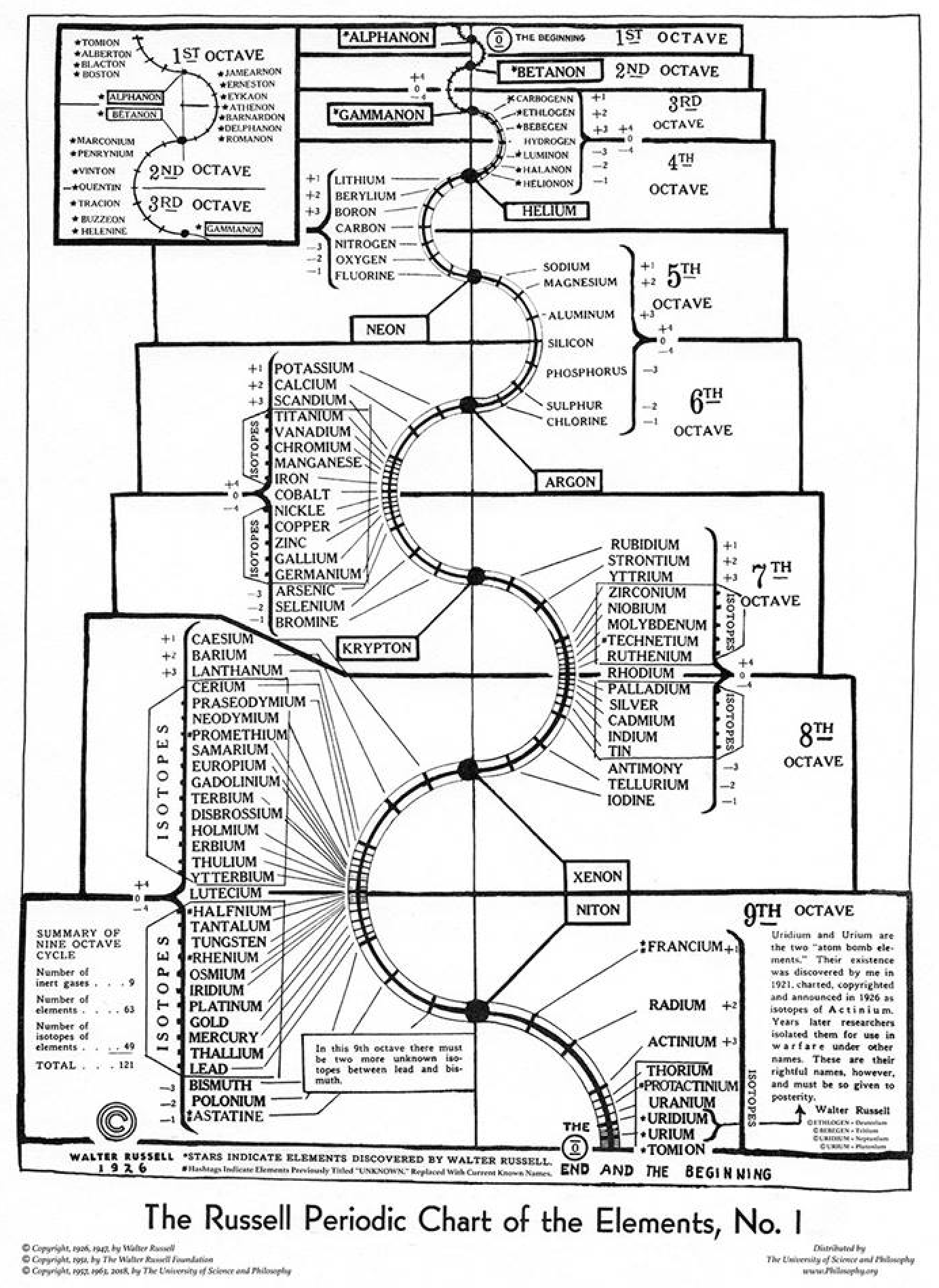
Walter Russell presented a uniquely oriented Periodic Chart of Elements in 1926 from his Book called "A New Concept of the Universe" that resembles a Fibonacci Spiral.
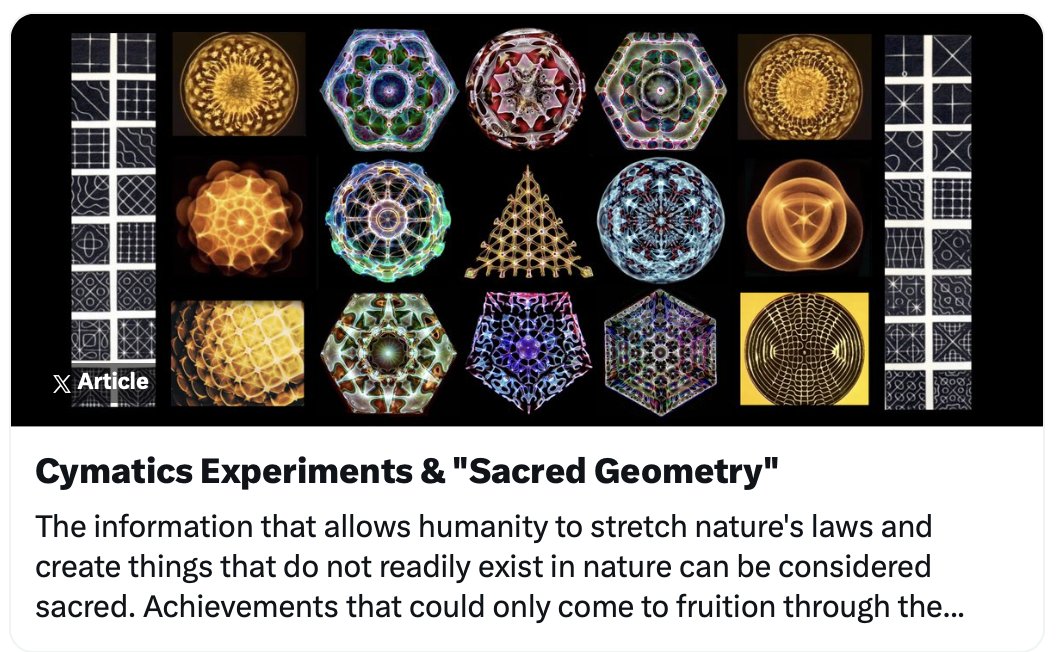
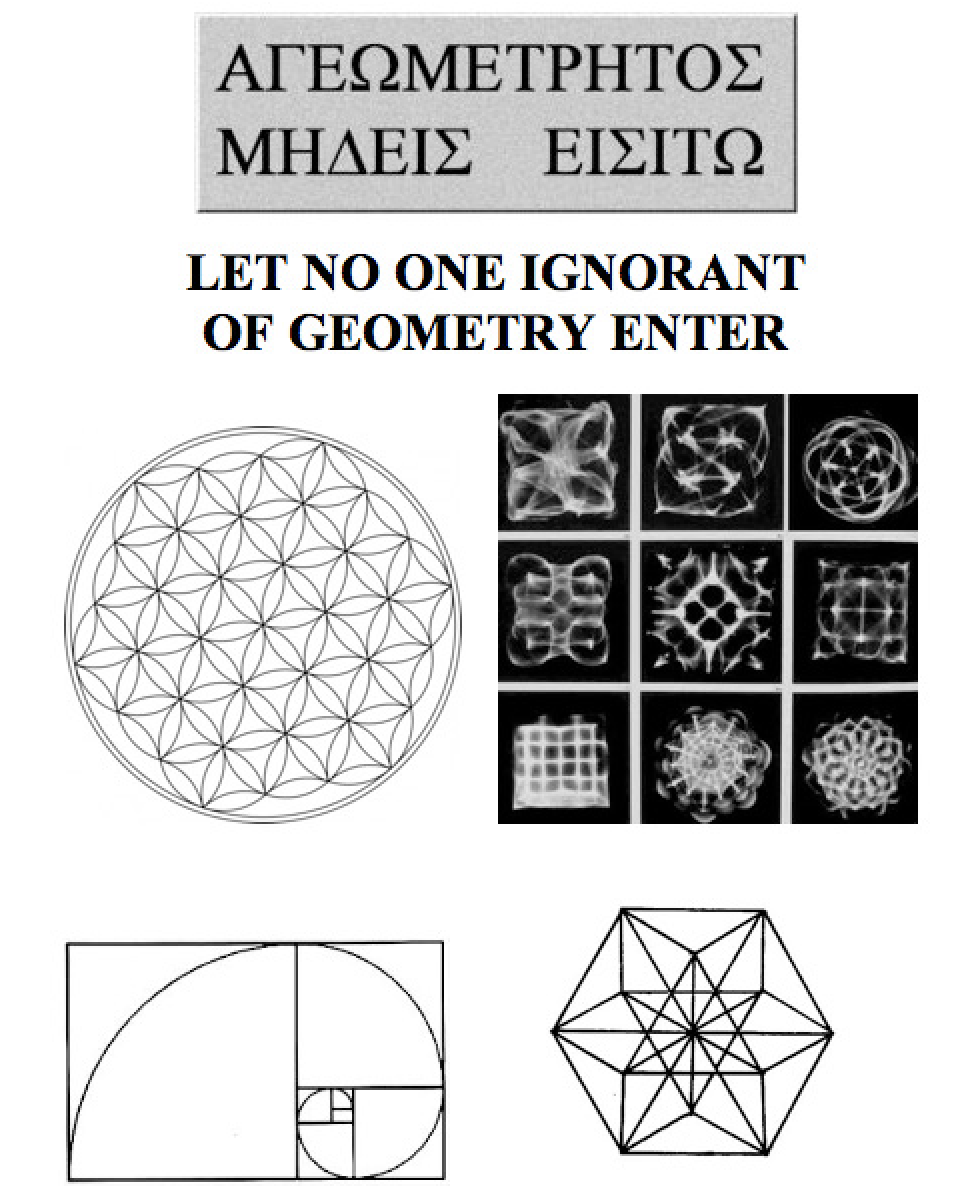
There are keys of geometry throughout all of nature.
Cymatics Experiments & "Sacred Geometry":
https://x.com/TheRealVerbz/status/2071317148828565854
But I do not think time can be altered or has anything to do with the Fibonacci sequence in objective reality.
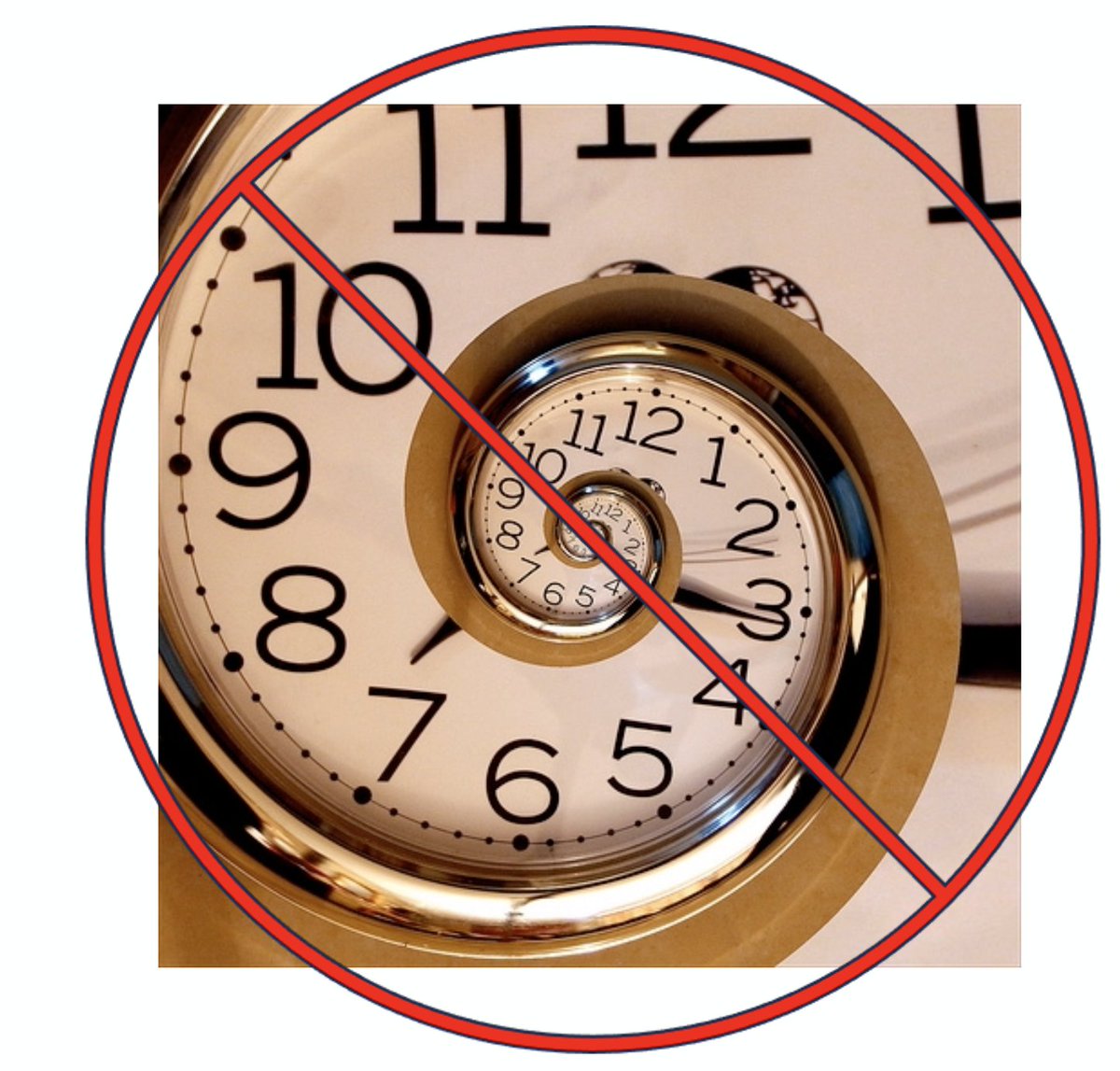
Lighter Flick From Mars Scenario:
https://x.com/therealverbz/status/2048476524819726643?s=46&t=JhcGFRVj667kIEx6GxtHvg
There is a lot more to discuss.
Thank you for your interest and support!
(This was the plaque above Plato's academy in ancient Greece)
Respectfully,
Jason Verbelli
Founder of Galilean Variance
https://galileanvariance.com
(site overhaul almost complete. Will go live soon)