Why Meat Traceability Software Is Essential for Food Safety and Supply Chain Transparency
Introduction
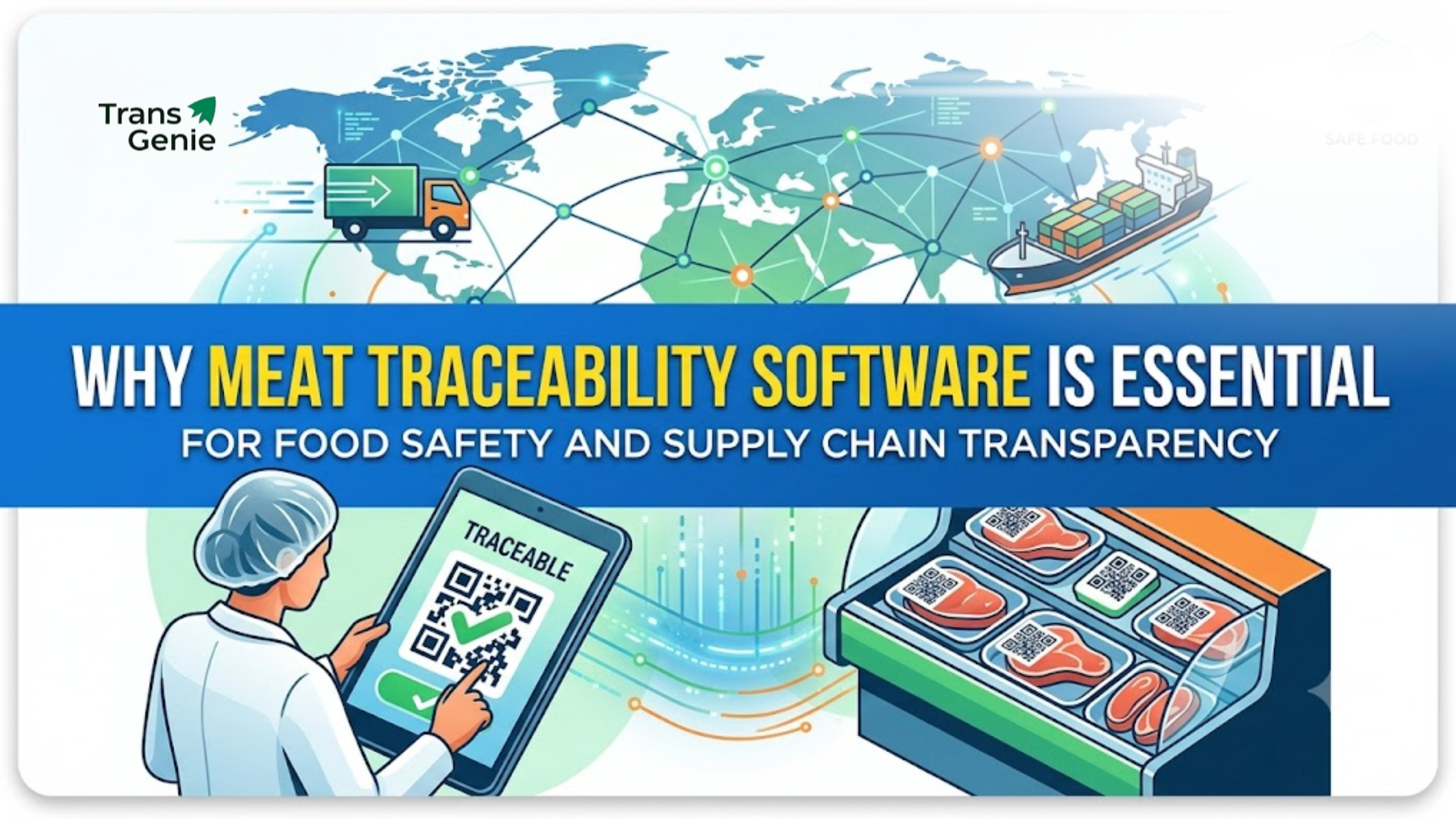
The global meat industry is becoming increasingly complex due to expanding supply chains, stricter food safety regulations, and growing consumer demand for transparency. Traditional paper-based recordkeeping is no longer sufficient to manage livestock, processing, inventory, and distribution efficiently.Meat Traceability Software provides a digital solution that enables meat producers and processors to track every stage of the supply chain from farm to fork using technologies such as RFID, QR codes, barcodes, IoT, and cloud-based platforms. By delivering real-time visibility, automated recordkeeping, and end-to-end traceability, it helps businesses strengthen food safety, simplify regulatory compliance, accelerate product recalls, improve operational efficiency, reduce food waste, and build consumer trust. This guide explores how Meat Traceability Software supports safer, more transparent, and future-ready meat supply chains.
What Is Meat Traceability Software?
Meat Traceability Software is a digital platform that tracks and manages every stage of the meat supply chain, from livestock farms and processing facilities to packaging, distribution, and retail. It creates a centralized record for every animal, batch, and finished product, providing complete farm-to-fork visibility. By integrating with technologies such as RFID, QR codes, barcodes, IoT devices, and ERP systems, the software enables real-time tracking, simplifies regulatory compliance, accelerates product recalls, improves operational efficiency, and enhances food safety. For meat producers and processors, it is a strategic solution that increases transparency, strengthens consumer trust, and supports a more resilient and efficient supply chain.
Understanding Meat Traceability
Traceability connects every stage of meat production into one continuous digital record. It begins with animal identification and continues through veterinary care, slaughter, processing, packaging, transportation, and retail distribution. This complete chain of information enables businesses to identify the origin of every product, verify production history, and quickly respond to food safety incidents.
How Meat Traceability Software Works
Modern traceability systems automatically collect and organize production data across multiple processes.
Key capabilities include:
- RFID, barcode, and QR code-based animal identification
- Digital slaughter and processing records
- Batch and lot tracking
- Automated packaging and labeling
- Inventory and warehouse management
- Distribution and cold chain monitoring
- Consumer product verification using QR codes
These features ensure accurate product tracking while reducing manual recordkeeping and human error.
Why Food Safety Depends on Meat Traceability
Preventing Foodborne Illnesses
- Identifying contamination sources quickly
- Maintaining production records
- Continuous quality monitoring
Faster Product Recalls
- Targeted recalls instead of mass recalls
- Reducing financial losses
- Protecting public health
Maintaining Product Quality
-Temperature monitoring
- Cold chain integrity
- Shelf-life management
Achieving Complete Supply Chain Transparency
Modern meat supply chains involve many stakeholders. Meat Traceability Software connects farms, processors, distributors, retailers, and regulators through one centralized platform.
This transparency improves:
- Supplier accountability
- Inventory visibility
- Production planning
- Regulatory reporting
- Customer confidence
Real-time information sharing allows every stakeholder to make faster and better-informed decisions.
Challenges Without Meat Traceability Software
Organizations relying on spreadsheets and paper records often face significant operational challenges.
Common problems include:
- Limited supply chain visibility
- Manual data entry errors
- Slow recall processes
- Regulatory compliance risks
- Product fraud and mislabeling
- Reduced consumer trust
Digital traceability eliminates these issues by providing accurate, searchable, and real-time production records.
Key Features of Modern Meat Traceability Software
Modern solutions include a wide range of features designed to simplify operations and improve compliance.
Digital Animal Identification
RFID tags, QR codes, and barcode systems provide unique digital identities for livestock and products, enabling accurate tracking throughout production.
Batch and Lot Traceability
Every production batch receives a unique identification number that links products to their origin, processing records, and distribution history.
Automated Data Capture
Data is automatically collected using scanners, RFID readers, mobile devices, and IoT sensors, reducing manual entry and improving accuracy.
Quality and Inspection Management
Businesses can digitally record inspections, laboratory results, sanitation activities, and quality control checks to support food safety programs.
Cold Chain Monitoring
Real-time monitoring ensures products remain within safe temperature ranges throughout storage and transportation.
Inventory and Warehouse Tracking
Organizations gain complete visibility into inventory movement, warehouse locations, stock levels, and expiration dates.
ERP Integration and Analytics
Integration with ERP and warehouse systems improves productivity while dashboards provide real-time insights into production, inventory, and compliance performance.
Simplifying Regulatory Compliance
Food safety regulations continue to evolve across global markets. Meat Traceability Software simplifies compliance by maintaining accurate digital records and creating automated audit trails.
The software supports compliance with:
- FSMA 204
- USDA requirements
- HACCP programs
- ISO 22000
- GFSI-recognized standards
Digital documentation makes audits faster while reducing administrative workload.
Business Benefits of Meat Traceability Software
Digital traceability delivers measurable business benefits, including:
- Improved food safety
- Faster recall management
- Better inventory accuracy
- Increased operational efficiency
- Reduced food waste
- Stronger supplier collaboration
- Greater consumer confidence
- Enhanced brand reputation
These improvements help organizations reduce costs while increasing operational resilience.
Technologies Powering Modern Meat Traceability
Advanced technologies have transformed meat traceability from a manual documentation process into a fully connected digital ecosystem. These innovations improve data accuracy, automate workflows, and provide real-time visibility across the supply chain.
RFID Technology
RFID tags enable contactless identification and tracking of livestock and products, reducing manual scanning while improving speed and accuracy.
QR Codes
QR codes provide instant access to product history, certifications, origin details, and recall information for regulators, retailers, and consumers.
Barcode Systems
Barcode technology remains a reliable and cost-effective solution for identifying products, managing inventory, and tracking production batches.
IoT Sensors
Internet of Things (IoT) sensors continuously monitor environmental conditions such as temperature, humidity, and storage conditions throughout processing and transportation.
Cloud Computing
Cloud platforms centralize traceability data, allowing authorized users to securely access information from multiple facilities and locations in real time.
Artificial Intelligence
AI analyzes production data to identify trends, predict quality issues, optimize inventory, and support faster operational decisions.
Blockchain for Secure Traceability
Blockchain technology creates tamper-resistant records, improving transparency, product authenticity, and trust among supply chain partners.
Implementing Meat Traceability Software Successfully
Successful implementation requires careful planning, stakeholder engagement, and continuous improvement.
Assess Current Operations
Evaluate existing workflows, identify traceability gaps, and determine where digital automation can deliver the greatest value.
Define Traceability Goals
Establish measurable objectives such as improving recall readiness, enhancing compliance, reducing waste, or increasing supply chain visibility.
Digitize Existing Records
Convert paper-based documentation into structured digital records to create a centralized and searchable database.
Integrate Business Systems
Connect the traceability platform with ERP, inventory, warehouse, transportation, and quality management systems to ensure seamless data flow.
Train Employees
Provide comprehensive training for farm workers, production teams, warehouse staff, quality assurance personnel, and management to maximize adoption.
Monitor Performance and Compliance
Use dashboards, reports, and analytics to measure key performance indicators, identify opportunities for improvement, and maintain regulatory compliance.
The Future of Meat Traceability
The future of meat traceability will be driven by digital innovation, automation, and data intelligence.
AI-Powered Predictive Analytics
Artificial intelligence will analyze production data to predict equipment failures, identify food safety risks, and optimize production planning.
Blockchain-Enabled Transparency
Blockchain will provide immutable digital records that improve product authenticity, supplier accountability, and consumer trust.
Smart Packaging and QR Code Verification
Interactive packaging will allow consumers to instantly verify product origin, certifications, sustainability initiatives, and nutritional information.
IoT-Based Real-Time Monitoring
Connected sensors will continuously monitor livestock health, processing environments, cold chain performance, and transportation conditions.
Digital Product Passports
Digital Product Passports will consolidate product history, compliance records, sustainability data, and certifications into a single digital identity.
Sustainability and ESG Reporting
Traceability platforms will play an increasingly important role in measuring environmental impact, animal welfare, carbon emissions, and sustainability performance to support Environmental, Social, and Governance (ESG) initiatives.
Why Businesses Should Invest in Meat Traceability Software Now
The meat industry is becoming increasingly data-driven, and businesses that invest in digital traceability today will be better positioned to meet future challenges and market demands.
Key reasons to invest now include:
- Growing food safety regulations
- Increasing consumer demand for transparency
- Rising costs associated with recalls
- Stronger retailer and supplier expectations
- Improved operational efficiency
- Better inventory and warehouse management
- Reduced food waste
- Enhanced product quality
- Faster regulatory compliance
- Improved risk management
- Greater competitive differentiation
- Increased customer trust and brand loyalty
Organizations that embrace digital traceability gain the visibility, agility, and resilience needed to thrive in an increasingly competitive global marketplace.
Conclusion
Meat Traceability Software has become an essential solution for modern meat producers and processors seeking to improve food safety, regulatory compliance, and supply chain transparency. By digitizing every stage of production, businesses can quickly trace products, respond to recalls, reduce waste, improve inventory management, and strengthen consumer confidence. As technologies such as AI, IoT, blockchain, and cloud computing continue to evolve, investing in a modern traceability system will help organizations build safer, more efficient, and future ready meat supply chains while meeting the growing expectations of regulators, retailers, and consumers.