Is Meditation Teacher Training Worth It for Personal and Professional Growth?
Meditation has moved far beyond retreat centers and monasteries. Today, it is practiced in homes, schools, hospitals, corporate offices, and wellness clinics around the world. As scientific research continues to explore its effects on stress, emotional regulation, and attention, interest in meditation teacher training has grown rapidly.
But does becoming a certified meditation teacher actually offer value beyond learning a few techniques? Is meditation teacher training worth the investment if your goal is personal growth rather than teaching professionally?
The answer depends on what you expect from the experience. A well-designed meditation teacher training does far more than teach guided meditations. It helps develop self-awareness, communication skills, emotional resilience, and a deeper understanding of how mindfulness supports long-term well-being.
Meditation Teacher Training Is About More Than Teaching
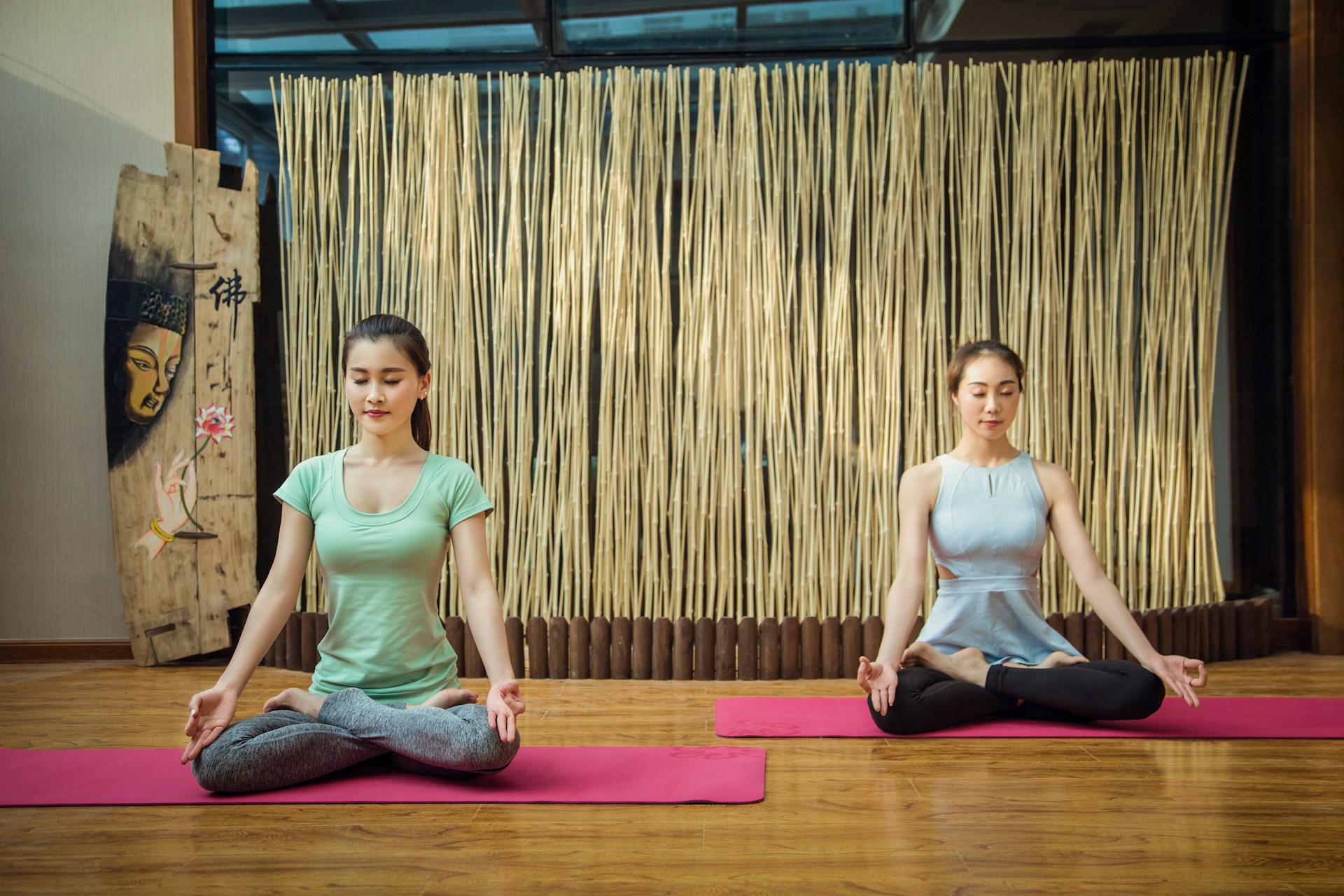
Many people assume meditation teacher training is designed only for those planning to teach classes.
In reality, a large percentage of participants enroll primarily to deepen their own practice.
A comprehensive program usually combines meditation techniques, breath awareness, mindfulness principles, neuroscience, philosophy, and practical teaching methods. This broader education helps students understand not only how meditation works, but why it influences the mind and body.
Rather than collecting techniques, students learn how to build a sustainable lifelong practice.
The Science Behind Meditation
Over the past two decades, meditation has become one of the most researched mind-body practices.
Research summarized by National Center for Complementary and Integrative Health (NCCIH) suggests that meditation may help support stress management, emotional well-being, and overall quality of life when practiced consistently.
Similarly, Harvard Medical School has published educational resources discussing how mindfulness practices may positively influence attention, emotional regulation, and resilience.
Although meditation is not a cure for medical conditions, growing evidence supports its role as part of a healthy lifestyle.
Personal Growth Often Comes First
Many graduates say the greatest transformation happens long before they teach their first class.
Regular meditation encourages greater awareness of thought patterns, emotional reactions, and habitual behaviors.
Over time, students frequently notice improvements in:
- Emotional balance
- Self-awareness
- Patience
- Decision-making
- Focus and concentration
These qualities influence relationships, work performance, and overall life satisfaction.
For many people, this personal development becomes the most valuable outcome of the training.
Professional Benefits Extend Beyond Yoga
Meditation teacher training is valuable even if you never become a full-time meditation instructor.
Professionals working in coaching, education, healthcare, fitness, counseling, corporate wellness, or holistic therapies often integrate mindfulness into their existing work.
Learning how to guide meditation safely and confidently can strengthen communication, listening skills, and client support.
As workplace wellness continues to grow globally, these skills are becoming increasingly relevant across multiple industries.
Developing Confidence as a Teacher
Teaching meditation requires more than reading a script.
Students learn how to create a calm learning environment, communicate clearly, manage group dynamics, and adapt practices for different experience levels.
These teaching skills naturally improve confidence in many other professional settings.
Whether presenting in meetings, leading workshops, or facilitating discussions, graduates often discover they communicate with greater clarity and presence.
Choosing the Right Meditation Teacher Training
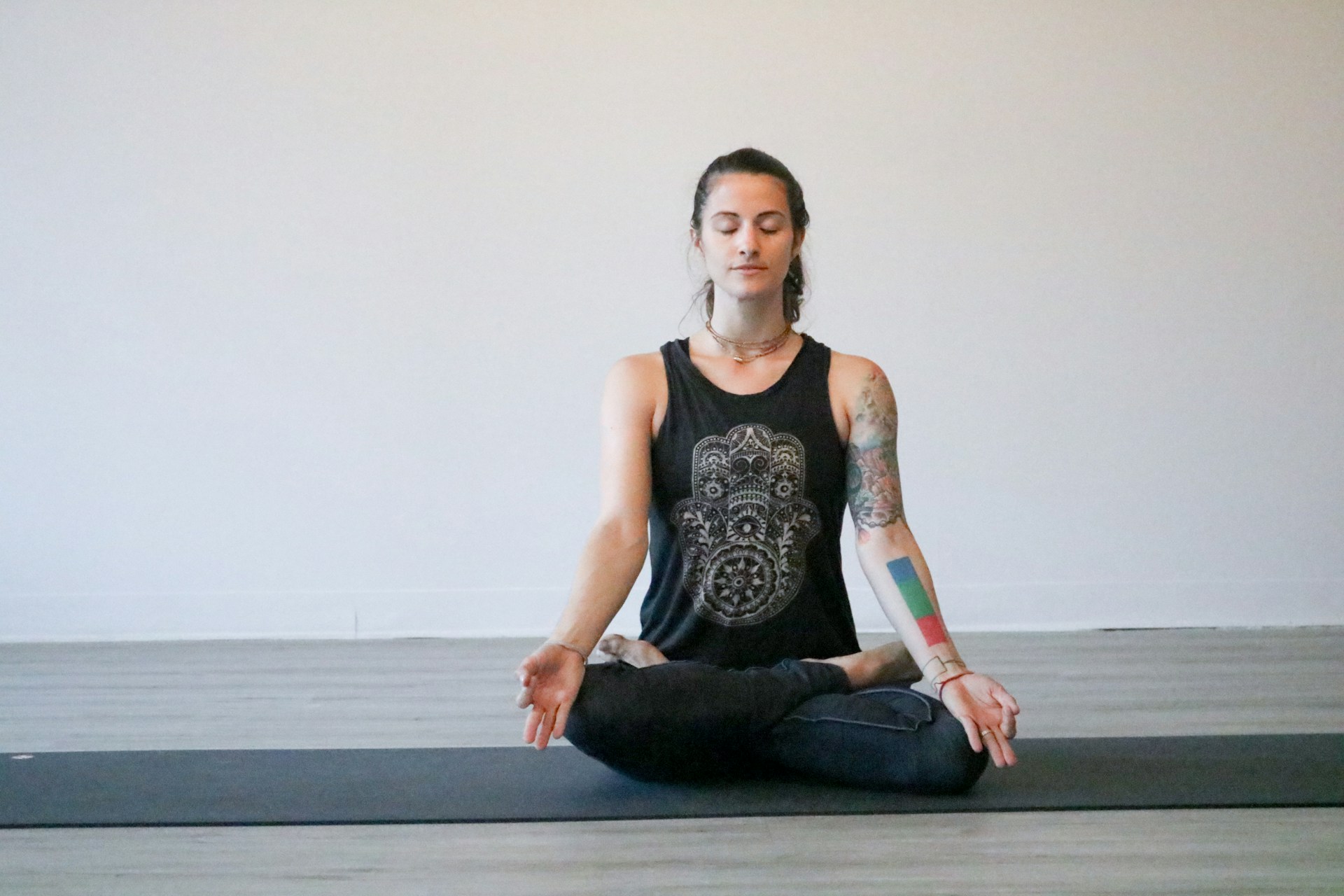
Not every meditation course offers the same depth of education.
The best meditation teacher training programs include meditation practice, mindfulness theory, breathwork, teaching methodology, ethics, anatomy of breathing, and supervised teaching experience. Programs that combine traditional wisdom with modern scientific understanding often provide the strongest educational foundation.
When evaluating a course, consider the instructors' experience, curriculum quality, student support, and opportunities for practical teaching rather than focusing only on certification.
Why Accredited Training Matters
If your goal includes teaching professionally, choosing a structured meditation training from an established school is an important step. Programs that follow internationally recognized educational standards and provide comprehensive instruction in meditation techniques, mindfulness, breath awareness, philosophy, and teaching methodology offer greater confidence for both graduates and future students. A well-designed course should prepare you not only to guide meditation sessions but also to understand the principles that support safe and effective teaching.
Meditation Builds Skills That Last a Lifetime
Unlike many short-term educational programs, meditation training develops abilities that continue to grow through regular practice.
These include:
- Greater emotional resilience
- Improved concentration
- Better stress management
- More compassionate communication
- Increased self-awareness
Because these skills apply across every area of life, many graduates describe meditation teacher training as an investment that continues delivering value years after completion.
Research Continues to Support Mindfulness Practice
Interest in mindfulness is no longer limited to wellness communities.
Organizations including American Psychological Association regularly publish educational resources discussing mindfulness and stress management.
Likewise, World Health Organization (WHO) continues to emphasize the importance of mental well-being and healthy lifestyle habits that support overall health.
While meditation is only one element of well-being, it complements physical activity, adequate sleep, and healthy daily routines.
Final Thoughts
Meditation teacher training is valuable for far more than professional certification. It offers an opportunity to understand the mind more deeply, develop healthier responses to stress, strengthen communication, and cultivate greater self-awareness.
Whether your goal is to teach meditation professionally or simply create lasting positive change in your own life, choosing a high-quality training program can become the foundation for years of personal and professional growth. The certificate may mark the end of the course, but the real learning continues every time you sit down to practice.
Frequently Asked Questions
1. Is meditation teacher training only for future teachers?
No. Many students enroll to deepen their personal meditation practice and improve mindfulness in daily life.
2. How long does meditation teacher training usually take?
Programs vary from several weeks to several months depending on the curriculum and learning format.
3. Do I need previous meditation experience?
Most beginner-friendly programs welcome students with little or no teaching experience, although regular personal practice is helpful.
4. Can meditation teacher training improve my career?
Yes. Professionals in coaching, healthcare, education, yoga, and corporate wellness often use meditation skills in their work.
5. How do I choose the best meditation training?
Look for experienced instructors, comprehensive curriculum, practical teaching opportunities, ongoing support, and internationally respected educational standards.