Lightweight II vs Classic III: The Right Littmann Stethoscope
Lightweight II vs Classic III: The Right Littmann Stethoscope
Clear auscultation shapes clinical confidence long before advanced diagnostics enter the picture. The choice of stethoscope often determines how accurately those first heartbeats and breath sounds are interpreted.
The Littmann lightweight II S.E. stethoscope available through MedTechKits frequently becomes the starting point for students and entry-level professionals building their assessment skills.
As responsibilities expand, the Littmann classic III stethoscope steps in with broader acoustic capability and adaptability.
Each model reflects a different stage of clinical growth, from mastering basic vital signs to evaluating complex cardiac and respiratory findings that may ultimately be assessed alongside a resus monitor.
Understanding how their design and performance differ helps clinicians select the instrument that supports both present demands and future goals.
Where Clinical Listening Skills First Take Shape
In the early stages of medical training, aspiring healthcare professionals encounter the foundational tool that connects knowledge with practical patient interaction.
The stethoscope becomes an extension of their senses, allowing them to detect subtle heart rhythms and lung sounds that textbooks alone cannot convey.
As students progress, they learn to distinguish between normal and abnormal sounds through repeated use in simulated and practical scenarios.
This hands-on experience builds confidence and precision, essential for accurate assessments in EMS environments.
Lightweight Design and Tunable Simplicity
The appeal of the littmann lightweight stethoscope lies in its ability to reduce strain during extended periods of use, making it a favored option for those in training or entry-level roles.
Its single-sided chestpiece simplifies operation, allowing users to focus on listening without the complexity of switching modes.
Tunable technology further enhances this simplicity by enabling seamless transitions between frequency ranges with just a change in pressure.
The chestpiece's teardrop shape facilitates easy placement, even in confined spaces like around blood pressure cuffs.
MedTechKits: Equipping Tomorrow's EMS Professionals
MedTechKits was created by first responders to provide EMS students with custom clinical medkit options that make essential training tools affordable and ready for immediate use.
Their goal is to ease the stress of gathering gear so aspiring EMTs can focus entirely on developing the practical skills required to excel in clinical rotations and on-scene emergencies.
Through personalized kits and ongoing support for EMS programs across the country, MedTechKits helps build a stronger, better-prepared workforce dedicated to saving lives.
The Littmann Lightweight II S.E. Stethoscope
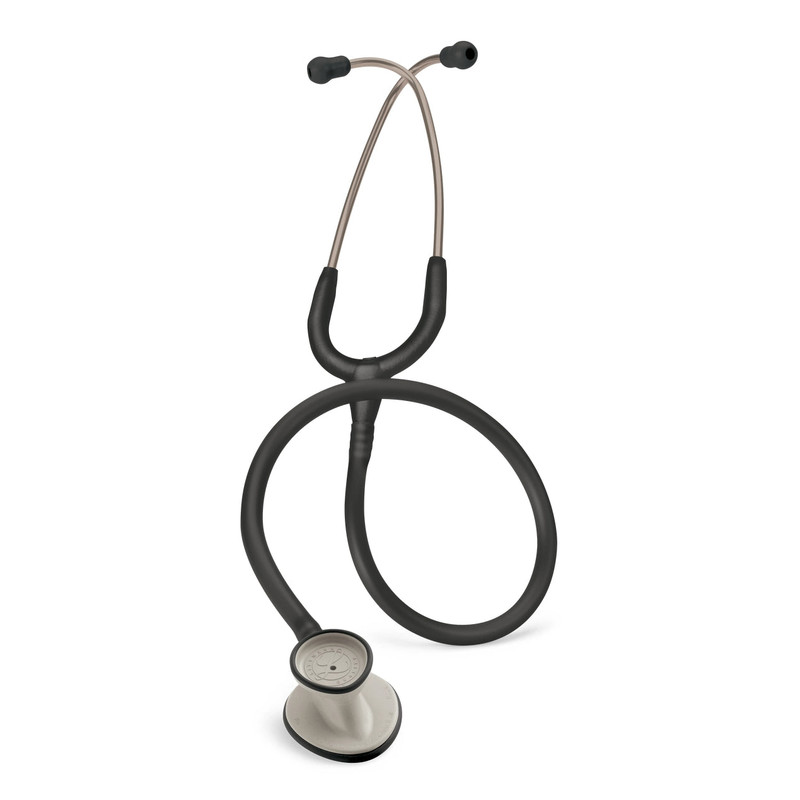
The littmann lightweight ii se stethoscope from MedTechKits excels in supporting daily tasks such as blood pressure monitoring and basic physical exams for adult patients.
Its construction ensures reliable acoustic performance without overwhelming the user with advanced options. Professionals in nursing or emergency services find it particularly suited for quick and on-the-go checks.
The stethoscope's non-chill components add to patient comfort, encouraging smoother interactions during assessments. Its resilient tubing withstands daily wear, maintaining flexibility over time.
Acoustic Performance, Comfort Fit, and Practical Durability
Clear sound transmission of Littmann lightweight II allows users to confidently identify key physiological indicators in everyday settings.
The adjustable headset and soft-sealing eartips provide a secure, comfortable fit tailored to individual preferences.
This combination of acoustics and ergonomics supports prolonged wear without discomfort, enhancing focus during assessments. Practical elements like the snap-tight eartips contribute to a hassle-free experience.
The Littmann Classic III Stethoscope
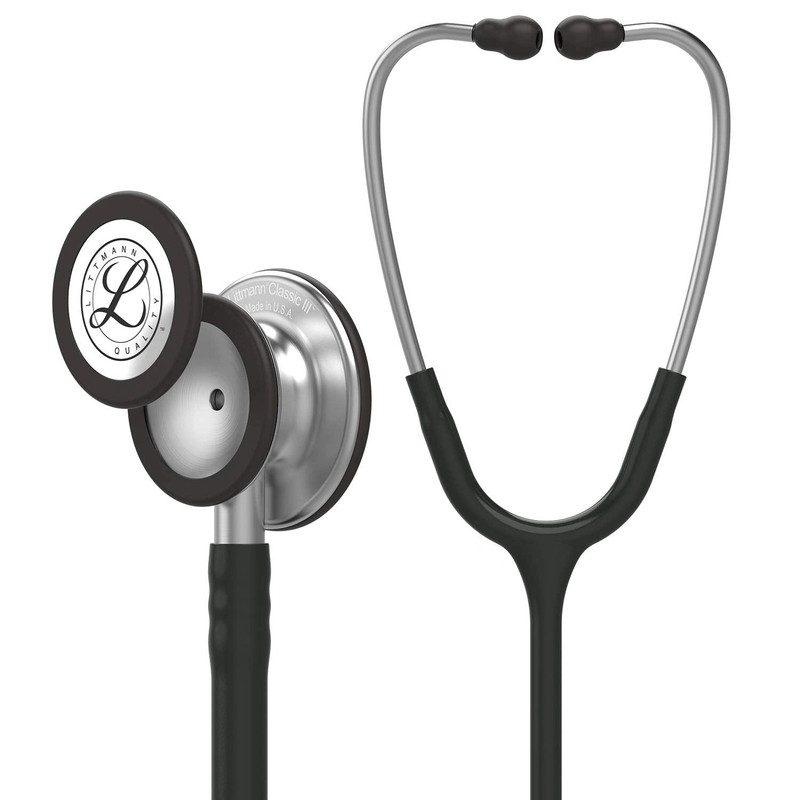
Designed for clinicians facing diverse auscultation challenges, the littmann classic iii stethoscope available through MedTechKits delivers superior sensitivity to capture subtle anomalies.
Its robust build suits intensive use in hospitals or clinics, where accuracy is critical. Professionals appreciate its role in detecting a wide array of sounds, from cardiac murmurs to respiratory issues.
The model's precision-machined components ensure consistent performance across examinations. It facilitates thorough evaluations, aiding in informed decision-making.
Dual Tunable Diaphragms and Adult-to-Pediatric Adaptability
The dual tunable diaphragms allow for effortless detection of high and low-frequency sounds on both sides of the chestpiece.
Adaptability is further enhanced by the convertible pediatric side, which can transform into an open bell for specialized listening.
The non-chill sleeve adds to its patient-friendly design, minimizing discomfort during exams. These elements highlight the stethoscope's flexibility, setting the foundation for discussions on its overall resilience and sensitivity.
Enhanced Sensitivity, Stronger Tubing, and Long-Term Reliability
Heightened acoustic sensitivity of the littmann classic iii captures nuanced body sounds, aiding in precise diagnoses across age groups.
The reinforced tubing resists staining and degradation from oils or alcohol, extending its service life.
Reliability is assured through materials that maintain integrity under frequent use. The tubing's improved durability ensures it retains shape, even in rigorous conditions.
Lightweight II S.E. vs Classic III in Clinical Training
The lightweight II S.E.'s portability shines during high-mobility situations, while the classic III offers broader adaptability for varied emergencies.
Training programs often introduce the simpler Lightweight model to build basics, transitioning to the classic III for deeper skill development.
Many students also rely on an ems field guide bls version alongside their stethoscope practice to reinforce assessment steps and protocols in real time.
EMS personnel favor the lightweight for its minimal weight in EMS scenarios, contrasting the classic III's robustness for sustained field assessments.
This juxtaposition illustrates how each aligns with evolving demands in urgent and instructional environments.
Choosing Between Simplicity and Versatility
Healthcare providers must weigh the benefits of uncomplicated tools against those offering multifaceted functions for their routine workflows.
Simplicity, as in the lightweight II S.E., suits focused and repetitive tasks, while versatility in the classic III accommodates unpredictable clinical variety.
The decision hinges on the professional stage and setting, ensuring optimal patient outcomes.
Daily practice reveals that entry-level simplicity fosters efficiency in standard procedures, yet versatility enhances preparedness for complex cases.
Balancing these aspects involves considering long-term needs versus immediate usability.
Frequently Asked Questions
Q1. Is the Littmann lightweight II S.E. suitable for noisy environments during EMS calls?
Yes, its tunable diaphragm helps isolate key sounds like heartbeats amidst background noise, making it reliable for quick assessments in chaotic settings.
Q2. Can the Littmann classic III handle auscultation on pediatric patients?
Absolutely, its convertible pediatric side adapts quickly to smaller chests, allowing detection of subtle respiratory issues in children. EMTs find the dual tunable diaphragms useful for switching between adult and pediatric modes without changing tools.
Q3. Is the Littmann lightweight II dural enough for practical EMT calls?
Its flexible tubing and snap-tight parts resist wear from constant packing and unpacking, outperforming bulkier options in portability.
Q4. What makes the classic III resilient for daily EMS use?
The reinforced tubing resists kinks and damage from frequent bending or exposure to sanitizers, holding up well in rugged conditions. This durability reduces the need for frequent replacements, supporting long-term reliability on the job.
Supporting Gear Built for EMTs
1. Focused Light, Confident Moves: MedTech Lighting Tools for EMTs
2. A Guide to EMT Training Kits: From Basic Skills to Vital Signs