Film Review: Alice in Wonderland (2010)
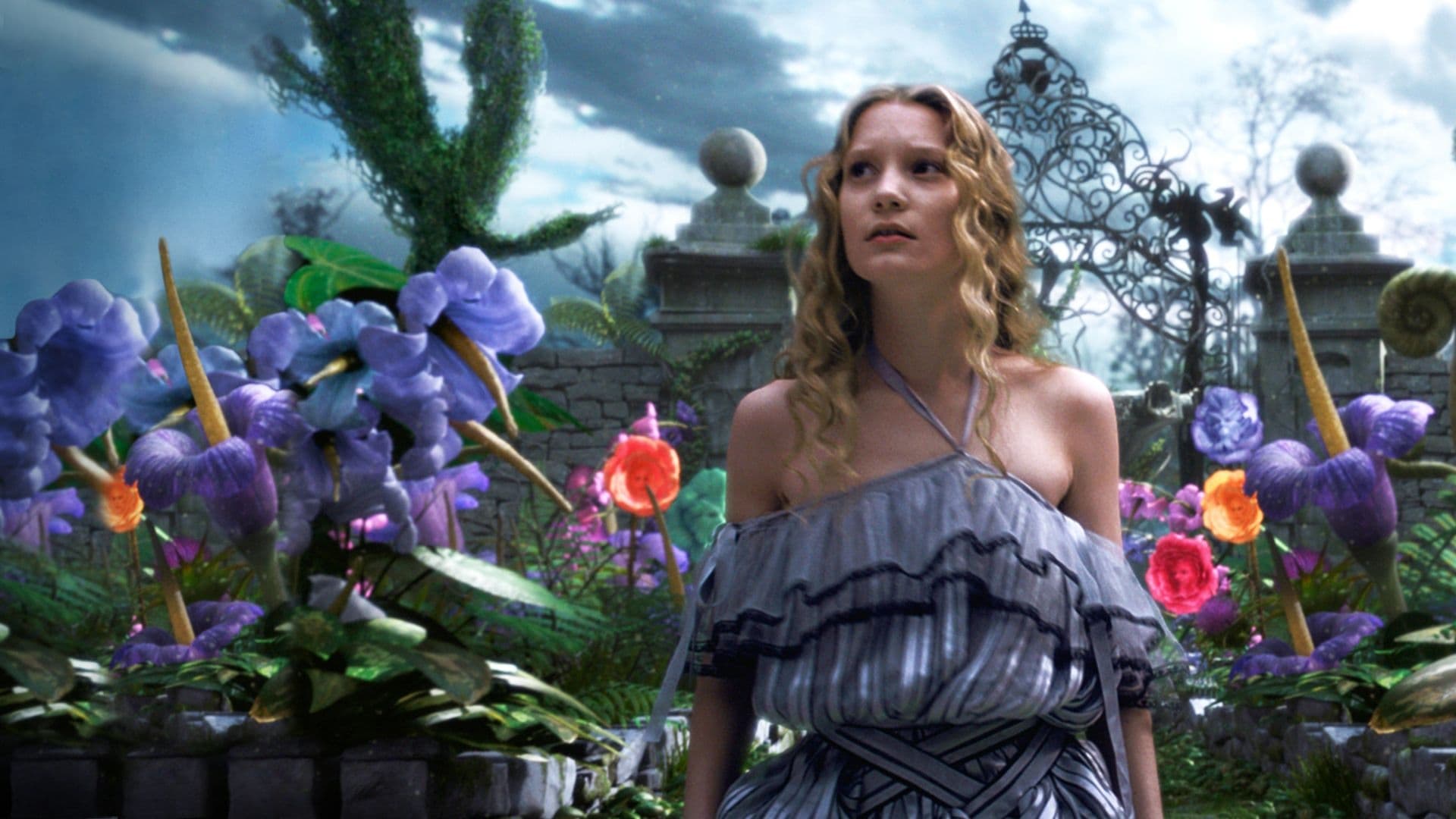
Tim Burton's Alice in Wonderland arrived in 2010 as a visually arresting spectacle, replete with grotesque characters and computer-generated imagery of a calibre that would have seemed unimaginable merely years prior. Disney's $200 million investment—partly motivated by a desire to demonstrate that 20th Century Fox does not hold a monopoly on magical three-dimensional worlds—finds a fitting steward in Tim Burton, whose imagination and artistic sensibility align naturally with such fantastical material. The decision to appoint him director appears thoroughly justified; the film is undeniably easy on the eyes.
The production design and digital craftsmanship represent the picture's strongest assets. Helena Bonham Carter's gargantuan-headed Red Queen stands as a testament to what modern CGI can achieve, and her evident delight in inhabiting the role provides some of the film's more memorable moments. Yet even this triumph underscores a fundamental truth of Hollywood production: no amount of visual wizardry can compensate for deficiencies in the screenplay.
Linda Woolverton's script illustrates the precarious position of the screenwriter in contemporary cinema—arguably occupying the lowest rung of the Hollywood food chain. Studio executives operate under the misapprehension that the written word matters least in determining a film's commercial fate. Woolverton's adaptation of Lewis Carroll's beloved texts demonstrates how even source material of genius can be diminished by misguided reinterpretation. The decision to transform Carroll's heroine into an anachronistic turbo-feminist Joan of Arc—complete with heavy-handed commentary on women's rights in Victorian England—reeks of the sort of "socially engaged" posturing common to Hollywood's salon leftists. Such subject matter might have sustained a worthwhile picture in its own right, yet Burton evinces little genuine understanding of these themes, and Disney demonstrably lacked the appetite for the additional expenditure such a treatment would have demanded.
Johnny Depp's Mad Hatter, whilst undoubtedly a draw for audiences, proves somewhat less impressive than one might expect. His delivery of Carroll's gleeful nonsense creates an additional burden for translators to this day, and the performance never quite transcends the eccentricity one has come to expect from this particular actor-director pairing. More problematic still is Mia Wasikowska in the title role; she appears hamstrung by a thankless part that demands she serve as vehicle for the screenwriter's ideological preoccupations rather than as a fully realised character.
The film's most grievous failing, however, lies in its conclusion. The ending suggests that the "proper" adventure is merely commencing—a narrative choice that renders the preceding hundred minutes conceptually misguided and leaves the viewer with the distinct impression of having watched a disappointingly unfinished work. What ought to stand as a complete story instead functions as extended preamble.
Alice in Wonderland is by no means without merit. It is, at intervals, impressive and entertaining. Yet for all its technical accomplishment and occasional charm, it remains a compromised endeavour—one in which visual splendour cannot entirely mask the hollowness at its centre. Burton has constructed a magnificent playground, but one cannot escape the sense that he has forgotten what game he meant to play.
Rating: 6/10
Blog in Croatian https://draxblog.com
Blog in English https://draxreview.wordpress.com/
InLeo blog https://inleo.io/@drax.leo
Substack https://draxster.substack.com/
BTC donations: 1EWxiMiP6iiG9rger3NuUSd6HByaxQWafG
ETH donations: 0xB305F144323b99e6f8b1d66f5D7DE78B498C32A7
BCH donations: qpvxw0jax79lhmvlgcldkzpqanf03r9cjv8y6gtmk9