Film Review: Daybreakers (2009)
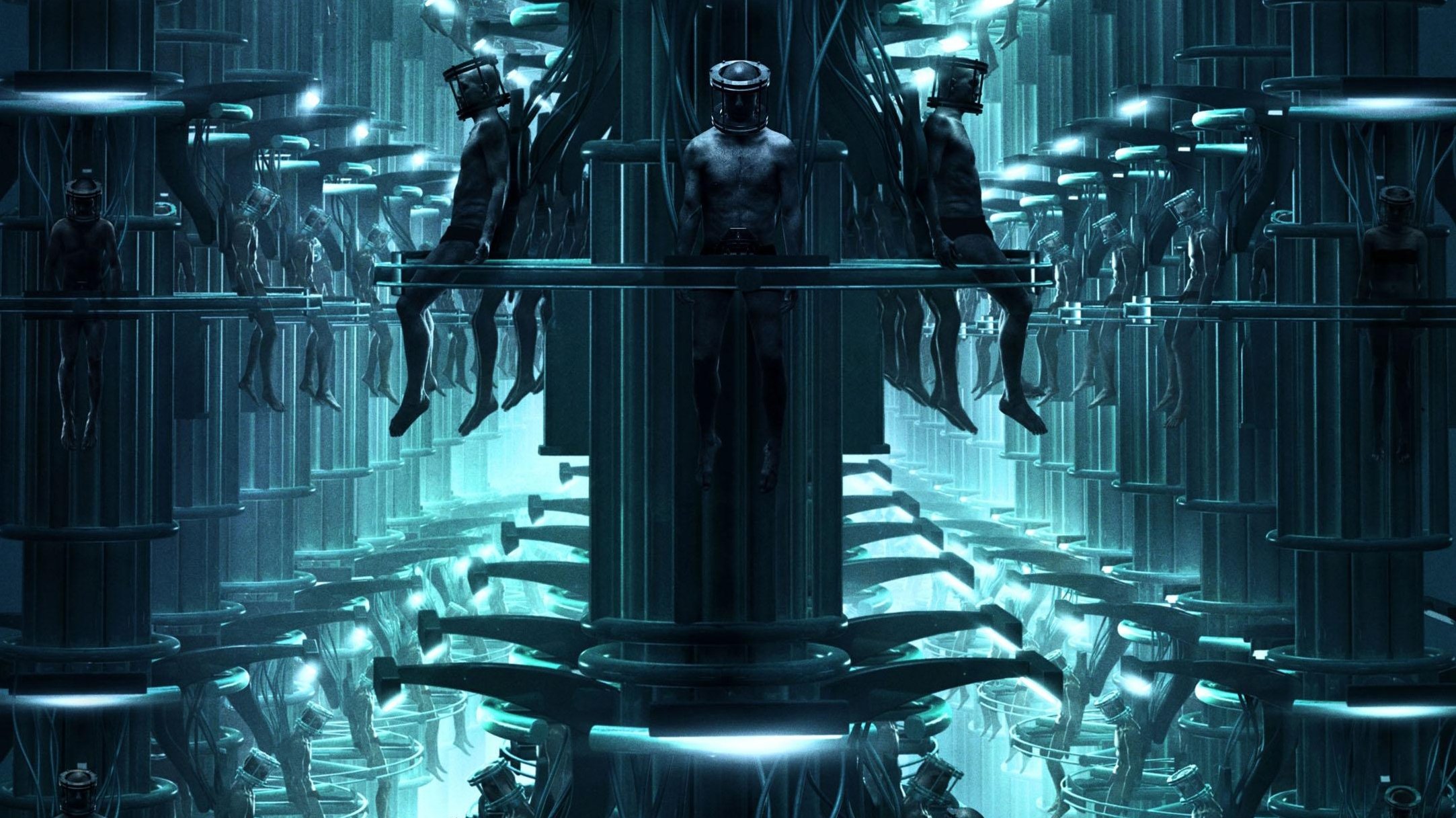
At a time when the Twilight franchise had reduced vampirism to the stuff of teenage daydreams, the Australian siblings Michael and Peter Spierig delivered Daybreakers—a film that dares to ask what undeath might actually look like when subjected to the dreary mechanics of economics, bureaucracy, and resource depletion. The result is a work that is absurdly entertaining whilst simultaneously provoking serious reflection.
Set in (then) the very near future of 2019, a global pandemic has transformed the majority of humanity into vampires. The populace enjoys immortality and eternal youth, yet faces a rather pressing inconvenience: the remaining human population has been hunted to such scarcity that the blood supply is running dry. Without sufficient haemoglobin, vampires devolve into feral, bat-like monstrosities—hardly the sparkling romantic leads one finds elsewhere in the genre.
Ethan Hawke plays Edward Dalton, a haematologist employed by Bromley Marks, a pharmaceutical conglomerate headed by the deliciously ruthless Charles Bromley (Sam Neill). Dalton’s brief is to develop a synthetic blood substitute that might sustain the vampire population and, crucially, protect the few surviving humans from total extermination. The premise allows the Spierigs to construct a remarkably thorough speculative world—one in which vampire civilisation attempts to mirror its human predecessor, complete with functioning families, corporations, government institutions, military structures, and media apparatus.
Shot on a modest budget, the film nonetheless achieves an impressive sense of verisimilitude. The brothers display considerable ingenuity in imagining how a nocturnal society might operate: commuters drive vehicles equipped with UV-blocking tints and cameras; coffee shops offer "blood lite" with varying percentages of haemoglobin; and the architecture of the city has been adapted to shield its inhabitants from lethal sunlight. These details lend the film a darkly comedic tone, with several scenes achieving a grotesque humour that leavens the otherwise grim proceedings.
Of course, this remains a vampire film, and the Spierigs do not stint on the genre’s traditional pleasures. There is bloodletting in industrial quantities, spectacularly choreographed violence, and action sequences involving confrontations between vampires and human "monsters." The cast—rounded out by Willem Dafoe as a former vampire named Lionel "Elvis" Cormac and Claudia Karvan as the human resistance fighter Audrey—delivers competent performances, though none are afforded particularly memorable characterisation.
Where Daybreakers falters is in its conclusion. The script, having constructed such an intriguing speculative edifice, ultimately succumbs to Hollywood convention with a deus ex machina resolution that feels somewhat unearned and insufficiently convincing. It is a shame, for the film had hitherto demonstrated a welcome willingness to pursue its premise to uncomfortable logical conclusions.
Yet the recommendation stands. Daybreakers is a rarity among genre pictures: it manages to be riotously entertaining whilst holding up a mirror to our own civilisation. The Spierigs’ vampire world—deprived of critical resources and appearing uncomfortably fragile—reflects contemporary anxieties about scarcity, corporate exploitation, and environmental collapse. Few films manage to balance such serious thematic undertones with the sheer, bloody fun of a proper creature feature.
Rating: 7/10
Blog in Croatian https://draxblog.com
Blog in English https://draxreview.wordpress.com/
InLeo blog https://inleo.io/@drax.leo
Substack https://draxster.substack.com/
BTC donations: 1EWxiMiP6iiG9rger3NuUSd6HByaxQWafG
ETH donations: 0xB305F144323b99e6f8b1d66f5D7DE78B498C32A7
BCH donations: qpvxw0jax79lhmvlgcldkzpqanf03r9cjv8y6gtmk9