Film Review: Edge of Darkness (2010)
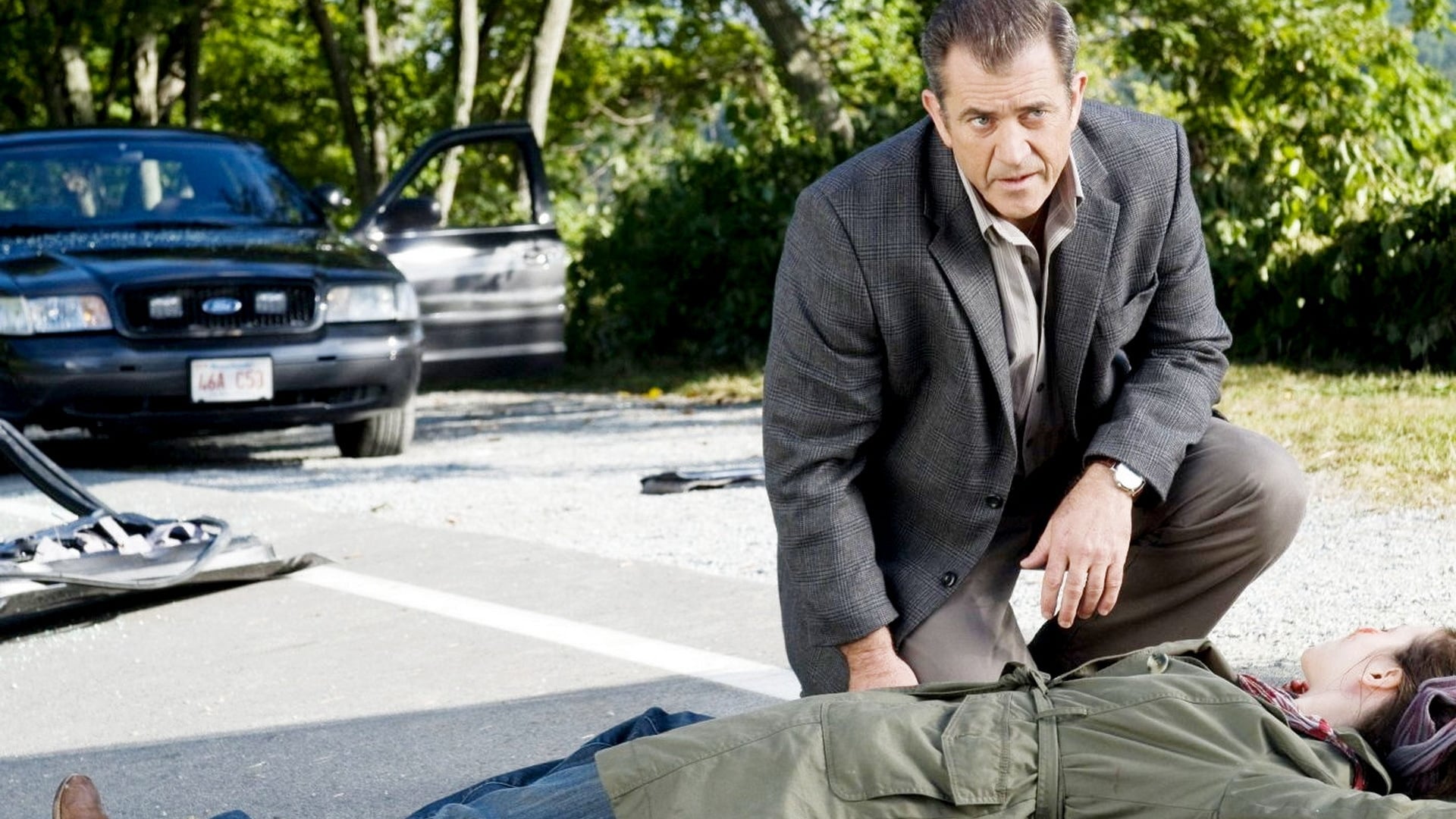
Martin Campbell's Edge of Darkness is another cautionary tale about Hollywood's compulsion to remake television masterpieces. The original 1985 BBC serial, written by Troy Kennedy Martin, stands as one of British television's crowning achievements—a six-part conspiracy thriller that not only epitomised the medium's superiority but also introduced the Gaia hypothesis to mainstream audiences. That this complex, atmospheric narrative has been compressed into a two-hour American feature speaks volumes about the industry's disregard for narrative integrity.
The transatlantic relocation proves particularly damaging. Where the original utilised the bleak, paranoid atmosphere of Cold War Britain under Margaret Thatcher's government, this remake shifts the action to contemporary Boston, stripping away the socio-political texture that gave the story its weight. Campbell, who directed both versions, clearly handles the set pieces with competence—his action sequences possess a muscular efficiency. Yet the broader context feels hollow; the film never successfully establishes an equivalent sense of place or purpose in Obama's America.
Mel Gibson, returning to leading roles following his well-documented hiatus, delivers a serviceable performance as Detective Tom Craven, the bereaved father investigating his daughter Emma's brutal murder. He inhabits the role of the grief-stricken avenger with the intensity one expects, and there is undeniable craft in his portrayal of a man unravelling. However, even his considerable efforts cannot compensate for the screenplay's fundamental deficiencies.
The plot mechanics remain intact—Emma's involvement with radical environmentalism, her discovery of corruption at Northmoor (a nuclear waste processing corporation), and the subsequent cover-up involving government operatives led by Ray Winstone's mysterious Jedburgh. Yet the narrative feels relentlessly rushed. What unfolded organically over six hours in the original now lurches from revelation to confrontation without allowing proper character development. The supporting cast, including Danny Huston as the corporate villain, suffer particularly from this compression; Huston comes across as terribly miscast, lacking the nuance required to make his antagonist believable.
The screenplay by William Monahan and Andrew Bovell demonstrates the inherent difficulty of adapting miniseries to feature length. Characterisation becomes superficial, motivations simplified, and the intricate web of conspiracy that made the original so compelling is reduced to routine thriller mechanics. The depth of the father-daughter relationship, so crucial to the emotional resonance, receives inadequate exploration.
While the film is far from the nadir of Hollywood remakes—thankfully avoiding the outright travesties committed against Rollerball or Get Carter—it nevertheless provides ample justification for leaving television and cinematic classics unmolested. Edge of Darkness functions adequately as a middlebrow action thriller, but those familiar with the source material will find this adaptation a pale, hurried imitation of a work that demanded patience and respect.
Hollywood would do well to heed the lesson: not everything translates across the Atlantic, and some stories require the breathing room that only serialised television can provide.
RATING: 4/10
Blog in Croatian https://draxblog.com
Blog in English https://draxreview.wordpress.com/
InLeo blog https://inleo.io/@drax.leo
Substack https://draxster.substack.com/
BTC donations: 1EWxiMiP6iiG9rger3NuUSd6HByaxQWafG
ETH donations: 0xB305F144323b99e6f8b1d66f5D7DE78B498C32A7
BCH donations: qpvxw0jax79lhmvlgcldkzpqanf03r9cjv8y6gtmk9
Thank you for sharing on steem! I'm witness fuli, and I've given you a free upvote. If you'd like to support me, please consider voting at https://steemitwallet.com/~witnesses 🌟