Television Review: The Shield (Season 4, 2005)
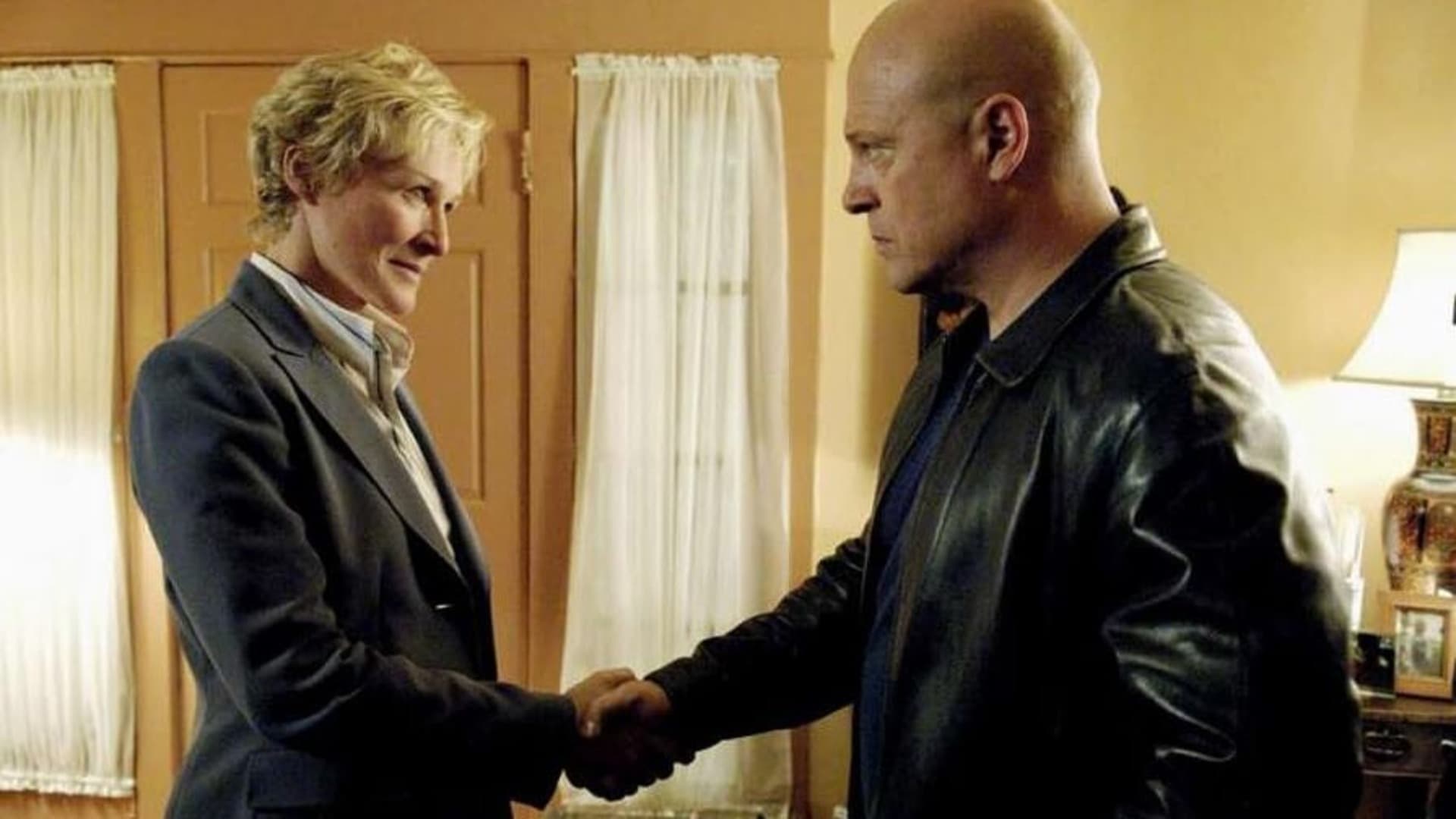
The fourth season of Shawn Ryan's groundbreaking police drama The Shield arrives as something of a transitional curiosity, neither the explosive pinnacle of its earlier years nor the precipitous decline that afflicts many prestige dramas entering their middle age. Rather, Season Four functions as a protracted meditation on institutional decay and personal fragmentation, resetting the narrative chessboard following the cataclysmic dissolution of the Strike Team in the previous season's conclusion. What emerges across these thirteen episodes is a season of compelling contradictions: moments of searing dramatic potency alongside cluttered, overburdened storytelling; stark moral clarity in individual scenes undermined by narrative conveniences and deferred resolutions.
The premiere, The Cure, establishes the season's central thesis with commendable efficiency. Six months after the Money Train saga shattered their fellowship, Vic Mackey finds himself diminished—relegated to bureaucratic surveillance duty, his aggressive energies pent up and frustrated. The introduction of Captain Monica Rawlings, portrayed with ferocious intelligence by Glenn Close, immediately electrifies the proceedings. Her asset forfeiture programme represents a radical departure from previous administrative approaches: the seizure of criminal property without conviction, ostensibly to fund police operations and community reinvestment. Close delivers a commanding performance throughout, her Rawlings embodying a different but equally dehumanising form of absolutism to Vic's street-level pragmatism. Her refusal to return a seized house to a mother on humanitarian grounds crystallises her tragic trajectory—her zeal to avoid the compromised, ends-justify-the-means territory of a Vic Mackey leads her to adopt punitive legalism that overrides basic humanity.
Yet the season's most devastating narrative arc belongs not to Rawlings, but to Shane Vendrell's inexorable moral descent. Where Lemansky, the unit's erstwhile moral centre, has sought redemption through departure from the force entirely, Shane has embraced a nihilistic darkness that even Vic never dared to fully cross. The fifth episode, Tar Baby, delivers the season's most shocking moment: Antwon Mitchell's calculated execution of the teenage girl Angie Stubbs using Shane's own service weapon, instantly transforming Shane from aspiring criminal viceroy into indentured servant. Walon Goggins's performance throughout this downward spiral is genuinely harrowing—the sweating desperation as Antwon commands him to murder Vic, the raw, gulping pleas for mercy during their late-night confrontation near the railway tracks in Cut Throat.
This confrontation represents both the season's dramatic peak and its most contentious narrative decision. The producers reportedly contemplated having Vic execute Shane here—a radical pivot that would have catapulted the series into genuinely uncharted territory. That they ultimately spared Shane, preserving the central dynamic for future seasons, exemplifies The Shield's glacial narrative machinery: the creators consistently engineered scenarios to prevent central conflicts from reaching the swift, conclusive resolution they might in a more conventional drama. The result is a season that sustains tension through prolonged postponement rather than decisive action.
The season's structural peculiarities become most apparent in its concluding trilogy. Back in the Hole (Episode Ten), a remarkably focused chamber piece running substantially longer than standard broadcast format, functions as the season's true climax. Set almost entirely within the Barn's interrogation rooms, it features Rawlings systematically weaponising Antwon's personal history to extract a confession, whilst simultaneously exploring characters who ultimately do what regular people would recognise as the right thing. That this "wham" development occurs with three episodes remaining, rather than in the finale itself, demonstrates the show's refreshing capacity to surprise. Episodes Eleven and Twelve, by contrast, labour to regrind the complex plot machinery toward a semblance of status quo, burdened by tangential subplots and contrived character additions—notably Detective Steve Billings, whose cowardly witness inaction feels narratively convenient rather than organic.
The actual finale, Ain't That a Shame, completes this unconventional architecture with stifled sigh rather than a cathartic bang. Rawlings's dismissal—her asset forfeiture programme scuppered by institutional cowardice and her own impulsive defiance—underscores the show's bleak central thesis: ethical courage within compromised institutions is often a fatal liability. The closing image of Detective Gino watching silently as the Barn celebrates Antwon's re-arrest transforms camaraderie into dramatic irony, the gathering storm visible only to the audience. This subdued conclusion, refusing the pyrotechnics expected of season finales, leaves the Strike Team paradoxically victorious yet imperilled, their reunion shadowed by Lemansky's impending exposure for heroin theft.
Throughout, the season grapples with the corrosive effects of perpetual moral compromise. Aceveda's political ascent mirrors his psychological deterioration—his sexual trauma manifesting in increasingly self-destructive encounters with prostitute Sara Frazier, his trauma from a previous assault metastasising into a pathological need for control that he exercises through rough, transactional sex. Aceveda's storyline occasionally risks becoming exploitative shock for shock's sake, particularly in scenes where he is visibly aroused by evidence of another woman's rape. Nevertheless, the penultimate episode's closing confrontation—Vic's cold dismissal, "You're not a cop. You never were"—remains devastating, the ultimate corrupt cop becoming the show's moral arbiter.
Season Four of The Shield ultimately resists definitive categorisation as either triumph or disappointment. Individual episodes range from the cluttered and mechanical (Grave, A Thousand Deaths) to the devastatingly focused (Tar Baby, String Theory, Back in the Hole). The introduction of Antwon Mitchell provides Anthony Anderson with a career-defining role—a gang lord whose chilling charisma and strategic genius elevate him beyond mere villainy into something approaching tragic antagonist. Yet the season also bears marks of creative strain: subplots involving Dutch's awkward romantic pursuit of Vic's ex-wife feel underdeveloped and tonally misjudged, whilst the finale's narrative reset—Renta's departure, Rawlings's firing—restores familiar dynamics at the expense of potentially richer complications.
What endures is the season's unflinching examination of how institutional systems perpetuate cycles of violence and poverty even when enacted with ostensibly good intentions. Rawlings's forfeiture programme, though effective at generating revenue and arrests, disproportionately targets impoverished communities unable to contest seizures, fostering the very hostility that culminates in officers' murders. The Barn's officers operate as both law enforcers and protectors of the criminal enterprises they supposedly dismantle. In this environment, even fundamentally decent officers like Julien Lowe find their idealism twisted into distorted mirrors of the corruption they oppose—his deliberately discriminatory traffic stop of a white motorist demonstrating how the precinct's ethics infect indiscriminately.
Season Four may lack the sustained narrative intensity that defined The Shield at its absolute peak, but it remains essential viewing precisely for its willingness to dismantle conventions and prolong agonies. In an era where television increasingly demands immediate gratification, this season's commitment to slow-burn paradox—to furious velocity at the micro level and glacial deliberation in overarching narrative—demonstrates a creative integrity that transcends its occasional structural frustrations. It is, appropriately, a season about fractured loyalties that itself fractures expectations, leaving its characters and audience suspended in exquisite, uneasy tension, fully aware that the true reckoning awaits in seasons yet to come.
(NOTE: All reviews can be accesed via this link.)
Blog in Croatian https://draxblog.com
Blog in English https://draxreview.wordpress.com/
InLeo blog https://inleo.io/@drax.leo
BTC donations: 1EWxiMiP6iiG9rger3NuUSd6HByaxQWafG
ETH donations: 0xB305F144323b99e6f8b1d66f5D7DE78B498C32A7
Thank you for sharing on steem! I'm witness fuli, and I've given you a free upvote. If you'd like to support me, please consider voting at https://steemitwallet.com/~witnesses 🌟