Moving Blankets vs. Tarps: Which Is Better for Winter Use?
Winter introduces a different set of storage and protection challenges. Cold air, moisture, snow, wind, and freeze-thaw cycles can damage furniture, equipment, building materials, and machinery. When preparing for winter, two common protective materials are moving blankets and tarps. While both serve protective functions, they are engineered for different performance objectives.
Understanding the structural differences, insulation capabilities, moisture resistance, and durability of each material is critical to selecting the right solution. Below is a detailed comparison to help determine which performs better for winter use.
1. Material Composition and Primary Function
Moving Blankets
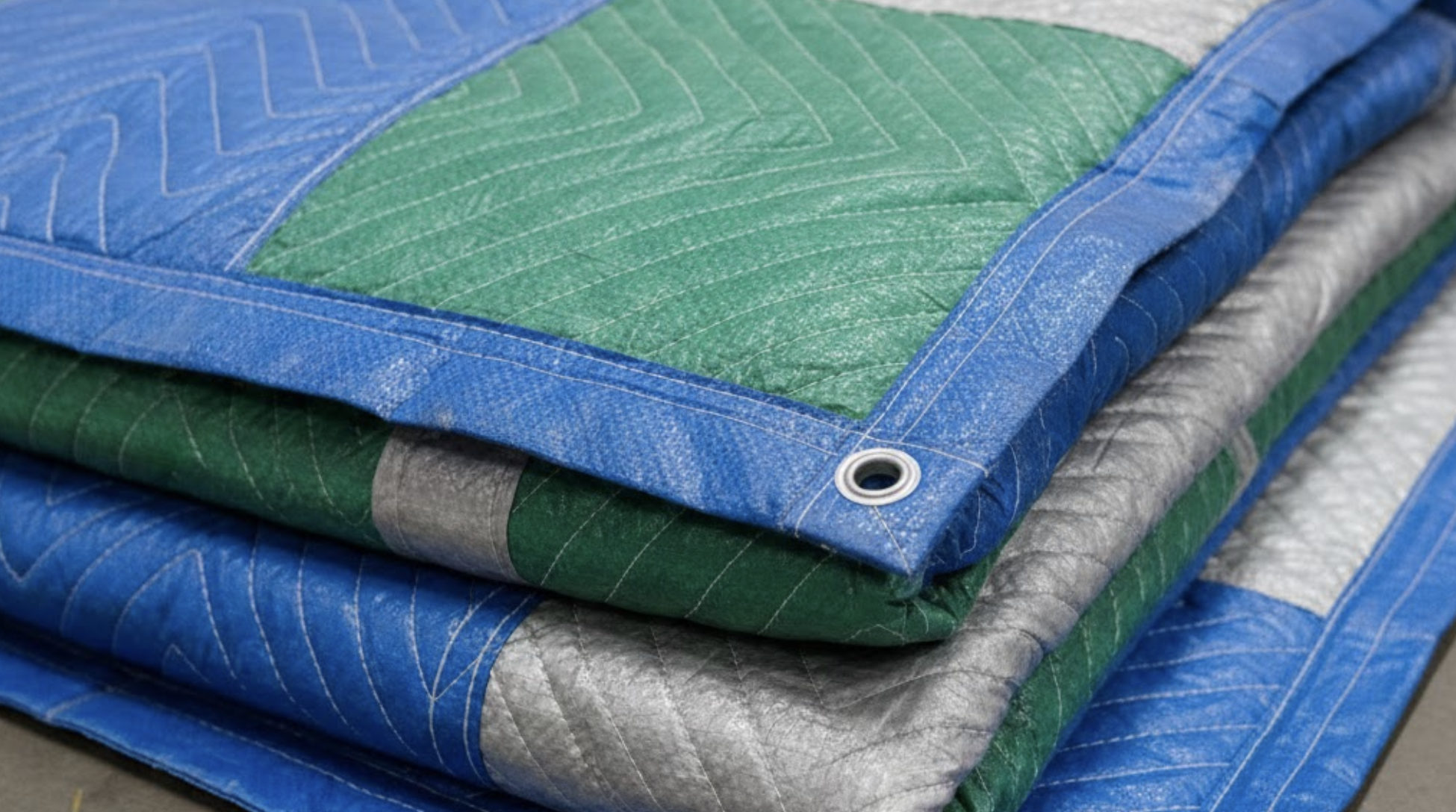
Moving blankets are typically constructed with quilted layers of polyester batting or recycled cotton fibers enclosed within woven fabric. Their primary purpose is impact protection during transportation.
Key characteristics:
- Thick, padded construction
- Breathable fabric
- Flexible and foldable
- Designed to prevent scratches and dents
They are not engineered as weather barriers but offer mild thermal buffering due to layered fabric construction.
Tarps
Tarps (short for tarpaulins) are manufactured from materials such as polyethylene, vinyl (PVC), or canvas. They are designed primarily for weather protection.
Common features:
- Waterproof or water-resistant surfaces
- UV resistance
- Reinforced hems and grommets
- High tensile strength
Tarps are built to resist environmental exposure, making them fundamentally different from moving blankets in winter applications.
2. Insulation Performance in Cold Temperatures
Insulation performance depends on a material’s ability to slow heat transfer.
Moving Blankets: Moderate Insulation
The quilted batting in moving blankets traps air pockets, providing passive insulation. This helps reduce rapid temperature fluctuations and buffers items from direct cold drafts.
However:
- They do not prevent freezing in sub-zero environments.
- They do not regulate internal temperature.
- Performance decreases in damp conditions.
They are suitable for indoor garages, sheds, and short-term winter storage in moderately cold climates.
Tarps: Minimal Insulation
Most polyethylene and vinyl tarps provide little to no insulation. They act as a barrier against wind and precipitation but do not trap air for thermal resistance.
Canvas tarps may offer slight insulation due to fabric density, but overall, tarps are not designed to maintain warmth.
Conclusion for insulation: Moving blankets perform better when insulation is the primary concern.
3. Moisture and Water Resistance
Winter damage is often caused more by moisture than by cold alone.
Tarps: Superior Moisture Protection
Waterproof tarps excel in preventing:
- Snow penetration
- Rain exposure
- Ice buildup
- Wind-driven moisture
Heavy-duty polyethylene and vinyl tarps create a reliable moisture barrier. This makes them ideal for outdoor winter use.
Moving Blankets: Breathable but Absorbent
Moving blankets are breathable, which reduces condensation buildup when used indoors. However:
- They are not waterproof.
- They can absorb moisture if exposed to wet conditions.
- Prolonged dampness can lead to mildew.
For outdoor winter use, moving blankets alone are insufficient.
Conclusion for moisture protection: Tarps are the superior option.
4. Durability in Harsh Winter Conditions
Winter conditions often involve wind stress, snow load, and ice accumulation.
Tarps: Engineered for Environmental Stress
Heavy-duty tarps are designed to withstand:
- High wind exposure
- Heavy snow loads (when properly secured)
- UV degradation
- Abrasion from rough surfaces
Vinyl tarps, in particular, remain flexible in low temperatures, whereas some lower-grade polyethylene tarps may stiffen in extreme cold.
Moving Blankets: Not Built for Outdoor Exposure
Moving blankets lack:
- Reinforced tie-down points
- Waterproof coatings
- Resistance to prolonged wind or snow pressure
They perform best in controlled environments rather than direct outdoor exposure.
Conclusion for durability: Tarps are significantly better for outdoor winter use.
5. Ideal Winter Applications for Each
Understanding use cases clarifies which material performs best.
Best Uses for Moving Blankets in Winter
- Indoor storage of furniture
- Appliance wrapping in garages
- Protecting finished wood surfaces
- Cushioning equipment during transport
Moving blankets are effective when insulation and scratch protection are priorities, and moisture exposure is minimal.
Best Uses for Tarps in Winter
- Covering vehicles outdoors
- Protecting firewood piles
- Shielding construction materials
- Temporary roof or structural covers
- Snow and rain barriers
Tarps are optimal when environmental protection is required.
Can They Be Used Together?
In many winter scenarios, combining both materials delivers superior performance.
Layered approach:
- Wrap the item with a moving blanket for padding and insulation.
- Cover with a waterproof tarp to block moisture and wind.
This method protects against impact, temperature fluctuation, and water exposure simultaneously.
For example, machinery stored outdoors benefits from padded insulation underneath and a waterproof outer shell.
Cost Considerations
Moving blankets are generally cost-effective for indoor use and reusable over multiple seasons. Tarps vary widely in price depending on material weight and durability.
- Lightweight polyethylene tarps are economical but less durable.
- Heavy-duty vinyl tarps carry higher upfront costs but offer long-term performance.
The appropriate investment depends on exposure level and storage duration.
Conclusion
Moving blankets and tarps serve fundamentally different purposes in winter protection. Moving blankets provide moderate insulation and surface protection but lack moisture resistance. Tarps deliver strong environmental shielding against snow, rain, and wind but offer minimal insulation.
For indoor winter storage, moving blankets can be adequate. For outdoor protection, tarps are the more reliable choice. In high-risk winter environments, layering both materials offers the most comprehensive solution.
Selecting the right material ultimately depends on exposure conditions, temperature severity, and the value of the items being protected. Understanding these differences ensures optimal winter protection and reduces the risk of seasonal damage.