The Mirror of Humanity: How Mythology Shapes Our Cultural Identity
At first glance, myths may appear to be nothing more than whimsical collections of ancient fairy tales—stories of thunder-wielding gods, impossible quests, and heroic feats. However, beneath the veil of fantasy, mythology serves as the foundational bedrock upon which civilizations are built.
Mythology is not merely a relic of the past; it is a living, breathing architecture that shapes the values, morals, and social structures of human cultures.
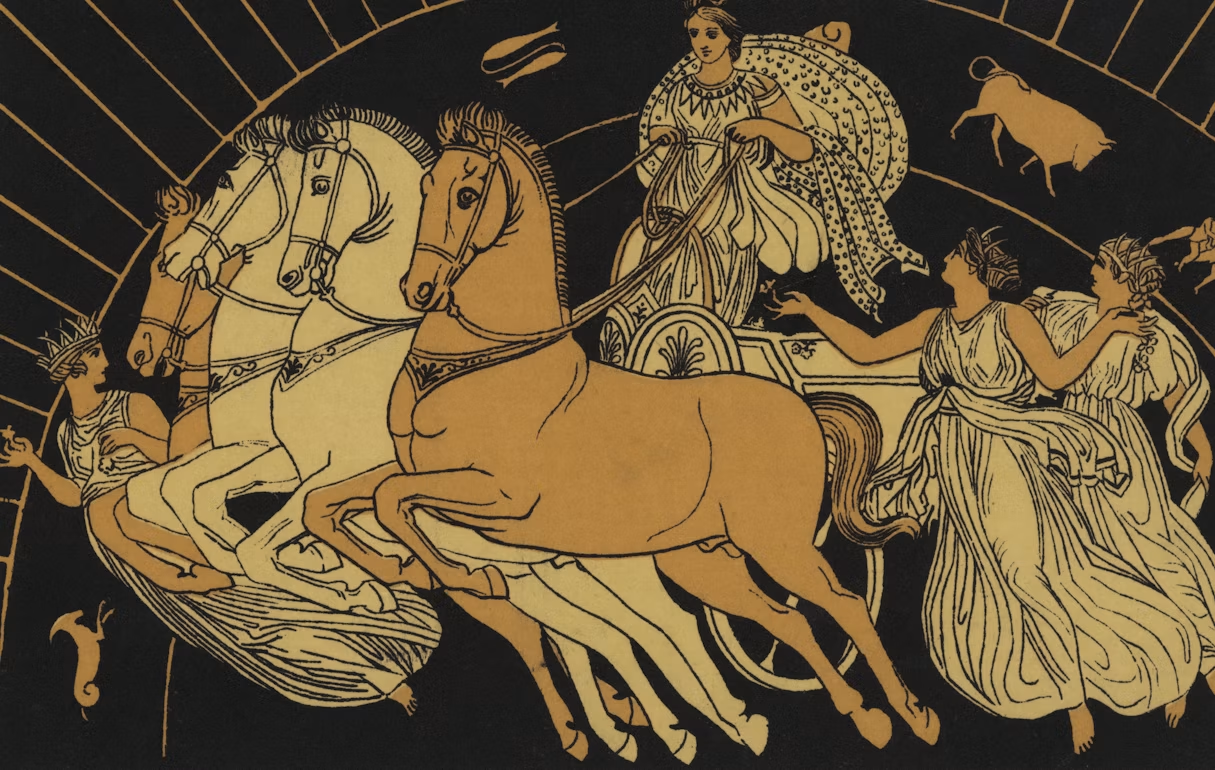
The primary function of mythology is to provide a comprehensive framework for understanding existence. Long before the advent of modern science, myths provided answers to the "how" and "why" of our world.
By explaining natural phenomena—like the rising of the sun or the changing of seasons—through narrative, cultures created a shared understanding of their environment. This collective sense of place acted as a social glue, binding individuals together through a common history and a unified worldview.
Beyond explanation, mythology acts as a moral compass. Archetypal heroes and villains, whether found in Greek epics, Norse sagas, or Indigenous folklore, serve as experiential teaching tools. They demonstrate the consequences of hubris, the virtue of self-sacrifice, and the weight of personal responsibility.
When a culture celebrates the bravery of a specific deity or the wisdom of an ancestral spirit, it is implicitly codifying its own ethical priorities. These narratives teach successive generations how to navigate the complexities of life, framing social expectations within the context of grand, eternal struggles.
Finally, mythology preserves the cultural soul. It creates symbols and rituals that define a society’s identity, distinguishing it from its neighbors. Even today, in our secular age, we continue to create new mythologies through cinema, literature, and technology.
As long as humans seek to make sense of the world, we will turn to stories to define who we are, where we come from, and what we might become.