The Anti-Tumor Potential of Cissus spp. (Tabin-daing-mya-nan) in Female Reproductive Health
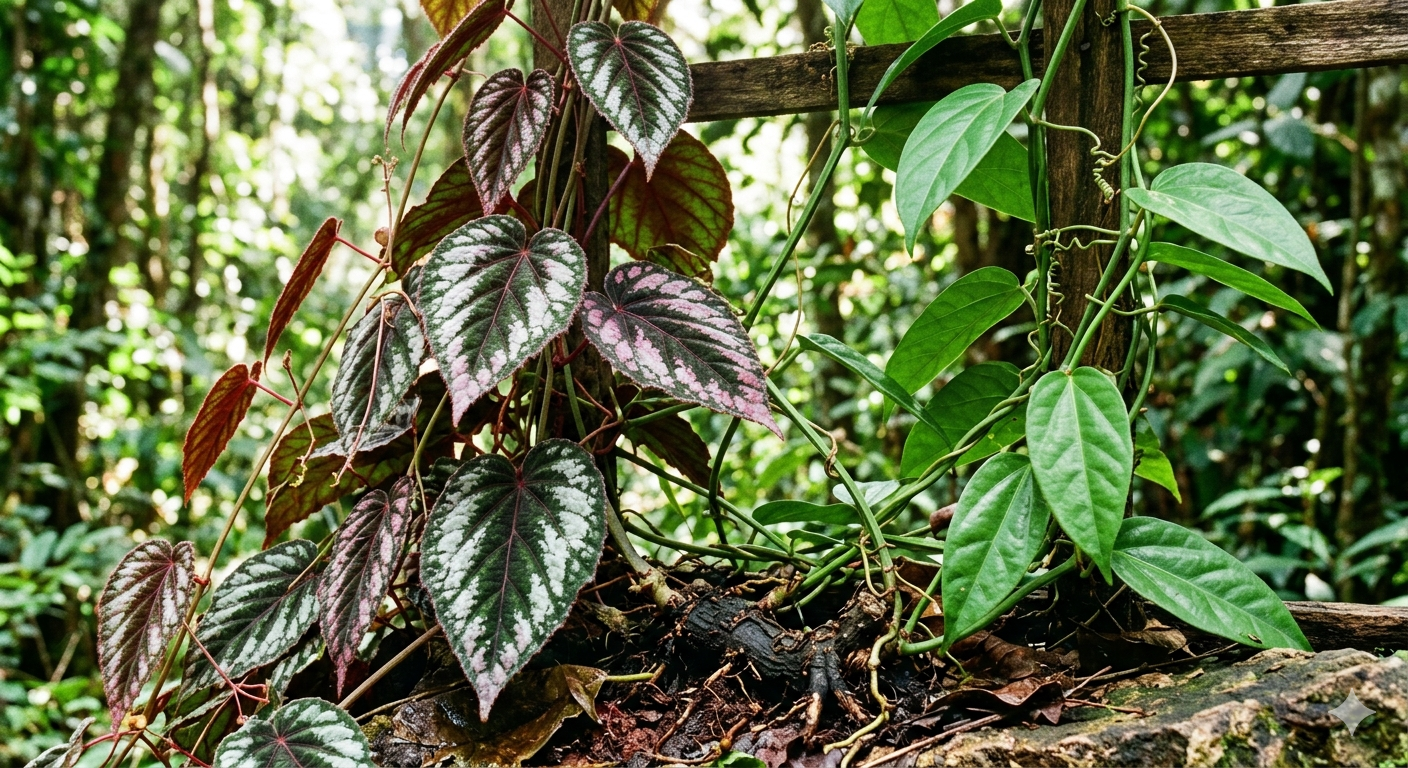
🌿 Plant Description & Composition
Cissus spp. (specifically Cissus discolor and Cissus repens) are long, slender, climbing vines with smooth, succulent stems and distinct stipules. They are widely distributed in the mountainous regions of Shan State, Myanmar.
Each standard capsule typically contains:
Cissus spp. rhizome standard extract: 250 mg
💡 Health Benefits & Mechanism of Action
Phytochemical and pharmacological evaluations indicate that the rhizomes of Cissus discolor and Cissus repens contain the highest concentration of active, bioactive compounds within the genus.
1. Rich in Bioactive Compounds
The therapeutic efficacy of this extract is driven by a diverse array of isolated compounds, including:
Flavonoids & Glycosides
3-keto steroids
Phenolic acids: Gallic acid, Protocatechuic acid, and 4-O-methyl gallate.
Specific Stilbenoids & Triterpenes: Bergenin, vitisonols (B, C, D), vitisins (A, B), isolariciresinol, pallidol, and onocer-en-diol derivatives.
2. Targeted Anti-Tumor Activity
Both in vitro (laboratory) and in vivo (animal model) studies demonstrate that these specific bioactive compounds exert a powerful antiproliferative effect. They actively inhibit the multiplication and growth of abnormal tumor cells in the female reproductive tract, making it highly relevant for conditions affecting the:
Cervix
Uterus (such as uterine fibroids)
Ovaries (such as ovarian cysts or tumors)
⚠️ Side Effects, Risks, and Contraindications
While natural extracts offer immense health benefits, they contain potent pharmacological properties that require cautious usage.
🚫 Strict Contraindications
This supplement must not be used by the following groups:
Pregnant Women: May affect uterine tone or fetal development.
Lactating/Nursing Mothers: Safety data regarding transmission through breastmilk is insufficient.
Children Under 2 Years Old.
Patients on Anticoagulant Therapy: Compounds within the plant may interact with blood thinners, altering clotting times and increasing bleeding risks.
🩺 Mild Side Effects & Precautions
Allergic Reactions: Some individuals may experience mild allergic hypersensitivity, resulting in skin irritation or pruritus (itching).
Management: This minor reaction can generally be managed or reduced by taking a standard antihistamine (allergy medication).
📋 Dosage and Administration
❗ Crucial Notice: Because this extract directly affects reproductive tissues, it should only be taken under the explicit guidance and prescription of a qualified healthcare professional or physician. Do not self-medicate.
Standard Adult Dose: 1 to 2 capsules, taken twice daily (or as directed by your physician).
Packaging: Typically available in bottles containing 60 capsules.
📚 References & Scientific Literature
Phytochemical Screening of Myanmar Medicinal Plants: Evaluation of Cissus discolor and Cissus repens rhizome extracts for bioactive secondary metabolites.
In Vitro and In Vivo Antiproliferative Studies: Research tracking the inhibitory action of stilbenoids (vitisin, vitisonol) and flavonoids on female reproductive tract tumor cell lines (cervical and uterine models).
Traditional Myanmar Herbal Medicine Compendium: Ethnopharmacological records of Tabin-daing-mya-nan (Cissus spp.) and its historic application in tumor mitigation.