The Enchanting Resilience of Heather: Nature’s Purple Carpet
When the late summer sun begins to dip and the crispness of autumn whispers in the air, the rugged landscapes of moorlands and heathlands undergo a breathtaking transformation. This is the realm of Calluna vulgaris, commonly known as Common Heather—a plant that is as resilient as it is beautiful.
Often mistaken for its cousin, the Erica (winter heath), Calluna vulgaris is easily distinguished by its tiny, scale-like leaves and bell-shaped flowers. For centuries, this hardy shrub has been more than just a feast for the eyes; it has been a cornerstone of folklore, culture, and ecology.
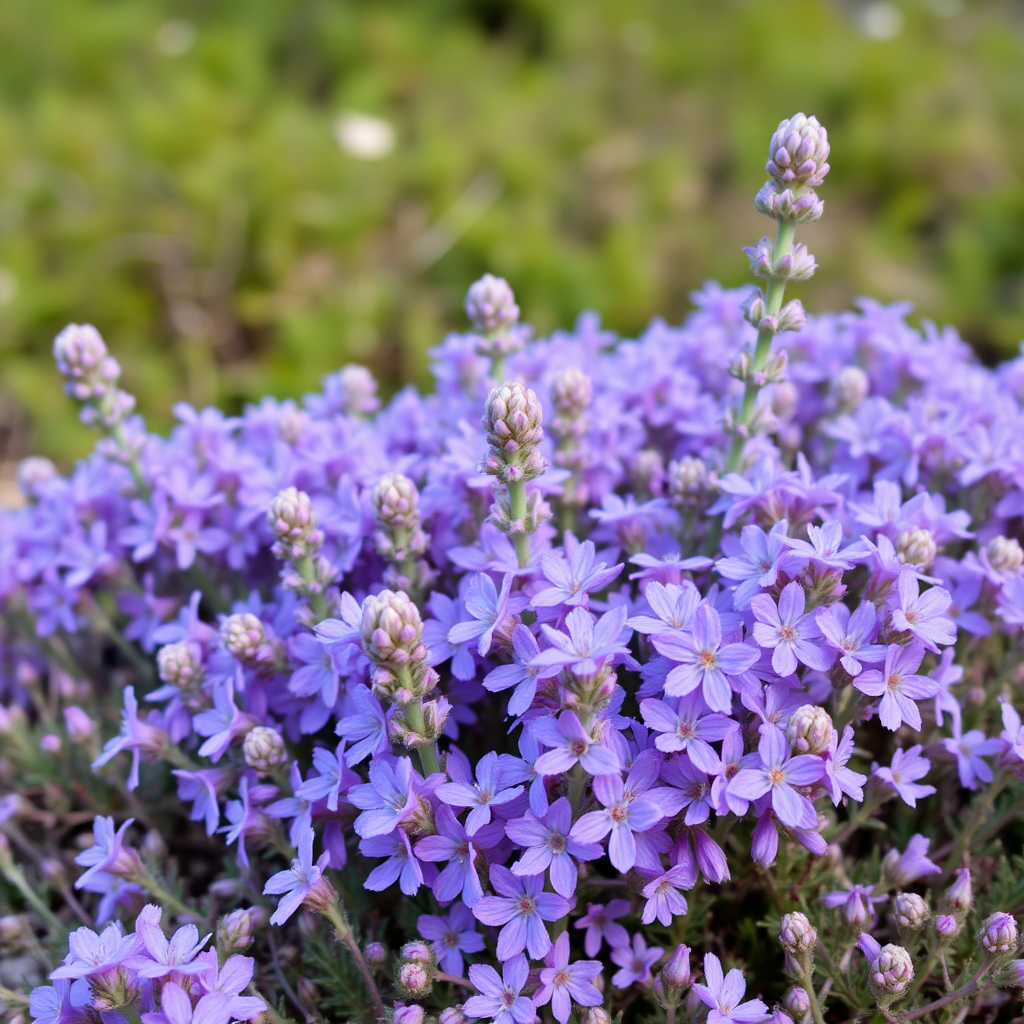
In Scottish tradition, white heather is famously considered a symbol of good luck—a legend rooted in tales of ancient battlefields and clandestine meetings. Beyond the myth, heather is a botanical powerhouse.
It is a critical nectar source for honeybees, and the resulting "heather honey" is prized by connoisseurs for its unique, jelly-like texture and deep, earthy flavor.
For the gardener, heather is a dream. It thrives in acidic soil where other plants might struggle, offering a low-maintenance, evergreen carpet that suppresses weeds and provides year-round structure.
Whether planted in rock gardens, used as ground cover, or grown in pots to add a splash of mauve, lilac, or white to a patio, its versatility is unmatched.
What makes heather truly special, however, is its spirit. It grows where the wind howls and the soil is thin, turning desolate hillsides into vibrant, purple tapestries. It reminds us that there is profound strength in simplicity.
As you plan your garden, consider inviting the humble heather into your space. It won’t demand much of your time, but it will reward you with a timeless, wild elegance that captures the very essence of the moorlands.