Hibiscus: A Bloom of Beauty, Culture and Healing
The hibiscus flower is one of nature’s most captivating creations, known for its large, vibrant petals and striking colors. Found in tropical and subtropical regions, this flower instantly draws attention with shades ranging from deep red and bright yellow to soft pink and pure white. Its delicate structure and short blooming life make it even more special, reminding us to appreciate beauty in the present moment.
Beyond its visual appeal, hibiscus holds deep cultural significance across many societies. In some regions, it symbolizes love, femininity, and hospitality, while in others it is used in traditional ceremonies and decorations. The flower often represents delicate beauty and passion, making it a popular choice in art, clothing patterns, and even hair accessories, especially in island cultures.
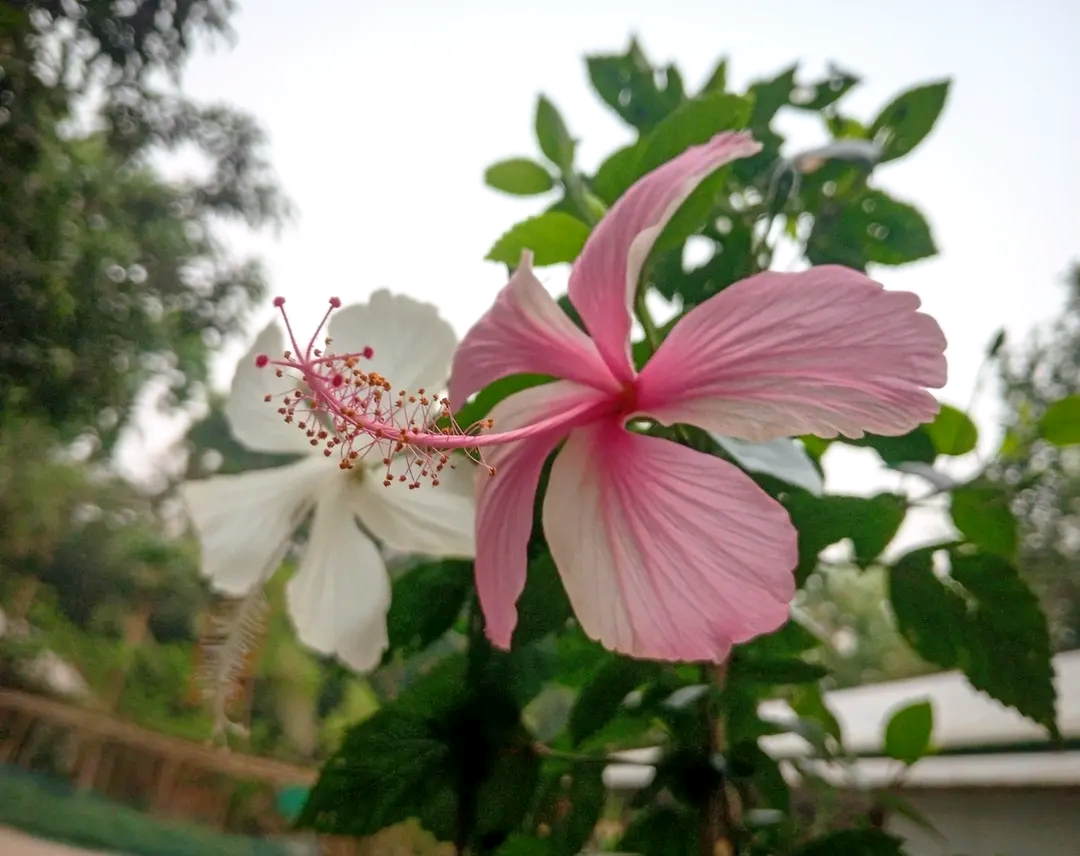
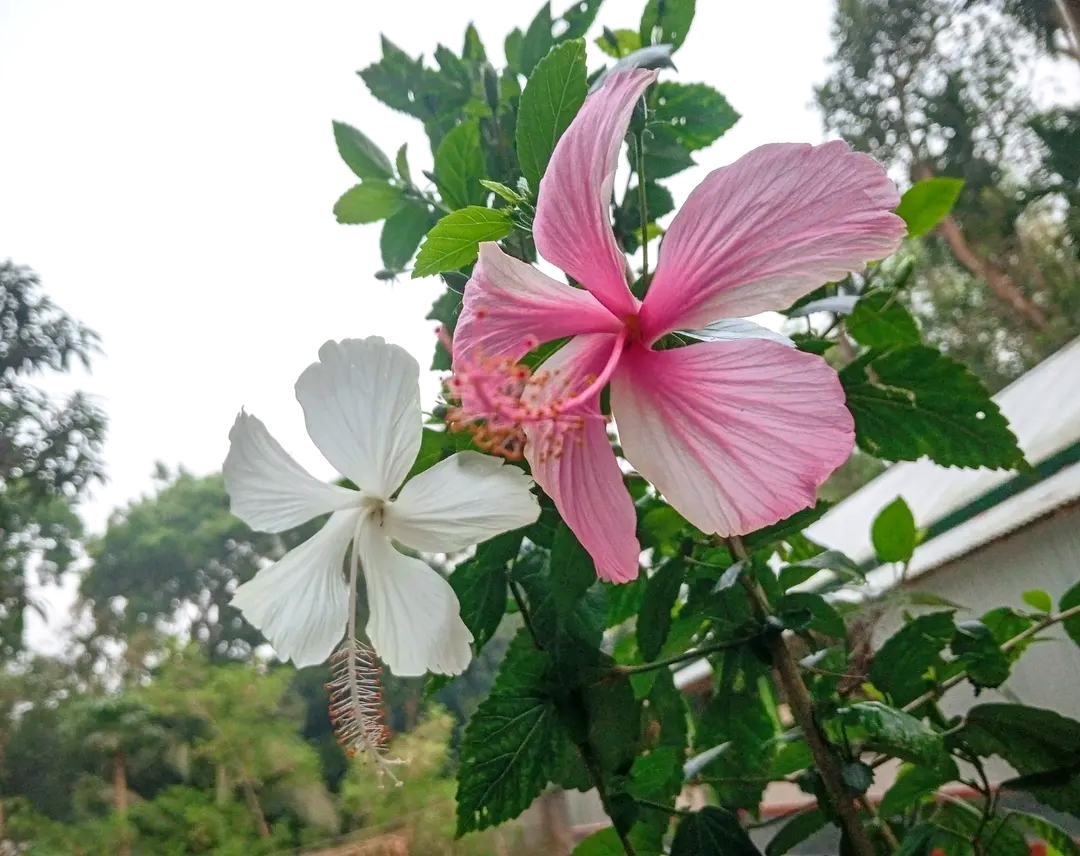
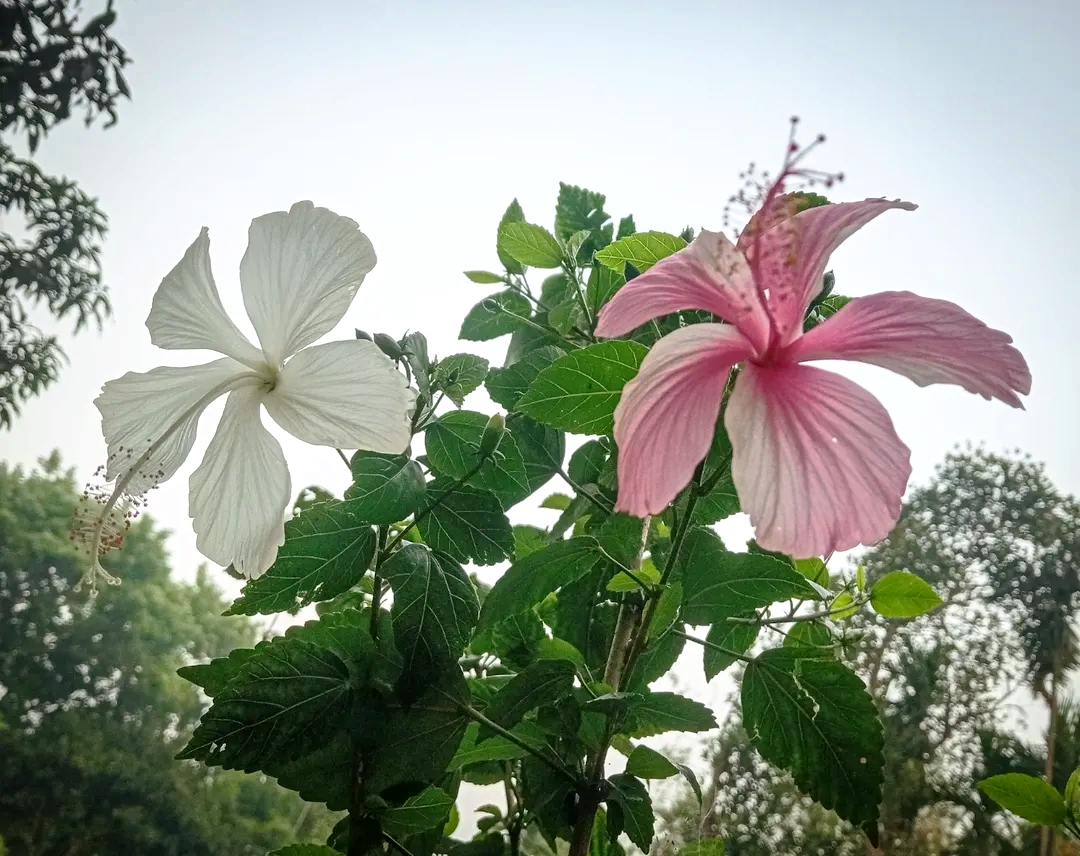
Hibiscus is not just admired for its looks—it is also widely valued for its health benefits. The petals are commonly used to make herbal tea, known for its refreshing taste and rich red color. This tea is packed with antioxidants and is believed to help with blood pressure control, digestion, and boosting overall wellness. Natural remedies using hibiscus have been passed down through generations, blending beauty with healing.
In gardening, hibiscus plants are relatively easy to grow, especially in warm climates. They thrive in sunlight and require regular watering to maintain their lush appearance. With proper care, a hibiscus plant can transform any garden or balcony into a colorful paradise, attracting butterflies and adding life to the surroundings.
In essence, the hibiscus flower is more than just a decorative plant—it is a symbol of nature’s elegance, cultural richness, and natural healing. Whether enjoyed in a garden, worn as a symbol, or brewed into a soothing drink, hibiscus continues to inspire and enrich lives in simple yet meaningful ways. 🌺
Device Information
| Device | Redmi 13 Pro |
|---|---|
| Lens | No Lens |
| Edit | Pixlab |
| Captured by | @handsomecho |