The Silent Crisis: How Overfishing is Rewriting the Ocean’s Future
For centuries, humanity has viewed the ocean as an inexhaustible pantry. We treated its vastness as a guarantee that no matter how much we harvested, the nets would always come back full. However, modern science paints a more sobering picture: overfishing is not just depleting our dinner plates—it is fundamentally rewriting the architecture of marine ecosystems.
The impact of overfishing extends far beyond the decline of a single species. When we strip-mine the seas, we trigger a "trophic cascade." By removing top predators like sharks, tuna, and cod, we disrupt the delicate balance of the food web.
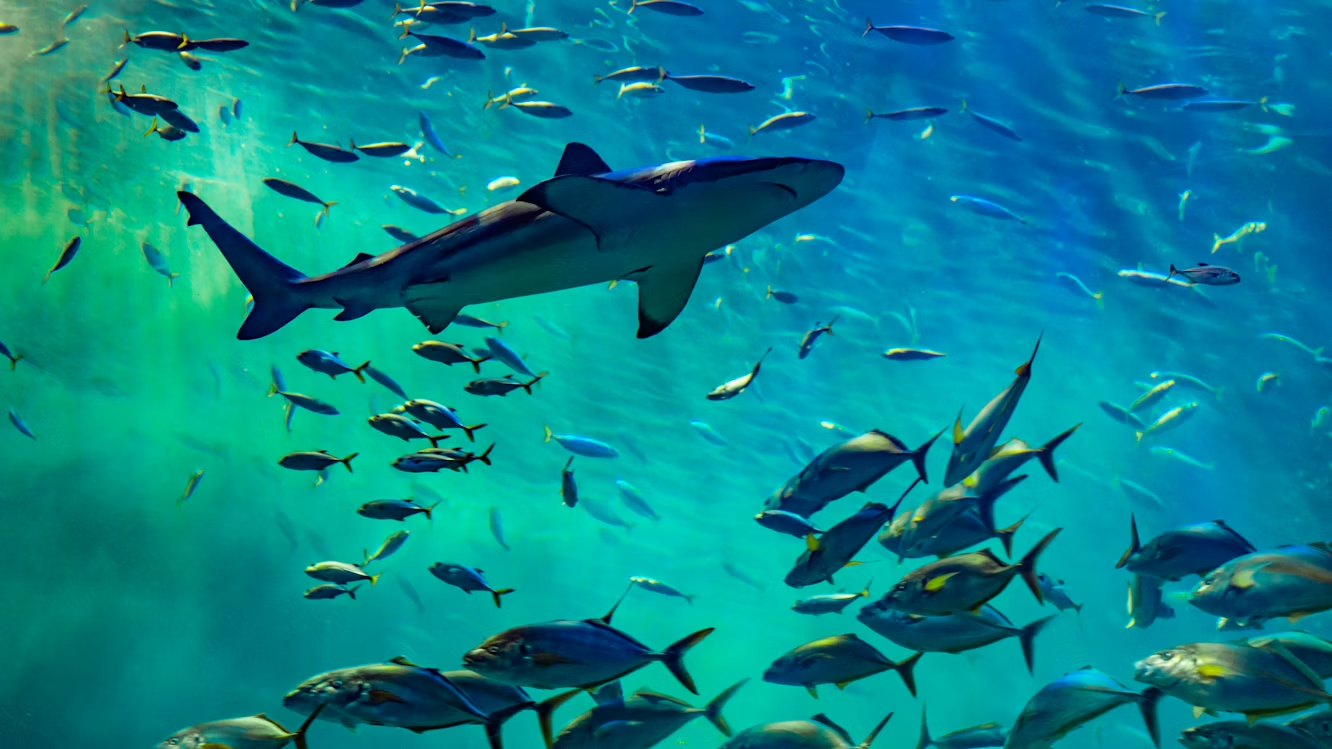
Without these apex predators to manage population levels, smaller species can overpopulate, eventually overgrazing their own food sources—such as kelp forests or coral reefs—leading to the total collapse of essential habitats.
Furthermore, industrial fishing practices often rely on indiscriminate methods like bottom trawling. This process acts like a bulldozer for the seafloor, crushing fragile coral structures and seagrass beds that serve as nurseries for countless marine organisms. When these habitats vanish, the ocean loses its ability to recover.
The loss of biodiversity reduces the ecosystem's resilience, making it significantly less capable of buffering the impacts of climate change, such as ocean acidification and rising temperatures.
The consequences for humanity are equally dire. Millions of people rely on healthy oceans for food security and economic stability. As fish stocks plummet, coastal communities face displacement and starvation.
We have reached a critical juncture. Protecting our marine ecosystems is not merely an act of conservation; it is an act of survival. By implementing science-based catch limits, expanding marine protected areas, and choosing sustainably sourced seafood, we can allow the ocean to heal.
The blue heart of our planet is resilient, but it cannot survive our current pace of extraction. It is time to treat the ocean not as a commodity, but as a life-support system.
Thank you for sharing on steem! I'm witness fuli, and I've given you a free upvote. If you'd like to support me, please consider voting at https://steemitwallet.com/~witnesses 🌟