5 Weighty Reasons to Visit an Orthodontist
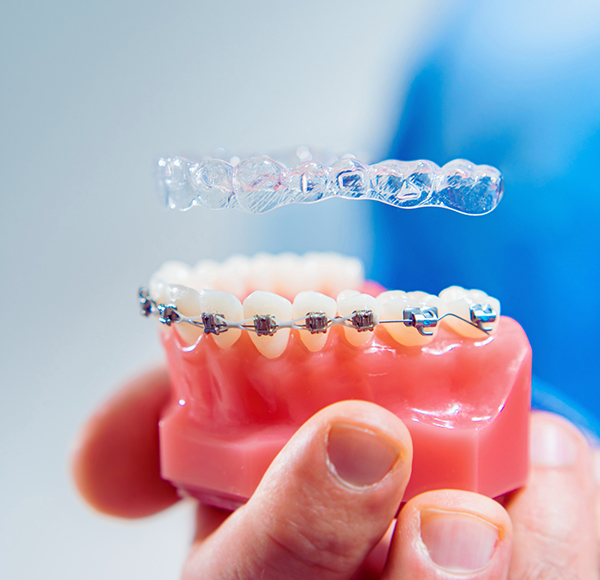
Many believe that orthodontic treatment is only necessary for children or teenagers with braces. However, problems with the bite and tooth alignment can occur at any age. Crooked teeth, crowding, malocclusion, and other orthodontic issues not only affect the appearance of your smile but can also cause discomfort, pain, and even health problems. That's why it's important to have an examination and treatment by an orthodontist as soon as possible. In this article, we have gathered five reasons to visit an orthodontist to help you determine if your smile needs professional correction.
1. Crooked teeth
Crooked teeth are among the most common reasons for visiting an orthodontist. They may be too close together, overlap, or have large gaps. In addition to the aesthetic problem, crooked teeth also make daily oral hygiene more difficult. Brushing and flossing don't always adequately clean hard-to-reach areas, increasing the risk of cavities and gum inflammation.
Additionally, misaligned teeth can lead to uneven pressure on the jaw. Over time, this can cause enamel erosion, increased tooth sensitivity, and even temporomandibular joint (TMJ) pain. Modern orthodontic treatment methods, such as clear braces and traditional braces, gradually straighten teeth and restore their correct alignment.
2. Malocclusion
Malocclusion occurs when the upper and lower jaws do not meet correctly. There are different types of malocclusion: deep bite, open bite, crossbite, and overbite. Many people don't notice this for a long time until unpleasant symptoms appear. Malocclusion can cause chewing and speech difficulties, as well as increased pressure on individual teeth. Some patients complain of jaw clicking, headaches, and facial muscle tension.
If left untreated, the problem can worsen with age. An orthodontist diagnoses malocclusion, assesses jaw position, and selects the optimal correction method. Timely treatment not only improves the appearance of your smile but also prevents serious complications. You can search for "orthodontist near me" to find an experienced and qualified specialist in your area.
3. Jaw pain and headaches
Chronic headaches and jaw pain can be caused by orthodontic problems. When teeth don't close properly, the facial muscles and jaw joint are under increased strain. This can lead to muscle tension, pain when chewing, and even restricted jaw movement.
Some patients also grind their teeth at night. Bruxism is often associated with misaligned teeth and can lead to enamel abrasion, cracks in the teeth, and increased sensitivity. An orthodontist can determine whether the unpleasant symptoms are related to the position of the teeth and jaw. After starting treatment, many patients report less pain and improved overall well-being.
4. Preparation for dentures or implants
A consultation with an orthodontist is often necessary before the placement of implants, veneers, or other orthodontic appliances. Misaligned teeth can complicate dental treatment and negatively impact the final result.
For example, if a tooth is missing, the neighboring teeth will shift into the gap over time. This makes it more difficult to place an implant. In some cases, orthodontic treatment helps create space for future dental prosthetics and optimally distributes the load on the teeth. A comprehensive approach involving an orthodontist allows for a more lasting and aesthetically pleasing result.
5. The desire for a more beautiful smile
A smile plays an important role in communication and influences self-confidence. Many people are embarrassed by crooked teeth, smile less, and feel psychologically uncomfortable. Modern orthodontics offers numerous solutions for a more attractive smile. Today, in addition to traditional metal brackets, more discreet alternatives such as ceramic, sapphire, and clear brackets are used for tooth correction. This has made treatment more comfortable and aesthetically pleasing.
Correctly aligned teeth contribute to more harmonious facial proportions, a more beautiful smile, and boost self-confidence. Many patients report feeling more confident in both their personal and professional lives after orthodontic treatment.