Photoelectric Sensors Explained: Applications, Benefits & Selection Guide
Photoelectric Sensors are among the most essential components in modern industrial automation, enabling accurate, fast, and non-contact object detection across a wide range of manufacturing and process industries. Whether installed on automated production lines, packaging machines, conveyor systems, robotic workstations, or warehouse automation equipment, photoelectric sensors significantly improve productivity, efficiency, and operational safety.
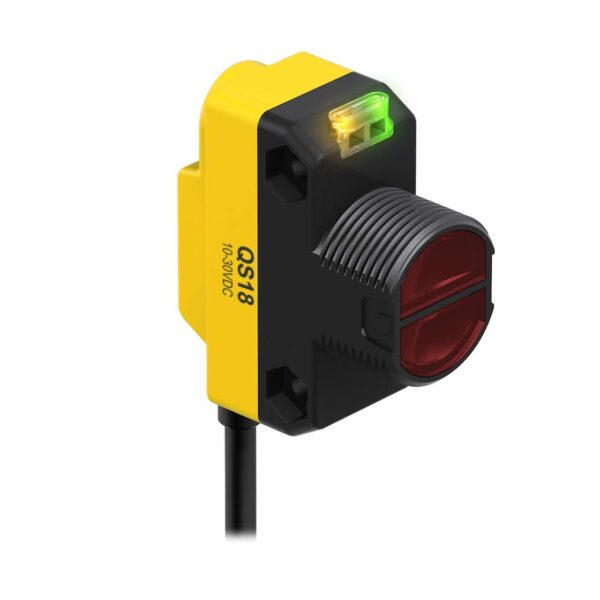
Unlike mechanical switches that require physical contact, photoelectric sensors detect objects using a beam of light. This contactless detection reduces wear and tear, minimizes maintenance, and delivers exceptional reliability even in demanding industrial environments.
With the rapid adoption of Industry 4.0, smart manufacturing, and Industrial Internet of Things (IIoT) technologies, industries increasingly rely on advanced sensing solutions for precision automation. Selecting the right photoelectric sensor ensures improved machine performance, reduced downtime, and enhanced production quality.
If you're looking for premium-quality Photoelectric Sensors in India, Genesis Technomation India Pvt Ltd. is one of the trusted suppliers of industrial automation products. Their extensive range of industrial photoelectric sensors is designed for manufacturing, packaging, logistics, pharmaceuticals, automotive, food processing, and many other industries.
👉 Best Place to Buy Photoelectric Sensors:
https://genesisindsol.in/product/photo-electric-sensor/
What Are Photoelectric Sensors?
Photoelectric sensors are electronic devices that detect the presence, absence, movement, distance, or position of an object using light rather than physical contact.
A photoelectric sensor generally consists of three primary components:
- Light emitter
- Receiver
- Electronic signal processor
The emitter projects a beam of light toward the target area. When an object interrupts, reflects, or changes the light beam, the receiver detects this variation and sends an electrical output signal to a PLC, controller, or industrial automation system.
Because they perform non-contact sensing, photoelectric sensors offer significantly longer service life than mechanical limit switches.
How Photoelectric Sensors Work
The operating principle is straightforward but highly effective.
Step 1 – Light Emission
The emitter generates light using one of the following:
- Infrared LED
- Visible Red LED
- Laser Diode
Step 2 – Light Travels
The emitted light travels toward:
- Receiver
- Reflector
- Target object
depending upon the sensor type.
Step 3 – Object Detection
When an object enters the sensing zone, it either:
- Blocks the light
- Reflects the light
- Alters the beam intensity
Step 4 – Signal Generation
The receiver detects the change and converts it into an electrical switching output.
Step 5 – Automation Action
The PLC or controller uses this output to perform operations such as:
- Conveyor control
- Product counting
- Machine stopping
- Quality inspection
- Position verification
- Sorting products
Main Components of Photoelectric Sensors
Light Emitter
Responsible for producing the sensing beam.
Common light sources include:
- Infrared LED
- Red LED
- Laser
Optical Lens
The lens focuses the emitted beam for improved sensing accuracy.
Receiver
Receives reflected or transmitted light.
Receiver technologies include:
- Photodiodes
- Phototransistors
- Photocells
Signal Processing Circuit
Processes incoming optical signals while filtering unwanted ambient light.
Output Electronics
Converts the processed optical signal into industrial outputs including:
- PNP
- NPN
- Relay Output
- Analog Output
- IO-Link Communication
Types of Photoelectric Sensors
Choosing the correct sensor depends on the application requirements.
1. Through Beam Sensors
A transmitter and receiver are installed separately.
When an object interrupts the beam, detection occurs.
Advantages
- Longest sensing range
- Excellent reliability
- High-speed detection
- Suitable for dusty environments
Applications
- Conveyor automation
- Warehouse systems
- Large machinery
- Industrial gates
2. Retro Reflective Sensors
The transmitter and receiver are housed together while a reflector returns the light.
Benefits
- Easy installation
- Good sensing distance
- Lower installation cost
Applications
- Bottle detection
- Carton inspection
- Packaging lines
- Material handling
3. Diffuse Reflective Sensors
The object itself reflects light back to the receiver.
No reflector is required.
Advantages
- Cost-effective
- Compact
- Simple installation
Applications
- Product detection
- Assembly lines
- Packaging machines
- Automation equipment
4. Background Suppression Sensors
These sensors ignore background objects while detecting only the intended target.
Applications
- Electronics
- Robotics
- Packaging
- Precision manufacturing
5. Laser Photoelectric Sensors
Laser-based sensors provide highly focused beams for detecting very small objects with exceptional accuracy.
Applications
- Semiconductor manufacturing
- PCB inspection
- Robotic positioning
- Precision engineering
Benefits of Photoelectric Sensors
Photoelectric sensors provide numerous operational advantages across industries.
Non-Contact Detection
No physical contact means:
- Longer service life
- Reduced mechanical wear
- Lower maintenance costs
High-Speed Performance
Suitable for:
- Fast conveyors
- Automated assembly
- High-speed packaging
Excellent Accuracy
Capable of detecting:
- Small objects
- Transparent materials
- Reflective surfaces
- Dark-colored products
Low Maintenance
No moving mechanical parts significantly reduce maintenance requirements.
Long Detection Distance
Some industrial models detect objects several meters away.
Compact Design
Available in miniature housings for machines with limited installation space.
Energy Efficient
Modern LED technology reduces power consumption while maintaining high performance.
Industrial Applications of Photoelectric Sensors
Manufacturing Industry
Photoelectric sensors are widely used for:
- Production automation
- Component positioning
- Product counting
- Machine synchronization
Packaging Industry
Applications include:
- Carton detection
- Bottle counting
- Label verification
- Filling machines
- Sealing inspection
Food & Beverage Industry
Common uses include:
- Package inspection
- Bottle positioning
- Conveyor automation
- Sorting systems
Pharmaceutical Industry
Used for:
- Tablet counting
- Medicine packaging
- Blister inspection
- Quality assurance
Automotive Industry
Photoelectric sensors assist in:
- Robotic welding
- Component detection
- Assembly verification
- Paint line automation
Logistics & Warehousing
Applications include:
- Parcel detection
- Conveyor automation
- Barcode positioning
- Automated storage systems
Printing Industry
Used for:
- Registration mark detection
- Paper counting
- Sheet positioning
Textile Industry
Ideal for:
- Fabric edge detection
- Roll positioning
- Machine synchronization
Electronics Manufacturing
Photoelectric sensors support:
- PCB inspection
- Robotic pick-and-place
- Component verification
- Automated assembly
Factors to Consider When Selecting Photoelectric Sensors
Selecting the right sensor improves automation reliability and reduces downtime.
Sensing Distance
Choose the required operating range based on machine design.
Object Size
Smaller objects require focused beams or laser sensors.
Surface Characteristics
Consider whether the object is:
- Transparent
- Reflective
- Metallic
- Dark-colored
- Glossy
Environmental Conditions
Evaluate exposure to:
- Dust
- Oil
- Water
- Heat
- Chemicals
- Vibration
Industrial-grade IP67-rated sensors are recommended for harsh environments.
Output Type
Available outputs include:
- PNP
- NPN
- Relay
- Analog
- IO-Link
Switching Speed
High-speed machinery requires fast response times.
Mounting Space
Compact machines often require miniature sensor housings.
Cable or Connector Type
Select based on maintenance requirements and installation convenience.
Common Challenges
Dust on Lens
Regular cleaning ensures reliable sensing.
Reflective Backgrounds
Background suppression sensors minimize false detection.
Misalignment
Proper alignment during installation prevents detection failures.
Ambient Lighting
Industrial sensors use optical filters to reduce interference.
Electrical Noise
Use proper shielding and grounding for stable operation.
Maintenance Tips
Routine maintenance extends sensor lifespan.
- Clean optical surfaces regularly.
- Inspect mounting hardware.
- Verify sensing distance.
- Check wiring connections.
- Replace damaged cables.
- Test switching outputs periodically.
Why Choose Genesis Technomation India Pvt. Ltd.?
Selecting a reliable supplier is just as important as choosing the right sensor. Genesis Technomation India Pvt. Ltd. has established itself as a trusted provider of industrial automation products and sensing solutions in India.
Why industries choose Genesis:
- Extensive range of industrial photoelectric sensors
- Products suitable for OEMs and machine builders
- Reliable performance in harsh industrial environments
- Technical consultation for sensor selection
- Competitive pricing
- PAN India supply
- Prompt customer support
- Solutions for manufacturing, packaging, logistics, automotive, pharmaceutical, and food industries
Whether you're upgrading an automation system or designing a new machine, Genesis provides dependable sensing solutions that help improve productivity and reduce downtime.
Best Place to Buy Photoelectric Sensors
For businesses looking for reliable industrial-grade photoelectric sensors, Genesis Technomation India Pvt. Ltd. offers high-quality products backed by technical expertise and excellent customer support.
🔗 https://genesisindsol.in/product/photo-electric-sensor/
Future of Photoelectric Sensors
The future of industrial sensing is rapidly evolving with advanced technologies such as:
- Industry 4.0
- Artificial Intelligence
- Machine Vision
- Smart Factories
- Predictive Maintenance
- IO-Link Communication
- Industrial IoT (IIoT)
- Cloud-based Monitoring
Future photoelectric sensors will offer:
- Greater detection accuracy
- Faster communication
- Built-in diagnostics
- Remote monitoring
- Higher energy efficiency
- Improved resistance to harsh environments
These innovations will continue transforming manufacturing operations by enabling smarter, safer, and more efficient automation systems.
Frequently Asked Questions (FAQs)
What are Photoelectric Sensors?
Photoelectric sensors are electronic devices that detect objects using a beam of light without making physical contact.
What industries use Photoelectric Sensors?
Industries including manufacturing, automotive, pharmaceuticals, packaging, food processing, logistics, warehousing, printing, electronics, and textiles use photoelectric sensors extensively.
What are the different types of Photoelectric Sensors?
The primary types include:
- Through Beam Sensors
- Retro Reflective Sensors
- Diffuse Reflective Sensors
- Background Suppression Sensors
- Laser Photoelectric Sensors
What are the advantages of Photoelectric Sensors?
Key benefits include:
- Non-contact detection
- High accuracy
- Fast response
- Long service life
- Low maintenance
- Compact size
- Wide sensing range
How do I select the right Photoelectric Sensor?
Consider:
- Detection distance
- Object material
- Environmental conditions
- Mounting space
- Output type
- Switching speed
Where can I buy high-quality Photoelectric Sensors in India?
For reliable industrial automation products, Genesis Technomation India Pvt. Ltd. offers a comprehensive range of industrial photoelectric sensors suitable for diverse applications.
👉 https://genesisindsol.in/product/photo-electric-sensor/
Conclusion
Photoelectric sensors have become indispensable in modern industrial automation due to their ability to provide accurate, fast, and reliable non-contact object detection. Their versatility makes them suitable for applications ranging from packaging and logistics to robotics, automotive manufacturing, pharmaceuticals, and food processing.
By understanding their working principles, sensor types, industrial applications, benefits, and selection criteria, businesses can make informed decisions that improve operational efficiency and reduce maintenance costs.
When sourcing dependable Photoelectric Sensors, choosing a trusted supplier ensures long-term performance and expert support. Genesis Technomation India Pvt. Ltd. offers a broad portfolio of industrial photoelectric sensors designed to meet the needs of OEMs, machine builders, and manufacturing industries across India. Their technical expertise, quality products, and customer-focused approach make them an excellent choice for businesses seeking reliable automation solutions.
Explore the complete range of Photoelectric Sensors here: