Rangoon Creeper Flower: Nature’s Fragrant Cascade
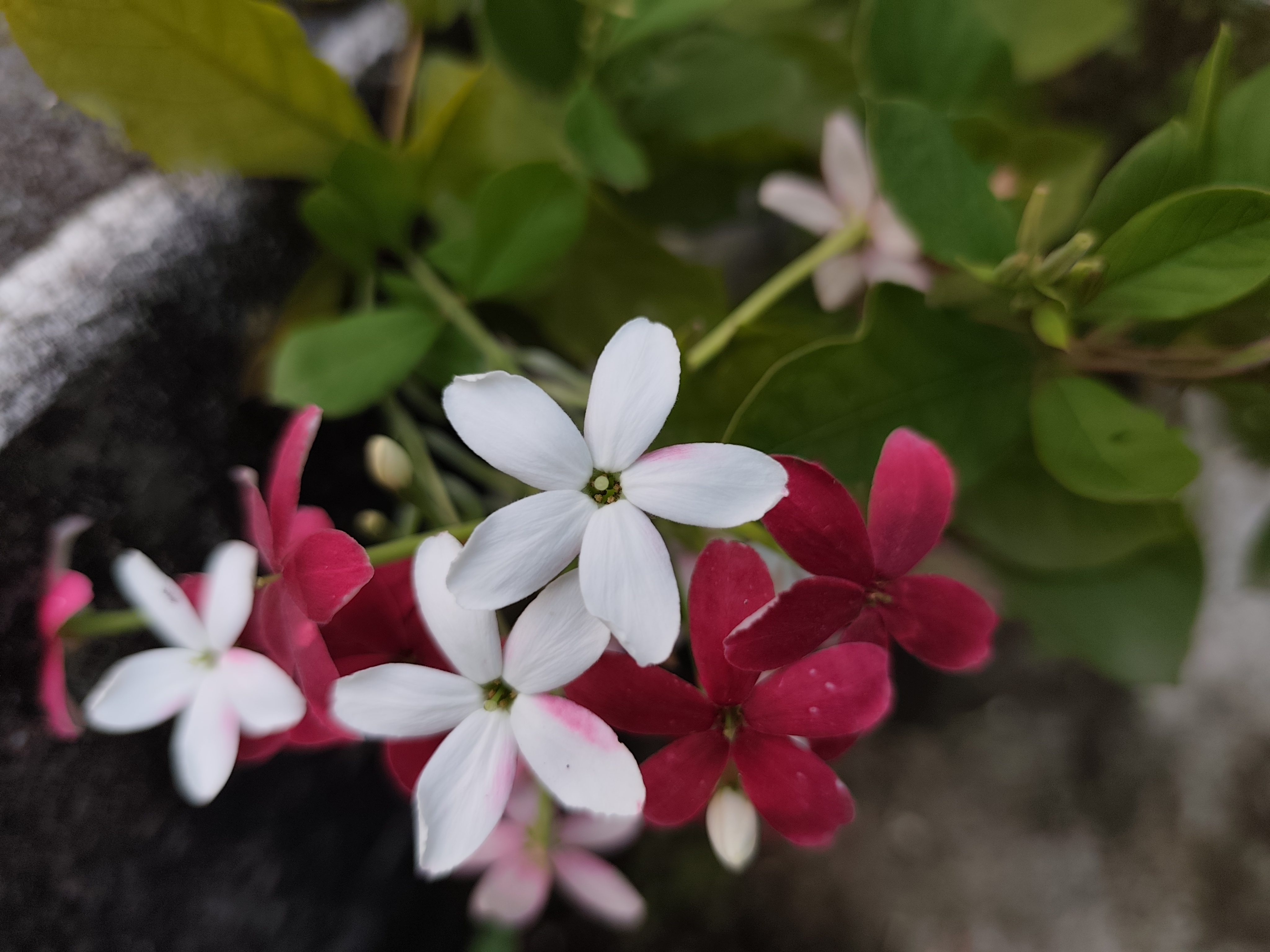
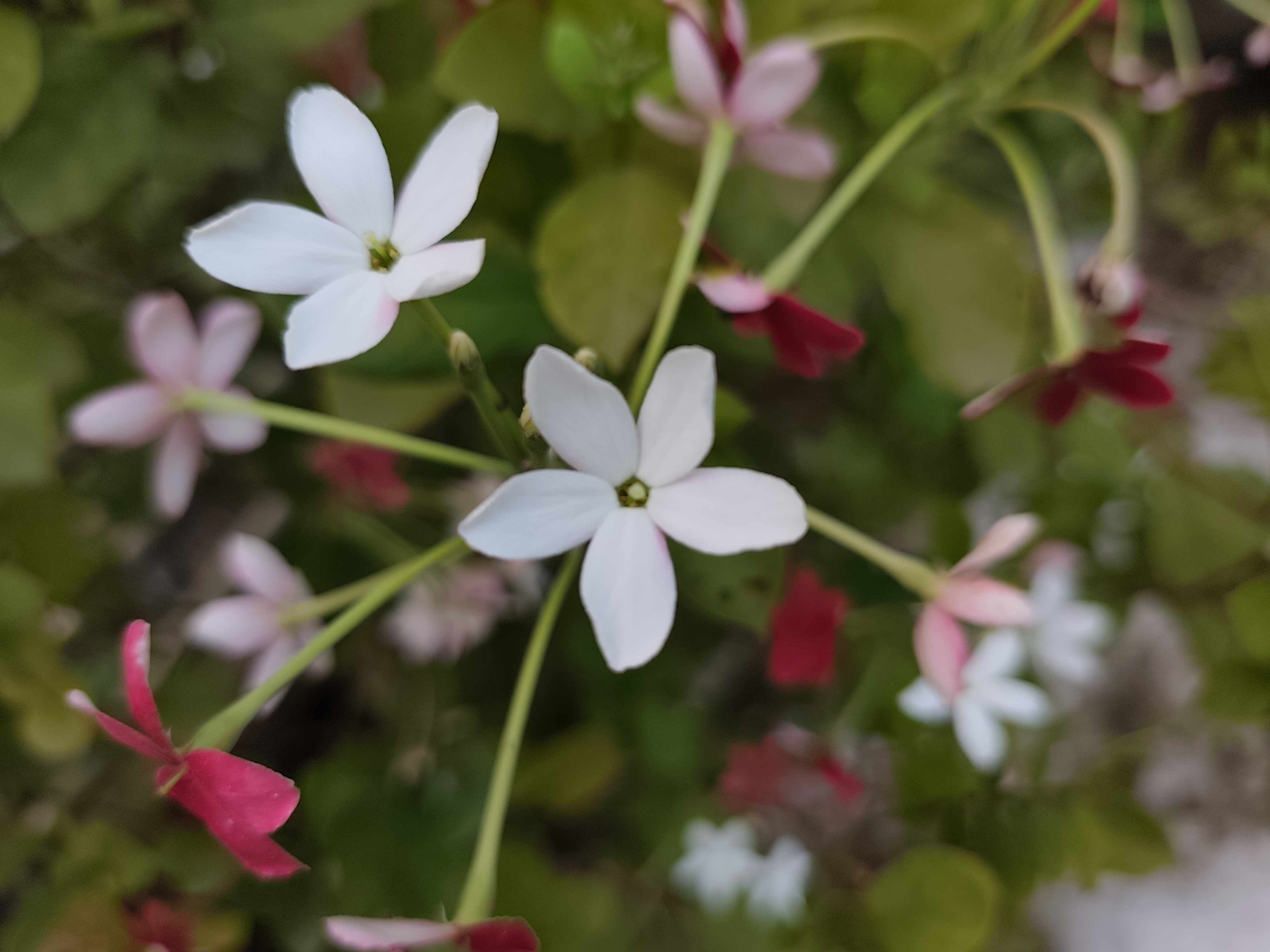
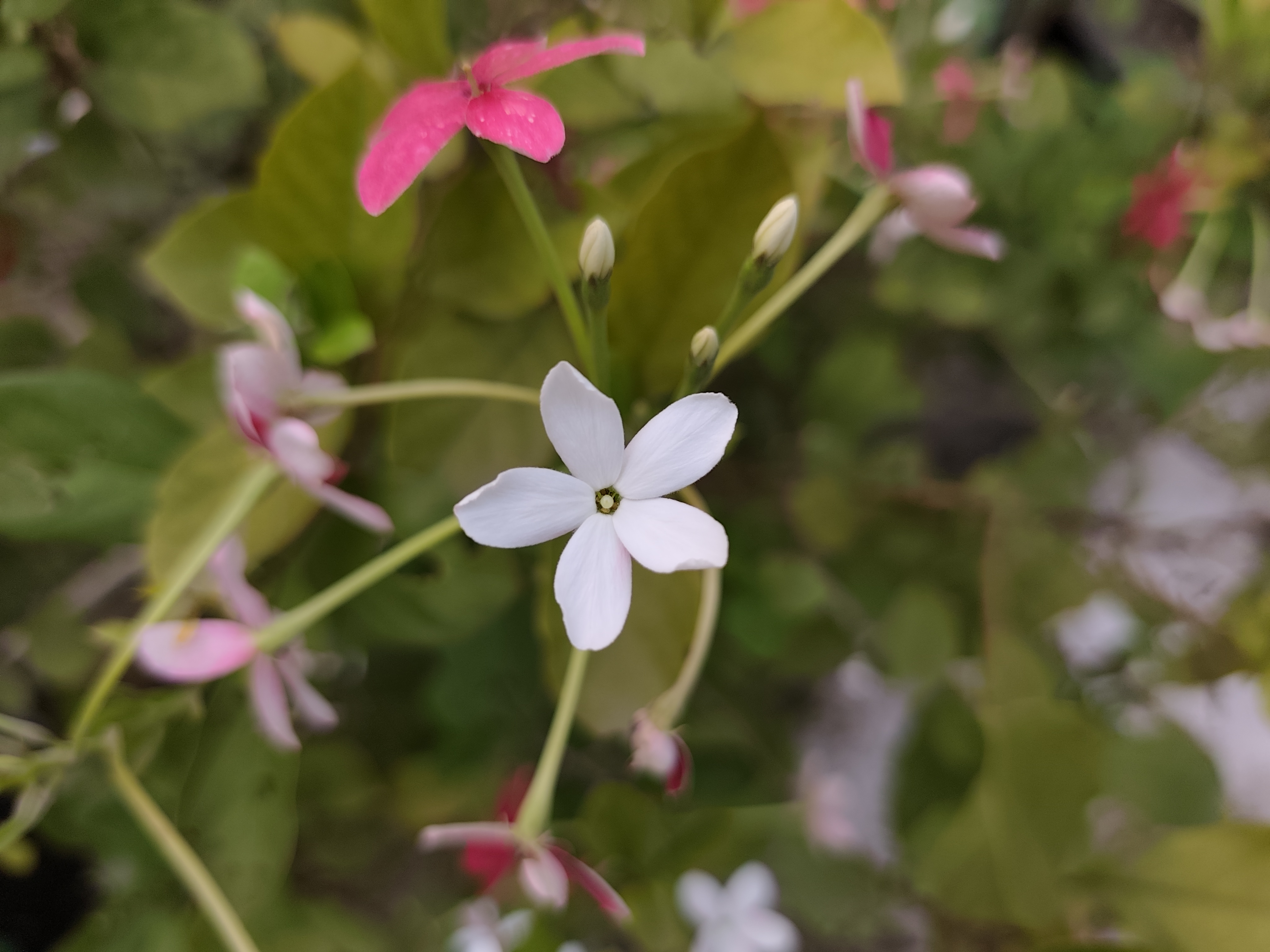
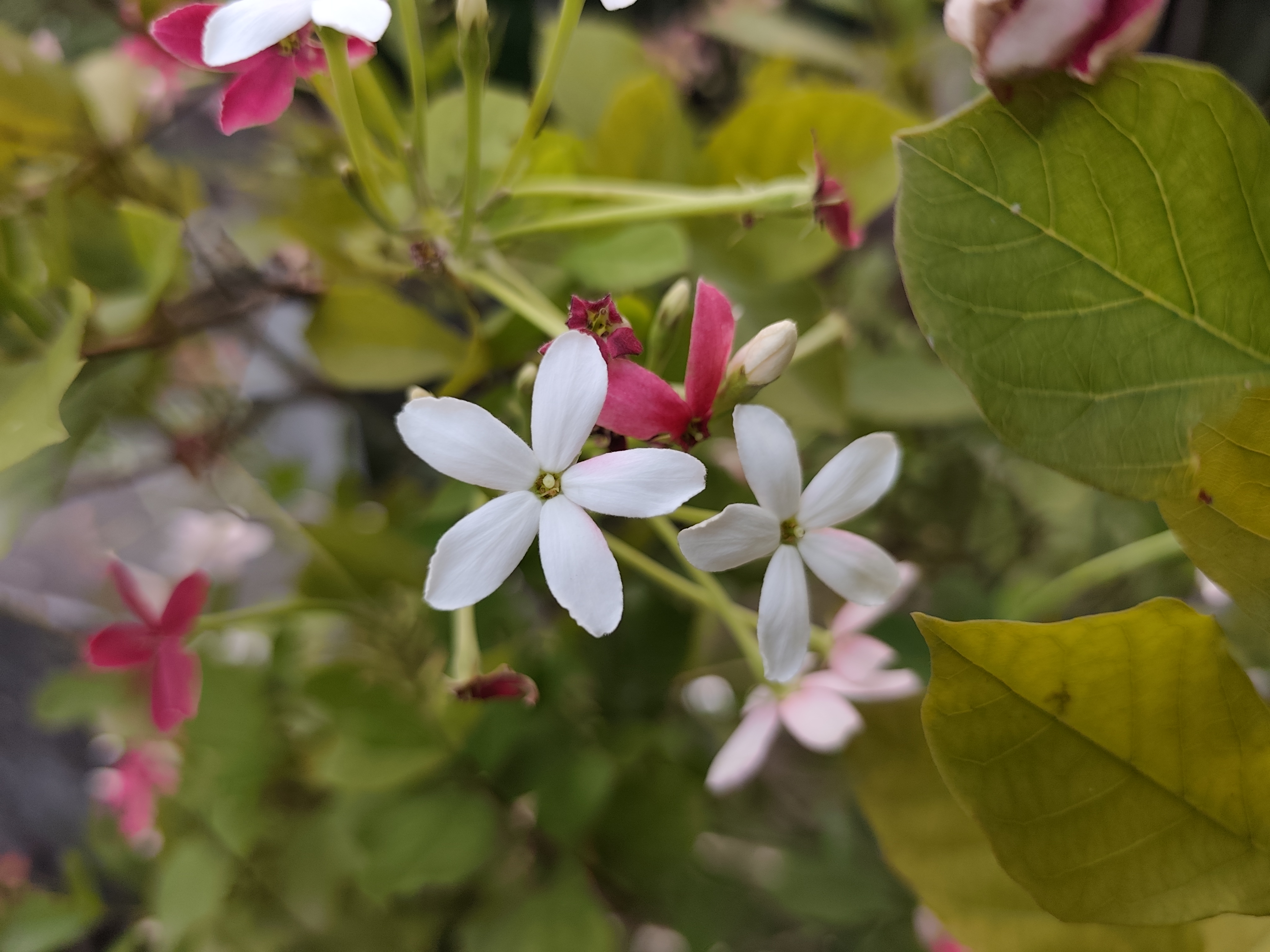
The Rangoon Creeper flower is one of nature’s most enchanting climbing blooms, admired for its graceful beauty and sweet fragrance. Known scientifically as Quisqualis indica, this tropical vine produces clusters of star-shaped flowers that change color as they mature. The blossoms usually begin as white, gradually turn pink, and finally deepen into a rich red shade. This natural transformation creates a stunning multicolored display that instantly brightens gardens, fences, and balconies.
One of the most captivating features of the Rangoon Creeper is its fragrance. The flowers release a stronger scent during the evening, attracting butterflies, bees, and night pollinators. In many South Asian gardens, this vine is planted near entrances or walkways so people can enjoy its refreshing aroma after sunset. Its long, twining branches and lush green leaves also provide a natural decorative canopy that brings a peaceful tropical feeling to outdoor spaces.
Beyond its ornamental beauty, the Rangoon Creeper carries cultural and traditional significance in several regions. In rural communities, the flower is often associated with warmth, hospitality, and the joy of summer evenings. Some traditional medicinal practices have also used parts of the plant for herbal remedies. The vine grows well in warm climates with plenty of sunlight and can thrive quickly when given support to climb.
The Rangoon Creeper flower reminds us that beauty can evolve with time. Its changing colors symbolize transformation, growth, and the different stages of life. Whether blooming over a garden arch or cascading along a wall, this elegant flower creates a dreamy atmosphere that leaves a lasting impression on anyone who sees it.