Cuckoo Wasps: Nature’s Brilliant Jewels with a Fascinating Survival Strategy
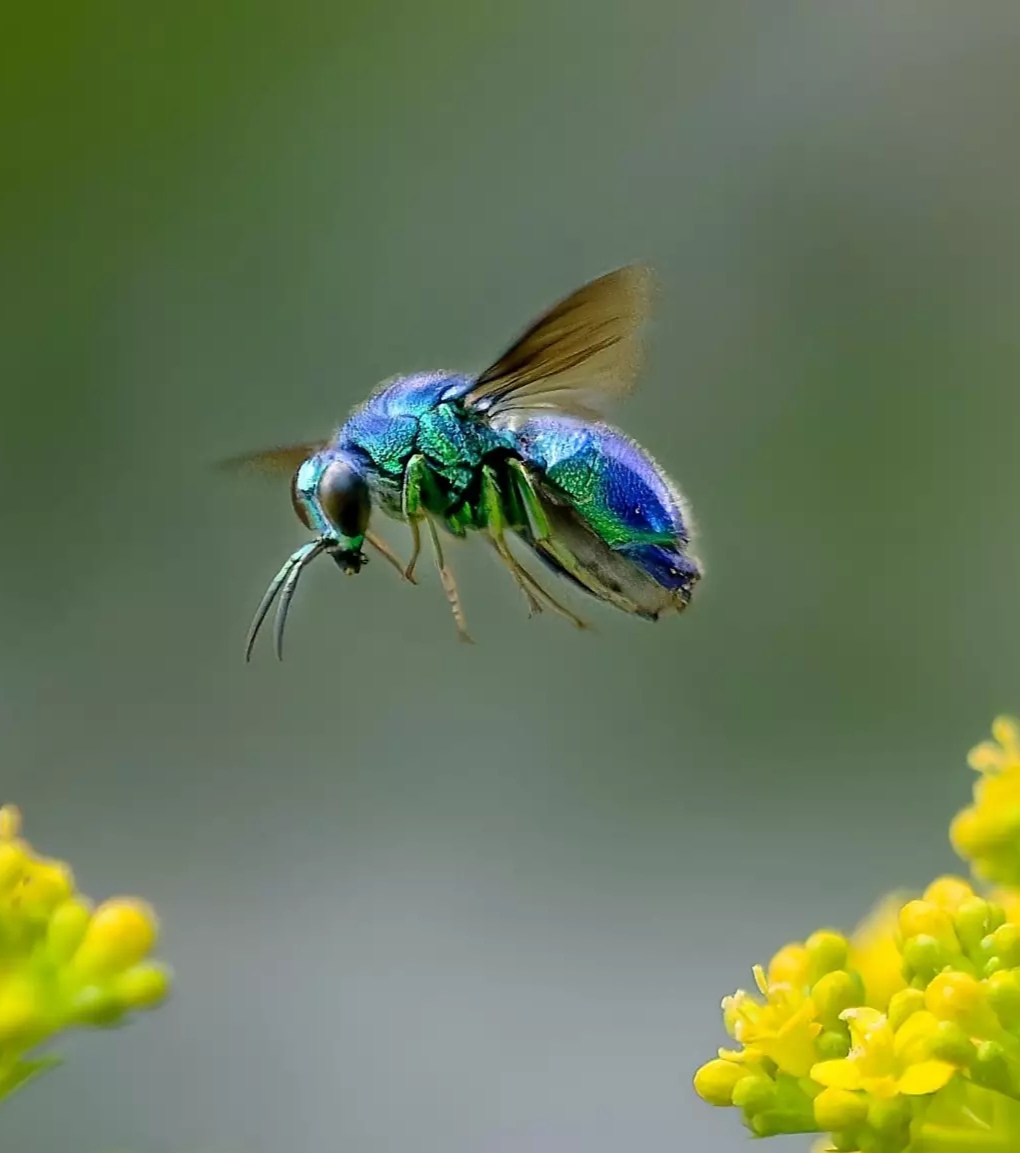
Among the countless insects that inhabit our planet, Cuckoo wasps stand out as some of the most dazzling. Their metallic bodies shimmer in shades of emerald green, sapphire blue, ruby red, and even golden bronze, making them resemble tiny living gemstones. Despite their beauty, these remarkable insects are far more than decorative members of the insect world. Their unique behaviour, resilience, and ecological role have fascinated entomologists and nature enthusiasts for generations, revealing a hidden world of survival and adaptation.
One of the most intriguing characteristics of cuckoo wasps is their unusual reproductive strategy. Rather than building nests or raising their own young, female cuckoo wasps lay their eggs inside the nests of solitary bees or other wasps. When the larvae hatch, they consume the food stored by the host or, in some species, the host's developing offspring. This behaviour, known as brood parasitism, is similar to that of cuckoo birds, which inspired the insect's common name. While this strategy may seem harsh, it is simply one of nature's many ingenious methods of ensuring survival.
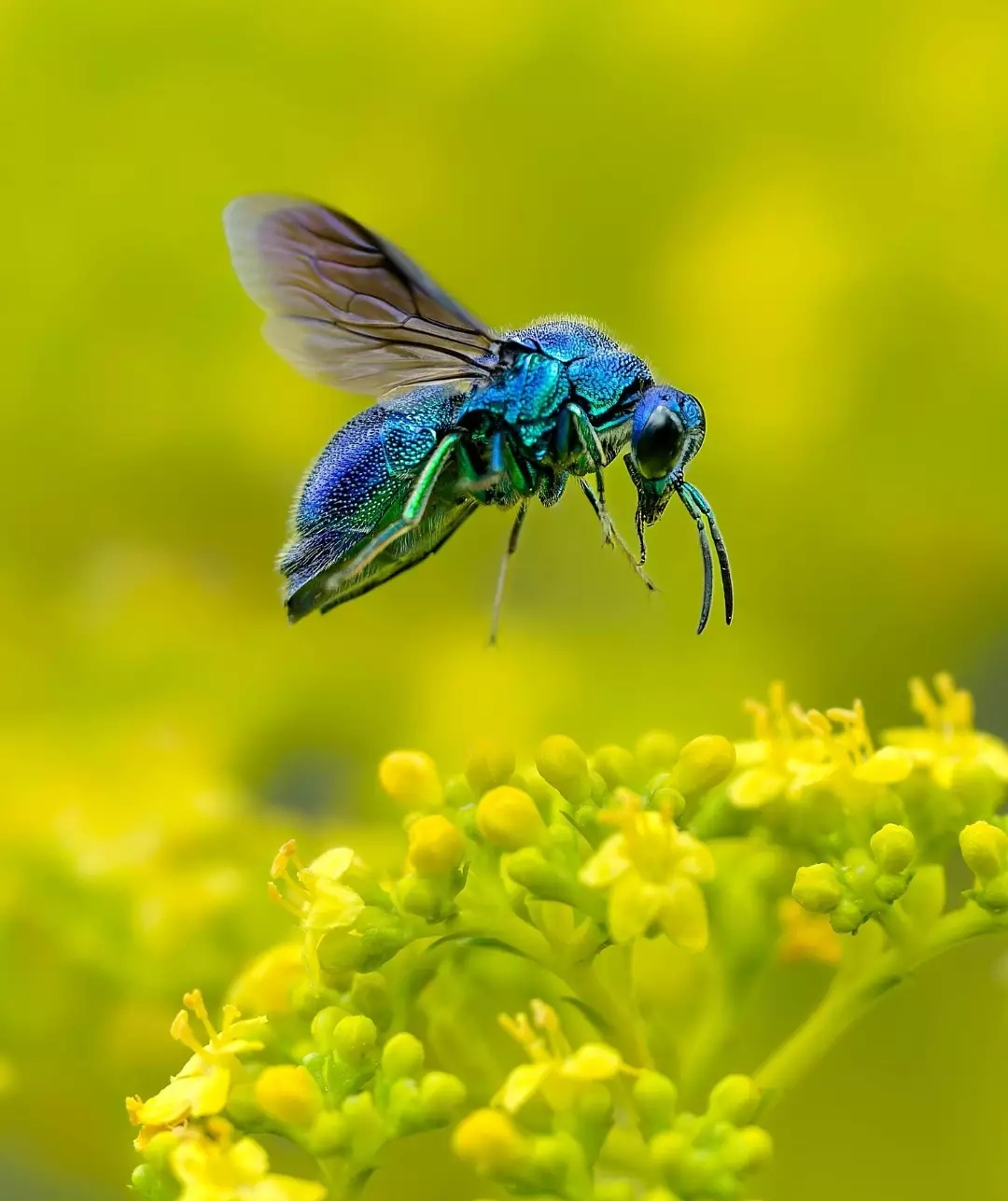
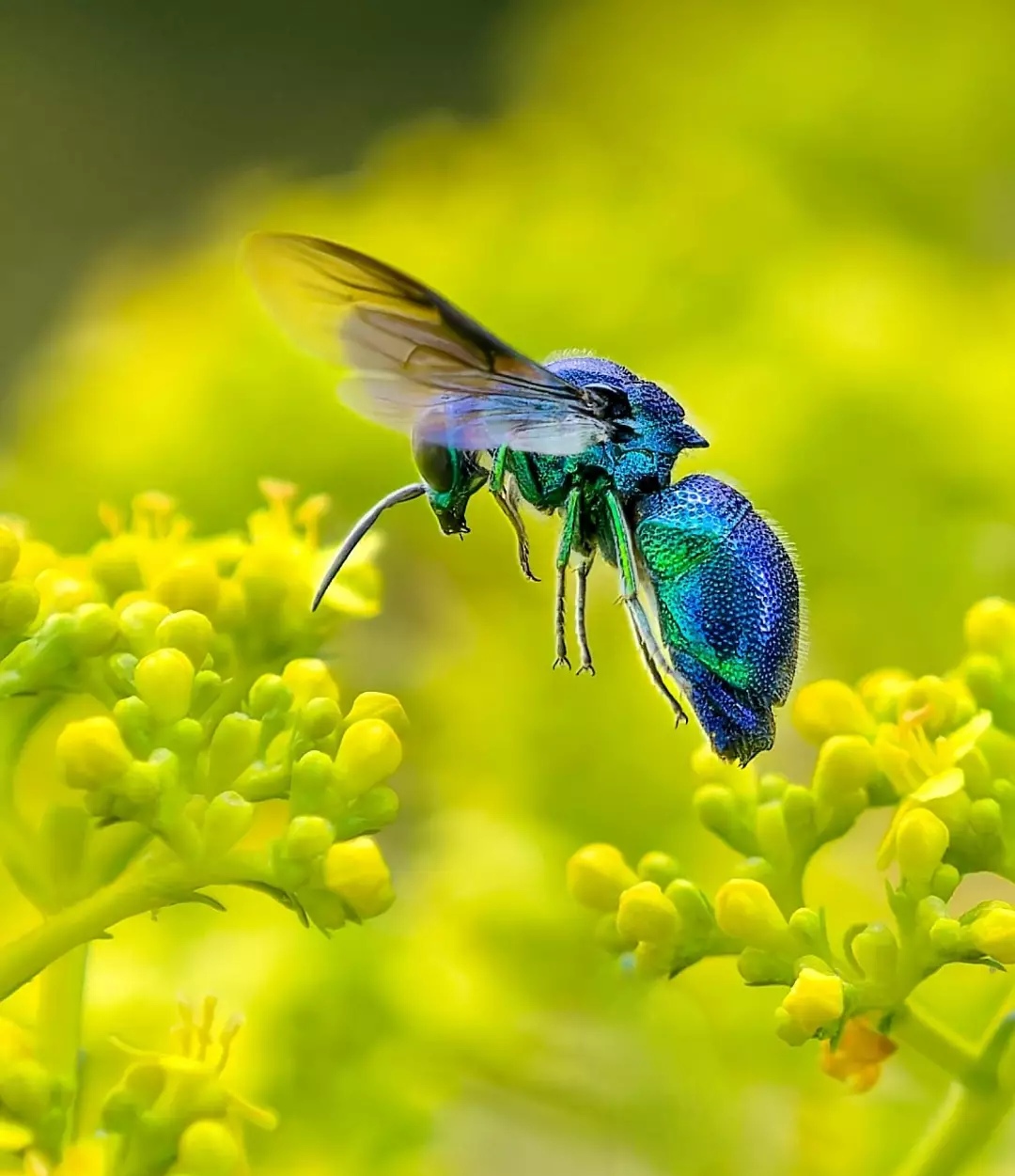
Cuckoo wasps are also equipped with extraordinary physical adaptations. Their exoskeleton is incredibly hard, acting like natural armour that protects them from attacks by host insects. If threatened, many species curl themselves into a tight ball, shielding their delicate legs and antennae beneath their tough outer shell. This defensive behaviour allows them to withstand bites and stings while attempting to enter the nests of their unsuspecting hosts, making them exceptionally well adapted to their specialised lifestyle.
Although they are known for parasitising other insects, adult cuckoo wasps are beneficial visitors to gardens and wild landscapes. They feed primarily on nectar and occasionally pollen, helping to pollinate flowering plants as they move from blossom to blossom. Their presence often indicates a healthy ecosystem rich in solitary bees and wasps, both of which play vital roles in pollination and natural pest control. In this way, cuckoo wasps contribute to the delicate balance that keeps ecosystems thriving.
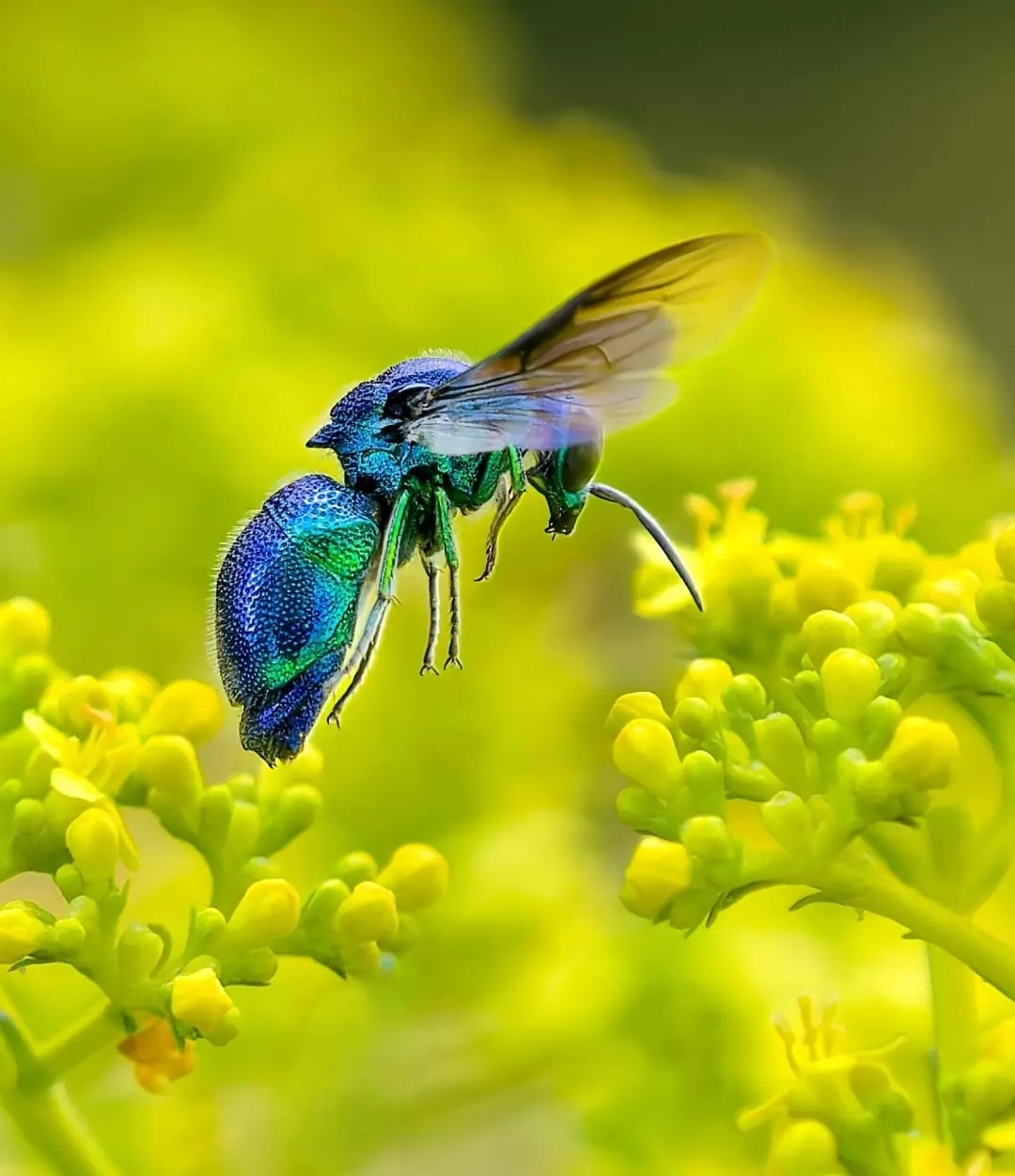
Beyond their ecological importance, cuckoo wasps inspire admiration through their extraordinary appearance. Their iridescent colours are not created by pigments but by microscopic structures in their exoskeleton that reflect light in different wavelengths. As sunlight strikes their bodies from different angles, they appear to change colour, creating a mesmerising display that rivals some of the world's most colourful butterflies and beetles. This natural brilliance serves as a reminder that even the smallest creatures can possess breathtaking beauty.
Cuckoo wasps may lead secretive lives, but they represent one of nature's finest examples of adaptation, resilience, and elegance. Their shimmering colours, remarkable survival techniques, and contribution to biodiversity make them far more than just another insect. By observing and appreciating these tiny metallic marvels, we gain a deeper understanding of the incredible diversity of life and the countless strategies that have evolved to ensure survival in the natural world.
Thanks For Reading
Device Information
| Device | cannon eos 450D |
|---|---|
| Lens | 250 mm |
| Location | Bangladesh |