Dicotyledons: The Subtle Architecture of Green Life
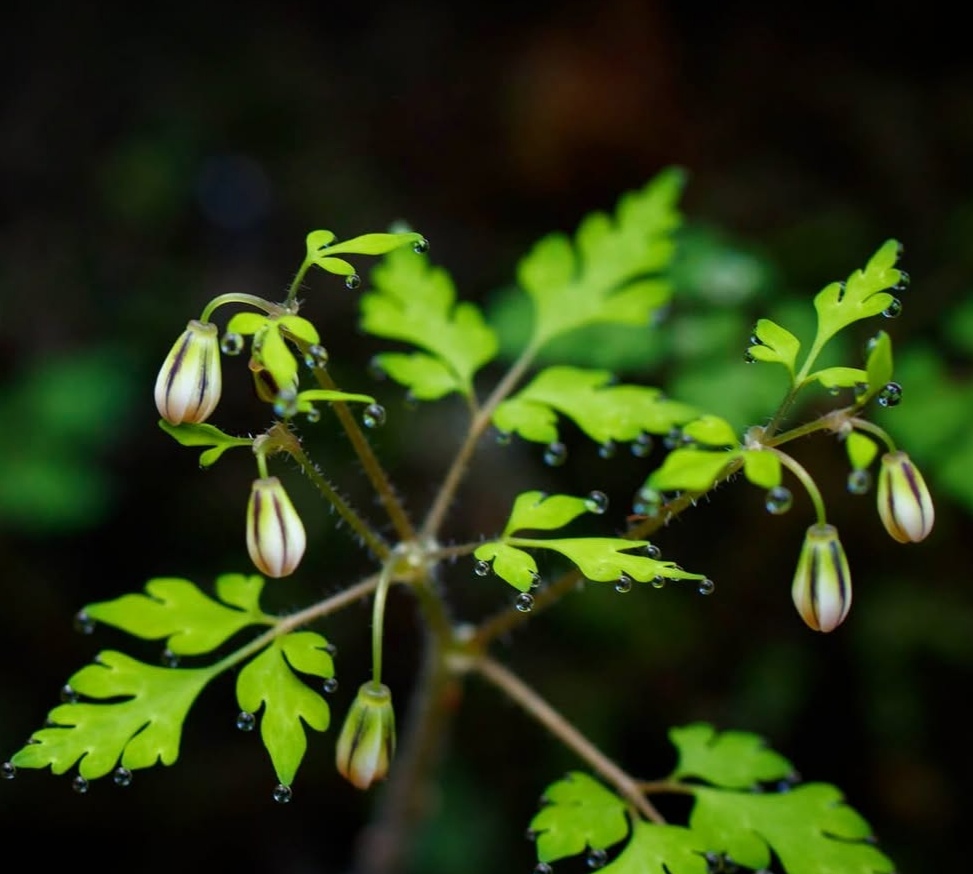
In the vast tapestry of plant life, dicotyledons—often simply called dicots—form one of the most familiar yet quietly complex groups. From towering trees to delicate garden flowers, these plants surround us in ways we rarely pause to notice. Their name comes from a defining trait: the presence of two embryonic leaves, or cotyledons, within their seeds. It’s a small detail, almost hidden from sight, yet it shapes the entire journey of the plant from its earliest moments.
When a dicot seed awakens, it does so with a sense of symmetry. The two cotyledons unfold like a pair of hands opening to the world, offering nourishment to the young seedling. As the plant grows, this balance often carries forward into its structure. Leaves tend to display a branching network of veins, spreading outward like tiny rivers across a green landscape. This intricate pattern is not just beautiful—it is a living system, guiding water and nutrients with quiet precision.
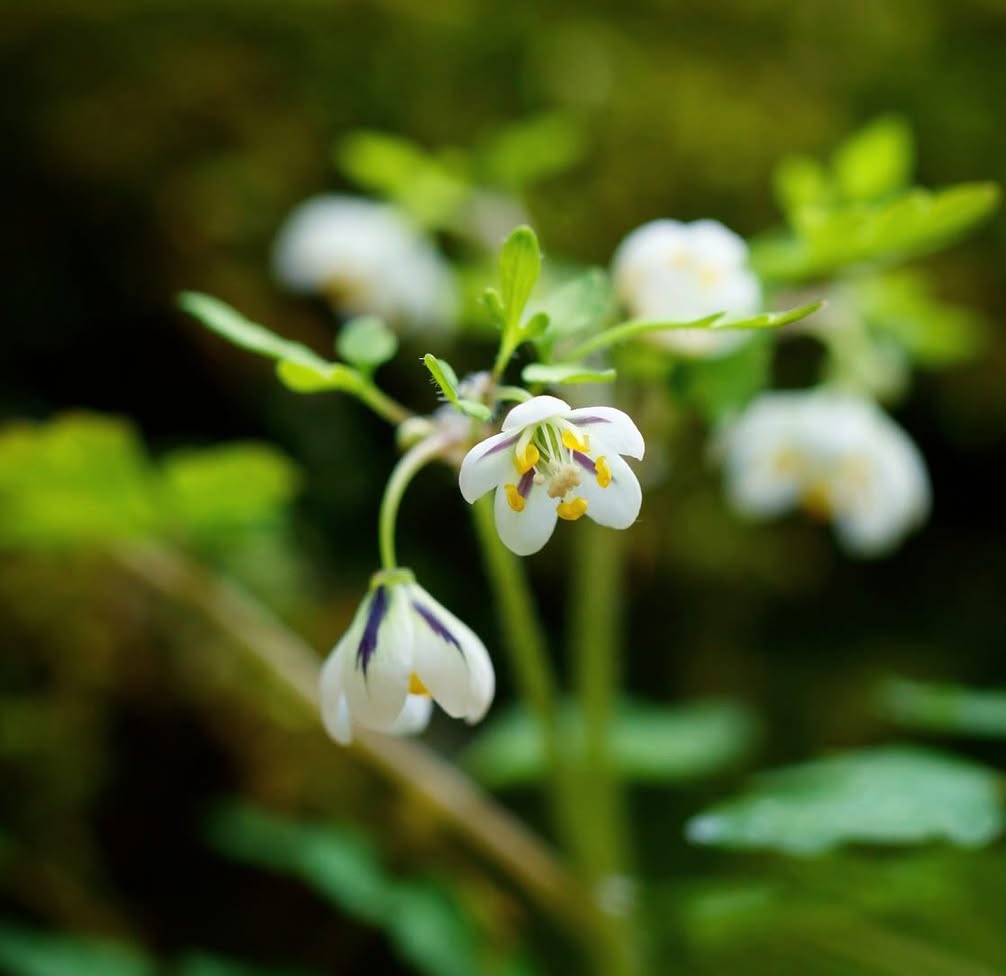
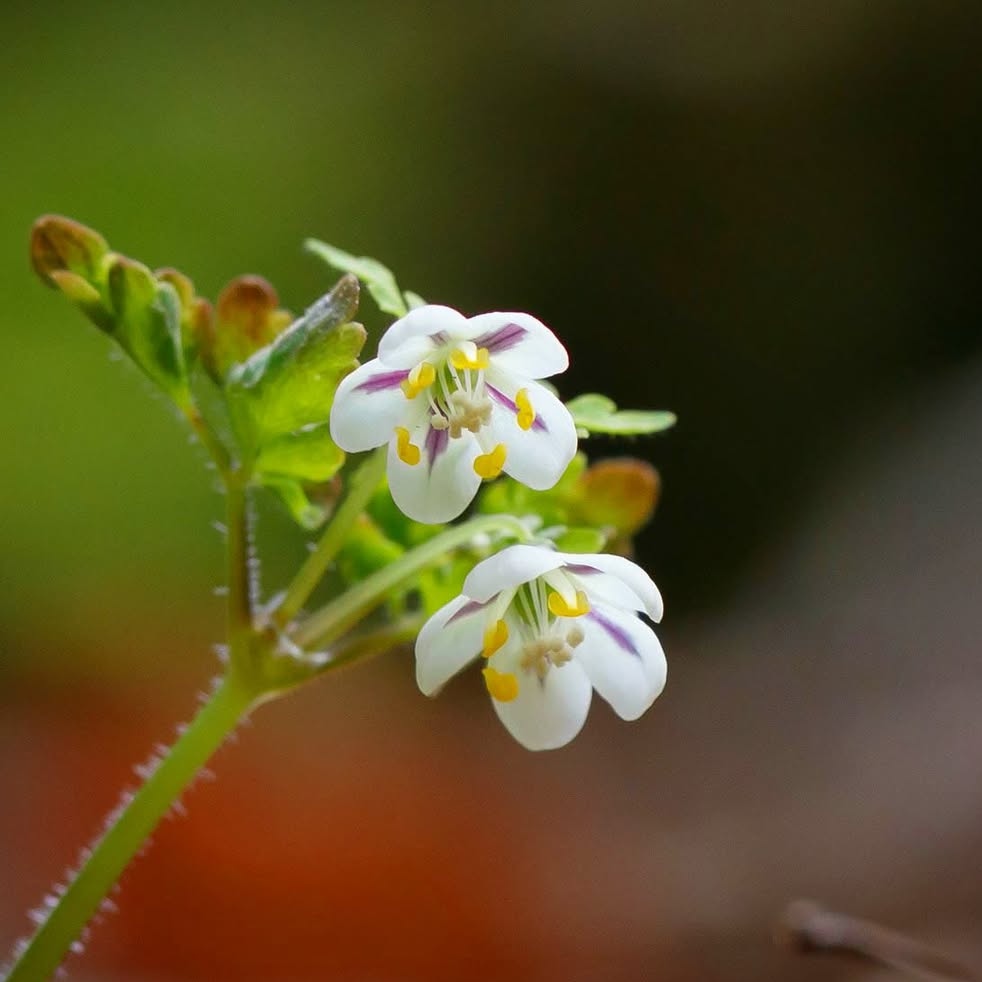
Dicots are also known for their versatility. They include a remarkable range of plants, from fruit-bearing trees and shrubs to herbs and flowering species that brighten fields and gardens. Their stems typically grow thicker over time, forming rings that mark each passing year, a natural record of growth and survival. In this way, dicots don’t just live—they remember, holding their history within their very structure.
One of the most recognizable features of dicotyledons lies in their flowers. Often arranged in multiples of four or five, their petals create patterns that feel both ordered and organic. These blooms attract pollinators, weaving dicots into a larger ecological story. Bees, butterflies, and birds rely on them, and in return, they help these plants continue their lineage. It’s a quiet partnership, one that sustains both beauty and biodiversity.
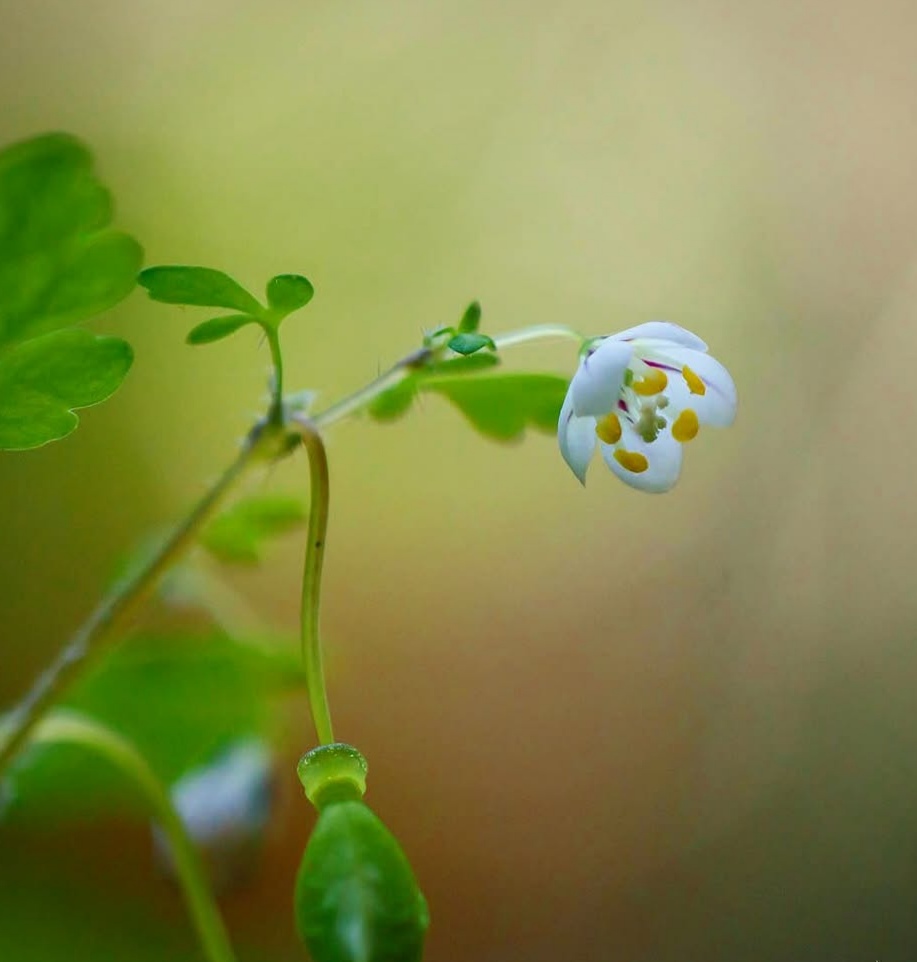
Beyond their biological traits, dicots hold a deep connection to human life. Many of the foods we eat—beans, apples, sunflowers—belong to this group. They nourish us, shelter us, and even inspire us through their forms and colors. Whether growing wild or cultivated with care, dicots have become companions in our shared environment, shaping landscapes and livelihoods alike.
To understand dicotyledons is to glimpse the subtle architecture of nature. They remind us that complexity often begins with something simple—a pair of leaves, a balanced form, a quiet beginning beneath the soil. From that modest start, an entire world of growth unfolds, teaching us that even the smallest structures can hold the blueprint for something vast and enduring.
Thanks For Reading
Device Information
| Device | Redmi Note 10 Pro |
|---|---|
| Lens | 64 mp |
| Location | Bangladesh |