Least Bittern: The Secretive Jewel of Wetland Habitats
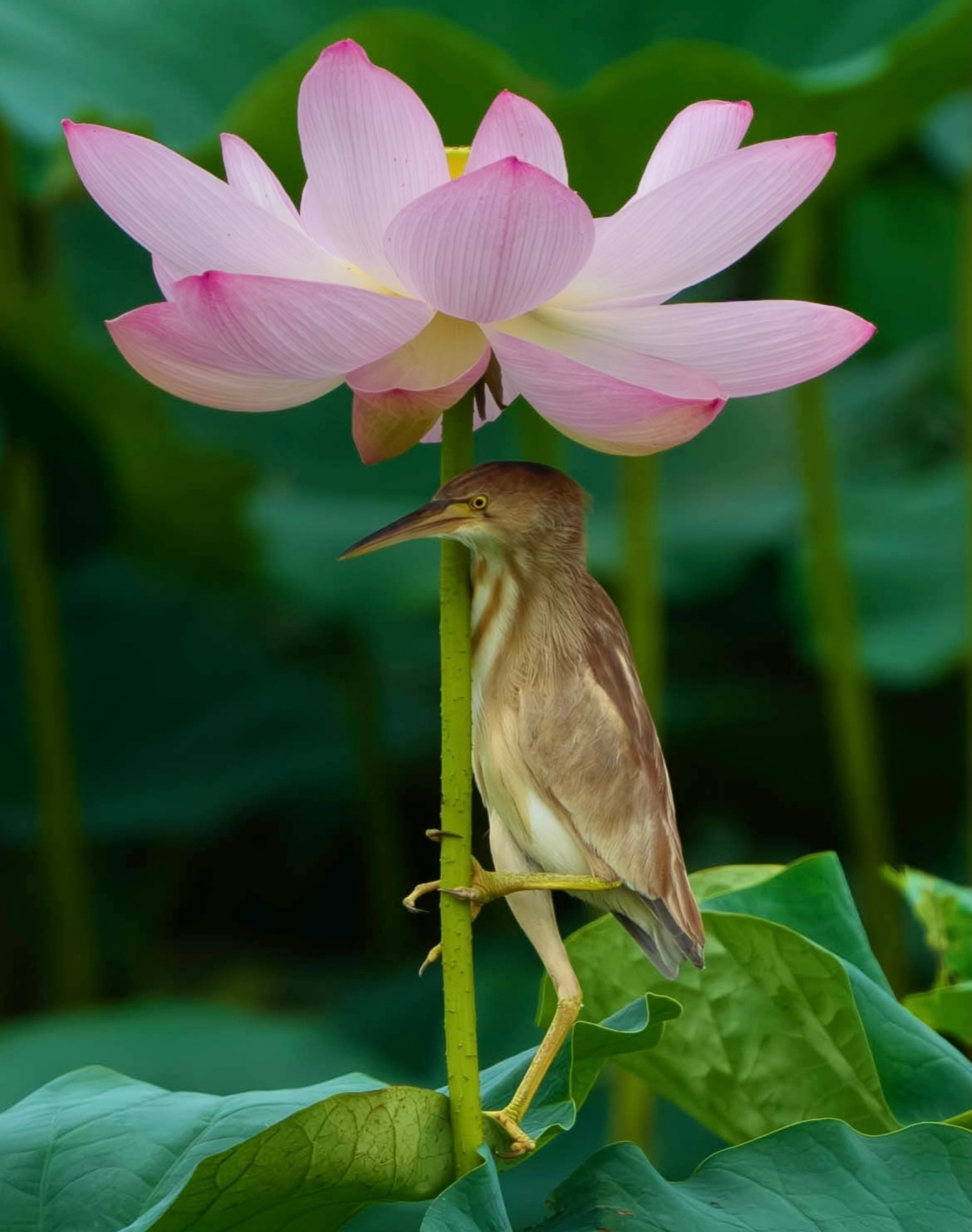
The Least Bittern is one of the smallest members of the heron family, yet it is among the most elusive birds found in North and Central American wetlands. With its slender body, soft buff and chestnut plumage, and remarkable camouflage, this shy bird often goes unnoticed even by experienced birdwatchers. Hidden among tall reeds and cattails, the Least Bittern spends much of its life quietly navigating marshes, making every sighting feel like a special reward for nature enthusiasts.
One of the Least Bittern's most fascinating adaptations is its incredible ability to blend into its surroundings. When it senses danger, the bird stretches its neck upward, points its bill toward the sky, and sways gently with the surrounding vegetation. This unique "freeze" posture makes it almost invisible among the reeds, helping it avoid predators. Its lightweight body also allows it to climb through dense marsh plants with surprising agility, using its long toes to distribute its weight across fragile stems.
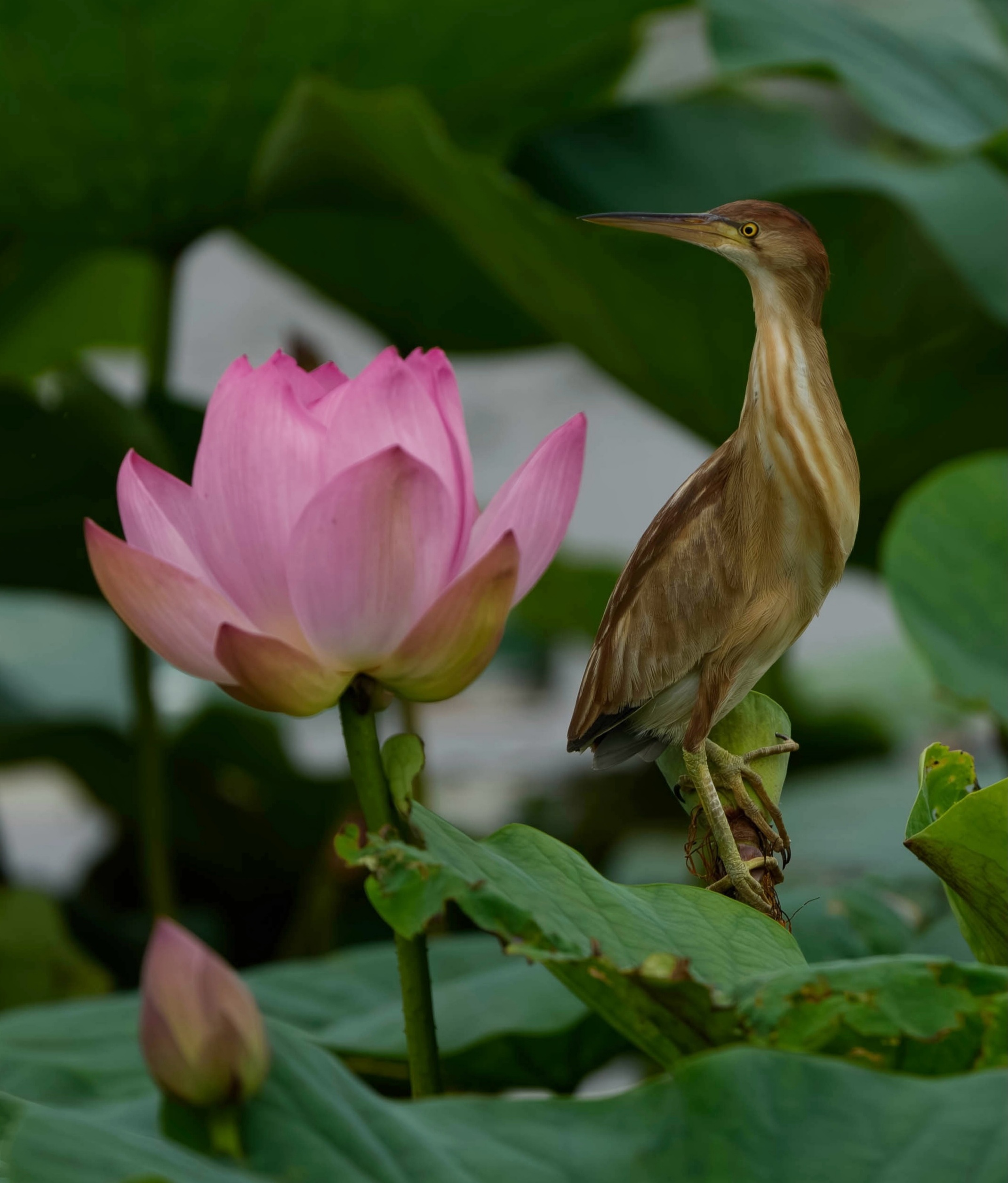
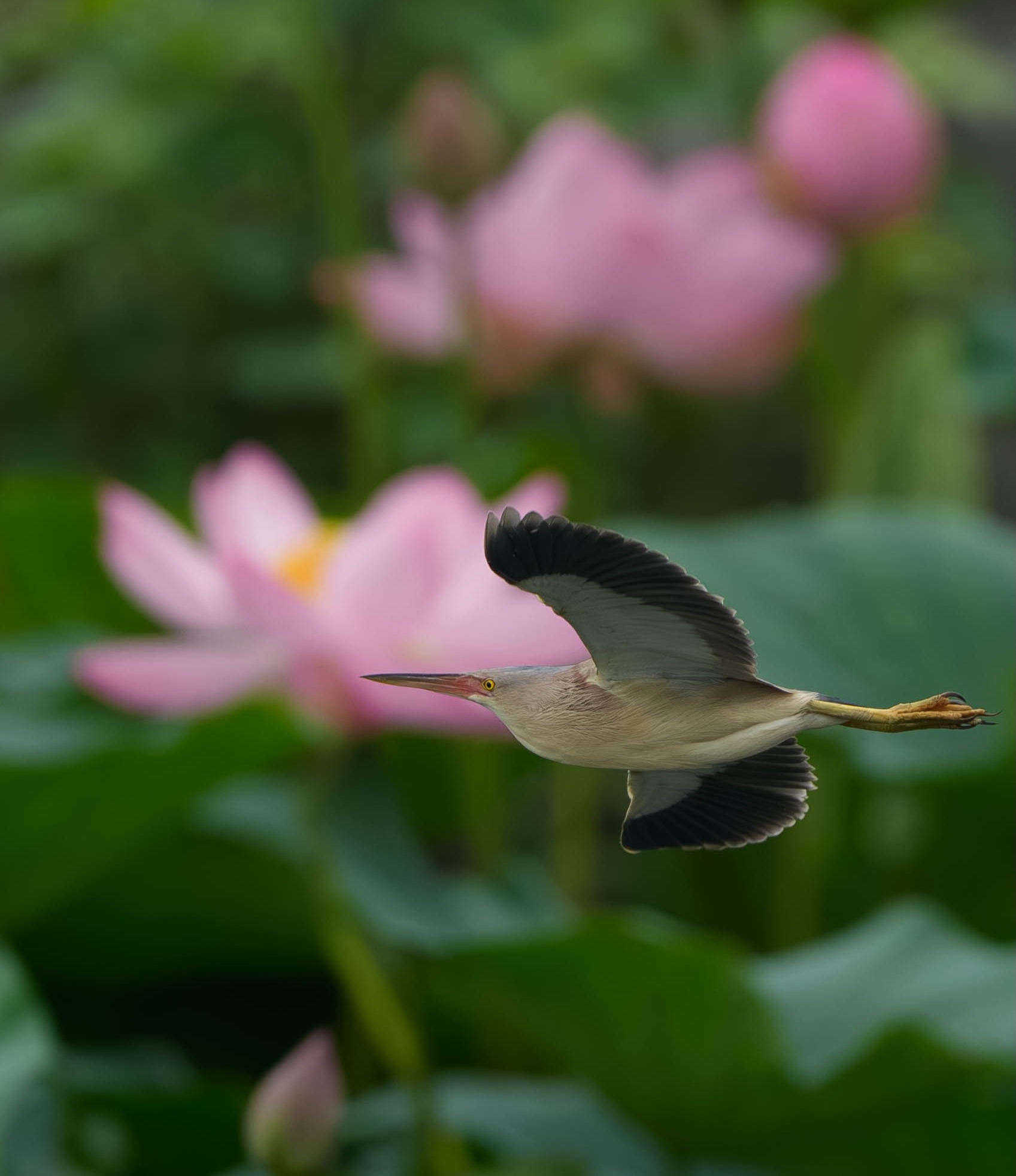
The diet of the Least Bittern reflects its wetland lifestyle. It feeds primarily on small fish, frogs, insects, crayfish, and other aquatic creatures that thrive in shallow water. Moving slowly and patiently, the bird waits for the perfect opportunity before striking with lightning-fast precision. This hunting technique demonstrates both patience and efficiency, making the Least Bittern a skilled predator despite its small size.
Wetlands are essential for the survival of the Least Bittern, providing nesting sites, food, and shelter throughout the breeding season. The bird carefully constructs a platform nest using reeds and other marsh vegetation, often placing it above the water to protect its eggs from many ground predators. However, the destruction and degradation of wetlands through urban expansion, pollution, and drainage have reduced suitable habitats in many regions, highlighting the importance of conservation efforts to preserve these fragile ecosystems.

For birdwatchers and wildlife photographers, spotting a Least Bittern is an unforgettable experience. Unlike more conspicuous waterbirds, it rarely flies in open spaces unless disturbed, preferring to remain hidden within thick vegetation. Patience, quiet observation, and an early morning visit to a healthy marsh greatly increase the chances of witnessing this remarkable species. Even a brief glimpse offers a deeper appreciation for the hidden diversity of wetland life.
The Least Bittern may be small in size, but it plays a significant role in maintaining the balance of wetland ecosystems. By feeding on insects and small aquatic animals, it helps regulate prey populations while contributing to the intricate web of life found in marshes. Its quiet existence reminds us that some of nature's greatest wonders are not the loudest or most visible, but the ones that reveal themselves only to those willing to slow down, observe carefully, and respect the beauty of the natural world.
Thanks For Reading
Device Information
| Device | Redmi Note 10 Pro |
|---|---|
| Lens | 64 mp |
| Location | Bangladesh |