Sitona lineatus: The Striped Pea Weevil and Its Remarkable Role in Nature
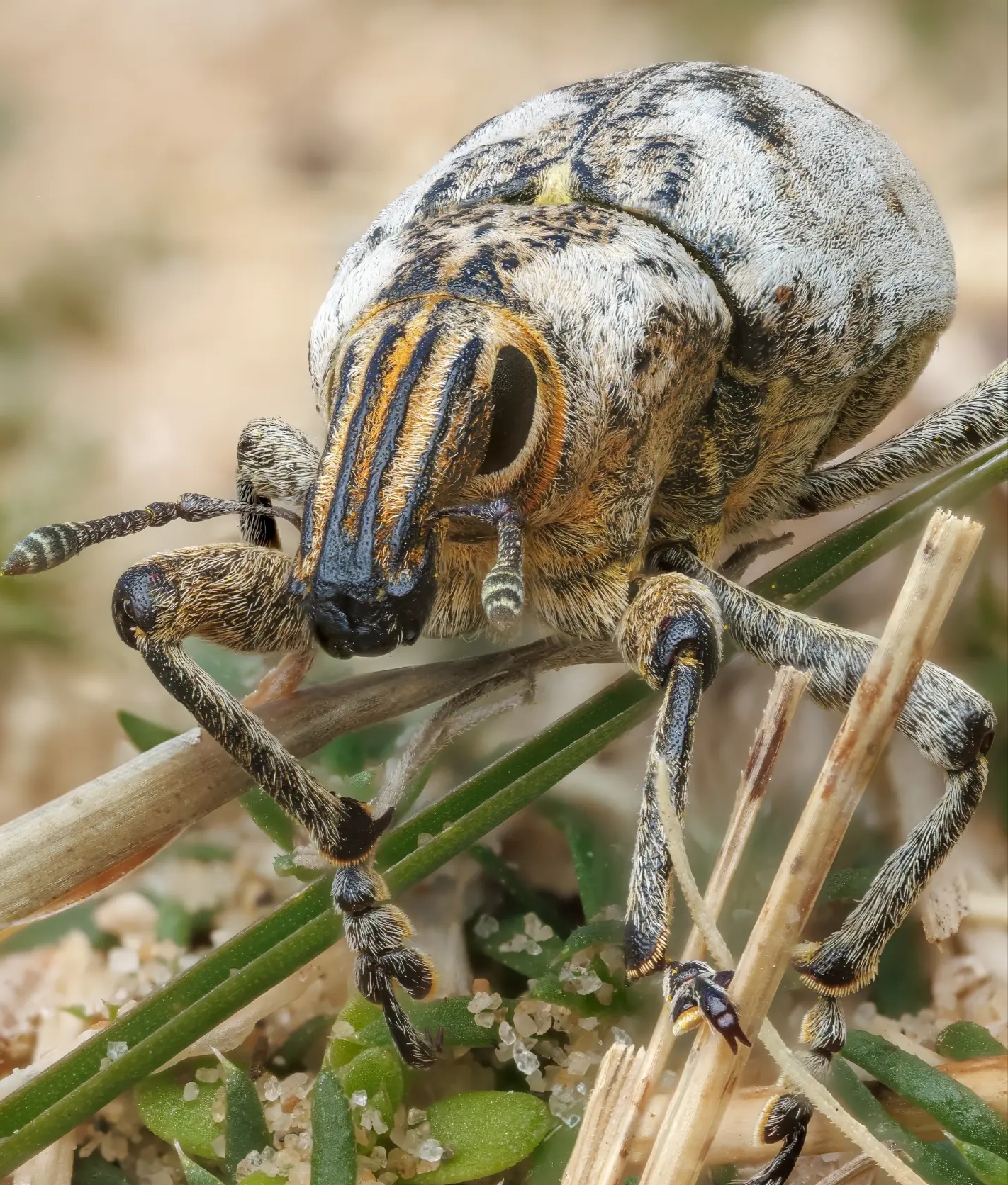
The natural world is filled with countless small creatures that often go unnoticed, yet each one plays a unique role in maintaining ecological balance. One such fascinating insect is Sitona lineatus, commonly known as the striped pea weevil. Although it is considered a significant agricultural pest in many regions, this tiny beetle also serves as an excellent example of nature's intricate design. Its striped appearance, specialized feeding habits, and remarkable adaptability make it an interesting subject for anyone curious about insects and biodiversity.
Sitona lineatus is a small weevil distinguished by the pale longitudinal stripes running along its grayish-brown body. Measuring only a few millimeters in length, it blends seamlessly into its surroundings, making it difficult to spot among crop fields. Despite its modest size, this insect possesses a characteristic elongated snout, a defining feature of the weevil family. Its subtle coloration provides effective camouflage, helping it evade predators while moving across leaves and soil.
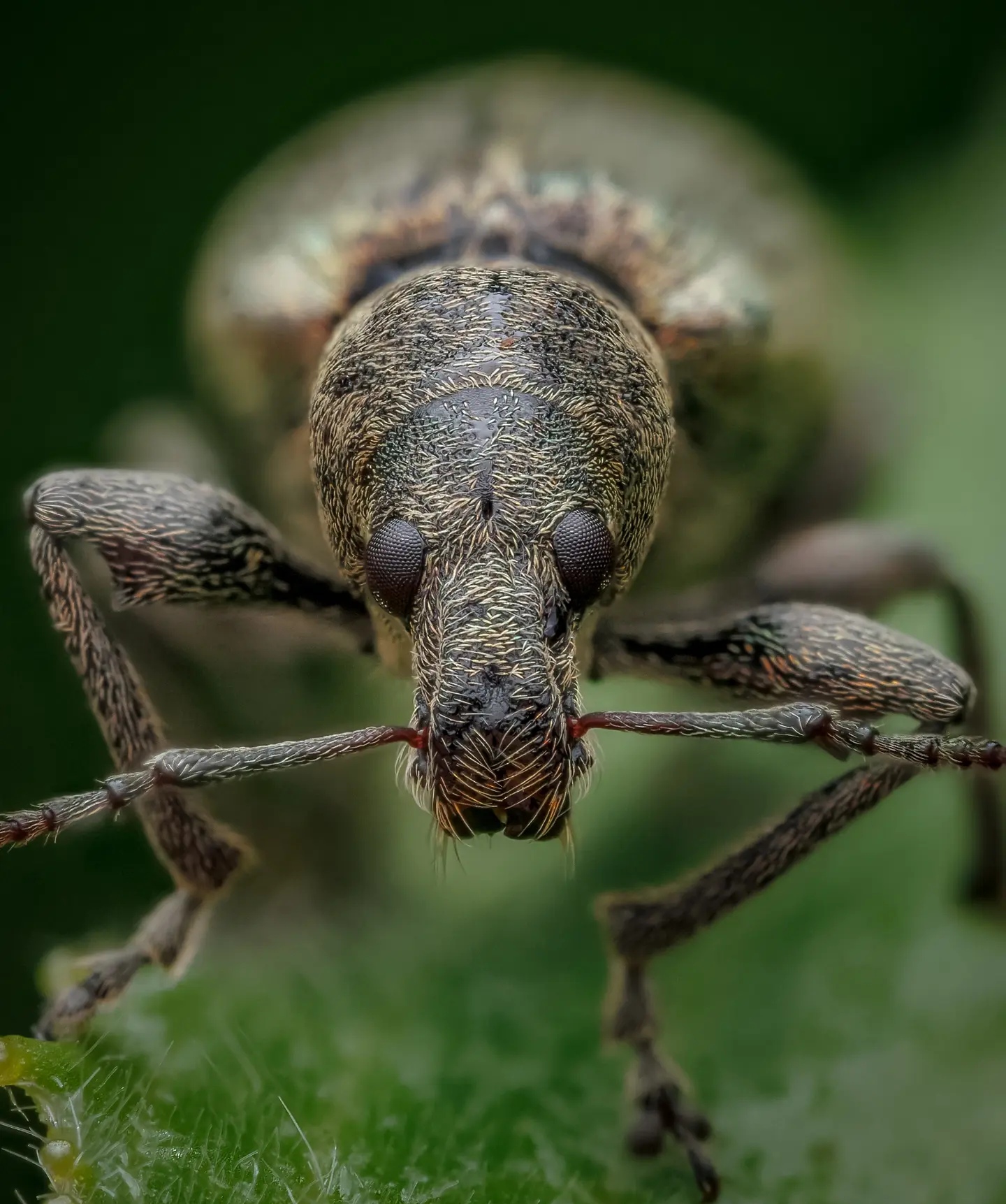
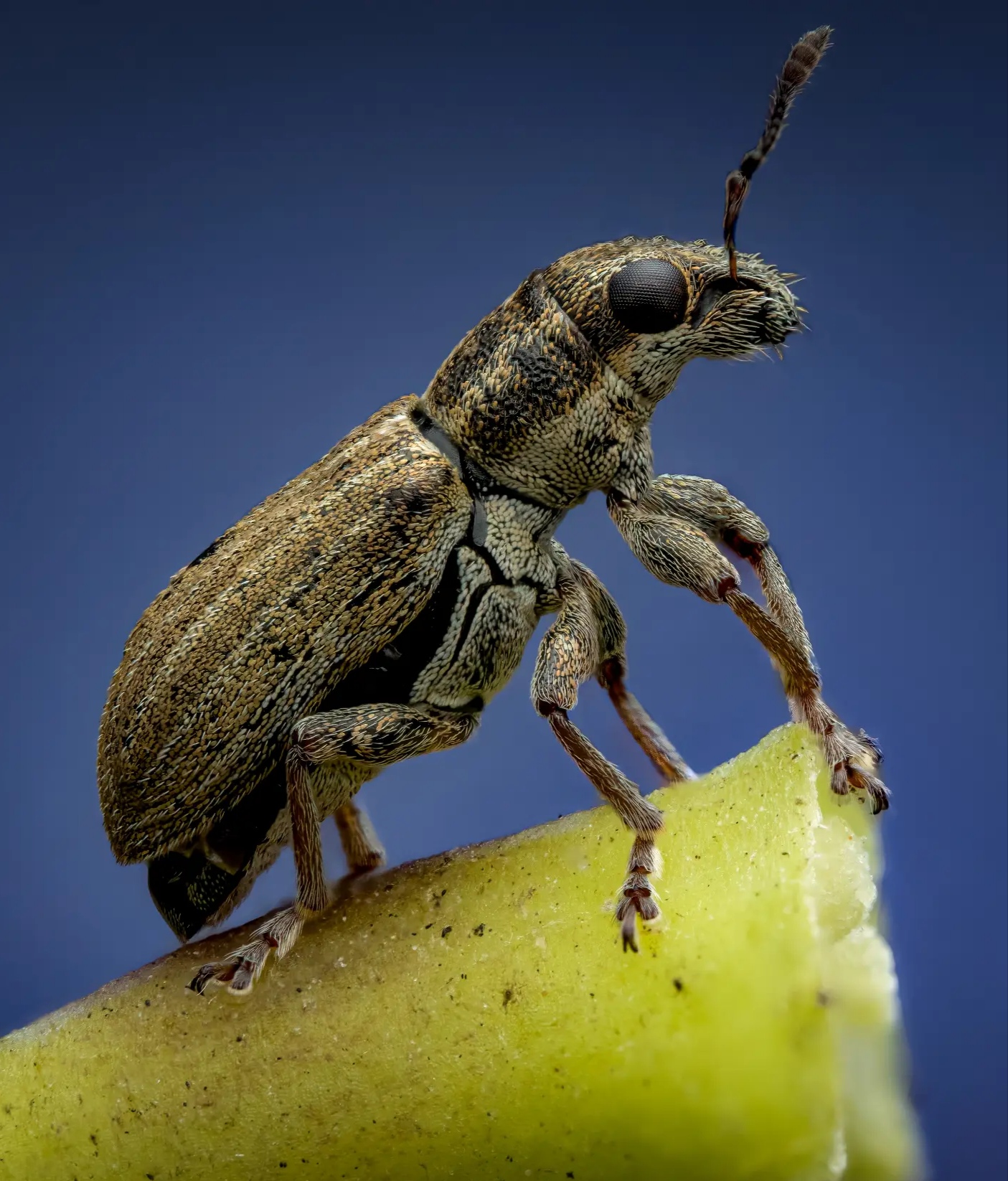
This species has a close association with legume crops such as peas, beans, lentils, and clover. Adult beetles feed by creating distinctive U-shaped notches along the edges of leaves, while the larvae live underground, feeding on the nitrogen-fixing root nodules of host plants. Because these nodules play a crucial role in enriching soil fertility, larval feeding can reduce plant vigor and negatively affect crop yields. Farmers often monitor striped pea weevil populations carefully to minimize economic losses while maintaining sustainable agricultural practices.
Beyond its agricultural impact, Sitona lineatus offers valuable insights into ecological interactions and insect evolution. It demonstrates the delicate relationship between herbivorous insects and their host plants, highlighting how species adapt to specific food sources over generations. Researchers continue to study this weevil to better understand pest behavior, develop environmentally friendly management strategies, and reduce dependence on chemical pesticides. Such studies contribute to healthier farming systems and improved biodiversity conservation.
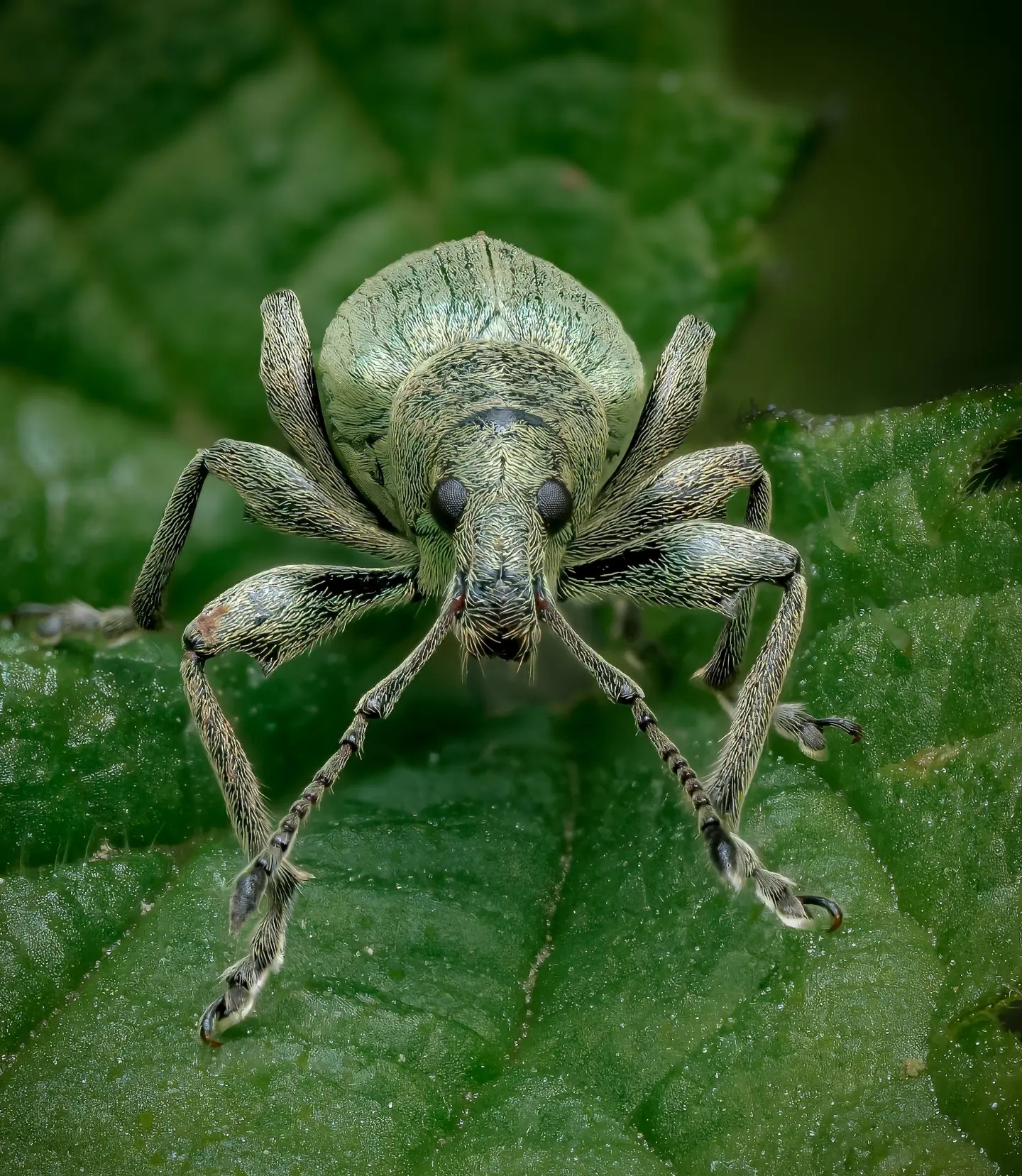
Observing Sitona lineatus also reminds us that even the smallest organisms deserve attention and respect. While it may be viewed as a pest from an agricultural perspective, it remains an important part of food webs, serving as prey for birds, spiders, and other insect-eating animals. Every species, regardless of its reputation, contributes to the complex network of life that sustains our ecosystems. Appreciating these connections encourages a deeper understanding of nature and the importance of balanced environmental stewardship.
In conclusion, the striped pea weevil is far more than just a tiny beetle living among legumes. Its distinctive appearance, specialized lifestyle, and ecological significance make it an intriguing member of the insect world. By learning about species like Sitona lineatus, we gain a greater appreciation for the diversity of life and the challenges of balancing agricultural productivity with environmental conservation. Even the smallest creatures have meaningful stories to tell, reminding us that every living organism has a place in the remarkable tapestry of nature.
Thanks For Reading
Device Information
| Device | Redmi Note 10 Pro |
|---|---|
| Lens | 64 mp |
| Location | Bangladesh |